Why demographic change, technological disruption, ASEAN competition, and institutional weaknesses demand a new era of strategic national leadership for the Philippines
Opinion | November 15, 2026
A Nation at a Defining Crossroads
There are moments in a nation’s history when the signs of change become too compelling to ignore. Moments when the consequences of inaction are no longer distant possibilities but emerging realities. Moments when leaders must decide whether to manage the present or prepare their country for the future. I believe the Philippines is experiencing one of those moments today.
Looking at our country from a broader ASEAN and global perspective, I am increasingly convinced that we are approaching a critical turning point. The decisions we make today, particularly those involving governance, education, technology, infrastructure, and economic development, will determine whether the Philippines realizes its enormous potential or experiences another generation of missed opportunities.The international environment is changing rapidly.
Geopolitical tensions are reshaping global alliances, trade relationships, and investment decisions. Volatile energy prices are creating uncertainty for households, businesses, and governments. Artificial intelligence and other emerging technologies are transforming industries, labor markets, public services, and the very nature of economic competitiveness. Meanwhile, intensifying climate-related risks are exposing the vulnerabilities of countries that have failed to sufficiently invest in resilience, adaptation, and sustainable development.
These forces are not operating independently. They are interacting, accelerating, and producing consequences that conventional approaches to governance can no longer adequately address. But beyond these global pressures, the Philippines faces an equally important set of domestic challenges.
Our population is undergoing a demographic transition. Our institutions face persistent weaknesses. Our economic opportunities remain geographically concentrated. Our education and workforce development systems are struggling to keep pace with technological change. And our public investment priorities do not always reflect the long-term needs of national development.
Yet we possess extraordinary advantages: a relatively young population, a globally connected workforce, a strategic geographic position, established service industries, growing regional economies, and tremendous entrepreneurial potential.
The fundamental question is whether we can transform these advantages into lasting prosperity before the window of opportunity begins to close. We cannot afford to answer this question with political slogans, temporary solutions, or another collection of disconnected development programs. We need a serious national conversation about our future. And more importantly, we need the courage to act.
The Demographic Window We Cannot Afford to Waste
One of the most important realities facing the Philippines is also among the least appreciated in mainstream political discussions: our demographic transition.
According to the Philippine Statistics Authority’s 2024 Census of Population, approximately 66.7 percent of the country’s household population belongs to the working-age group of 15 to 64 years. This means that roughly two out of every three Filipinos are within the age range traditionally associated with economic productivity.
The same census places our median age at 27.7 years, reflecting a population that remains relatively young compared with several of our ASEAN neighbors.
Our overall dependency ratio has also declined, from approximately 57 dependents per 100 working-age persons in 2020 to 50 in 2024. These numbers represent an important opportunity.
Economists describe the potential economic benefits associated with a rising working-age share of the population as a demographic dividend. When a country has a relatively large productive population compared with its dependent population, it can potentially achieve higher savings, greater investments, increased production, stronger consumption, and faster economic growth.
But there is one essential qualification: A demographic dividend is not automatically earned simply because a country has a young population. It must be created through deliberate investments in education, health, skills development, employment, entrepreneurship, productivity, and effective institutions. A young population without sufficient economic opportunities can become a source of growing frustration rather than national prosperity.
A large workforce without competitive skills can struggle to participate in higher-value industries. And a demographic advantage without sustained productivity improvements can disappear before its full benefits are realized. We must also recognize that our population is aging. The Philippine median age increased from 24.3 years in 2015 to 25.3 in 2020 and 27.7 in 2024. The share of people aged 65 and above is also rising.
The demographic experiences of several Asian economies demonstrate how rapidly aging can transform national development priorities. Changes that historically unfolded gradually in some Western economies are occurring over considerably shorter periods in parts of Asia.
The Philippines still has a relatively favorable age structure, but we should not mistake that advantage for permanence. We must prepare for a future in which a larger elderly population requires more comprehensive healthcare, stronger pension and social protection systems, better long-term care, and higher productivity from a changing workforce. This creates a dual responsibility. We must maximize the economic contribution of our present working-age population while building the institutions that will support an aging society. The challenge is not simply to create more jobs. It is to create productive, decent, future-ready employment that enables Filipinos to build savings, accumulate assets, support families, and eventually age with dignity. We must become prosperous before our population becomes significantly older. That should be one of the defining objectives of Philippine national development.
ASEAN Is Moving, and Competition Is Intensifying
My engagement with ASEAN digital cooperation and regional development has reinforced an important realization: the Philippines cannot evaluate its progress by looking only at its own historical performance.

From my experience engaging in ASEAN digital cooperation and regional policy discussions, I have come to appreciate that the future of the Philippines cannot be planned in isolation from the transformation taking place across Southeast Asia. ASEAN is no longer simply a regional grouping of neighboring economies; it is becoming an increasingly competitive and interconnected ecosystem of talent, technology, investment, innovation, and industrial development. While our neighbors are strengthening their digital infrastructure, modernizing industries, advancing AI readiness, attracting strategic investments, and positioning their workforce for the next generation of economic opportunities, the Philippines must confront an uncomfortable question: Are we moving fast enough, and are we making the right decisions to remain competitive?
We should not view ASEAN countries merely as competitors, but also as partners from whom we can learn, collaborate, and build shared prosperity. Yet regional cooperation cannot compensate for weaknesses in our domestic institutions, inconsistent policies, underinvestment in human capital, and fragmented national development priorities.
The ASEAN experience demonstrates that economic transformation requires more than ambition; it demands continuity, institutional discipline, policy coherence, and strategic execution. We cannot expect to lead in a region that is rapidly transforming if we continue to govern through short-term political cycles rather than long-term development strategies.
Our demographic advantage, technological talent, and emerging countryside economies give us a valuable opportunity to shape the region’s future, but that opportunity is not guaranteed. We must move beyond simply participating in ASEAN initiatives toward building the national capabilities that allow us to contribute meaningfully, compete effectively, and lead confidently.
ASEAN is moving forward. The Philippines must not merely keep pace—we must strategically position ourselves to help shape where the region is going. We must also understand how quickly the rest of the region is changing.
Southeast Asia is becoming an increasingly important center of global investment, manufacturing, technology development, digital services, and international trade.
Across ASEAN, countries are positioning themselves to benefit from global supply-chain restructuring, semiconductor demand, artificial intelligence, renewable energy, electric mobility, digital infrastructure, and increasingly sophisticated industrial ecosystems.
Singapore continues to consolidate its position as a financial, technological, and innovation hub. Malaysia has been strengthening its attractiveness for semiconductor investments, advanced manufacturing, and digital infrastructure. Vietnam has emerged as an important manufacturing and technology investment destination, supported by export-oriented production networks. Indonesia is pursuing opportunities associated with its large domestic market, natural resources, downstream industries, and digital economy. Thailand continues to develop its advanced manufacturing capabilities while pursuing investment in new industrial sectors. Each country faces its own constraints and vulnerabilities. None offers a perfect development model. But a common lesson emerges.
Economic competitiveness increasingly depends on the ability of governments to coordinate policies, strengthen institutions, develop human capital, and execute strategies consistently. The latest investment figures reinforce the urgency.
According to UNCTAD’s World Investment Report 2026, as summarized by Invest ASEAN, foreign direct investment inflows into ASEAN reached approximately US$243.9 billion in 2025.
Of this amount, Vietnam received approximately US$20.4 billion, Indonesia US$21.4 billion, Malaysia US$15.4 billion, and Thailand US$19.1 billion. The Philippines attracted approximately US$9 billion. Investment statistics should never be interpreted in isolation. Economies differ in population, structure, industrial specialization, and the composition of investment flows. Nevertheless, these figures invite an important question.
Why are several of our neighbors attracting significantly larger amounts of investment into industries that will shape the next generation of economic growth?
We cannot answer that question simply by pointing to our economic growth rates, consumption, remittances, or entrepreneurial culture. We must examine the quality of our infrastructure, reliability and cost of energy, regulatory predictability, workforce readiness, institutional credibility, and effectiveness of investment facilitation.

The future of ASEAN competitiveness will not be determined solely by which country offers the lowest wages or the largest population. It will increasingly depend on which countries can create the most reliable ecosystems for innovation, production, talent, investment, and sustainable growth. And that competition is already underway.
The Philippine Economy: Strengths We Must Build Upon
Despite the challenges confronting the country, I remain convinced that the Philippines possesses substantial economic strengths. Our people are adaptable, entrepreneurial, and globally engaged.
The information technology and business process management industry has demonstrated our capacity to compete internationally in knowledge-intensive services.
Our professionals participate in global markets across healthcare, engineering, finance, technology, creative industries, education, and other sectors. Our overseas Filipino communities maintain significant economic and professional connections with international markets.
Our domestic market is substantial, our entrepreneurial ecosystem continues to evolve, and our geographic position gives us opportunities to participate more deeply in regional and global value chains.
Recent economic performance also demonstrates resilience. The World Bank has noted that Philippine economic growth averaged approximately 5.8 percent annually between 2021 and 2025, despite the extraordinary disruptions of recent years. However, strong historical growth does not eliminate emerging risks.
In September 2026, the International Monetary Fund projected Philippine economic growth of 3.4 percent for 2026, citing weakening investment, higher energy costs, adverse weather-related events, and other pressures.
The IMF also emphasized the importance of governance reforms, productivity improvements, education, energy infrastructure, and greater private investment. These assessments illustrate an essential distinction.
Economic resilience is not the same as structural competitiveness. A country may continue to grow while failing to address the weaknesses that undermine its long-term development.
Consumption can sustain economic activity, but sustained prosperity requires productive investments. Remittances can support families and communities, but they should not substitute for creating quality employment opportunities at home. Services can generate significant revenues, but the economy must also develop greater technological capabilities, industrial depth, and innovation capacity. The question should therefore move beyond how much our economy grows in any particular year.
We should also ask where growth happens, who benefits, how productive it is, how resilient it becomes, and whether it strengthens our capacity to compete in the future. These are the questions that should guide economic policy.
The Countryside Is Our Greatest Untapped Development Frontier
For many years, I have advocated a development approach that recognizes the potential of cities, provinces, and communities beyond traditional metropolitan centers.
My experience working with local governments, ICT councils, educational institutions, businesses, startups, and community leaders across the Philippines has convinced me that talent is widely distributed, even when economic opportunity is not.
I have met young Filipinos in provincial cities who are capable of participating in international technology markets. I have encountered local entrepreneurs eager to build digital businesses, women developing technological solutions, and community leaders determined to create meaningful employment without forcing their people to migrate. I have seen how stronger connectivity, industry partnerships, local leadership, and targeted skills development can change the economic possibilities of a community. The opportunities are real.
Digital connectivity is expanding, although substantial gaps in quality, affordability, reliability, and geographic coverage remain. Local economies are becoming increasingly connected to national and international markets.
Remote work, digital services, artificial intelligence, creative industries, and online entrepreneurship create possibilities that previous generations could scarcely imagine. But access to technology alone is not enough.
A connected community is not necessarily a competitive community. We must build functioning regional innovation ecosystems that integrate infrastructure, education, industry, entrepreneurship, investment, public services, and local institutions. A province with promising talent but unreliable electricity cannot easily attract technology-intensive investment. A city with improved internet connectivity but inadequate workforce preparation may struggle to retain employers. A startup ecosystem without financing, mentorship, markets, and supportive regulations may generate promising ideas without producing sustainable businesses.
Countryside development must therefore move beyond isolated projects. It requires coordinated regional economic strategies. We should identify the comparative advantages of our cities and provinces, strengthen their industries, prepare their workforce, and connect them to national and global opportunities.
Our national economy cannot depend indefinitely on a limited number of highly concentrated growth centers.
The future prosperity of the Philippines must be built across its regions, not confined to its major metropolitan areas. This is not merely a matter of geographic equity. It is a national competitiveness strategy.
Artificial Intelligence Is Changing the Rules of Economic Development
Artificial intelligence adds another dimension of urgency to this discussion. We are entering an era in which technological capabilities may increasingly influence productivity, competitiveness, national security, education, public administration, and economic opportunity. AI is not simply another software application. Its expanding capabilities can transform the organization of work, accelerate research, improve business processes, support decision-making, and enable entirely new services.
At the same time, it raises difficult questions about job displacement, skills obsolescence, misinformation, privacy, algorithmic discrimination, and the concentration of technological power.
For the Philippines, these developments present both opportunity and risk. Our established digital services and IT-BPM industries can benefit from AI-enabled productivity, automation, analytics, and new business models. But some of the tasks historically associated with labor-intensive service delivery are becoming increasingly susceptible to technological automation. If our response is limited to preserving existing employment models, we risk losing competitiveness. If, instead, we invest in higher-value skills, AI adoption, entrepreneurship, research, and new service capabilities, we can potentially move into more sophisticated segments of the global economy. This transition must be deliberate.
Workers need accessible pathways for reskilling and upskilling. Educational institutions need to integrate AI literacy, digital competencies, critical thinking, creativity, and ethical technology use into learning. Businesses, particularly micro, small, and medium enterprises, need support to adopt technologies that improve their productivity. Government institutions must understand both the opportunities and limitations of AI before using it in public decision-making. And communities outside major cities must be included in the transformation. Otherwise, AI could widen existing inequalities rather than reduce them.
Our goal should not simply be to become a country that uses artificial intelligence. Our goal should be to become a country that develops the human capabilities, institutions, and enterprises necessary to benefit from intelligent technologies responsibly. The greatest long-term advantage will not come from technology alone.It will come from how effectively we develop and empower our people to use it.
Institutions, Governance, and the Cost of Short-Term Politics
There is another challenge that deserves greater national attention: the quality and resilience of our institutions. Development cannot be sustained by individual personalities, however capable or well-intentioned they may be. It requires institutions that function consistently, uphold the rule of law, protect public resources, and pursue national objectives beyond political cycles.
When institutions become excessively influenced by partisan interests, policymaking becomes vulnerable to short-term calculations. Public investments risk being selected for political visibility rather than developmental impact. Programs may be introduced without adequate evaluation, continued without sufficient evidence of effectiveness, or discontinued simply because political leadership changes. This is particularly concerning in the management of public budgets.
A national budget is more than a financial document. It is an expression of a country’s development priorities and its responsibility to future generations. Every allocation involves choices. Resources assigned to projects with limited long-term value are resources unavailable for classrooms, research laboratories, healthcare systems, digital infrastructure, disaster resilience, or regional economic development.
The OECD’s 2026 Economic Survey of the Philippines emphasized the need for stronger fiscal governance, improved infrastructure project planning, transparent procurement, and more rigorous monitoring and evaluation. These recommendations should reinforce a basic principle of public administration: government spending must be judged by the public value it creates.
We need to move from politically convenient budgeting to strategically developmental budgeting. This means using credible evidence, transparent criteria, independent evaluation, and measurable outcomes to guide investment decisions. It means protecting professional institutions from unnecessary political interference. It means strengthening accountability while giving competent public servants the institutional support necessary to perform their responsibilities. And it means recognizing that good governance is not an abstract ideal. Good governance is economic infrastructure.
Investors depend on predictable institutions. Businesses need reliable regulations. Communities need public services that function. Citizens need confidence that their taxes are being used responsibly. Without institutional credibility, even well-designed development strategies struggle to achieve their objectives.
Beyond Subsidies, Dole-Outs, and Political Window Dressing
We must also confront our growing dependence on short-term policy responses. Let me be clear: social protection, emergency assistance, targeted subsidies, and public support for vulnerable communities are essential responsibilities of government.
During periods of inflation, economic disruption, natural disasters, or unemployment, immediate assistance can prevent families from falling deeper into poverty. There is nothing inherently wrong with helping people survive difficult circumstances.
The problem begins when temporary assistance becomes a substitute for structural development. A subsidy may reduce the immediate burden of high energy prices, but it does not necessarily solve the underlying problems of energy security, infrastructure, or market efficiency.
Financial assistance may help a worker experiencing unemployment, but it cannot replace a functioning employment ecosystem. Cash transfers may protect vulnerable households, but they must complement investments in education, healthcare, skills, and productive opportunities. We should be asking whether our interventions merely manage recurring hardship or progressively eliminate the conditions that produce it. We must also become more disciplined about measuring government performance.
Public announcements are not outcomes and budgets released are not necessarily services delivered. Projects inaugurated are not automatically economic opportunities created. Training participants counted are not the same as workers successfully employed. And impressive presentations cannot substitute for measurable improvements in people’s lives. We cannot window-dress our way into national development.
The Filipino people deserve truthful assessments of economic conditions, including uncomfortable realities. Transparent communication is particularly important during periods of uncertainty.
Governments do not weaken public confidence by acknowledging risks. They strengthen credibility when they explain those risks accurately and demonstrate what is being done to address them. A mature democracy should be capable of discussing economic vulnerabilities without immediately turning every concern into a partisan contest.
Climate Resilience Must Become an Economic Priority
The urgency of reform is further intensified by climate-related risks. For the Philippines, climate resilience is not merely an environmental agenda. It is inseparable from economic development, public safety, food security, infrastructure planning, and poverty reduction.
Extreme weather, flooding, drought, and other hazards can destroy productive assets, interrupt education, displace communities, disrupt transportation, and discourage investment.
The Philippines ranked first in the 2025 WorldRiskIndex, reflecting the combination of high exposure to natural hazards and underlying societal vulnerabilities.
Our vulnerability is especially consequential for countryside development, where many communities depend on agriculture, tourism, fisheries, and infrastructure that can be severely affected by environmental shocks. A development strategy that ignores climate risks is fundamentally incomplete.
We should prioritize resilient infrastructure, smarter land-use planning, early-warning systems, reliable energy, water security, climate-adaptive agriculture, and stronger local disaster preparedness.
Technology can help through geospatial information, climate analytics, digital warning systems, and improved public-sector coordination. But technology will only be effective when supported by capable institutions, reliable data, and accountable decision-making. Resilience must be designed into development, not treated as an afterthought when disasters strike.
A National Reform Agenda for the Next Generation
What, then, should the Philippines do? I believe we urgently need a coherent national competitiveness and human development strategy that integrates our demographic realities, technological transition, regional economic opportunities, and institutional reform requirements.
This strategy should extend beyond individual administrations while remaining accountable to measurable milestones. It should prioritize seven interconnected reforms.
First, transform our demographic advantage into productive human capital. We must improve foundational education, strengthen healthcare, accelerate workforce development, promote women’s economic participation, and prepare for population aging.
Second, make regional and countryside development a central economic strategy. Every region should have credible opportunities to develop competitive industries, strengthen local innovation ecosystems, and participate in national and international markets.
Third, prepare the Philippine workforce and businesses for artificial intelligence. AI literacy, industry transformation, reskilling, digital entrepreneurship, and responsible technology adoption must become national priorities rather than isolated initiatives.
Fourth, rebuild institutional credibility and strengthen governance. Public investment decisions should be transparent, evidence-based, professionally evaluated, and protected from excessive political interference.
Fifth, invest in strategic infrastructure. Reliable and affordable electricity, high-quality connectivity, efficient transportation, resilient logistics, and secure digital systems are essential foundations of competitiveness.
Sixth, strengthen our ASEAN and global economic positioning. We must identify where the Philippines can build distinctive advantages, deepen participation in regional value chains, attract high-quality investments, and create stronger international partnerships.
Seventh, adopt intergenerational accountability as a principle of national leadership. Every major policy and investment decision should consider its implications not only for current beneficiaries but also for Filipinos who will inherit its consequences decades from now.
These reforms are mutually reinforcing. Education without economic opportunities encourages talent migration. Infrastructure without competitive industries limits returns on investment. Technology without governance creates new vulnerabilities. Economic growth without regional inclusion perpetuates inequality. And social protection without productivity improvements becomes increasingly difficult to sustain as demographic conditions change.
We must stop treating development challenges as separate problems addressed by disconnected institutions. The future demands coordinated, systems-oriented leadership.
The Future Will Not Wait
My years of working with Philippine communities, industries, local governments, educational institutions, and regional partners have reinforced my confidence in the capabilities of our people.
I have witnessed the creativity of young Filipinos, the determination of entrepreneurs, the leadership of women in technology, and the commitment of local champions who refuse to accept that opportunity must remain concentrated in a few cities.
These experiences give me hope. But hope must be supported by strategy. Strategy must be matched by institutional capacity. And institutional capacity must ultimately produce results. We must resist the temptation to measure national progress exclusively through political popularity, short-term economic indicators, or the number of programs announced.
The more important measures are whether our people are becoming more productive, whether our institutions are becoming more trustworthy, whether opportunities are becoming more widely distributed, and whether our economy is becoming more resilient.
We must ask whether today’s young Filipinos will eventually inherit an economy capable of supporting them when they grow older.
We must ask whether our countryside communities will remain sources of outward migration or become centers of innovation, entrepreneurship, and opportunity.
We must ask whether the Philippines will help shape the future of ASEAN or struggle to keep pace with the region’s transformation.
Above all, we must ask whether we have the courage to confront structural weaknesses before they become irreversible disadvantages.
The Philippines does not lack talent. We do not lack natural advantages, entrepreneurial spirit, or economic potential. What we urgently need is greater strategic discipline, institutional integrity, long-term vision, and collective commitment to national development.
We cannot keep planning for the next election when we should be preparing for the next generation. The time for reform was yesterday. The responsibility to act belongs to us today.
And the consequences of our choices will be inherited by generations who have not yet had a voice in the decisions we are making.
This is my perspective as a Filipino who has worked across communities, industries, government, and ASEAN digital development initiatives.
I hope those responsible for shaping our national priorities are reading the signs. Because the future will not wait for the Philippines to catch up.And the next generation deserves better than another generation of missed opportunities.


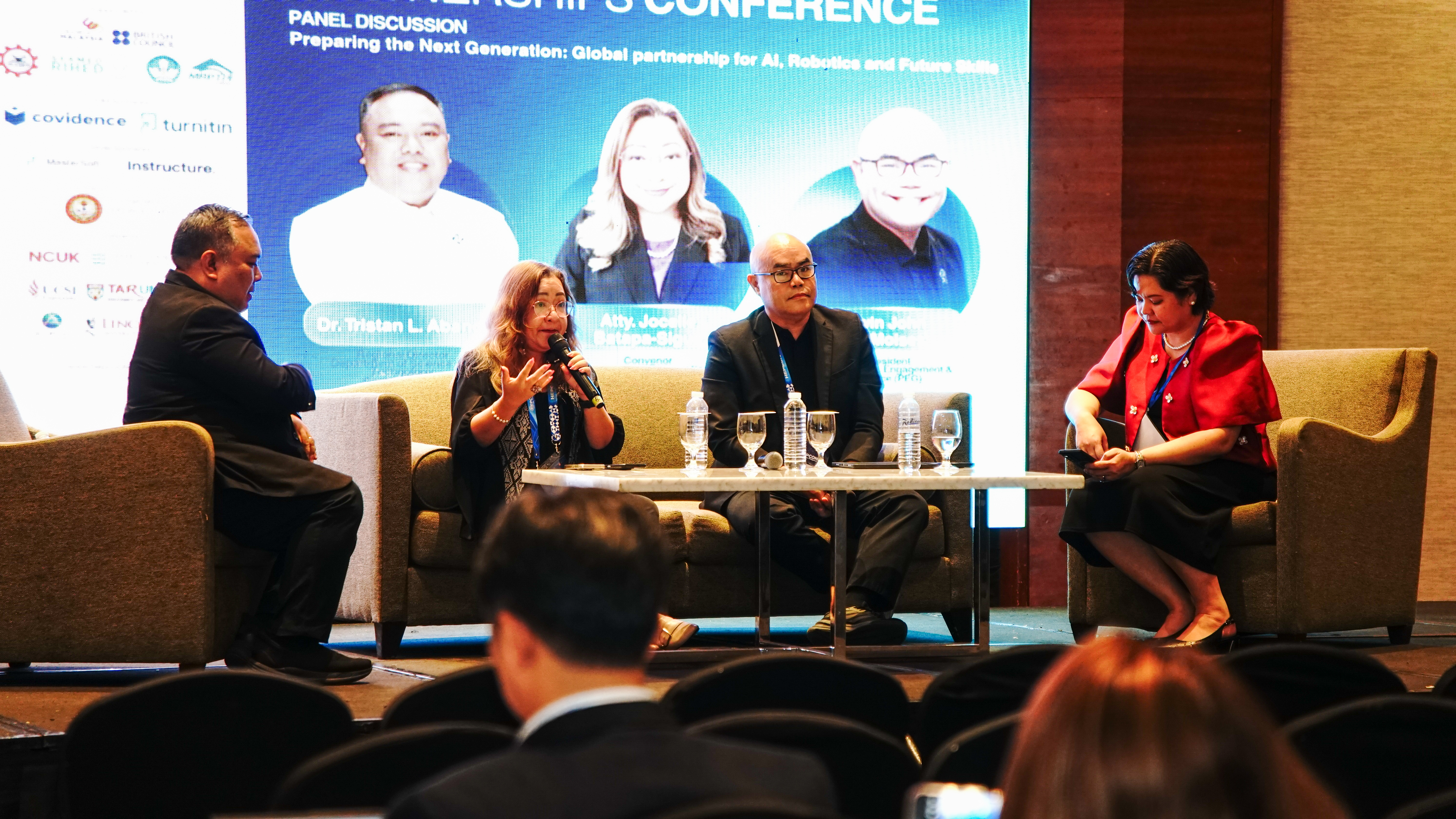
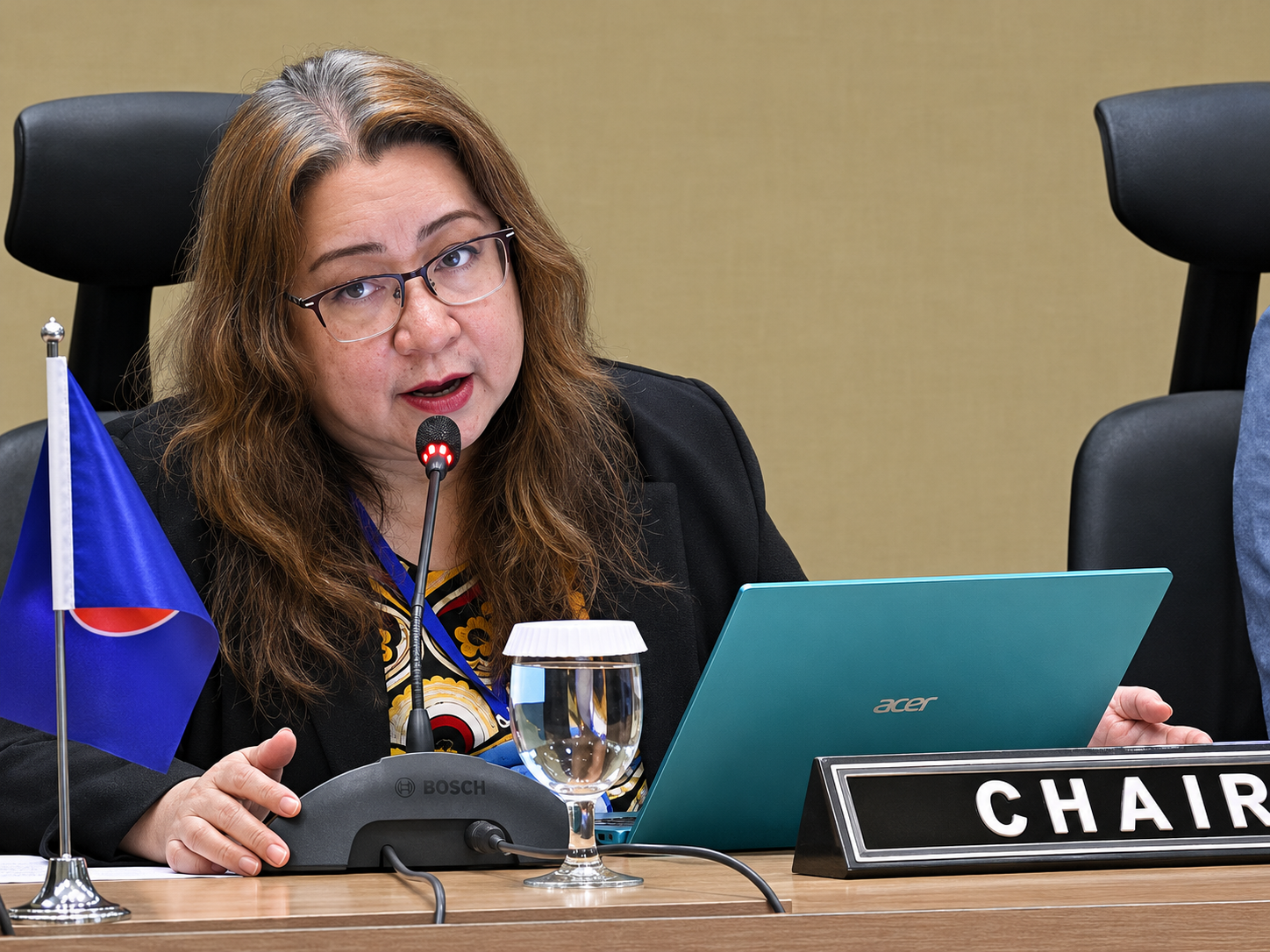
As Undersecretary for ICT Industry Development of the Department of Information and Communications Technology (DICT), Jocelle Batapa-Sigue served as Chair of the ASEAN Digital Senior Officials’ Meeting (ADGSOM), helping steer regional discussions and cooperation on digital transformation, digital inclusion, innovation ecosystems, cybersecurity, digital skills development, startup growth, and women’s participation in the digital economy across ASEAN. She supported the implementation of the Philippines’ priorities under the ASEAN digital agenda and advanced collaboration among ASEAN Member States toward a sustainable and inclusive digital future.
Sources and further reading
The article’s statistical claims and comparative observations are grounded in the following sources:
- Philippine Statistics Authority, Age and Sex Distribution in the Philippine Population (2024 Census of Population), released July 17, 2026.
- UNCTAD / Invest ASEAN, ASEAN Foreign Direct Investment, 2025, using the World Investment Report 2026.
- International Monetary Fund, IMF Staff Completes 2026 Article IV Mission to the Philippines, September 25, 2026.
- OECD, Economic Surveys: Philippines 2026, covering institutional reform, productivity, fiscal governance, education, and climate resilience.
- World Bank, Philippines Country Overview, including economic performance and development priorities.
- WorldRiskIndex 2025, as referenced in the Philippine country profile presented through the Asian Disaster Reduction Center.
Editorial note: The demographic figures use the latest released PSA census results rather than the older median-age estimate of 25. The article also avoids assigning a precise 20–30-year aging transition to the Philippines without a verified country-specific projection. As an opinion article, its judgments on political incentives, institutional weaknesses, and reform priorities are presented as arguments, not as findings about particular officials.