A globally recognized model—ranked higly among 47 digital skilling initiatives—demonstrating how a nation can build an inclusive, demand-led, and regionally distributed digital talent economy
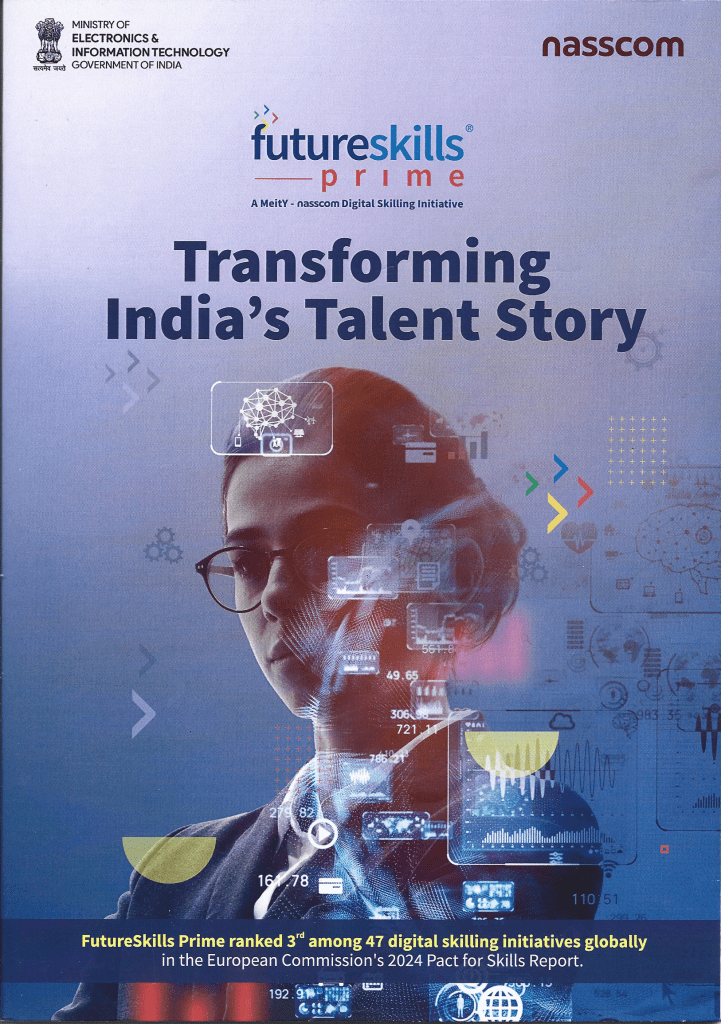
India’s FutureSkills Prime stands as a powerful proof that the future of national competitiveness will be shaped not only by infrastructure, investments, or technology platforms, but by how seriously a country develops its people for the demands of the digital age.
For the Philippines, the value of this model lies in its clear demonstration that digital transformation becomes more meaningful when skills development is treated as a shared national priority—one that connects government, industry, academe, and regional ecosystems in a common direction. It offers an important lesson for a country like ours: that with the right vision, coordination, and commitment to inclusion, the development of digital talent can become a decisive force in expanding opportunities, strengthening local economies, and preparing communities across the archipelago to participate more fully in the future of work.

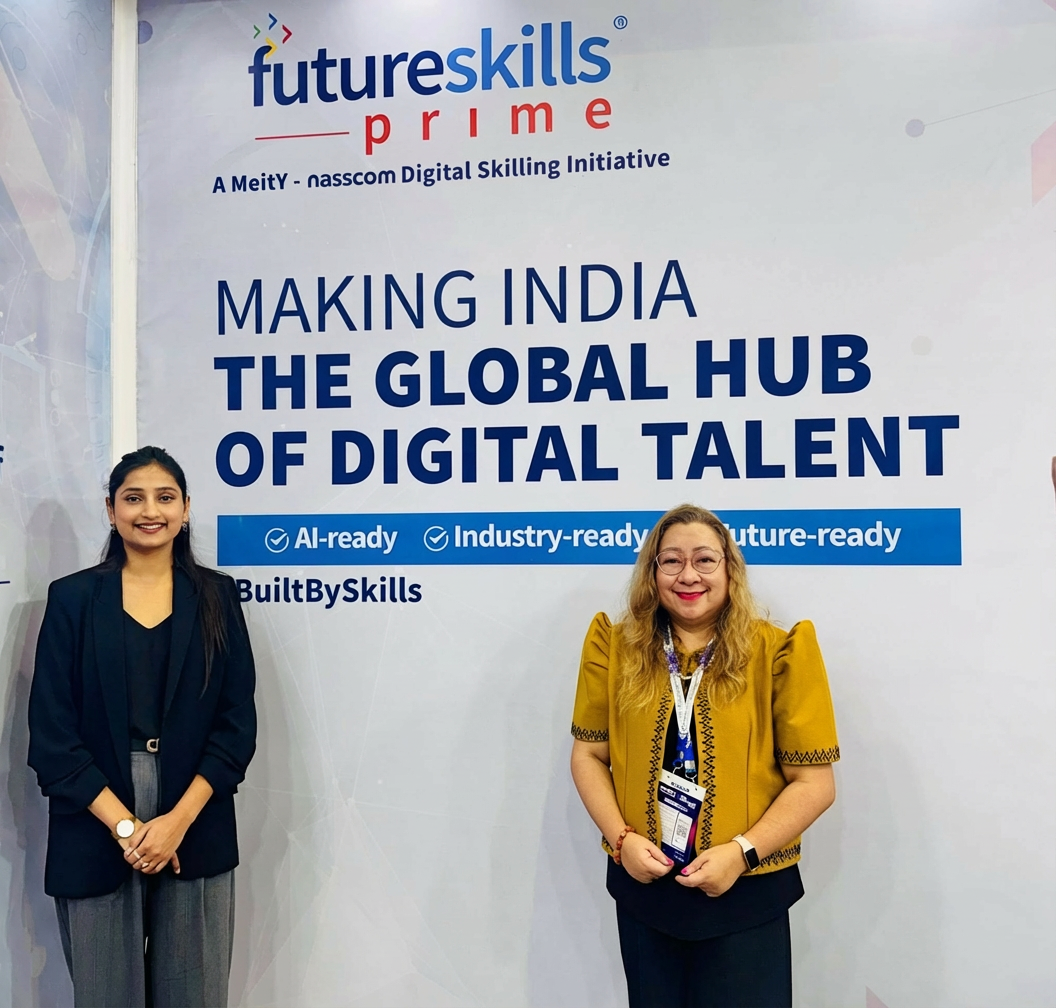
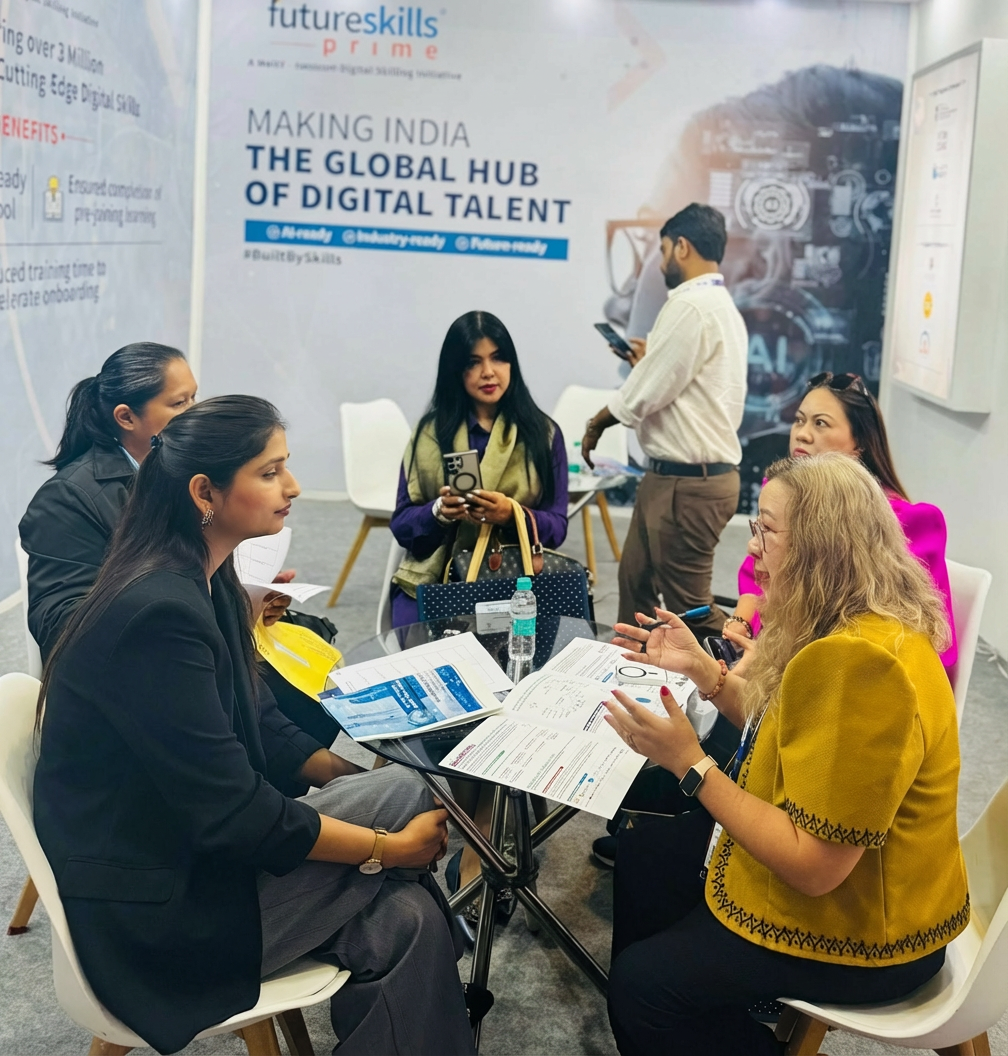
My recent engagement with the team behind NASSCOM’s FutureSkills Prime during IndiaSoft 2026 in New Delhi offered a valuable look at how strategic collaboration can shape a nation’s digital talent agenda with scale, precision, and long-term vision.
Recognized globally, FutureSkills Prime stands as a strong example of how government, industry, academe, and training partners can work in concert to build a future-ready workforce. The scale of the ecosystem is especially noteworthy, with over 3 million learners, more than 2,500 academic institutions, over 160 corporate partners, at least 95 training and content providers, and more than 12 state government partners contributing to a coordinated framework for skills development and employability. They represent a coordinated national effort to align education, industry, and governance toward a single objective: building a future-ready workforce.
Based on the European Commission’s 2024 Pact for Skills Report, which assessed 47 global upskilling and reskilling initiatives, FutureSkills Prime is recognized as a consistently high-performing model across multiple dimensions, particularly in its ability to deliver impact at the level of individuals, industry, and the broader economy, while being supported by strong enabling factors such as government alignment and multi-stakeholder collaboration. Rather than excelling in a single metric, the initiative demonstrates balanced performance across all major evaluation categories, reflecting a well-integrated ecosystem where training is directly linked to employment outcomes, industry demand, and national digital priorities. This positioning places it among the leading global examples of how digital skilling programs can be designed not only for scale, but for systemic and sustained impact.
For the Philippines, particularly in light of my work with cities and local ecosystems beyond Metro Manila to advance digital development and innovation, this model offers a highly relevant reference point for how talent, policy, and regional growth can be aligned as part of a broader national competitiveness strategy.
Further data reinforces the scale and depth of the initiative. Through its Talent Connect platform, the program has engaged more than 150 employers, facilitated over 150,000 customized job opportunities, and supported a talent pool exceeding 400,000 skilled learners actively matched to industry demand. These figures demonstrate that FutureSkills Prime is not confined to training alone; it is an end-to-end system that integrates learning, certification, and employment.
What makes these numbers particularly significant is the structure behind them. The ecosystem is not loosely connected but tightly integrated. Academic institutions introduce students to digital careers early. Training and content providers ensure that learning materials remain aligned with industry standards. Corporate partners contribute insights, define demand, and validate competencies. Government partners provide policy support and enable scale. Each component is designed to reinforce the others, creating a system that is both resilient and adaptive.
This level of coordination reflects a fundamental shift in how workforce development is approached. It moves away from fragmented interventions toward a holistic model that treats talent development as a national priority. In this sense, FutureSkills Prime is not simply a program; it is a manifestation of strategic intent.
The demand-led nature of the initiative is particularly noteworthy. By aligning certification programs with real industry needs, the system ensures that learners acquire skills that are immediately relevant. This is further strengthened by the integration of NASSCOM certifications with national frameworks, allowing learners to earn credits that are recognized within the formal education system. The result is a seamless pathway from learning to employment, supported by a robust infrastructure that connects all stakeholders. I have been following Nasscom for two decades as a purpose-driven association that works with industry, government, and academia to position India as a trusted hub for products, talent, and impact.
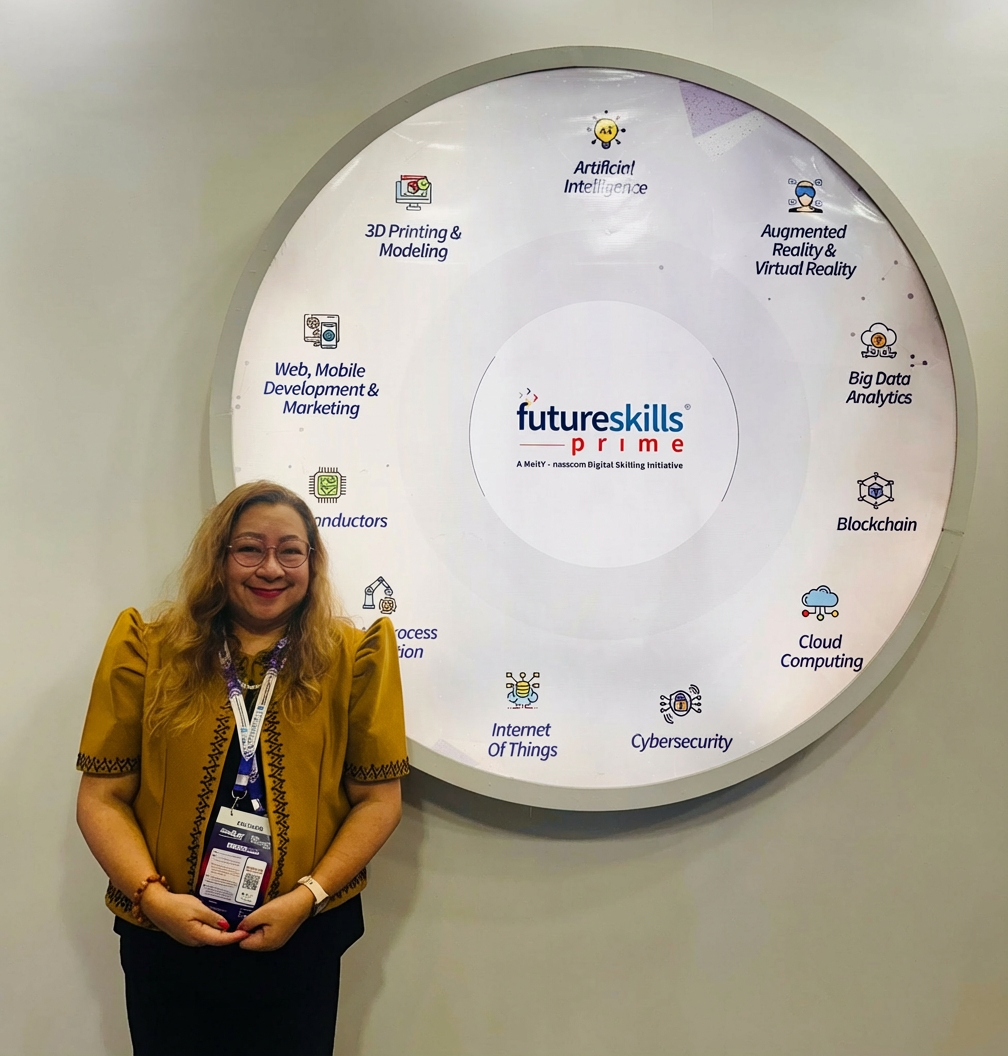
The range of skills covered under FutureSkills Prime also reflects a forward-looking perspective. On the technical side, the program encompasses artificial intelligence, generative AI, cybersecurity, blockchain, cloud computing, big data analytics, and the Internet of Things. These are complemented by professional competencies such as design thinking, product management, digital leadership, problem-solving, and communication. This dual focus acknowledges that the future of work requires not only technical expertise but also the ability to navigate complexity and collaborate across disciplines.
The integration of global industry partners further enhances the credibility and relevance of the program. Content and certification pathways are supported by leading technology companies such as Microsoft, Google, Amazon Web Services, Cisco, Salesforce, ServiceNow, and Accenture. This ensures that learners are not only trained in theory but are exposed to tools and platforms that are widely used in the global market. It also strengthens the link between local talent and international opportunities.
Equally important is the integration of FutureSkills Prime into India’s national policy framework. The program is embedded within the broader Digital India initiative and has received approval at the highest levels of government, including the Union Cabinet. This alignment ensures that the program benefits from sustained political support, adequate funding, and institutional continuity. It also enables the scaling of successful models across different regions, ensuring that the benefits of digital transformation are widely distributed.
The concept of a digital talent supply chain, as articulated in the materials, provides a useful framework for understanding how these components interact. Learners enter the system through academic institutions and training programs. They acquire skills through structured courses and certifications. Their competencies are validated through industry engagement. They are then connected to employment opportunities through platforms such as Talent Connect. This end-to-end process transforms workforce development from a linear pathway into a dynamic ecosystem that continuously adapts to changing conditions.
Reflecting on these insights, it becomes clear that the Philippine context presents both challenges and opportunities. Over the past decade, I have had the privilege of working closely with local government units and cities across the country, particularly outside Metro Manila. Through initiatives such as the Digital Cities program, regional ICT summits, and various countryside development efforts, we have sought to build local ecosystems that can support digital jobs and innovation.
These engagements have revealed a consistent pattern. Cities in regions such as Western Visayas, Central Visayas, Northern Mindanao, and other emerging hubs possess strong potential. They have young populations, growing educational institutions, and local leadership that is increasingly open to digital transformation. However, they also face structural constraints, including limited access to industry networks, fragmented training initiatives, and the absence of integrated platforms that can connect talent with opportunities.
In many major cities in the Philippines, for instance, collaborations with ICT councils and local stakeholders have demonstrated the viability of building a digital workforce outside traditional urban centers. Initiatives focused on skills development, industry engagement, and community building have shown that countryside cities can become competitive players in the digital economy. Similar experiences in other regions reinforce this conclusion. The challenge is not the lack of talent but the lack of systems that can nurture and deploy that talent effectively.
This is where the lessons from FutureSkills Prime become particularly relevant. The emphasis on integrating academic institutions, industry partners, and government stakeholders aligns closely with the approach we have pursued in the Philippines, albeit at a smaller scale. The difference lies in the level of coordination and the availability of platforms that can unify these efforts.
The Philippine experience demonstrates that local governments can play a pivotal role in driving digital transformation. By creating enabling environments, supporting skills development initiatives, and fostering partnerships with industry, LGUs can catalyze the growth of local ecosystems. However, without a national framework that connects these local efforts, the impact remains limited. What is needed is a system that can aggregate these initiatives, standardize practices, and scale successful models across regions.
The Talent Connect model offers a particularly compelling example. In many of the cities I have worked with, one of the most persistent challenges is the disconnect between training and employment. Graduates complete courses but struggle to find opportunities that match their skills. Employers, on the other hand, report difficulties in identifying qualified candidates. A platform that can bridge this gap, supported by real-time data and industry participation, would significantly enhance the efficiency of the labor market.

The Philippine Digital Cities initiative, which I had the opportunity to help shape, already provides a foundation for this approach. By identifying and developing cities with strong potential for ICT growth, the program has created a network of emerging hubs that can support digital jobs. However, to fully realize this potential, it must be complemented by a national skilling platform that can provide standardized training, recognized certifications, and direct pathways to employment.
Another important insight from the Indian model is the focus on Tier 2 and Tier 3 cities, which is aligned with mission. This deliberate strategy to distribute opportunities beyond major urban centers resonates strongly with the Philippine context. Our own experience has shown that countryside cities can offer competitive advantages, including lower costs, high-quality talent, and strong community support. By leveraging these strengths, the Philippines can build a more inclusive and resilient digital economy.
The integration of data into workforce planning is another area where significant progress can be made. FutureSkills Prime leverages data to track learner progress, identify emerging skills, and align training with industry demand. In the Philippines, the development of a comprehensive data ecosystem for skills and employment would enable more informed decision-making and more effective program design. This aligns with ongoing efforts to promote data-driven governance and evidence-based policymaking.
The role of leadership in driving these initiatives cannot be overstated. Building a digital talent ecosystem requires not only technical expertise but also the ability to align diverse stakeholders around a common vision. It requires a commitment to continuous learning, adaptability, and collaboration. These are qualities that must be cultivated at all levels, from national policymakers to local government leaders.
The encounter with FutureSkills Prime reinforces the importance of viewing digital transformation as a systemic challenge. It is not sufficient to invest in infrastructure or training in isolation. What is required is a coordinated approach that integrates policy, education, industry, and technology into a cohesive framework. This is the essence of the ecosystem model.
For the Philippines, the path forward involves translating these insights into actionable strategies. This includes the development of a national digital skills platform that can integrate existing initiatives and provide a unified interface for learners, educators, and employers. It also involves strengthening partnerships with industry to ensure that training programs remain relevant and responsive to market needs.
Regional innovation hubs can play a central role in this strategy. By building on existing networks of ICT councils, academic institutions, and local governments, these hubs can serve as centers of excellence that drive innovation and skills development. They can also facilitate the exchange of knowledge and best practices, creating a networked ecosystem that supports continuous improvement.
Inclusive programs that target women, youth, and underserved communities must also be prioritized. The digital economy offers significant opportunities for empowerment, but these opportunities must be accessible to all. Initiatives that promote participation and address barriers to entry are essential for ensuring that the benefits of digital transformation are widely shared.
As I reflect on this engagement, I am struck by the alignment between the principles underlying FutureSkills Prime and the initiatives we have pursued in the Philippines. Both emphasize the importance of collaboration, inclusivity, and innovation. Both recognize the central role of skills in driving economic growth. The difference lies in the scale and integration of these efforts.
The challenge, therefore, is not to replicate the Indian model but to adapt its principles to the Philippine context. This requires a nuanced understanding of local conditions, a commitment to long-term planning, and the willingness to invest in systems that can sustain growth. It also requires a recognition that digital transformation is not a one-time effort but an ongoing process that demands continuous adaptation.
In closing, the encounter with NASSCOM’s FutureSkills Prime has provided valuable insights into how a nation can build a digital talent ecosystem that is both comprehensive and scalable. It has highlighted the importance of aligning stakeholders, integrating systems, and leveraging data to drive decision-making. It has also reinforced the need for leadership and vision in navigating the complexities of digital transformation.
For the Philippines, the opportunity is clear. By building on existing strengths, learning from global best practices, and committing to a coordinated approach, it can develop a digital workforce that is competitive, inclusive, and future-ready. The journey will require effort and collaboration, but the potential rewards are significant. In an increasingly digital world, the ability to develop and deploy talent effectively will be a defining factor in national success.
Systemic Constraints in the Philippine Digital Skills Ecosystem: Structural Weaknesses and Strategic Priorities for Reform
A clear-eyed evaluation of the Philippine context, when viewed against the framework used in the European Commission’s 2024 Pact for Skills Report, reveals that the challenge is not a lack of talent or intent, but the presence of structural impediments that limit the country’s ability to translate potential into scale, consistency, and sustained impact.
The European Commission’s 2024 Pact for Skills report evaluates initiatives using clear metrics across four dimensions: individual outcomes, company impact, economic contribution, and enabling system factors (stakeholders, funding, and policy framework).
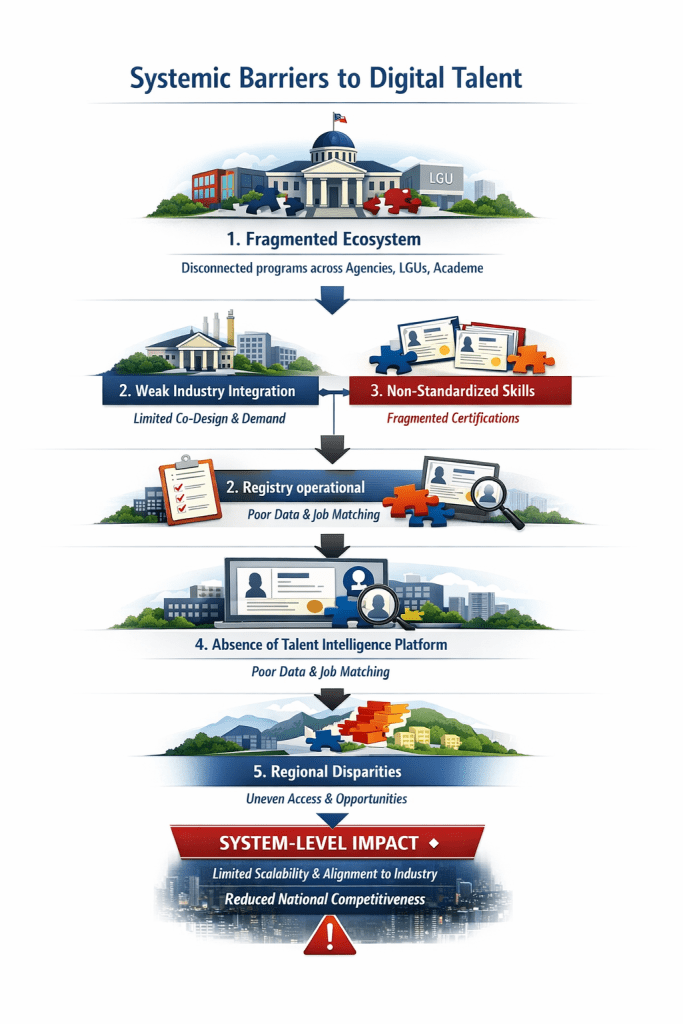
One of the most persistent constraints lies in the fragmentation of the skilling ecosystem. Programs exist across national agencies, local government units, academic institutions, and private sector initiatives, yet they often operate in parallel rather than as part of a unified system. This results in duplication of efforts, uneven standards, and missed opportunities for convergence. While many cities and regions have demonstrated strong initiative—particularly outside Metro Manila where local leaders are actively pursuing digital jobs and innovation ecosystems—the absence of an integrated national platform means that these efforts do not always accumulate into a coherent national advantage.
A second impediment is the limited institutionalization of industry participation in skills development. Although the IT-BPM sector and various ICT stakeholders are highly engaged, industry involvement is not yet consistently embedded in curriculum design, certification frameworks, and workforce planning across all regions. This creates a gap between training outputs and actual labor market demand, particularly in emerging fields such as artificial intelligence, cybersecurity, and data analytics, where skills requirements evolve rapidly. The digital economy extends far beyond the traditional IT-BPM sector, encompassing a dynamic ecosystem of digital entrepreneurs, startups, freelancers, creators, and innovation-driven enterprises that collectively shape a more inclusive and resilient future of work.
The Nasscom Talent Council is a strategic industry think tank formed to shape the future of India’s rapidly evolving tech talent landscape. In an era defined by AI, digital transformation, and global shifts in workforce models, the Council brings together the collective leadership of India’s top HR and talent strategists to co-create a resilient, inclusive, and globally competitive digital workforce.
Anchored in Nasscom’s mission to build a future-ready talent ecosystem, the Council serves as a critical platform to address the pressing challenges of skilling, employability, and workforce readiness—especially in the context of emerging technologies like Artificial Intelligence. The goal is to ensure India remains the global hub for technology talent, driving innovation and growth across the tech sector.
Closely related to this is the issue of a non-standardized national skills taxonomy and certification system. The Philippines has made progress through frameworks such as TESDA certifications and CHED programs, yet alignment across agencies, institutions, and industries remains uneven. As a result, learners may acquire skills that are not uniformly recognized or easily portable across sectors and regions, and employers may find it difficult to assess competencies at scale.
Another significant constraint is the absence of a robust, data-driven talent intelligence and job matching platform. While job portals and training registries exist, there is no fully integrated system that connects learners, training providers, and employers in real time, supported by analytics that can accurately and timely inform policy and investment decisions. This limits the country’s ability to anticipate skills demand, measure outcomes, and continuously refine programs based on evidence—an area where more advanced ecosystems have begun to demonstrate clear advantages.
The challenge of regional disparity also remains pronounced. While cities such as Bacolod, Iloilo, Cebu, and Davao have emerged as strong contributors to the digital economy, many other areas continue to face constraints in infrastructure, access to quality training, and exposure to industry opportunities. Efforts to promote countryside digital development have gained traction, yet scaling these initiatives requires deeper coordination between national policy and local execution, as well as sustained investment in both connectivity and human capital.
Equally important is the need for stronger policy continuity and long-term strategic alignment. Digital skilling initiatives often evolve within specific programs or leadership cycles, which can affect sustainability and scaling. A more institutionalized, whole-of-government approach—anchored in long-term national priorities—would help ensure that gains are not only achieved but consistently built upon.
Finally, there is the broader issue of embedding future-oriented and ethical dimensions into skills development, particularly in areas such as artificial intelligence governance, data privacy, and digital safety. While the Philippines has taken important steps in these areas, integrating them systematically into training programs across all levels will be essential in preparing a workforce that is not only technically capable, but also aligned with global standards of responsible and inclusive innovation.
Taken together, these impediments do not diminish the country’s strengths; rather, they clarify where strategic attention is needed. The Philippines possesses a young, adaptable, and globally competitive workforce, along with a growing network of cities and local ecosystems actively pursuing digital transformation. The opportunity now lies in addressing these structural gaps with the same level of coordination, intentionality, and scale demonstrated by leading global models, thereby positioning the country to fully realize the potential of its digital economy.
More links about FutureSkills Prime Here:
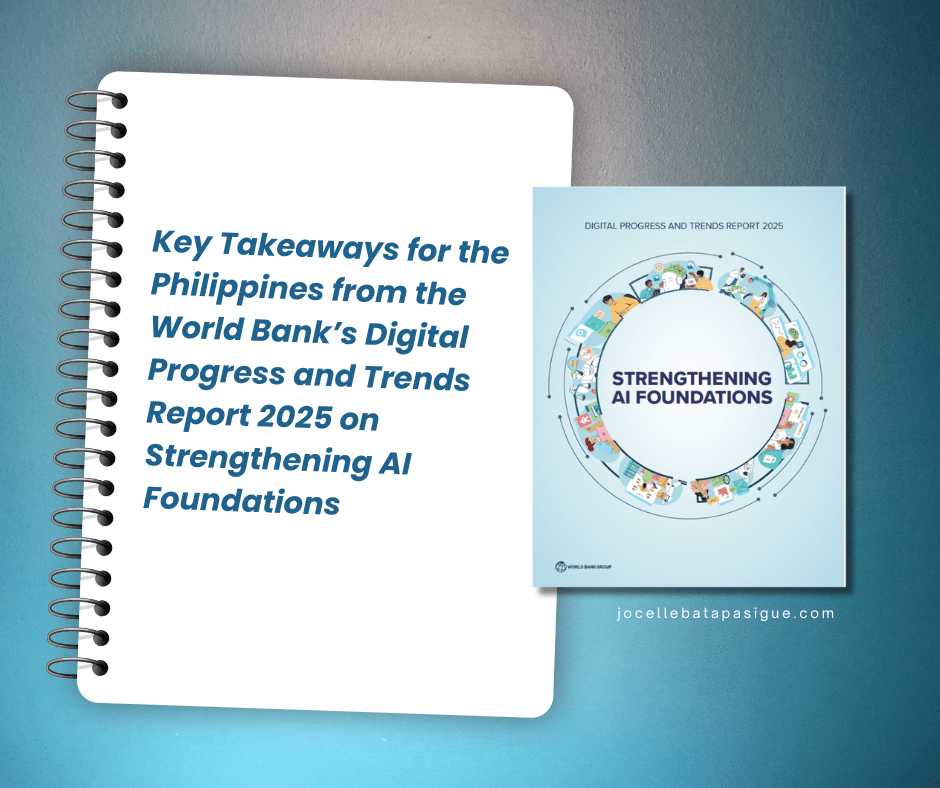
Report on Up- and Reskilling Policy Initiatives Supporting Pact for Skills


 Jocelle Batapa Sigue
Leave a comment