MANILA, PHILIPPINES, March 20, 2026 – The Pasig City Government, through its Gender and Development (GAD) Office, is the first local government unit to roll out Gabay Tech: Philippine Online Safety Support Portal. Led and developed by Development Gateway: An IREX Venture and IREX, in collaboration with government agencies, civil society, and academia, the platform offers Filipinos, especially women and girls, a clearer path to navigate online harms, report incidents, and connect with the right support services.
Gabay Tech was formally handed over to Pasig City on Tuesday, March 17, in Metro Manila, during a launch held in celebration of International Women’s Month. The initiative is part of the National Models for Women’s Safety Online (NMWSO).
The portal is now publicly accessible online at Gabay Tech.
The rollout comes after months of research, consultations, and multi-stakeholder discussions that revealed a common challenge among survivors of online abuse: many do not know where to turn, what laws apply to their situation, or how to begin documenting evidence.
“The survivors we spoke with often know that something harmful has happened to them online, but they are unsure where to turn, which laws apply, or what evidence to prepare. This uncertainty contributes to underreporting and leaves many individuals feeling alone in navigating digital harms,” Philippines Country Lead of Development Gateway Christine Sumog-oy said.
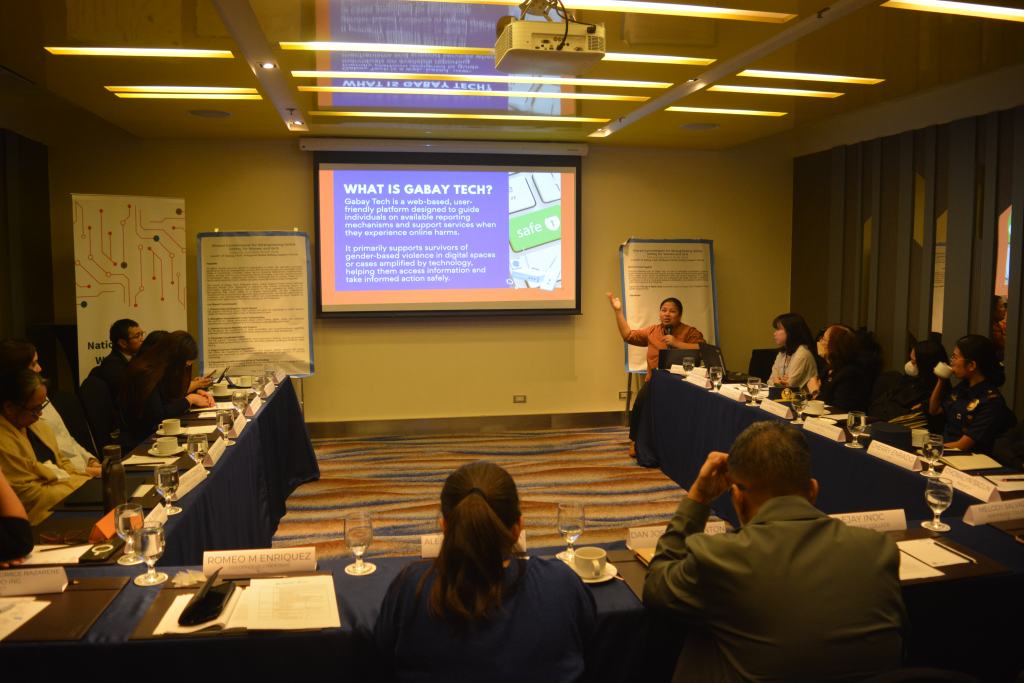
Designed as a practical online guide for people experiencing digital harm, Gabay Tech helps users understand the nature of the incident they are facing, identify where they can report it, learn what evidence to prepare, and access relevant support services. It does not provide legal advice, but serves as a referral and information portal that simplifies what is often an overwhelming and confusing process for survivors.
Her statement reflects a broader reality faced by victims of online abuse in the Philippines, where legal, technical, and institutional processes can be difficult to navigate, especially for women and girls dealing with harassment, threats, impersonation, privacy violations, or other forms of technology-facilitated abuse.
In her recorded message, Digital Innovation for Women Advancement (DIWA) Convenor gender rights advocate, lawyer and law professor Jocelle Batapa-Sigue lauded Pasig City for its willingness to embrace the solution and implement it in their city. Batapa-Sigue supported NMWSO as Digital Policy Specialist during from September 2025 to February this year.
Officials present during the launch said many victims hesitate to seek help because of fear, stigma, and the complicated nature of legal and reporting procedures.
“As a regulator in the processing of personal information and personal data, victims and survivors often feel hesitation, first, because of shaming and gaslighting by perpetrators, criminals, and other bad actors,” Information Technology Officer of the National Privacy Commission (NPC) Jonathan Rudolph Ragsag said in a mix of English and Tagalog.
He added that hesitation is also often caused by the lengthy process of the Philippine justice system, which may discourage complainants and weaken their hopes of securing justice.
Gabay Tech was developed to address these gaps by providing a clear and user-friendly starting point. Through a series of guided questions, the portal helps users better understand their situation and points them toward available legal, psychosocial, and institutional support.
Among the resources available through the portal are guidance on relevant Philippine laws related to online harassment and abuse, instructions on how to preserve and document evidence, information on reporting and content takedown options, mental health support services, and contact points for agencies such as the Department of Information and Communications Technology (DICT), the National Privacy Commission, and law enforcement bodies.
One of the platform’s key features is its accessibility. Gabay Tech is designed to be easy to use, available in local dialects, and open even to users who may be unfamiliar with legal terminology or formal reporting systems. It also does not require users to submit personal information. Instead, visitors are given a unique code that allows them to revisit their search history without creating an account or disclosing sensitive personal data.
The portal is also open-source, allowing other local government units and partner institutions to adopt, localize, and improve it over time. This feature is expected to support the long-term sustainability of the initiative and expand its use beyond Pasig City.
Pasig City officials said the platform will help improve frontline services by making referrals more efficient and reducing confusion among victims seeking assistance.
“It’s very helpful for frontline offices, especially in LGUs, because they no longer have to struggle as much; victims already know where to go,” said Jose Rey Espina, head of the Pasig City Gender and Development Office.

Espina said the city’s GAD Office sometimes receives reports involving cases that do not fall directly within its jurisdiction. In such situations, staff must often spend time redirecting complainants to the proper office or agency. With Gabay Tech, he said, residents will have better information even before approaching the LGU, helping them find the appropriate support channel faster.
Pasig City also plans to promote the use of the portal through awareness campaigns involving barangays, schools, civil society organizations, families, and community groups. According to Espina, the city also intends to provide feedback after implementation to help improve the platform further and make it easier for other LGUs to adopt.
National government officials welcomed the platform as a timely and practical response to the growing need for safer digital spaces.
“[Gabay Tech] also aligns perfectly with DICT’s vision that connectivity must move beyond simple access and focus on the quality of life that digital access enables,” said DICT Undersecretary for Policy and Legal Affairs Atty. Sarah Maria Q. Sison. “For women and children, this means being able to connect safely, confidently, and meaningfully.”
Her remarks framed the initiative not only as a protective mechanism, but also as part of a broader digital governance agenda. As more Filipinos rely on online platforms for work, education, communication, and public participation, officials say digital access must be matched by systems that protect users from harm and enable them to seek help effectively.
Referral service providers also said the portal could help improve the quality of initial responses received by survivors.
“We don’t really know the full referral pathways yet. We only know the basics,” said Eufrosina Dumlao of the Philippine Commission on Women – Inter-Agency Council on Violence Against Women and their Children (PCW-IACVAWC) Secretariat. “This portal can help educate referral services like us, because we don’t want it to be that when someone calls, texts, walks in, or emails us, all we can give them is a service provider’s contact number.”
She said the goal is for survivors to feel that when they reach out, the people assisting them are already equipped with practical information that can guide them beyond a basic referral.
Meanwhile, the Cybercrime Investigation and Coordinating Center (CICC) reaffirmed its commitment to coordinate with relevant law enforcement agencies in addressing cybercrime cases linked to online harm.
“The CICC shall definitely do its very best to coordinate with the proper law enforcement agencies in order to put a stop to these nefarious activities,” said Amado Teodolo Bautista II, alternate lead of the agency’s Gender Technical Working Group.
He also reminded the public that incidents involving cybercrime may be reported through the agency’s 24/7 hotline, 1326.
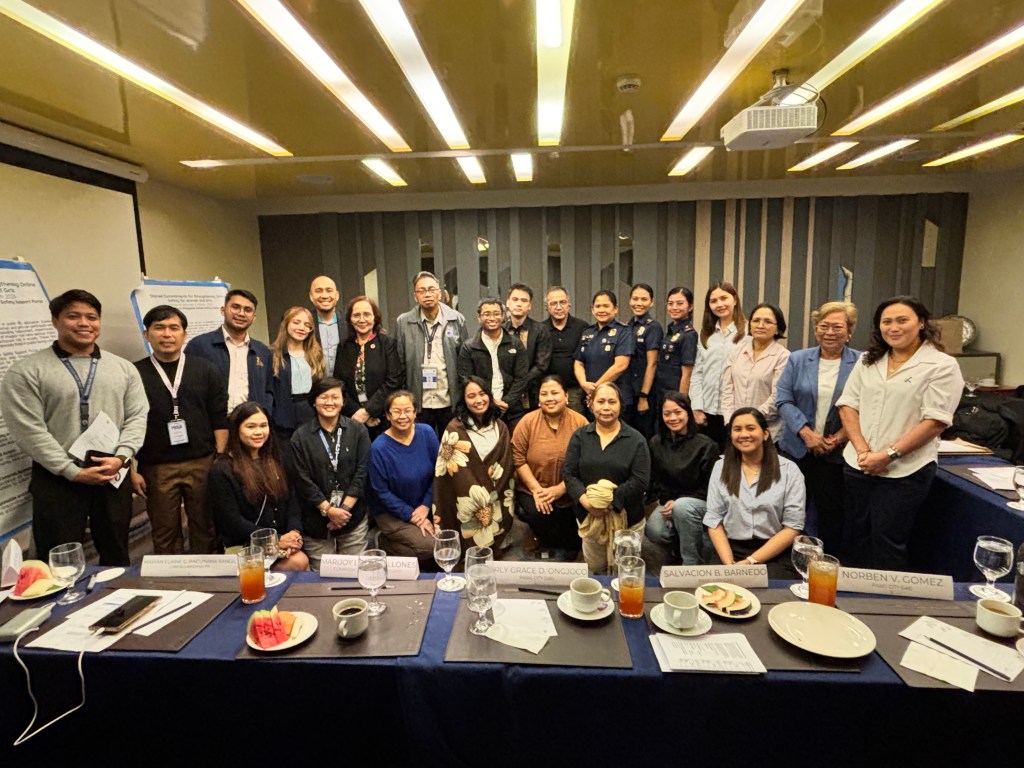
The launch gathered representatives from a broad coalition of institutions from government, civil society, and academe, highlighting the multi-sector nature of efforts to improve women’s online safety in the country.
Among those in attendance were representatives from the Pasig City GAD Office, PCW-IACVAWC, the Department of Justice – Office of Cybercrime, the PNP Anti-Cybercrime Group, the PNP Women and Children Protection Center, DICT, CICC, the Commission on Human Rights, CyberGuardians PH, the Foundation for Media Alternatives, Asia Pacific College, and other partner organizations.
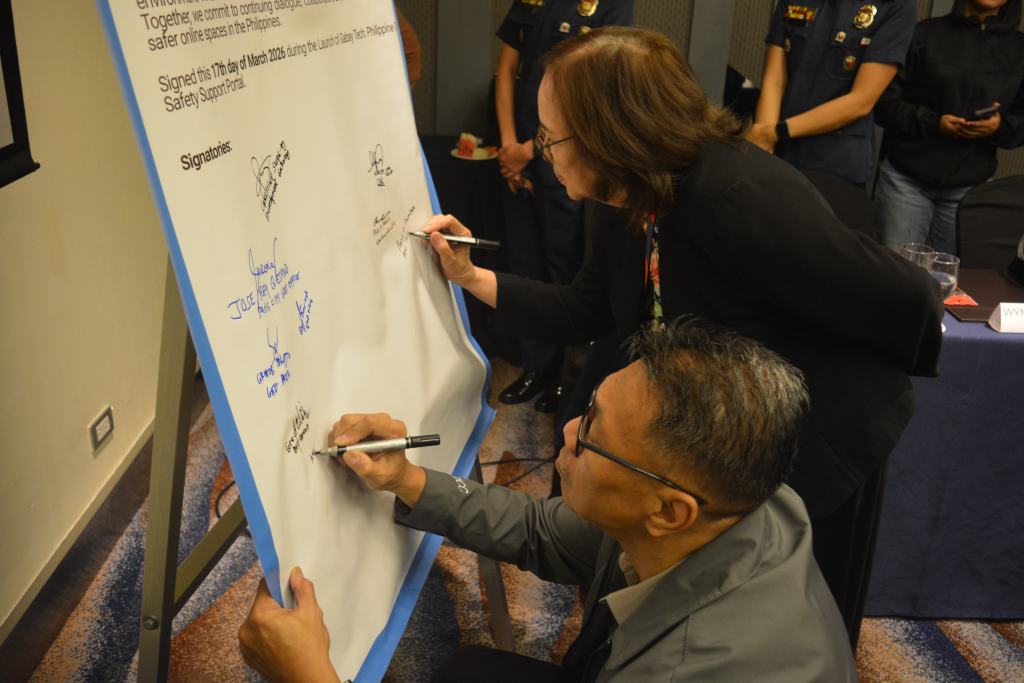
The event concluded with the signing of the “Shared Commitments for Strengthening Online Safety for Women and Girls,” a pledge among participating institutions to continue working together to promote safer digital spaces across the country.
With Pasig City serving as the first LGU to roll out the platform, proponents of Gabay Tech hope the initiative can become a model for other local governments seeking to improve support systems for survivors of online abuse.
As digital harms continue to evolve, officials and advocates say tools like Gabay Tech can play an important role in helping survivors find immediate guidance, navigate institutional processes, and access the support they need without feeling lost or alone.

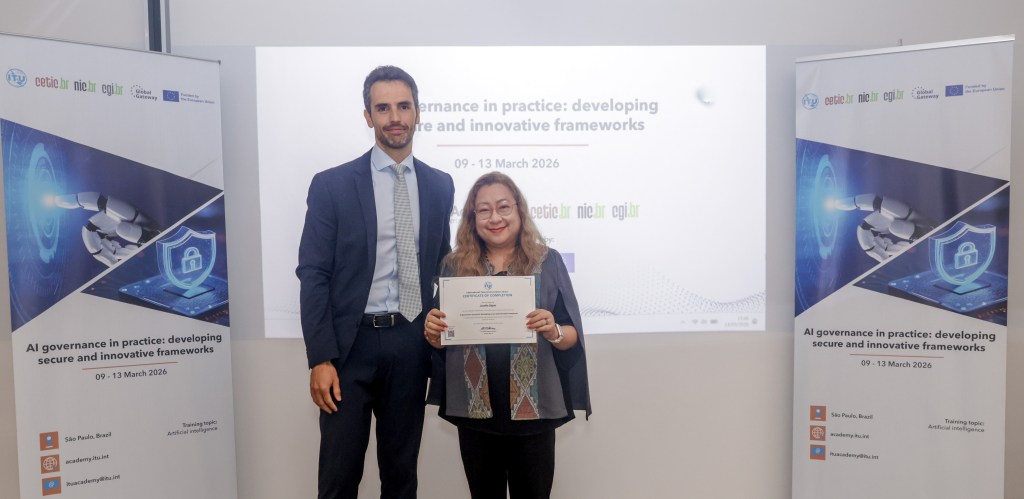

 Jocelle Batapa Sigue
Leave a comment