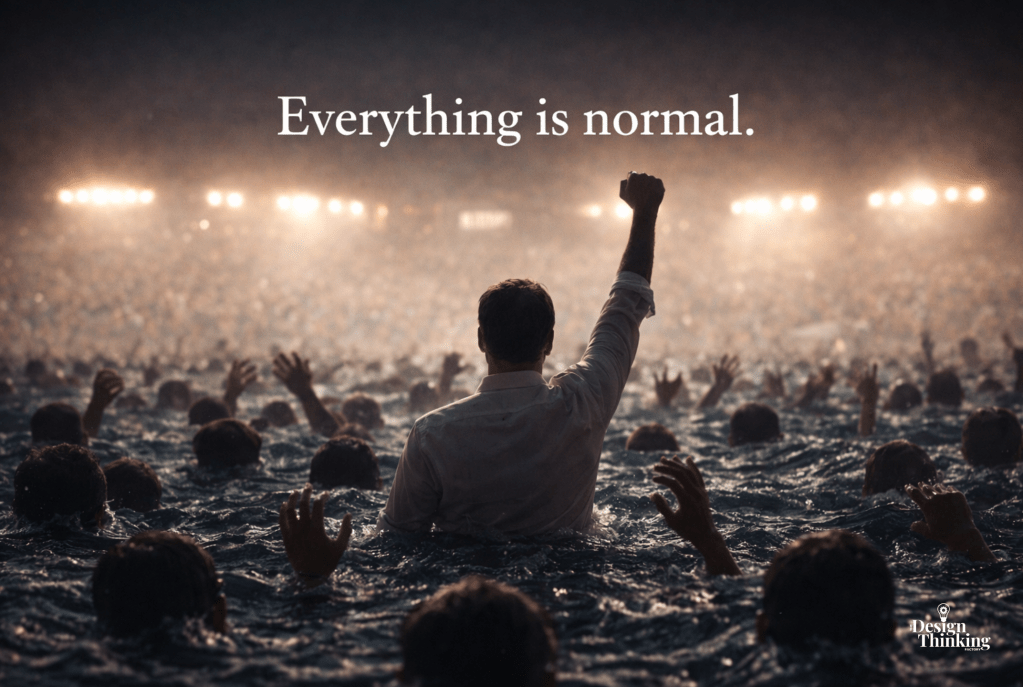
That is the lie we keep repeating until we no longer recognize how broken things really are.
We normalize corruption because everyone is doing it anyway.
We normalize incompetence because standards have become optional.
We normalize mediocrity because we are quick to attack those who try to rise, improve, and demand better.
We normalize poor government services because we have been conditioned to accept neglect as part of citizenship.
We normalize dole-outs and palliative solutions because they are easier to sell than real reform.
We normalize having weak political parties but powerful political dynasties.
We normalize institutions growing weaker while political leaders grow more powerful.
We normalize a society where the rich keep getting richer, have more power, get better treatment, and where poverty is treated as normal, and poor people are constant beneficiaries.
We normalize silence because we mistake obedience for peace and resignation for maturity.
We normalize small dreams because many Filipinos have been taught not to imagine beyond survival.
We normalize excuses because they are more comfortable than discipline.
We normalize falling behind other countries because we keep telling ourselves that this is simply our fate, that this is just how Filipinos are, that this is just how our country will always be.
We normalize conflict because solving it requires courage.
We normalize weak leadership because the system keeps rewarding the worst and exhausting the best.
We normalize government launching programs and holding ceremonies, even when nothing meaningful happens afterward.
We normalize dysfunction, delay, decay, and disappointment until they become part of everyday life.
And then we call it normal.
But none of this is normal.
It is tolerated.
It is repeated.
It is excused.
It is inherited.
And worst of all, it is defended.
That is how nations remain trapped: not only because corruption exists, not only because leaders fail, but because people are slowly taught to accept failure as culture, helplessness as identity, and underachievement as destiny.
When a people stop demanding better, the system stops pretending to serve them.
When wrong becomes ordinary, outrage disappears.
When mediocrity becomes comfortable, progress becomes threatening.
So no, everything is not normal.
We have simply become too used to what should have outraged us long ago.
And maybe that is the most dangerous thing of all:
not that the country is broken,
but that too many have learned to live as if brokenness is natural.
Let’s be careful about what we accept as normal—the next generation will be the one forced to live with these truths of our own doing.

 Jocelle Batapa Sigue
Leave a comment