
KABACAN, Cotabato Province — More than 1,500 students and teachers joined government officials, academic leaders, private sector partners, startups, innovators and community stakeholders at the Cotabato ICT Summit 2026, signaling Cotabato Province’s growing effort to strengthen its position in the digital economy.

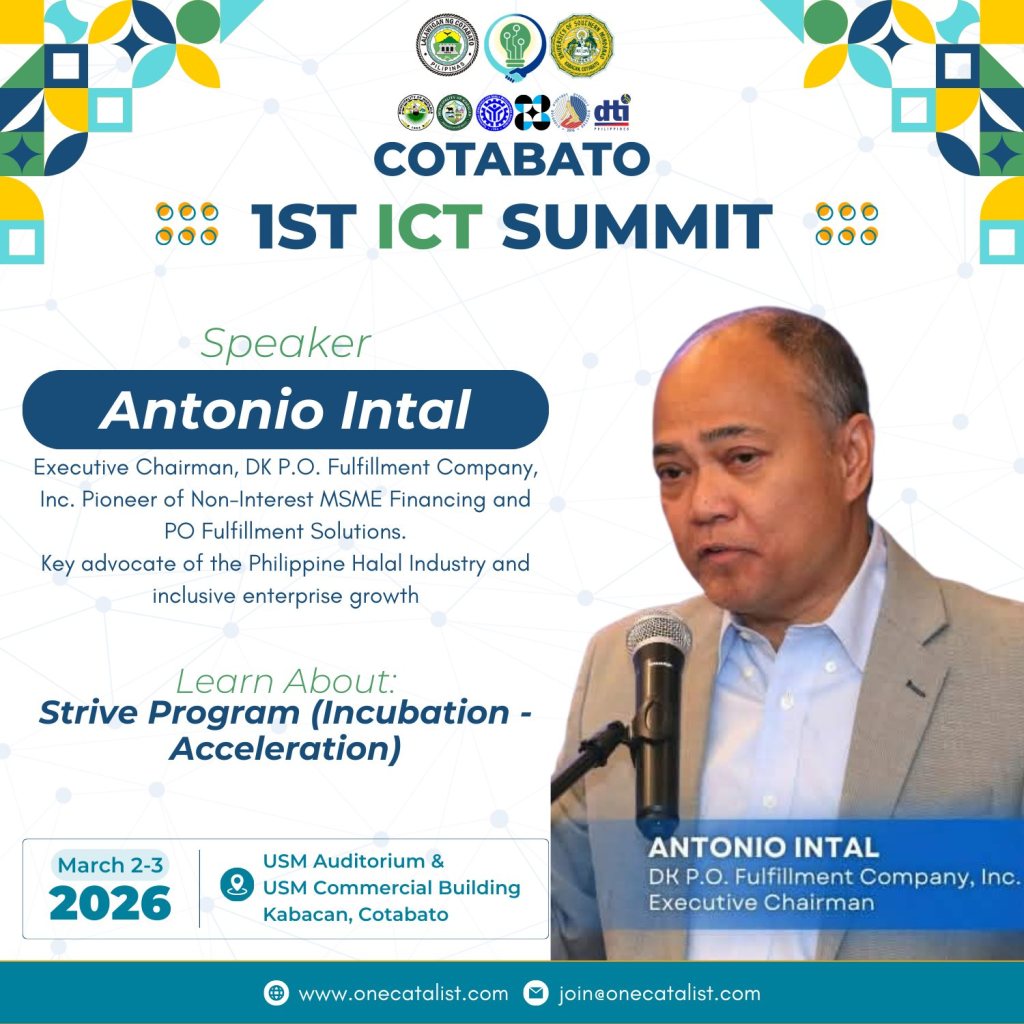
The 1st Cotabato ICT Summit, held on March 2 and 3, 2026 at the University of Southern Mindanao in Kabacan, brought together government, academe and industry leaders for a program on digital innovation and inclusive growth, opening with remarks from Jeanette “Pam” Lemana-Toledo, EMBA, DPO, president and chair of CATALIST; a welcome address from Dr. Jonald Pimentel; and messages from Governor Emmylou Taliño-Mendoza, MNSA, Vice Governor Rochella Marie Taray, and Mayor Evangeline Pascua-Guzman; the summit’s main sessions included Atty. Jocelle Batapa-Sigue, former DICT undersecretary for ICT Industry Development, on building Cotabato’s digital workforce ecosystem, Antonio Intal, CPA, on the Strive Program for incubation and acceleration, Michael Aguirre, CPA, on automation through the Babylon2k story, Peng Sumarago on emerging technologies and startup technopreneurship, Jon Sta. Ana on sustainable connectivity for Mindanao, Wilmark Econar on artificial intelligence in digital marketing, Lord Dalinas on building the human firewall and developing cyber leaders, and Roland Suico on leadership and talent development for a future-ready digital ecosystem, with Rizle Hilbero and Marie Cris Cane-Molina serving as introducers, moderators and hosts, alongside booths and exhibits, a pitching competition, a memorandum of agreement signing, and the participation of more than 1,500 students.
Hosted by the University of Southern Mindanao, the summit served as a platform for discussions on digital transformation, workforce readiness, innovation and ecosystem-building. It also highlighted the emerging role of CATALIST, the Cotabato Academe-Private Sector Technology Alliance for Learning, Innovation, Science and Technopreneurship, as a coordinating platform for long-term digital development in the province.
In her opening message, Jeanette “Pam” L. Toledo, EMBA, DPO, president and chair of CATALIST, described the summit as a turning point in Cotabato’s effort to move from discussion to implementation.
“What started as a bold vision has now become a living movement,” Toledo said. “From conversations to collaborations, from ideas to actionable plans, we are witnessing the birth of something greater than an event.”
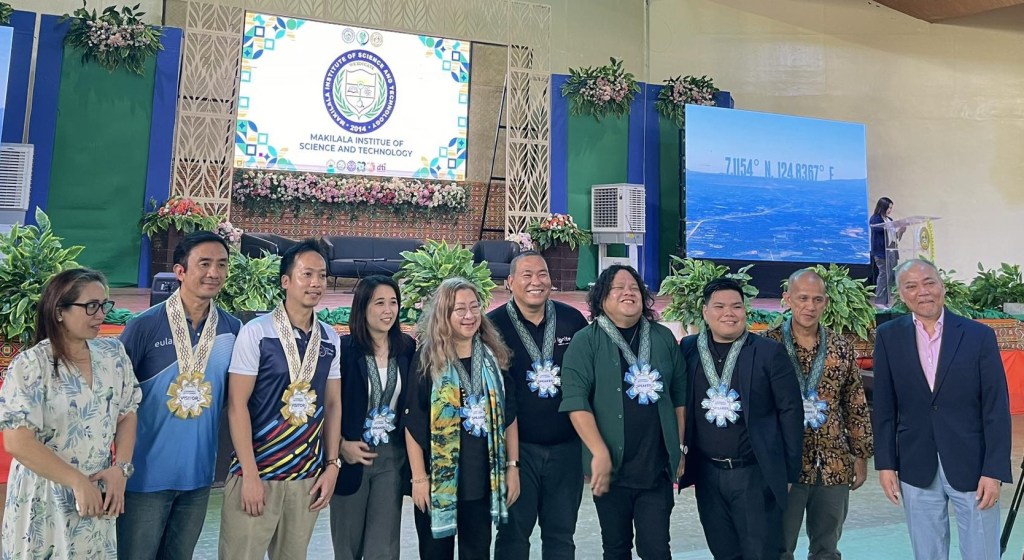
One of the summit’s notable developments was the introduction of CATALIST, the ICT Council of Cotabato, which Toledo presented as a mechanism for advancing programs, policies and partnerships related to digital development.
The message from organizers was clear: digital transformation cannot be treated solely as a matter of infrastructure, software or connectivity. While those remain necessary, speakers emphasized that lasting progress depends on people, institutions and sustained collaboration.
“Technology alone does not transform communities. People do,” Toledo said.
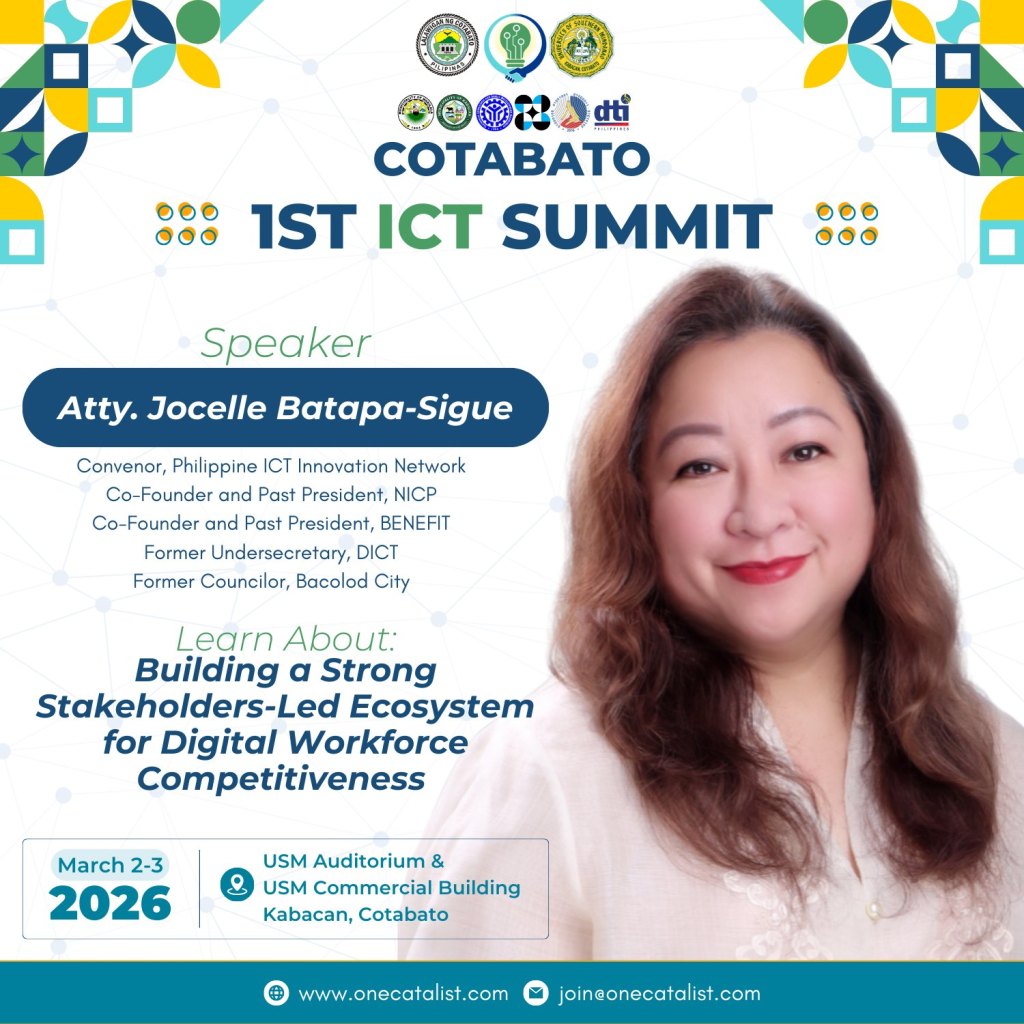
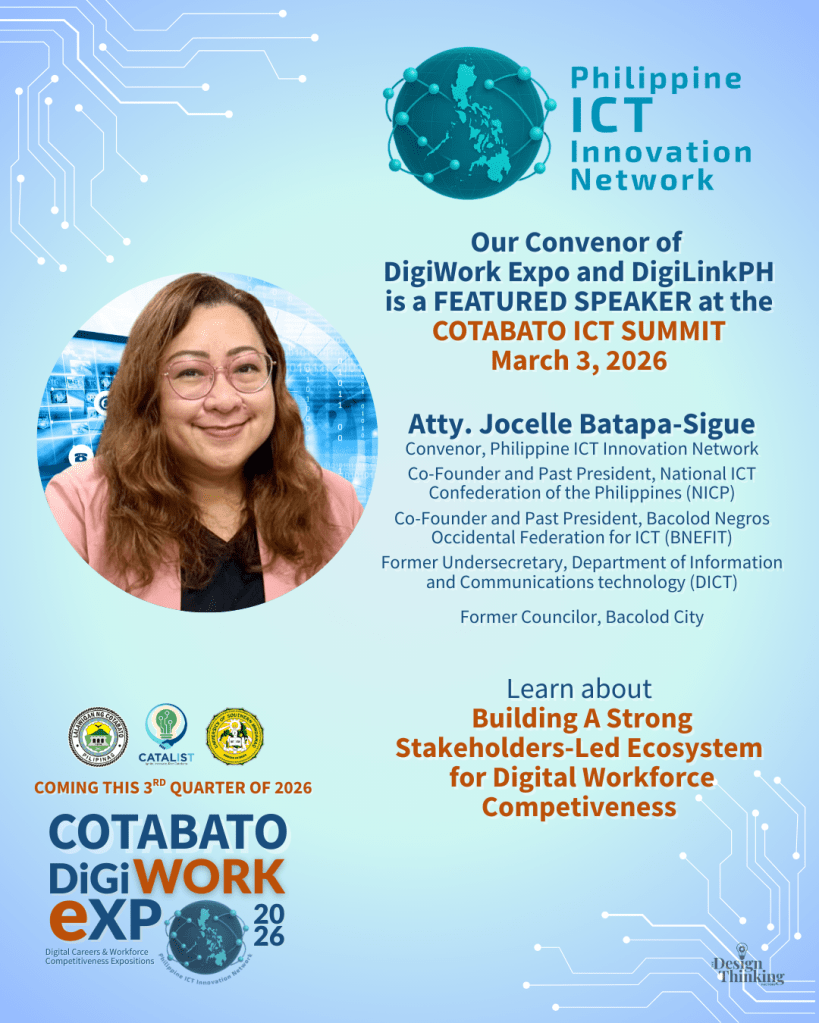
That position was reinforced by Atty. Jocelle Batapa-Sigue, former undersecretary for ICT Industry Development at the Department of Information and Communications Technology (DICT) and a member of the Digital Innovation Board of the International Telecommunication Union’s Innovation and Entrepreneurship Alliance for Digital Development. Batapa-Sigue presented a framework linking education, policy, entrepreneurship, talent development, research and technology.
Her central argument was that education should be treated as a driver of innovation, but not in isolation. Provinces seeking to build a stronger role in the digital economy, she said, need integrated ecosystems rather than fragmented interventions.
“For the longest time, opportunities seemed centralized in urban cities in Metro Manila,” Batapa-Sigue said. “Access, exposure, innovation ecosystems — they often felt distant from provinces like ours.”
Her remarks placed Cotabato’s ambitions within a broader national context, where innovation infrastructure, startup capital and digital job opportunities have often been concentrated in major urban centers. Provincial communities, by contrast, have frequently faced weaker networks, fewer resources and more limited access to advanced training and investment.
Toledo echoed that point by describing Cotabato as a province with strengths that extend beyond agriculture, including talent, resilience, creativity and untapped digital potential.
That broader context helps explain why Atty. Jocelle Batapa-Sigue’s session on building a digital workforce ecosystem resonated strongly with the summit’s goals. As former DICT undersecretary for ICT Industry Development and a member of the Digital Innovation Board of the International Telecommunication Union’s Innovation and Entrepreneurship Alliance for Digital Development, Batapa-Sigue brought to the event a perspective shaped by both national policy work and ecosystem-building efforts across regions. Her message that provinces need integrated ecosystems rather than fragmented interventions speaks directly to one of the country’s recurring development problems: the gap between talent and opportunity.
Batapa-Sigue’s public advocacy has long emphasized that the countryside should not be treated merely as a reservoir of labor for cities. Her work has pushed for conditions in which digital jobs, innovation platforms and entrepreneurial pathways can be built locally. That is also where her support for Republic Act No. 11927, or the Philippine Digital Workforce Competitiveness Act, becomes relevant in a national context. The law establishes a stronger legal basis for digital skills development, entrepreneurial training and national coordination around workforce competitiveness. In Batapa-Sigue’s framing, measures such as RA 11927 matter because they move digital workforce development beyond isolated pilot programs and into the sphere of formal public policy. Her efforts to campaign for stronger digital workforce support, as well as her role in starting the DigiWork Expo, align with that same objective: building wider public awareness and coordinated action around the future of work.
Batapa-Sigue designed DigiWork Expo to help build wider awareness, partnerships and action around digital jobs and skills. In her policy framing, RA 11927 is significant because it gives the national government a formal mandate to strengthen Filipino workers’ digital and entrepreneurial competencies, improve inter-agency coordination, and expand access to opportunities for communities that are often left behind.
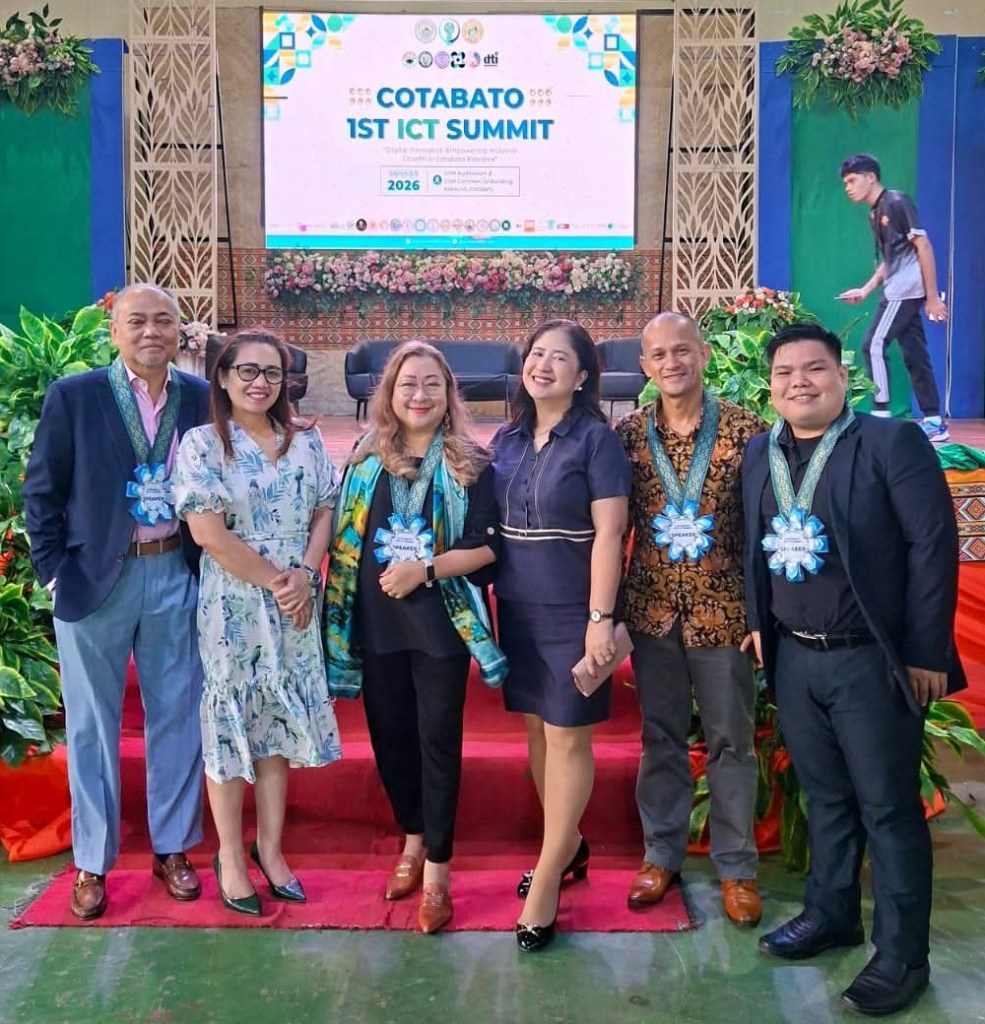
Batapa-Sigue also outlined the distinction between digitization, digitalization and digital transformation. She described digitization as the conversion of analog records into digital form, and digitalization as the redesign of processes through digital tools for efficiency. Digital transformation, she said, requires something broader: the alignment of people, institutions and policies for continuous innovation.
That distinction shifted the discussion away from technology procurement alone. A province may adopt digital tools and still fall short of transformation if public services are not redesigned, data is not used effectively, institutions remain fragmented, or workers are not equipped to manage change.
The summit also underscored the urgency of workforce development. Batapa-Sigue cited the growing impact of artificial intelligence, automation, data systems and digital platforms on jobs, and stressed that future readiness will require not only technical capability, but also adaptability, analytical thinking, resilience and continuous learning.
The summit also framed digital transformation as an inclusion issue. Toledo said ICT should be applied to sectors such as agriculture, governance, education, healthcare and micro, small and medium enterprises, with the broader goal of ensuring that people in the countryside have access to the same opportunities increasingly associated with urban centers.
In her written message, Vice Governor Rochella Marie “Ella” Taliño Taray, vice governor of Cotabato Province and Region 12 director of the League of Vice Governors of the Philippines, said the summit reflected Cotabato’s readiness to pursue inclusive digital development.
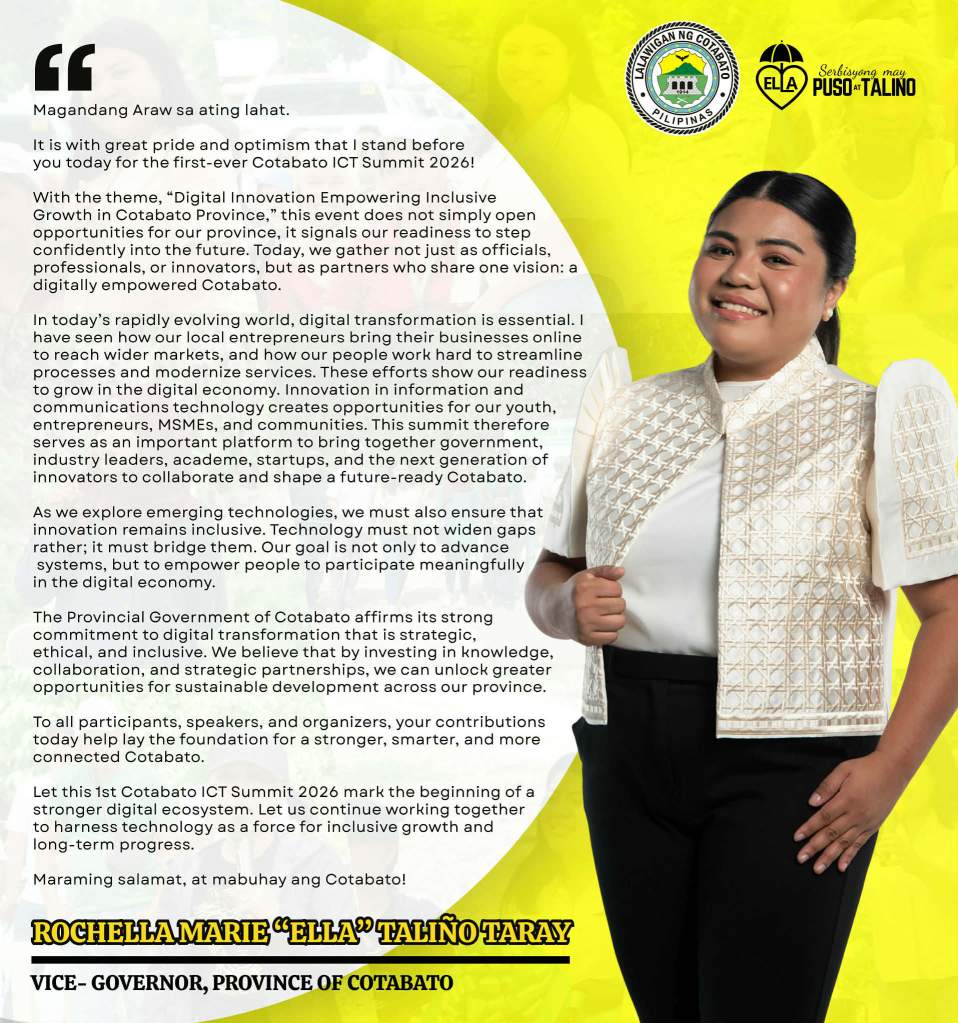
“With the theme, ‘Digital Innovation Empowering Inclusive Growth in Cotabato Province,’ this event does not simply open opportunities for our province, it signals our readiness to step confidently into the future,” she said.
Taliño Taray also emphasized that innovation should not deepen existing inequalities.
“Technology must not widen gaps; it must bridge them. Our goal is not only to advance systems, but to empower people to participate meaningfully in the digital economy,” she said.
That governance signal becomes even more important when viewed against the realities faced by provinces outside major urban centers. In much of the Philippines, digital opportunities remain unevenly distributed. Metro Manila and a handful of major cities continue to dominate in terms of startup activity, major IT-BPM investment, advanced training opportunities and network effects. Provincial communities may have strong talent and high ambition, but they often lack the same density of opportunities. This imbalance is not only an economic issue. It is also a development and equity issue. When opportunities remain centralized, provinces become suppliers of talent rather than centers of innovation in their own right.
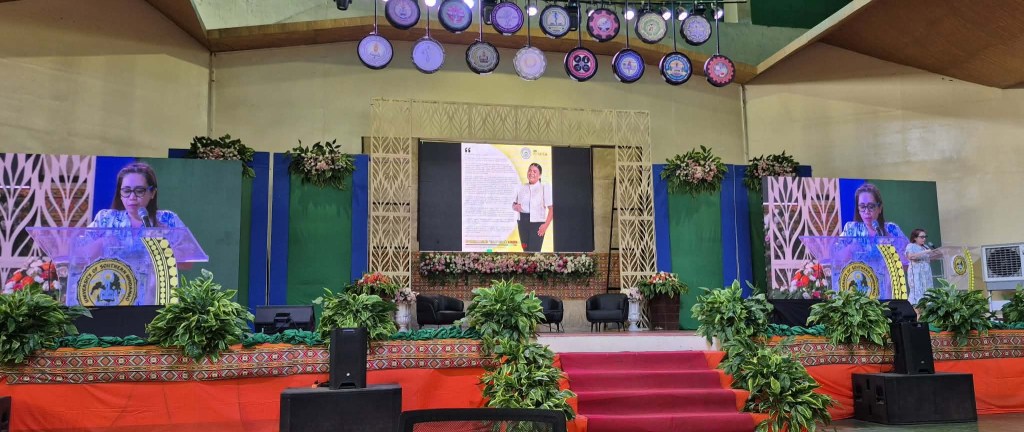
Another point emphasized during the summit was that Cotabato should not measure progress simply by replicating urban models. Speakers said the province should build according to its own conditions, sectors and strengths. That suggests a development approach anchored in local realities, including agriculture, emerging enterprises, young people and community-based needs.
Batapa-Sigue’s presentation also addressed the constraints affecting regional competitiveness, including skills mismatches between education and industry, limited access to advanced training, infrastructure gaps, employee turnover and funding shortages. She argued for stronger industry-academe partnerships, more integrated talent development systems, and sustained cross-sector collaboration. The formation of CATALIST and the ICT Council of Cotabato may prove important if they can provide continuity beyond one event and help coordinate previously disconnected actors.
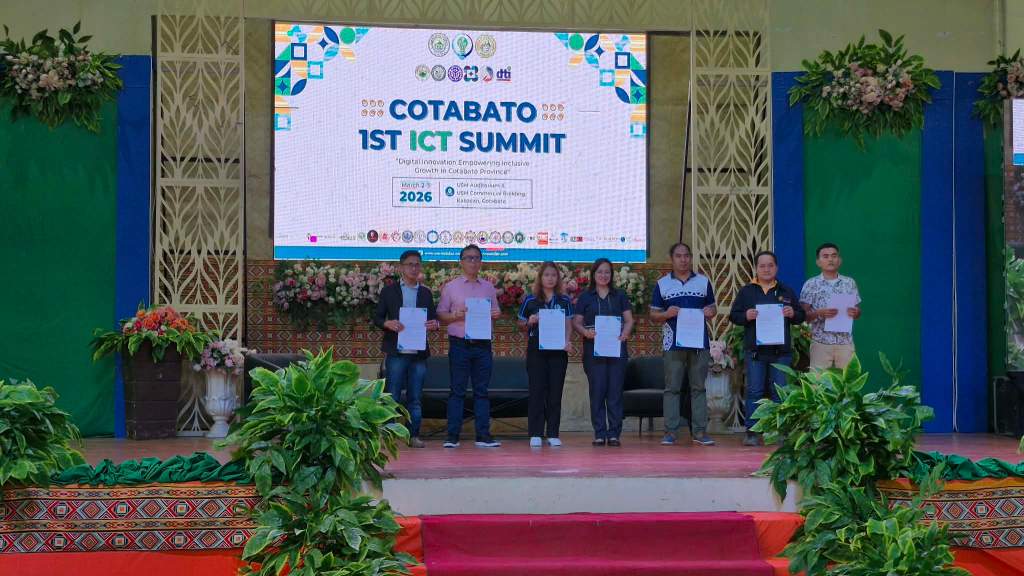
The summit also appeared to be part of a broader process rather than a standalone gathering, with organizers linking it to continuing efforts to build a more inclusive and sustainable digital development agenda in the province.
The Cotabato ICT Summit 2026 made the province’s digital ambitions more visible. The next stage will depend on whether local institutions can convert that momentum into practical outcomes, including stronger industry-academe linkages, better workforce preparation, improved public services and wider access to digital opportunities.
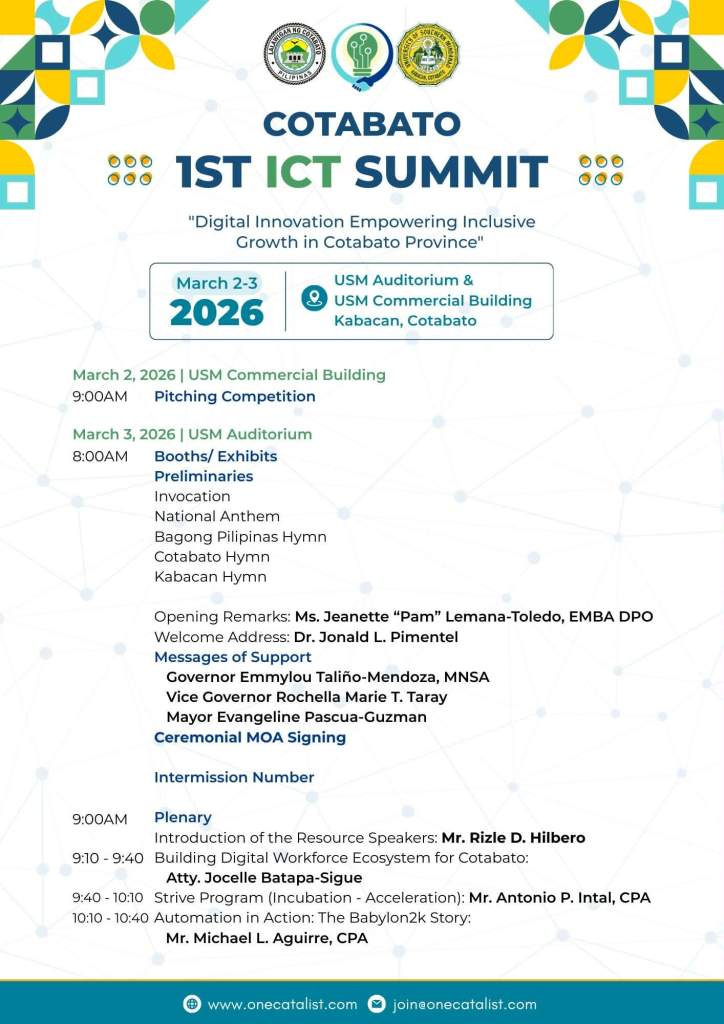
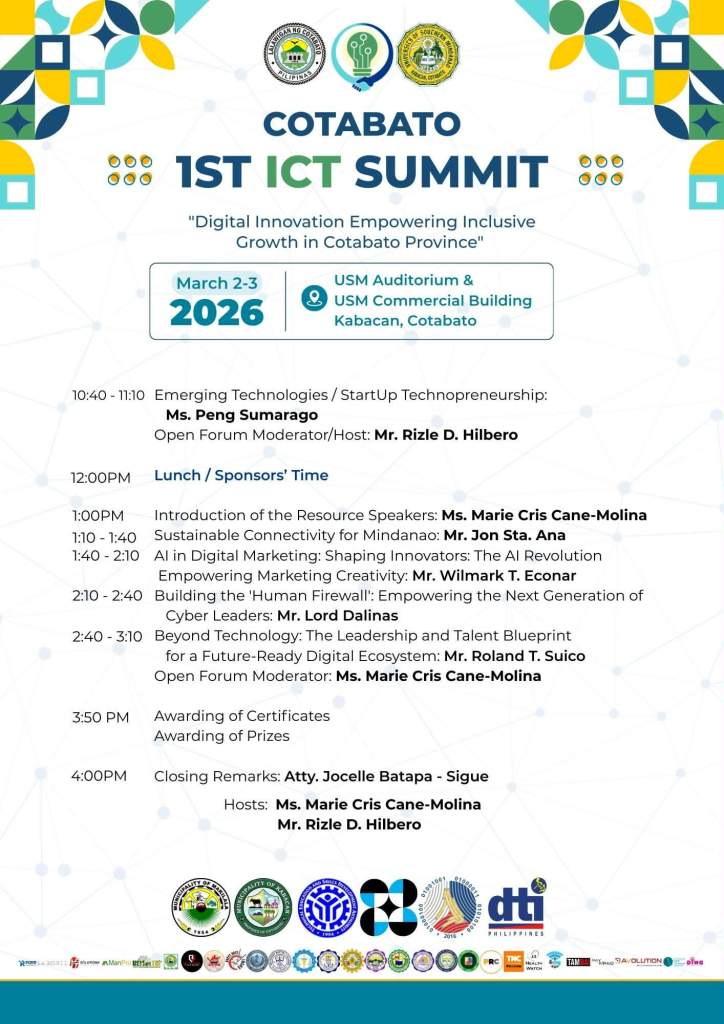
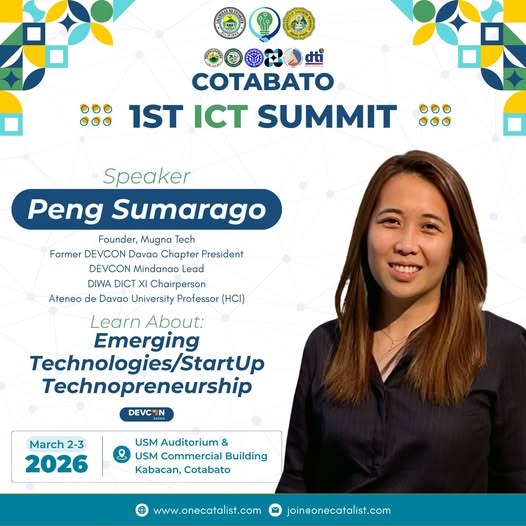
This is why the summit’s sessions on entrepreneurship, automation, connectivity, AI, cybersecurity and leadership mattered as a package rather than as separate topics. Antonio Intal, CPA brought in the perspective of incubation and acceleration through the Strive Program, highlighting the structures needed to support startups and developing enterprises. Michael Aguirre, CPA used the Babylon2k story to show how automation works in practice, grounding the concept in a business case rather than in abstract prediction. Peng Sumarago expanded the conversation into emerging technologies and startup technopreneurship, helping connect innovation to enterprise creation. Each of these sessions suggested that digital development is not just about employability. It is also about enabling people to create new ventures, improve existing businesses and use technology as a productive tool.
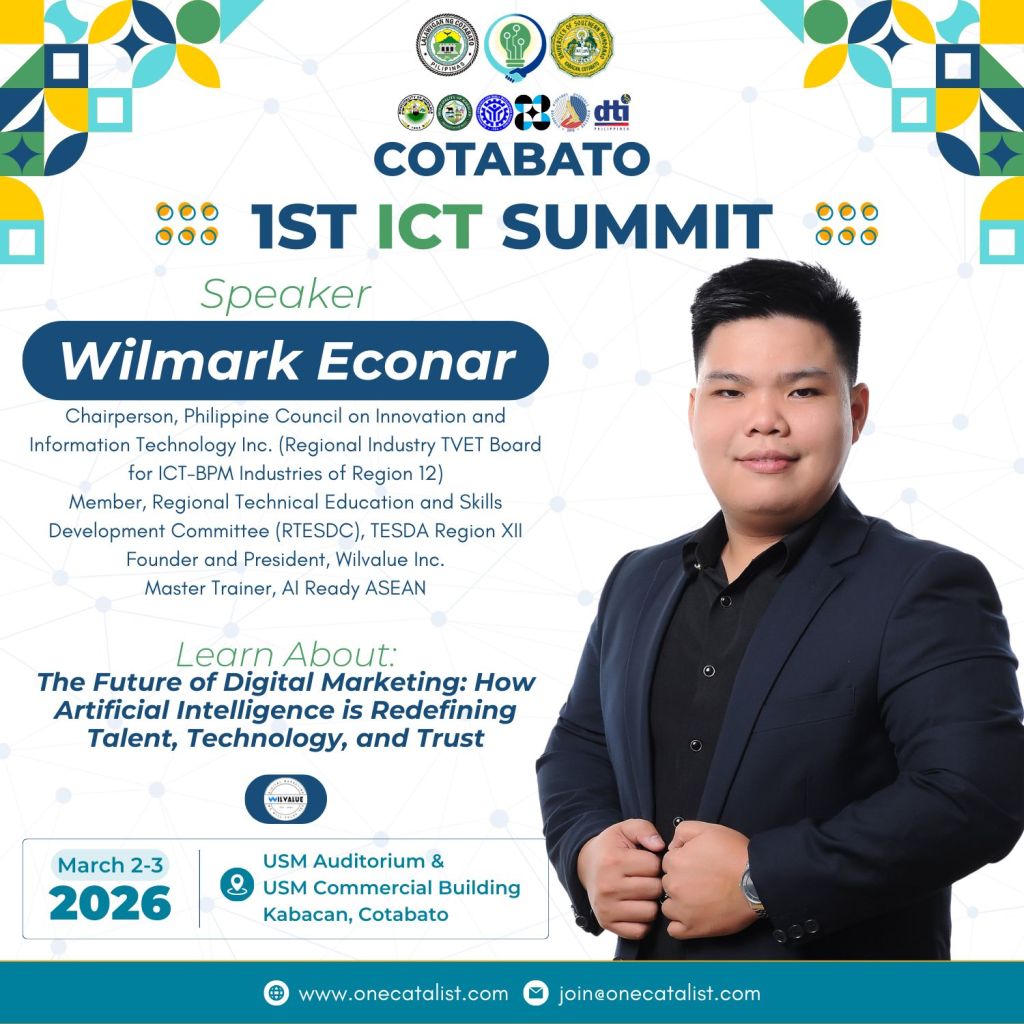
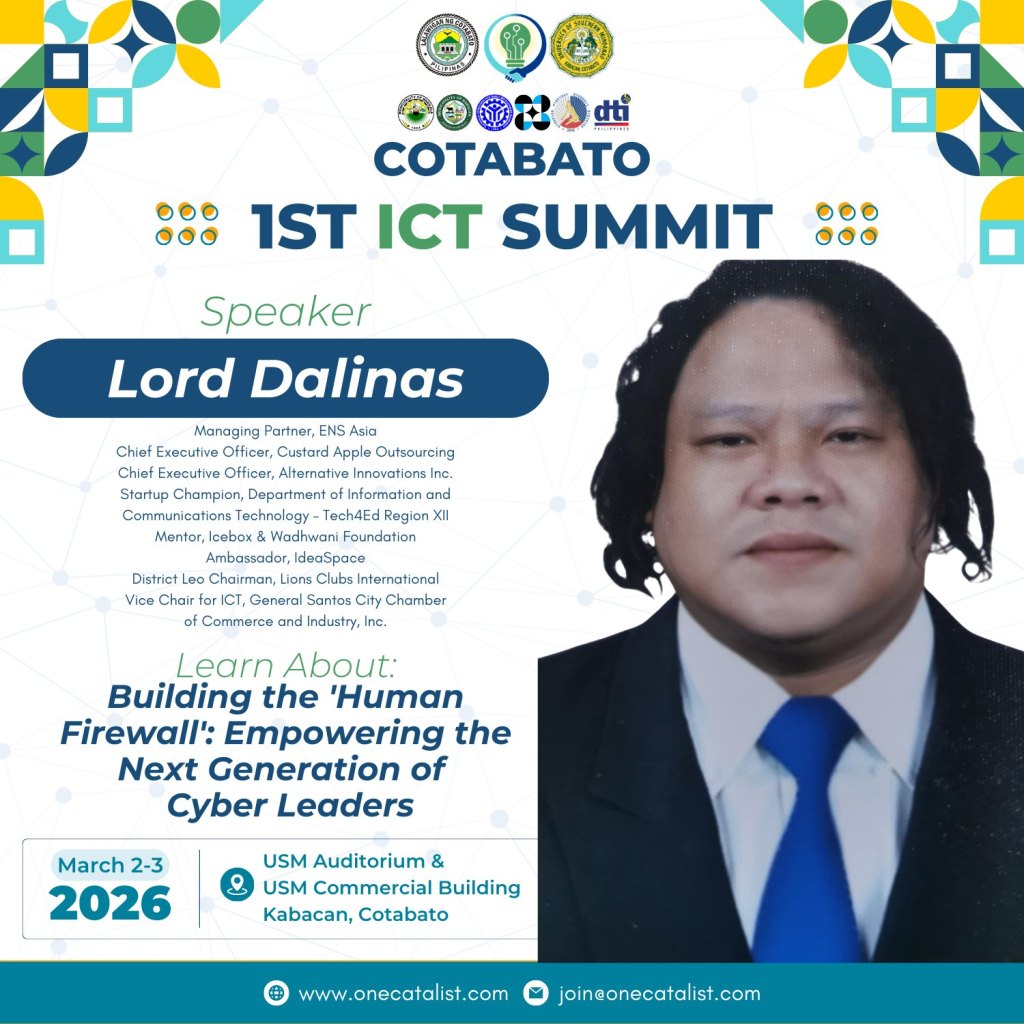
The afternoon sessions added further depth by focusing on enabling conditions and strategic capabilities. Jon Sta. Ana’s discussion of sustainable connectivity for Mindanao placed digital ambition in direct contact with infrastructure realities. No matter how strong the appetite for innovation may be, it cannot move far without reliable and equitable connectivity. In many provincial areas, the digital divide remains rooted in geography, affordability and service quality. Connectivity therefore remains a foundational issue, not a secondary one. Wilmark Econar’s session on AI in digital marketing brought the summit into one of the fastest-moving areas of business practice, showing that artificial intelligence is already shaping communication, branding and commercial strategy. Lord Dalinas focused on cybersecurity and the need to build a “human firewall,” emphasizing that trust and safety must be treated as part of readiness, not as afterthoughts. Roland Suico then connected the conversation to leadership and talent development, underscoring that digital transformation requires capable institutions and managers, not just technical tools.


Together, these speakers helped define the summit as a practical and strategic conversation about the building blocks of a local digital economy. The program did not suggest that Cotabato already has all the answers. Instead, it acknowledged a set of linked challenges: how to prepare talent, how to support entrepreneurs, how to expand infrastructure, how to build safe digital practices, how to adapt to AI, and how to ensure that institutions can sustain change over time.
The next program of CATALIST is the DigiWork Expo slated on the third quarter of the year.

 Jocelle Batapa Sigue
Leave a comment