
Corruption in the Philippines is not just a series of isolated incidents; it is a deeply systemic problem. It lives in everyday interactions with government, in the culture of dependency and patronage, and in the archaic ways our institutions still operate. To address corruption meaningfully, we must first recognize that it is not simply about catching “bad apples.” Rather, it is about confronting an ecosystem of inefficiency, inequality, and entitlement that feeds corruption and makes it feel almost inevitable.
In this essay, I unpack why corruption has become systemic in the Philippines, looking at four major dimensions: discriminatory access to public services, opaque and complex processes, an archaic institutional culture that relies on human gatekeeping, and a national mindset that fosters dependence on government rather than empowerment. I also argue for solutions, not just in terms of technical reforms like automation, but also in terms of professionalizing the bureaucracy, shifting cultural expectations, and fostering self-reliance among citizens.
Discriminatory Access to Public Services: The Palakasan System
Ask any Filipino about their experience with government, and chances are you will hear the phrase: “Depende kung sino kilala mo sa loob.” This reflects the enduring palakasan system, where access to public services depends on who you know rather than what you are rightfully entitled to.
Government benefits, permits, and approvals are often treated less as legal rights and more as favors that can be granted or withheld depending on relationships. Officials frequently prioritize people they know, those their bosses know, or those who can afford to pay extra. As a result, objectivity and fairness are compromised.
This dynamics creates a vicious cycle. Ordinary citizens, seeing that connections or bribes speed up services, feel compelled to play the game themselves. Instead of fighting corruption, they normalize it as part of survival. The system then reinforces itself, because government employees who provide preferential treatment are rewarded with gratitude, influence, or money, while citizens who refuse to play along are penalized with delays.
True equality before the law cannot exist in a system where government services are not universally accessible. So long as palakasan persists, corruption will remain systemic.
Complex and Opaque Processes: A Bureaucracy That Breeds Fixers
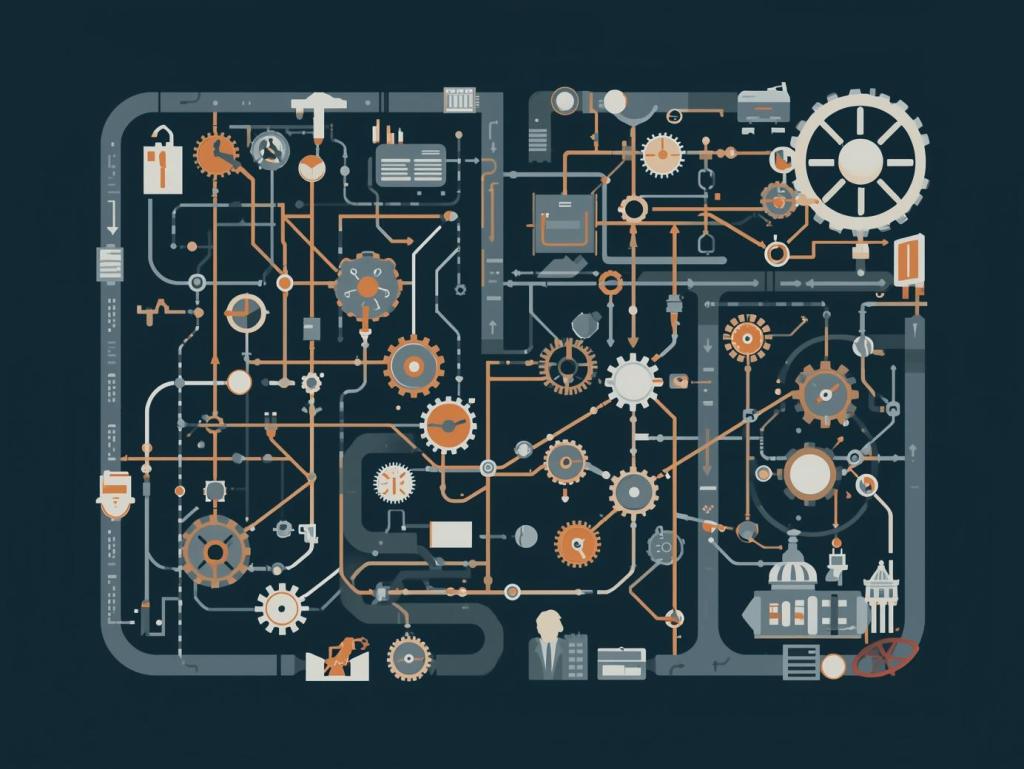
The second reason corruption thrives is that government processes are unnecessarily complicated and opaque.
Many agencies still operate with manual, paper-based workflows. Applicants are asked to submit redundant documents, line up in multiple offices, and follow steps that are neither logical nor transparent. Citizens are left to guess what requirements are truly necessary, and whether the goalposts will shift depending on the mood of the approving officer.
This complexity creates fertile ground for “fixers” and “back channels.” If following the legal process takes weeks or months, but a bribe can cut it down to days, many Filipinos will choose the shortcut. The inefficiency of the system makes corruption appear not only tempting but sometimes the only practical option.
The tragedy is that these inefficiencies are not inevitable. They persist because streamlining and automation are resisted—often by those who benefit from the current mess. As long as human discretion can decide the speed or success of a transaction, corruption will remain a shortcut woven into the fabric of everyday governance.
Archaic Institutional Culture and Reliance on Human Gatekeeping
Beyond processes, corruption also thrives because of the culture within government institutions themselves.
Filipino bureaucracy still operates like an archaic, rigid institution where logic often takes a back seat to outdated rules. Procedures are not standardized across offices. What works in one branch may not work in another. Worse, some requirements contradict each other, leaving citizens confused and vulnerable to manipulation. This creates not just double standards but triple, even quadruple standards, depending on who you are and which desk you approach.
Adding to this problem is the overreliance on human interaction. Most transactions require face-to-face dealings with government employees who wield enormous discretionary power. It is not unusual for employees to delay processing applications for flimsy reasons—sometimes demanding additional documents, sometimes citing vague technicalities, and sometimes simply refusing to act without personal incentives.
This reliance on human gatekeepers breeds two toxic mindsets:
- Among officials, the belief that citizens owe them gratitude for doing their jobs, when in fact public service is their duty.
- Among citizens, the belief that bribes or connections are necessary to overcome arbitrary delays.
The solution is twofold. First, we must push aggressively for automation and digitalization so that fewer processes depend on personal discretion. Second, we must professionalize the civil service, cultivating a culture where government employees are trained, evaluated, and rewarded for efficient, impartial service. Public servants should see themselves not as gatekeepers of privilege, but as custodians of trust—delivering services in a timely, respectful, and transparent manner.
Without both reforms, corruption will continue to thrive in the cracks between archaic rules and unprofessional practices
Dependence on Government Instead of Empowerment
Finally, corruption persists because of how many Filipinos view the government—not as an enabler of opportunity, but as the ultimate provider of success.
Citizens are conditioned to expect donations, dole-outs, and favors rather than to demand efficient, rights-based services. Politicians reinforce this by positioning themselves as benefactors who grant special assistance to constituents, rather than as public servants mandated to serve all equally.
This creates a patron-client relationship: the politician gives, the citizen shows loyalty, and corruption flourishes in the exchange. The more dependent citizens are on these favors, the more they normalize corruption as just “the way things are done.”
Breaking this cycle requires a cultural shift toward self-reliance. Filipinos must be empowered to build livelihoods, innovate, and pursue opportunities without relying on government handouts. Equally, the government must stop cultivating dependency and instead focus on enabling citizens through fair systems, infrastructure, and opportunities. Only then will citizens begin to demand accountability rather than favors
Breaking the Cycle: Pathways Forward

Systemic corruption requires systemic solutions. Tackling it is not simply about punishing wrongdoers; it is about redesigning the system so that corruption becomes unnecessary, unattractive, and unacceptable.
Digitalization and Automation

Streamline services through e-governance
Streamlining services through e-governance is not merely about digitizing existing processes but about fundamentally rethinking how government interacts with citizens and businesses. By adopting digital-first approaches, agencies can eliminate redundant steps, harmonize processes across departments, and establish a seamless experience for users. This transformation ensures that government services are accessible anytime, anywhere, especially benefiting those in rural and underserved areas where physical access to government offices can be a challenge.
Standardizing requirements across agencies is equally critical. Too often, citizens and businesses face repetitive demands for the same documents or inconsistent rules across different offices. Through interoperable digital systems, once-submitted data can be securely reused, minimizing duplication and frustration. This not only reduces the time and cost of compliance but also creates a more predictable environment for enterprises, particularly startups and MSMEs, who need efficient government services to thrive in the digital economy.
Every manual step removed from public transactions represents one less opportunity for corruption. By shifting from paper-based processes and discretionary approvals to transparent, rules-based digital workflows, e-governance fosters accountability and builds trust in institutions. Automation and digital records leave audit trails, making irregularities easier to detect. In effect, e-governance does not just make government faster and more efficient—it strengthens integrity, boosts investor confidence, and empowers citizens to engage with the state in a more equitable way.
Professionalization of Government Service

Training civil servants in service excellence, ethics, and accountability is at the core of building a responsive and people-centered government. Capacity-building programs should not only focus on technical competencies but also instill values of integrity, empathy, and efficiency. When public servants understand the impact of their work on citizens’ lives, they move beyond mere compliance to a deeper sense of purpose. Investing in continuous professional development, mentorship, and digital literacy ensures that government employees remain equipped to meet the evolving demands of governance in the digital age.
Equally important is the implementation of clear performance metrics that measure timeliness, quality of service, and citizen satisfaction. Transparent evaluation systems should reward efficiency and innovation while addressing delay and neglect through appropriate consequences. By linking promotions and incentives to measurable outcomes, government agencies can move away from a culture of entitlement to one of merit and accountability. This kind of performance-driven governance not only enhances service delivery but also builds public trust in institutions.
Ultimately, fostering a culture of public service requires reminding civil servants that government exists to serve the people, not the other way around. This principle must be embedded in daily operations, leadership models, and organizational culture. When public servants embody humility, responsiveness, and integrity, they transform the bureaucracy into a catalyst for inclusive growth and national progress. Such a shift is essential for realizing a government that is not only efficient but also ethical, people-centered, and future-ready.
Standardization of Processes

Adopting a single, unified set of rules that apply equally across regions and offices is essential to creating a fair and predictable environment for citizens and businesses. Fragmented procedures and inconsistent requirements often force people to navigate a maze of differing interpretations and standards, leading to confusion, inefficiency, and unnecessary costs. A harmonized framework ensures that whether a citizen applies for a permit in Luzon, Visayas, or Mindanao, the process and requirements remain the same. This consistency strengthens trust in institutions, simplifies compliance, and levels the playing field for all—especially for MSMEs and startups that cannot afford the delays and expenses caused by bureaucratic inconsistency.
Ending the era of multiple standards—where approvals depend on the location, personal connections, or even the mood of the approving officer—strikes at the very root of systemic inequality and corruption. When rules are transparent, accessible, and uniformly applied, discretion is minimized, and accountability is strengthened. A unified governance framework not only empowers citizens with clarity and certainty but also equips civil servants with the tools to perform their duties fairly and efficiently. Ultimately, it reinforces the principle that government exists to serve all people equally, regardless of who they are or where they live.
Cultural Shift Toward Self-Reliance
Promoting entrepreneurship, innovation, and self-employment offers citizens meaningful alternatives to dependence on government favors or political patronage. By equipping people with the tools to start and grow their own ventures, the state can empower individuals to create value, generate livelihoods, and build resilient local economies. Encouraging startups, supporting MSMEs, and strengthening countryside innovation hubs not only expands opportunities but also nurtures a culture where success is built on initiative and merit rather than on connections. This shift transforms citizens from passive recipients of aid into active drivers of progress and sustainable development.
To sustain this vision, education and workforce programs must be reformed to cultivate independence, creativity, and initiative among learners and workers. Beyond technical knowledge, schools and training centers should emphasize problem-solving, critical thinking, digital skills, and entrepreneurial mindsets. Programs such as industry-academe partnerships, innovation labs, and mentorship initiatives can bridge the gap between learning and real-world application. By instilling the confidence to innovate and the resilience to adapt, these reforms will prepare Filipinos not just to seek jobs, but to create them—ensuring inclusive growth in the digital economy.
Accountability and Oversight

Strengthening independent bodies to investigate corruption without political interference is essential for restoring public trust and ensuring accountability in government. These institutions must be equipped with clear mandates, adequate resources, and legal safeguards that allow them to pursue investigations impartially, regardless of who is in power. By insulating anti-corruption agencies, audit bodies, and the judiciary from political influence, the state reinforces the principle that no one is above the law. Effective oversight mechanisms not only deter misconduct but also create a culture of integrity that upholds fairness, transparency, and justice in public service.
At the same time, empowering civil society watchdogs and encouraging citizen participation ensures that accountability extends beyond formal institutions. Secure, anonymous digital platforms can make it safer for citizens to report wrongdoing, while civic organizations and media play a critical role in monitoring government performance and exposing malpractice. By fostering collaboration between independent oversight bodies, civil society, and ordinary citizens, governments can create a multi-layered defense against corruption. This inclusive approach strengthens democracy itself—transforming citizens from bystanders into active guardians of transparency and good governance.
Civic Education
Teaching citizens that government exists to serve, not to favor, is a cornerstone of building a truly democratic and people-centered state. Public service must be understood as a right of every Filipino, not a privilege granted only to those with influence or connections. By embedding this principle in civic education, public campaigns, and government practice, citizens can be empowered to demand fair treatment and equitable access to services. When people recognize themselves as stakeholders rather than petitioners, the balance of power shifts toward accountability and genuine public service.
To make this vision a reality, transparency and efficiency must be normalized as non-negotiable rights, while the culture of “fixers” is systematically dismantled. Citizens should no longer feel compelled to pay extra or call in favors just to receive services that are rightfully theirs. Empowering them with accessible information, digital platforms, and grievance redress mechanisms strengthens their ability to hold institutions accountable. Over time, this helps erase tolerance for shortcuts and corruption, replacing it with an expectation of integrity and professionalism in government transactions. Such a cultural shift not only protects citizens but also elevates the quality of governance, paving the way for a fairer, more trusted, and future-ready public sector.
From a Culture of Corruption to a Culture of Integrity

Corruption in the Philippines is systemic because it is embedded in how services are delivered, how institutions operate, how employees behave, and how citizens think about government. It thrives on discriminatory access, convoluted processes, archaic systems reliant on human discretion, and a culture of dependency.
But corruption is not destiny. By automating processes, standardizing services, professionalizing public servants, and shifting citizens from dependency to empowerment, we can design a government where corruption becomes the rare exception rather than the daily norm.
The challenge is immense, but the opportunity is greater. Every Filipino who demands integrity, every official who chooses professionalism, every system that is automated, and every mindset that shifts toward self-reliance brings us closer to a Philippines where public service means exactly that: service to the public.

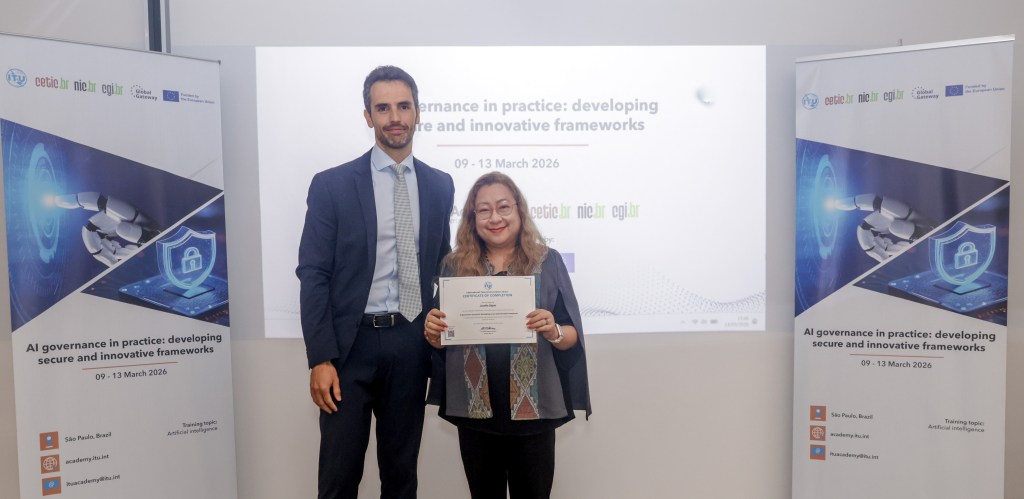

 Jocelle Batapa Sigue
Leave a comment