
Manila, Philippines — From television screens to boardrooms and now to the global stage of technical excellence, actor-turned-entrepreneur Marvin Agustin brought a unique blend of heart and authenticity as he took on the role of Ambassador of WorldSkills ASEAN Manila 2025.

At the opening ceremonies held last August 25, 2025, Agustin welcomed over a thousand delegates, competitors, and officials with a deeply personal story:
“At 14 years old, my very first job was as a mascot in a pizza restaurant. Later, I became a waiter, assigned to shaking margaritas. Those early jobs taught me the value of practical skills but, more importantly, the skills of the soul — hard work, discipline, and the joy of serving others.”
He urged competitors to see beyond medals:
“WorldSkills ASEAN is more than a competition. It is a celebration of what technical and vocational skills can do — to transform lives, to create opportunities, and to build national prosperity. Internal and external skills are the winning formula for success.”
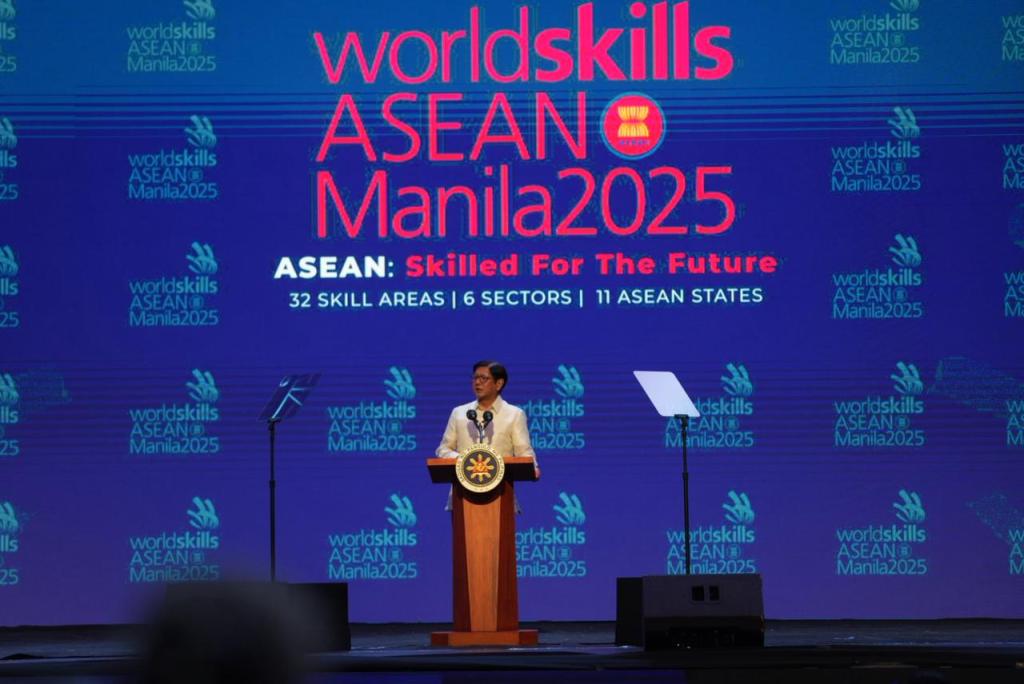
President Ferdinand “Bongbong” R. Marcos Jr. opened the event with a powerful message – to hail skills as “more valuable than oil, more enduring than gold, and more transformative than any technology,” calling them “the new global currency” and a foundation for innovation and regional unity. He acknowledged Timor-Leste’s first participation and highlighted the inclusivity and growth of the competition to its largest scale yet with 259 contestants across 32 skill areas. In a show of warm Filipino hospitality, he invited attendees to experience the culture, cuisine, and spirit of the Philippines.

Closing on a High Note: “Your Skills Can Change Lives”
The closing ceremony of WorldSkills ASEAN Manila 2025 was held on August 30, 2025, at the SMX Convention Center in Pasay City.
It marked the end of a weeklong celebration of technical excellence, with hundreds of skilled youth from across Southeast Asia competing in 32 skill areas. The Philippines earned 10 gold medals, its strongest performance since 2004.
As the competition drew to a close, Agustin returned to the podium to send off the winners — and every participant — with pride and conviction.
“It’s been such an honor for me to serve as Ambassador of WorldSkills ASEAN 2025,” he said. “Coming from someone who also started young and learned skills from the ground up, I know how life-changing this journey can be. That’s why this moment is very close to my heart.”
Congratulating the medalists in 32 skill areas, he reminded the audience that every competitor had already achieved victory by representing their nation.
“Your medals are proof of your hard work and excellence. But really, everyone who competed here is already a champion. Just stepping up, representing your country, and showing your craft on this stage is a victory in itself.”
He left the youth with a challenge:
“Remember this: your skills are powerful. They can open doors, build industries, and most of all, change lives.”
Policy and Workforce Impact
WorldSkills ASEAN Manila 2025, hosted by the Technical Education and Skills Development Authority (TESDA) under Secretary Kiko Benitez, showcased the Philippines’ growing role as a champion of technical and vocational education and training (TVET) in the region.

TESDA Secretary Kiko Benitez, serving as Chairperson of the National Organizing Committee, praised education and skills development as critical under the current administration, describing the event as a testament to ASEAN’s heritage and unity built by skilled hands.
The competition comes at a critical time as ASEAN’s workforce of over 350 million young people is expected to face rapid shifts from automation and digital transformation. According to the World Economic Forum’s Future of Jobs Report 2025, 50% of employees globally will need reskilling, with the highest demand in digital, green, and service-oriented industries.
In the Philippines, TESDA estimates that over 1 million workers annually must be trained or retrained to keep pace with changing industry needs.
Industry partners echoed Agustin’s message that skills matched with values are the cornerstone of competitiveness. “What we saw this week is a blueprint for ASEAN’s future workforce — resilient, values-driven, and globally competitive,” one TESDA official remarked.
Regional Cooperation: Passing the Torch
The closing ceremony culminated with the turnover of the WorldSkills ASEAN flag from the Philippines to the Republic of Indonesia, which will host the 2027 edition. A teaser video showcased Indonesia’s preparations, signaling continuity in advancing ASEAN’s shared commitment to skills development.
For Agustin, the symbolism of the handover extended beyond ceremony:
“We’re proud to have hosted this event, and we hope you take home not just medals, but also friendships, lessons, and a piece of Filipino warmth and hospitality. Mabuhay ang kabataang ASEAN! Mabuhay ang WorldSkills!”
A Youthful Voice for Skills Development
Agustin’s journey — from humble service jobs to stardom and entrepreneurship — gave credibility to his role as ambassador. By blending personal narrative with a policy-driven message, he highlighted that TVET is not second choice, but a powerful pathway to opportunity and prosperity.
In an era where digital disruption and labor shifts demand resilience, his words resonated with leaders, trainers, and competitors alike: that the future of ASEAN rests on young people who combine skills of the hands with skills of the soul.
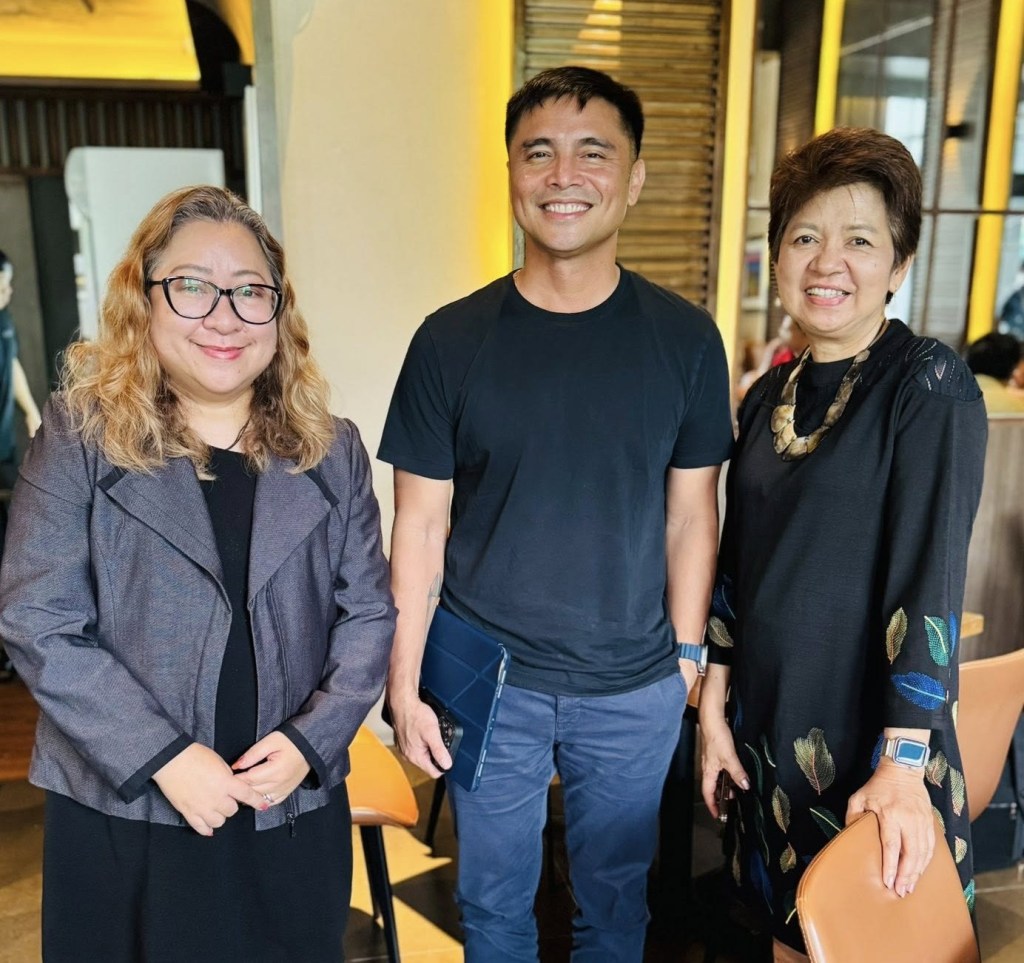
Marvin Agustin’s journey from matinee idol to culinary mogul is more than a celebrity pivot—it’s a blueprint for Filipino entrepreneurship rooted in grit, creativity, and cultural pride. While many actors dabble in business, Agustin has built a food empire that spans casual dining, heritage cuisine, viral food trends, and scalable franchises. His ventures reflect not just personal ambition, but a broader narrative of Filipino excellence in the global food scene.
In 2005, Marvin co-founded SumoSam, a Japanese-American fusion restaurant that quickly became a staple in malls and commercial hubs. With its generous portions, playful branding, and accessible price points, SumoSam expanded to over 15 branches, proving that celebrity-backed ventures could thrive with the right strategy.
This success led to John and Yoko, a cosmopolitan Japanese dining concept that elevated the aesthetic and ambiance of Japanese cuisine in Manila. Sleek interiors, curated playlists, and modern plating made it a hit among young professionals and creatives.
Agustin’s passion for Filipino cuisine found a home in Cafe Ten Titas, a restaurant that celebrates heirloom recipes and comfort food. Co-owned with partners, the cafe offers dishes that evoke nostalgia while embracing modern presentation. It’s a tribute to the culinary wisdom of Filipino elders—those “titas” whose recipes shaped generations.
During the pandemic, Marvin launched Cochi by Marvin Agustin, a cochinillo (roast suckling pig) brand that went viral for its crisp skin, tender meat, and luxe packaging. What began as a lockdown experiment turned into a full-blown business, with orders flooding in from celebrities, politicians, and balikbayans.
To meet growing demand, he expanded into Secret Kitchen, a fast-food stall concept offering cochinillo in more accessible formats. With five outlets and counting, it’s a masterclass in scaling a premium product for mass appeal.
Beyond full-service restaurants, Marvin has invested in food carts like Ricecapades, which offered rice meals in high-traffic areas, and even acquired Mister Donut outlets through a strategic endorsement deal. These ventures show his understanding of market segmentation—from mall diners to commuters seeking quick bites.
Marvin Agustin’s restaurant portfolio isn’t just a celebrity side hustle—it’s a case study in brand-building, market adaptation, and cultural storytelling. His ventures reflect strategic diversification across cuisine types and price points; cultural pride, especially in elevating Filipino dishes like cochinillo; scalability, from viral online orders to mall-based franchises and resilience, pivoting during crises and adapting to consumer trends.
In a country where food is both sustenance and storytelling, Marvin’s empire reminds us that culinary entrepreneurship can be a powerful tool for advocacy, identity, and economic empowerment.
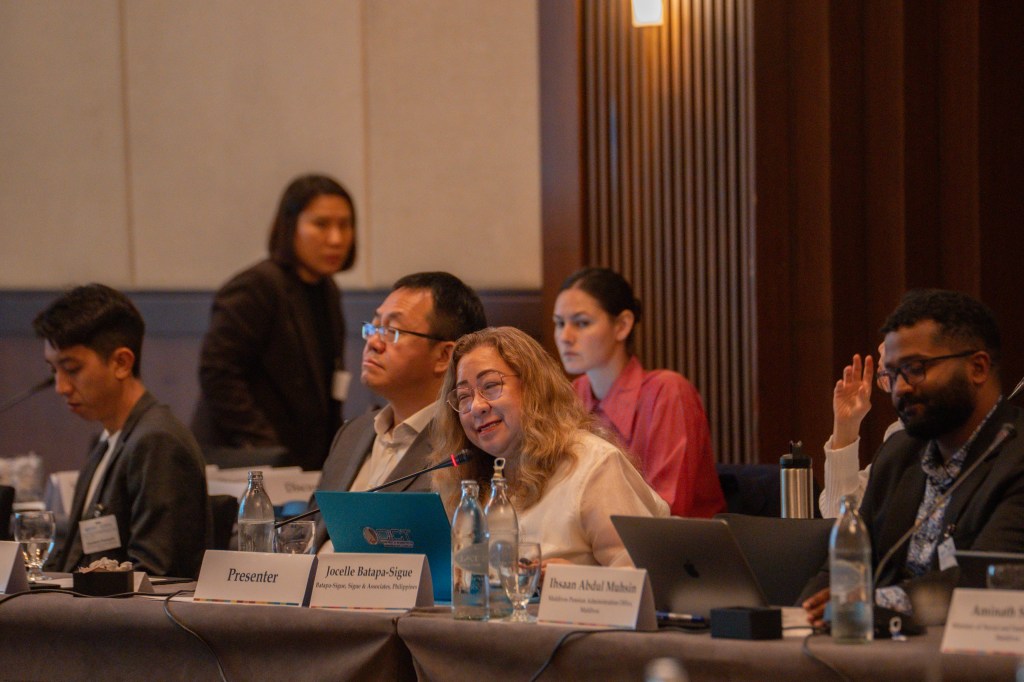
 Jocelle Batapa Sigue
Leave a comment