Filipinos are deeply passionate storytellers. Our history and culture reflect a strong attraction to drama, emotion, and powerful narratives—and this is exactly why showbiz and political news dominate our media space. But as someone who has long worked in the trenches of digital empowerment and innovation, I believe it is time for us to pivot. We need to ask: what stories are we telling our people? And what future are we shaping through the content we consume?
One thing is sure – the Filipino appetite for showbiz and political news is rooted in a combination of historical, cultural, and socio-economic factors.

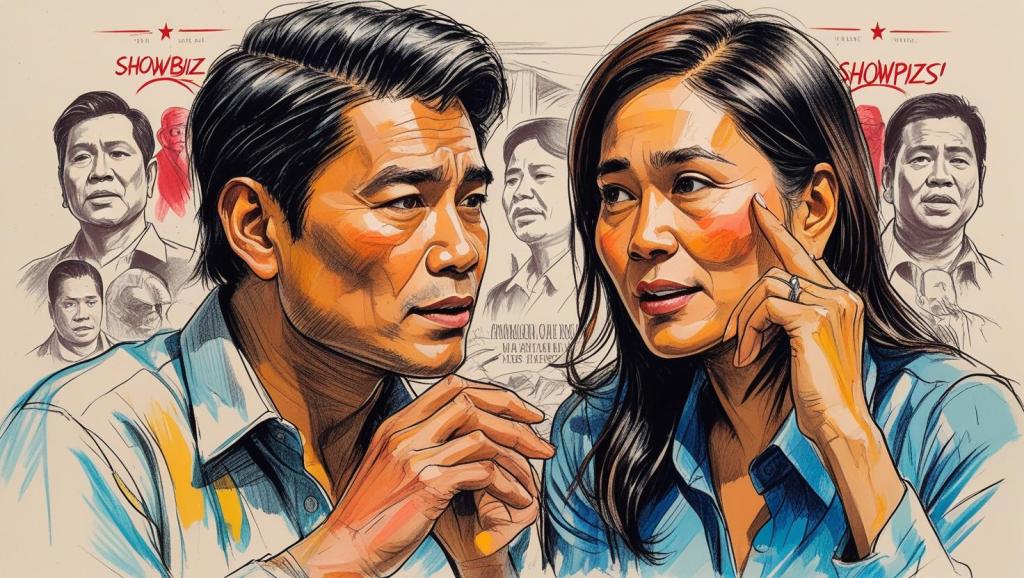
Why We Love Showbiz and Politics
The Philippines has a long history of public engagement in politics and entertainment. Spanish and American colonial influences brought print media and cinema, which became central to public life. These became more than just sources of information—they became lifelines. And when actors crossed over into politics and politicians became media darlings, the lines blurred.
We also have a strong cultural inclination towards emotional storytelling. We value family, sacrifice, humor, and resilience. So when we see these themes in teleseryes or political exposés, we connect instantly. These stories often reflect family concerns, personal struggles, and moral lessons which are deeply resonant themes in Filipino culture. These days, the drama has spilled into real life—sadly becoming headline news, with themes like romantic breakups and infidelity splashed across the media.
We see that mainstream media in the Philippines often prioritizes celebrity and political news because they attract high viewership and engagement. In rural areas, where access to varied educational and digital content may be limited, these topics dominate due to their relatability and entertainment value. Too often, stories unfolding in Metro Manila which has no bearing for the whole country are quickly branded as national news, while narratives with potential nationwide impact—especially those emerging from far-flung barangays—struggle to gain even a sliver of attention.
In times of economic hardship or political uncertainty, people naturally seek content that either offers relief or restores a sense of control. Showbiz provides a form of escapism—a temporary refuge from reality through entertainment, celebrity culture, or aspirational storytelling. It lifts spirits, distracts from daily stress, and offers a semblance of joy and glamour amidst struggle.
On the other hand, political news becomes a space for empowerment or critique. When citizens feel marginalized or betrayed by institutions, they turn to political coverage to stay informed, voice dissent, or find hope in reform. It allows them to process their frustrations, hold leaders accountable, or rally behind change, or simply provide their opinions in coffee shops or in private gatherings.
This duality—entertainment to cope, and politics to engage—has made both genres indispensable pillars of media consumption in the Philippines. They meet emotional and civic needs simultaneously. However, this also highlights the urgency to broaden our definition of “vital content” to include science, technology, business, innovation, and local development—stories that don’t just soothe or stir, but also inform, educate, equip and inspire action.
At the end of the day, we must ask—what news and stories are being overlooked or hardly noticed, and at what cost?
What Happens When Business, Science, and Innovation Are Ignored?
In rural areas, access to diverse content remains limited. Mainstream platforms often chase engagement, not empowerment. So stories about Filipino scientists, innovators, social entrepreneurs, or tech-driven startups in the countryside barely get airtime. That’s a lost opportunity.
And in times of crisis—pandemics, typhoons, inflation—we turn to showbiz to escape, and to politics to find answers or assign blame. But we also need content that gives us solutions. We need news that makes us believe in our capacity to solve problems, create jobs, and transform communities.
News coverage of business, science, and innovation in the Philippines must be prioritized and elevated. These sectors are vital to economic recovery, job generation, and long-term competitiveness—yet they are too often overshadowed by political spectacle and entertainment. Media shapes public consciousness; it informs values, inspires action, and sets the tone for national discourse. What we choose to amplify defines our aspirations as a country. When we highlight breakthroughs in local startups, R&D, agri-tech, green energy, and digital entrepreneurship, we empower citizens and build a culture of creativity, resilience, and solutions. Content matters—because news can shape a nation.

Let’s Shift the Narrative
To make news on business, science, and innovation more popular in the Philippines, we must shift the narrative, democratize access, and build cultural relevance. Here are strategic ways to do it—rooted in the advocacy of digital inclusion, countryside innovation, and ethical technology use:
1. Storytelling that Inspires
Use human-centered stories. Instead of just reporting figures or abstract concepts, highlight real people and local communities solving problems through innovation or entrepreneurship. Stories of farmers using agri-tech or youth building startups in rural towns can capture national attention. From my work as a digital advocate, I’ve seen how community-led ICT stories gain traction when framed as empowering and relatable.
Stories of transformation are unfolding in places we rarely see on primetime. Picture farmers in the countryside using drones and data analytics to boost harvests, or young innovators in remote towns building startups that solve hyperlocal problems with global potential. Imagine indigenous leaders preserving centuries-old culture through immersive digital archives, or fisherfolk in coastal barangays using mobile apps and satellite tech to track fish migration—turning ancient wisdom into smart ocean management. In mountain villages, public school teachers are reimagining classrooms through hybrid learning, while in urban poor areas, women entrepreneurs are scaling homegrown brands through e-commerce platforms. From LGUs launching digital governance to students creating AI for disaster resilience, and from OFWs returning as startup founders to grassroots tech cooperatives bringing Wi-Fi to the last mile—these are feel-good stories that prove innovation is not exclusive to cities; it is alive, disruptive, and thriving in the heart of our countryside.

2. Engage Celebrities and Influencers for Advocacy
Bridge the gap by collaborating with influencers who support innovation, sustainability, or tech ethics. When known personalities amplify these stories, they transfer credibility and attract a broader audience—especially youth. To make these collaborations effective, choose influencers who genuinely engage with social impact issues and empower them with compelling, well-researched stories they can relate to. Co-create campaigns that humanize innovation—through behind-the-scenes content, interactive Q&As, or grassroots immersion trips. This approach not only sparks curiosity but also normalizes tech, science, and social innovation as aspirational paths for the next generation.

3. Leverage Visual and Digital Platforms
Create short videos, infographics, or reels that simplify complex topics. Make business or science engaging for social media users by turning news into digestible, visually striking content with practical relevance. LGUs and associations can foster young writing talent by actively creating platforms where the youth can publish and share their work—whether through digital newsletters, community blogs, or social media takeovers. Hosting writing competitions, fellowships, or local journalism camps can cultivate critical thinking and creativity among the next generation. When young people are given a voice to tell stories about innovation, governance, or social change from their own lens, we not only build future-ready communicators—we strengthen democracy from the grassroots.

4. Incorporate Local Language and Context
Translate key content into Filipino and local dialects to expand reach to the countryside. Use cultural symbols and analogies that resonate with local communities. Inclusion of diverse voices is critical for digital empowerment. This approach is crucial for expanding access to information beyond urban centers. Many communities in the countryside engage more deeply with content when it reflects their own language, humor, and cultural references. By using familiar symbols and local analogies, we not only make complex topics easier to understand—we also affirm the value of local identity in national conversations. This kind of inclusion is foundational to true digital empowerment: it ensures that innovation, governance, and opportunity are not confined to English-speaking elites but are owned and understood by all. I suggest we explore creative ways to tell stories about science and innovation in local dialects—so that every Filipino, regardless of region or background, can truly understand, connect with, and be inspired by the breakthroughs shaping our future.
5. Gamify and Localize Innovation Challenges
Highlight innovation through competitions, hackathons, or digital challenges that engage students, LGUs, or barangays. Coverage of winners and participants can create a viral cycle of local pride and curiosity.
Gamification adds immense value to how we communicate innovation because it transforms passive information into active engagement. By turning learning or problem-solving into a competition—through hackathons, digital challenges, or local innovation contests—we make the experience exciting, memorable, and personal. When students, LGUs, or barangays participate, they don’t just absorb content; they live it, co-create it, and take pride in it.
Highlighting these events through local and national media creates a ripple effect—where the visibility of winners sparks community pride and motivates others to join. It builds a culture of participation and excellence, especially when youth or grassroots leaders realize that innovation is not just for scientists or urban centers—it’s something they can shape and celebrate in their own communities.
6. Institutional Support for Media Education
Media outlets, schools, and government agencies have a powerful opportunity to co-create engaging “edutainment” formats—blending education and entertainment to captivate a wider audience, especially the youth. These can take the form of TV shows, YouTube series, web comics, podcasts, or even TikTok reels that spotlight entrepreneurship, digital skills, tech trends, or science fiction—anchored in Filipino values, humor, and everyday realities.
When media headlines are dominated by scandals and personal controversies, it raises a critical question: are we consuming information that empowers us, or merely indulging in distractions? As we fixate on drama, meaningful progress continues elsewhere—leaving us at risk of falling behind in an increasingly competitive and fast-moving world.
But instead, imagine a digital news segment styled like a teleserye that follows a young innovator’s journey from barangay to breakthrough, or a web series where local heroes use science and coding to solve real-world problems. These formats don’t just inform—they entertain, inspire, and build a sense of relevance around fields often seen as intimidating or inaccessible.
By making science, technology, and digital entrepreneurship “mainstream and cool,” we shift mindsets. We nurture curiosity, normalize innovation, and show that the future isn’t just being built in labs or boardrooms—it’s being shaped in classrooms, barangay halls, sari-sari stores, and online platforms where the Filipino spirit thrives.

7. Incentivize and Reward Journalism
Support media practitioners and independent content creators covering innovation and inclusive development. Grants, fellowships, and awards can uplift these voices and change newsroom priorities.
We can offer tangible opportunities such as grants, fellowships, and awards. Programs like a journalism fellowships, micro-grants for digital storytellers, and regional awards. Media Awards can spotlight impactful narratives. Incubators and training hubs can equip young creators with skills in science communication and local-language storytelling. These initiatives will shift newsroom priorities, elevate rural and tech-driven stories, and empower a new wave of storytellers to shape a more inclusive national narrative.
We need to reframe our idea of what is newsworthy. If we wish to build a digitally empowered nation, we must elevate the voices of our builders, thinkers, and dreamers. Let’s shift the lens from mere celebrity to solution-driven, future-facing storytelling—a key advocacy I stand by.
As a champion of countryside digital innovation and youth empowerment, I challenge all storytellers, content creators, and journalists: tell the stories that matter. This is not just a media shift—it’s a mindset shift.
We must build a content ecosystem that inspires, informs, and equips every Filipino to dream bigger and act smarter. Let’s not abandon our love for showbiz and political drama—but let’s enrich it. Let’s balance it with stories of creativity, technology, and ethical leadership.

A Media for Empowerment
Grounded in the advocacies of inclusive digital empowerment and ethical technology use, I want to emphasize why the media we consume critically shapes our country’s future.
The media—whether social platforms, television, or online content—plays a central role in influencing public opinion, civic engagement, and national unity. In a data-driven society, what we watch, read, and share affects how we perceive our leaders, understand our rights, and interact with fellow citizens. When media is biased, manipulative, or filled with disinformation, it erodes trust in institutions and weakens democratic participation.
Disinformation and fake news particularly damage the social fabric by polarizing citizens and spreading hate. In countries like the Philippines, where media access is uneven and digital literacy gaps exist, disinformation can disproportionately mislead vulnerable groups and undermine responsible governance.
We must empower every Filipino, especially the youth, to critically evaluate media, discern fact from fiction, and responsibly engage in civic life. This builds what I call digital citizenship—a foundational pillar for a just, inclusive, and resilient future.
Media has the power to amplify positive narratives: stories of innovation from the countryside, of youth using tech for social good, of communities harnessing digital tools to solve local problems. Let’s build a media culture that reflects truth, integrity, and empowerment. This is key to our nation’s digital transformation and democratic maturity.
We need media that empowers—not just entertains. Media that teaches—not just reacts. Media that uplifts—not just sells fear or fantasy. It’s time we embrace digital platforms to democratize storytelling and give voice to our rural innovators, our tech builders, our changemakers.
Because the Philippines is not just a country of fans and voters—we are a nation of dreamers, doers, and digital champions.
For more ideas on how we can transform media and communities through digital innovation, visit www.jocellebatapasigue.com


 Jocelle Batapa Sigue
Leave a comment