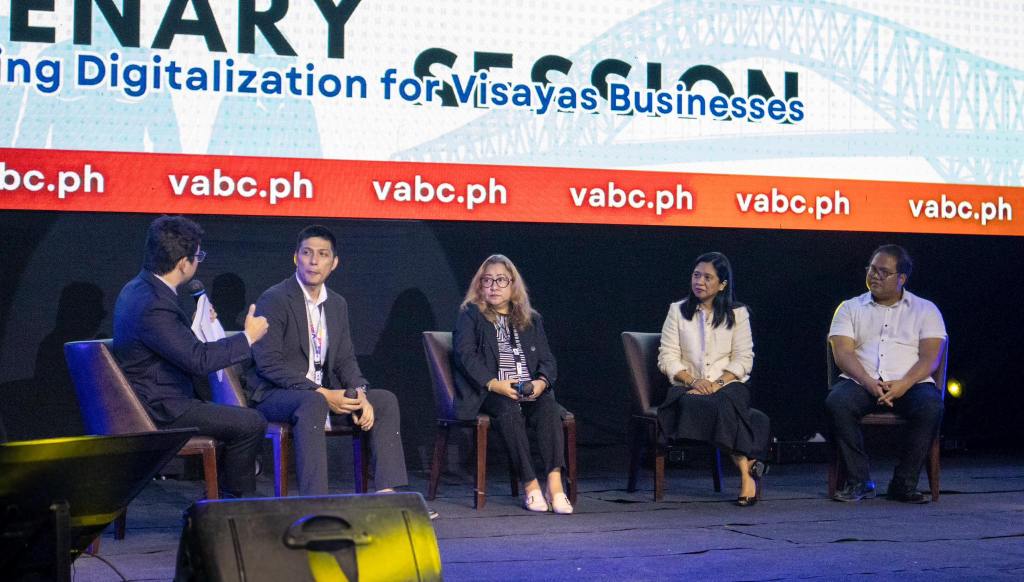
Tacloban City, July 24, 2025 — “Let Visayas be the cradle of MicroEnterpriseTech startups.” Digital empowerment champion and former DICT undersecretary Jocelle Batapa-Sigue gave this a key takeaway during the first panel following her keynote at the Visayas Area Business Conference (VAPC) 2025, challenging the business sector to ignite a regional movement that puts technology directly in the hands of microentrepreneurs.
“If we truly want to build a nation where no one is left behind, then we must begin where it matters most—at the grassroots,” she declared. “Let us make the Visayas a launchpad for MicroEnterpriseTech that uplifts lives, creates jobs, and drives countryside innovation.” – Jocelle Batapa-Sigue


The Power and Potential of MSMEs

In her presentation, Batapa-Sigue emphasized that MSMEs make up 99.63% of Philippine businesses, with microenterprises comprising the vast majority. Despite their economic contributions—including 6.3 million jobs and 45.49% of GDP—only 6% of MSMEs in the country have adopted advanced digital tools, while 23% still operate offline.

When we empower our MSMEs, we invest in the transformation of our cities into hubs of creativity, connectivity, and opportunity. We need to continue to nurture this dynamic sector through digital tools, capacity-building, and inclusive policy frameworks, as we co-create a future where every entrepreneur has the power to shape progress, uplift lives, and fuel sustainable development.
MSMEs as the Heartbeat of the Economy

In building smart and sustainable communities, our MSMEs are truly the unsung heroes—playing a powerful triple role that fuels both innovation and resilience. As Innovators, they pioneer digital startups that drive green and inclusive technologies. As Responders, they anchor our communities during crises through hyperlocal supply chains that keep livelihoods afloat. And as Enablers, they deliver vital services and digital tools that make everyday city living smarter and more connected. These roles are essential. We need to support and invest in our MSMEs so they can lead us into a more inclusive, tech-empowered, and community-centered future, Batapa-Sigue said.
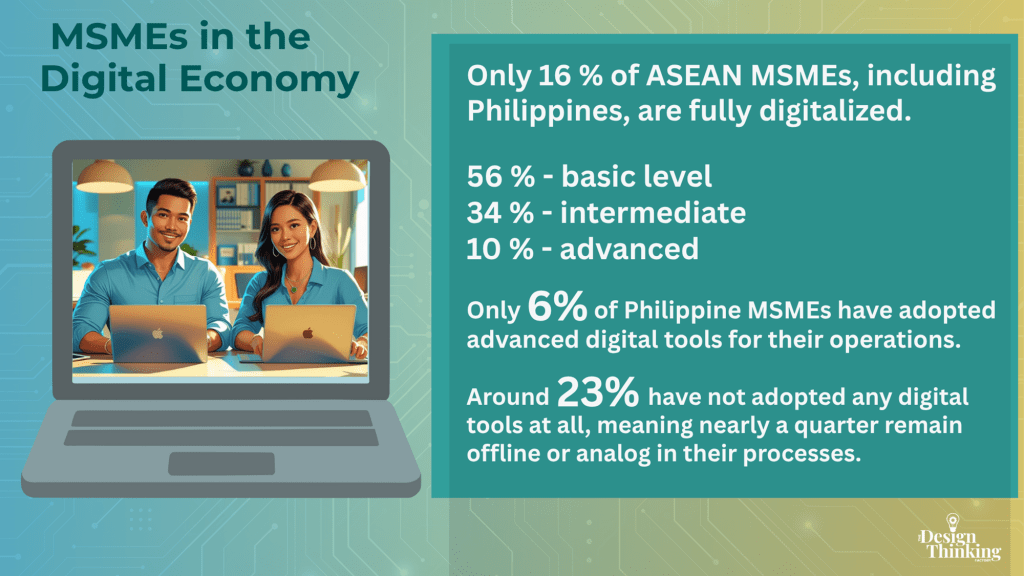
She underscored the importance of MSMEs in the digital economy as being in the critical crossroads. While they make up the vast majority of our economic backbone, only 16% of ASEAN MSMEs—including those in the Philippines—are fully digitalized. Alarmingly, only 6% of our local MSMEs have adopted advanced digital tools, and about 23% still operate completely offline. This digital gap is not just a missed opportunity—it is a call to action. We must accelerate digital adoption at all levels—from basic to advanced—so our micro, small, and medium enterprises can compete, survive, and thrive in the global marketplace. There is an urgent need to build digital pathways that empower MSMEs and bring inclusive prosperity to our communities.
She also explained the importance of understanding digital transformation.
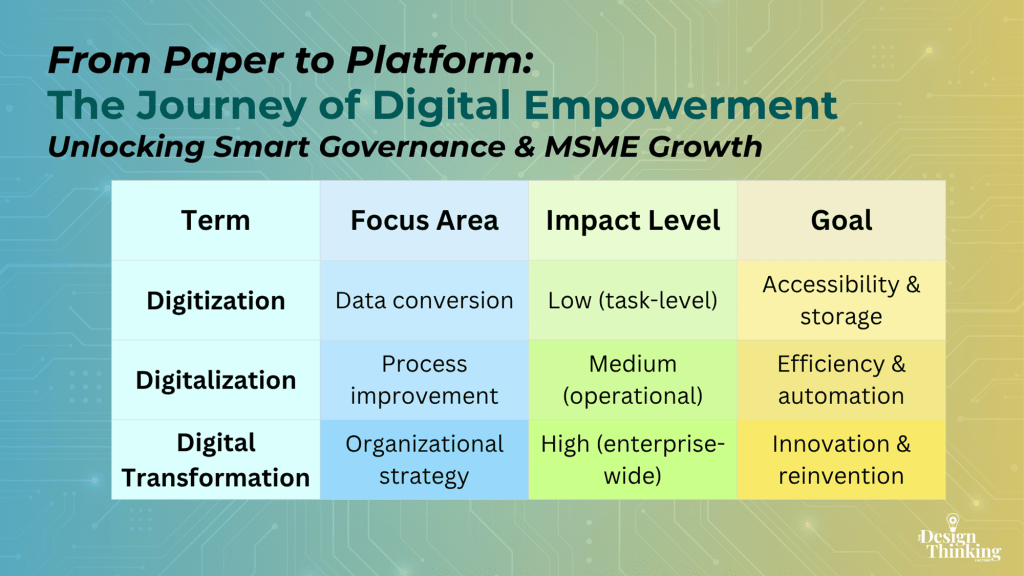
As we push forward in empowering MSMEs within the digital economy, it is crucial to understand the journey from paper to platform—a journey that begins with digitization, or the basic conversion of data for accessibility and storage. But we must not stop there. We must move toward digitalization, where process improvement leads to operational efficiency and automation. Ultimately, our vision should be digital transformation, where MSMEs adopt enterprise-wide strategies that foster innovation and reinvention.
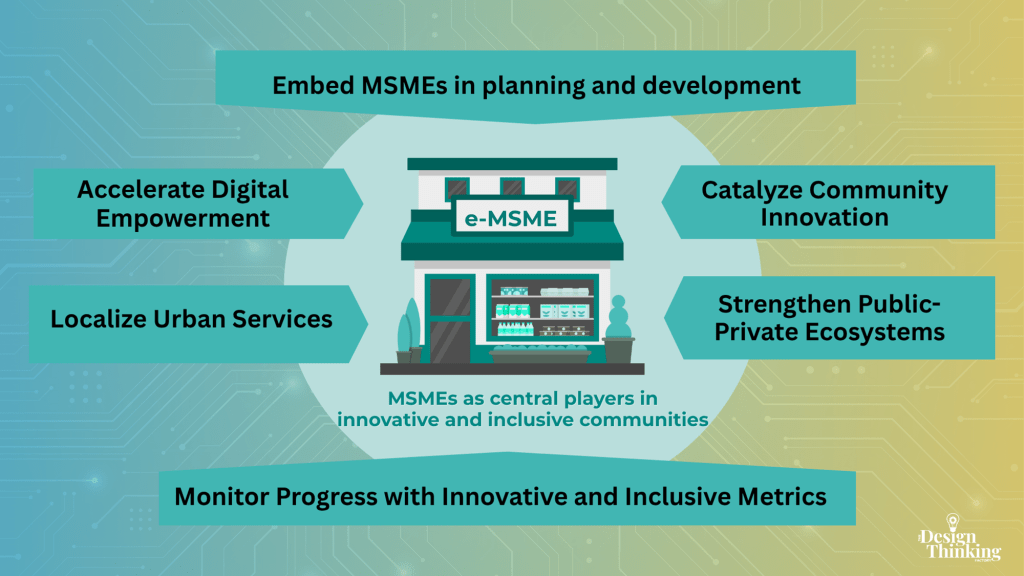
To position MSMEs as key players in smart, inclusive cities, we must shift them from peripheral actors to embedded partners in innovation, resilience, and equity. This transformation involves:
1. Embed MSMEs in Smart City Planning
Involve MSMEs in governance and digital infrastructure decisions; leverage their local data for smarter urban management.
2. Catalyze Community Innovation
Enable MSMEs through urban labs, maker spaces, and innovation networks to co-create solutions for urban challenges.
3. Accelerate Digital Empowerment
Target at least 50% digital maturity among MSMEs by 2028—through e-commerce, AI, and smart logistics adoption.
4. Localize Urban Services
Tap MSMEs as hyper-local anchors for last-mile delivery, health services, and inclusive employment in their own barangays.
5. Strengthen Public-Private Ecosystems
Promote resilience training (e.g., BCP programs) and inclusive business models that align profit with social impact.
6. Monitor with Smart-Inclusive Metrics
Use tools like UN-Habitat’s SIT framework and SDG-aligned indicators to assess MSME integration in urban systems.
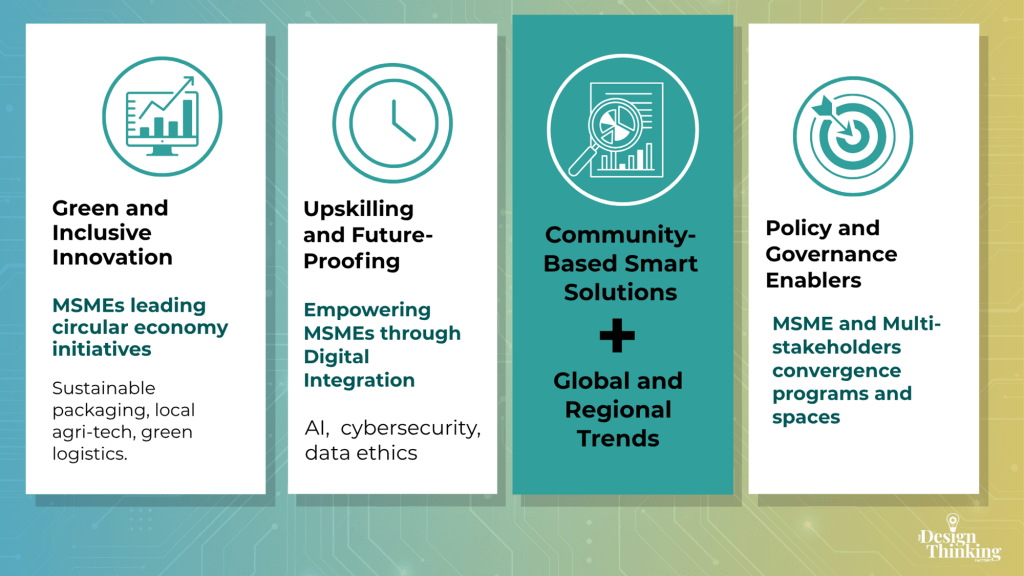
As we drive forward a digitally empowered MSME sector, we must focus on four powerful pillars. First, green and inclusive innovation, where MSMEs lead the shift to circular economies through sustainable packaging, local agri-tech, and green logistics. Second, upskilling and future-proofing, by empowering MSMEs with AI, cybersecurity, and data ethics through digital integration. Third, community-based smart solutions anchored on both global and regional trends that localize development with relevance and agility. And fourth, policy and governance enablers—creating convergence programs and inclusive spaces where MSMEs and stakeholders co-create solutions. This is the roadmap to smart, sustainable, and equitable development—where every MSME is supported and elevated as a driver of transformation in our communities and across the nation, she stressed.
Batapa-Sigue also emphasized the importance of universal and meaningful connectivity (UMC). To truly empower MSMEs and ensure that no one is left behind in our digital journey, we must commit to universal and meaningful connectivity (UMC) as a core policy imperative. As emphasized in the ITU State of Digital Development in Asia and the Pacific 2025, UMC is more than access—it is about enabling all Filipinos, especially those in remote and underserved areas, to experience the internet in a safe, enriching, and productive way at an affordable cost. This is foundational to all our goals—from green innovation to smart community solutions—because without meaningful connectivity, MSMEs cannot thrive. UMC should be a mission especially of the business sector – a shared reality—where every citizen, every MSME, is empowered to build, create, and grow in the digital economy.

Here’s a well-crafted paragraph describing the panel:
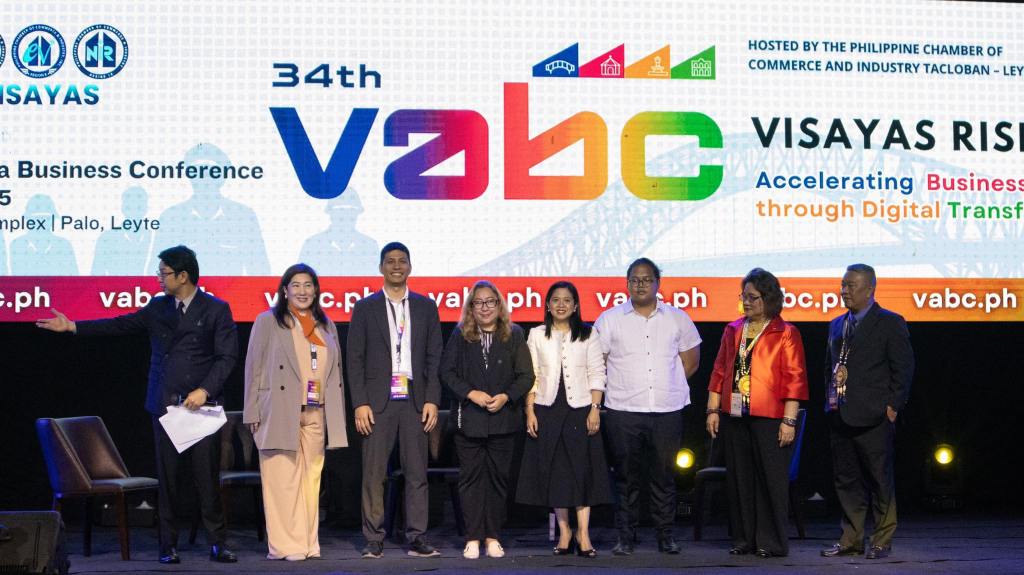
Plenary Session 1 was all about Defining Digitalization for Visayas Businesses. The session, moderated by RJ Ledesma, brought together key innovation and policy leaders to explore the foundational pillars of digital competitiveness in the Visayas. From expanding rural connectivity and digital infrastructure to empowering startups and MSMEs, the panel emphasized how technology can drive inclusive economic transformation. Moderated by former DICT Undersecretary and digital advocate Jocelle Batapa-Sigue, the session featured presentations from esteemed panelists, Alwyn Rosel, Executive Director of QBO Innovation Hub; Atty. Melvyn Barroa, Regional Director of DICT Region VIII; and Ian Denver Sanchez, Co-founder of Flow21 Systems. Each speaker offered strategic perspectives on building a digitally resilient business landscape in the countryside, making the session a pivotal moment in the VAPC 2025 agenda.
From Jobs to Job Creators
During the panel, she shared her appreciation for the initiatives of the Philippine Chamber of Commerce and Industry (PCCI) and all its chambers across the country for helping grow the ICT industry. Known for her mission-driven mantra, My job is creating jobs,” Batapa-Sigue laid out a visionary plan to harness technology for grassroots job generation, particularly through digital startups in:
- EduTech
- FinTech
- GreenTech
- HealthTech
- MicroEnterpriseTech
She called on investors, incubators, and universities to catalyze innovation by supporting platforms, applications, and services tailor-made for microenterprises in rural and underserved areas.
The 5 Ps of Tech-Driven Entrepreneurship
To build a future-proof MSME ecosystem, she introduced the “5 Ps” Mindset Framework:
- Problem: Solve relevant, local challenges
- Product: Create inclusive, purpose-driven solutions
- People: Empower diverse teams and communities
- Process: Digitize for operational excellence
- Profit: Sustain growth through impact and innovation
Continuing the conversations
Batapa-Sigue concluded by inviting Visayans to “turn ideas into impact” by visiting jocellebatapasigue.com and engaging with the Jocelle AI platform.
“AI is creating jobs around the world. Let’s make it work for the Visayas. Let’s build MicroEnterpriseTech startups that uplift lives, one community at a time.”


The 34th Visayas Area Business Conference (VABC) is the annual gathering of the 23 local chambers of the Philippine Chamber of Commerce and Industry (PCCI) across the Visayas Region, hosted by the PCCI – Tacloban Leyte Inc. under the theme “Visayas Rising: Accelerating Growth Through Digital Transformation”, happening on 23 – 25 July 2025, at the Leyte Convention Center, Palo, Leyte.
The 34th VABC focuses on the critical need for digital transformation among the region’s Micro, Small, and Medium Enterprises (MSMEs). While MSMEs are the backbone of the Visayas economy, many lack the resources, digital skills, and knowledge to effectively adopt AI, automation, and other crucial technologies. Visayas Rising offers a practical, hands-on solution.
The conference provides a unique blend of learning and implementation through interactive workshops, live technology demonstrations, and networking opportunities with industry experts and fellow businesses. The goal is to equip MSMEs with actionable strategies, the right digital tools, and a clear plan to successfully integrate technology, ensuring their growth and competitiveness in the digital age.
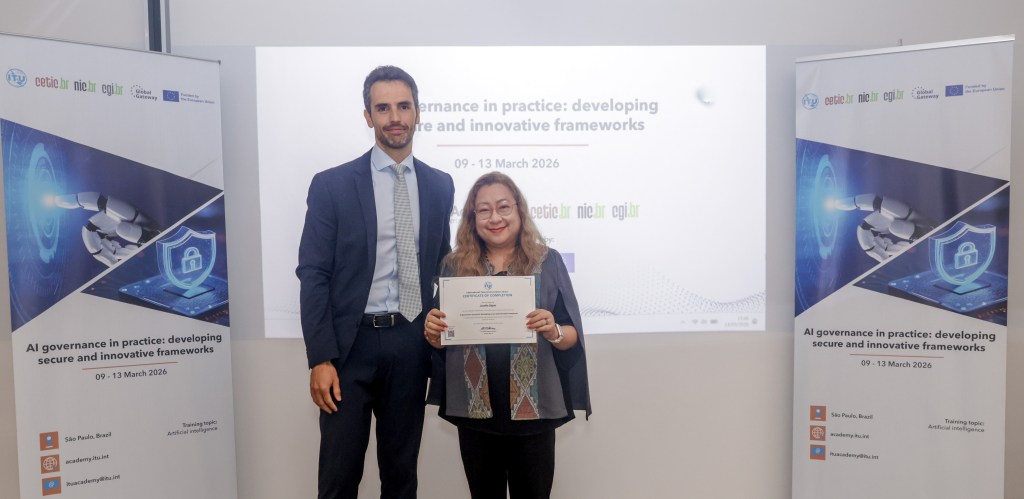


 Jocelle Batapa Sigue
Leave a comment