Public Leadership as a Mandate of Service and Impact
Leadership in the public sector is both complex and deeply purposeful. Across nearly three decades of service—whether as Undersecretary for ICT Industry Development, a multi-term city councilor, or a policy consultant for national legislation—I have experienced firsthand how impactful governance depends on inclusive systems thinking, strategic collaboration, and a clear commitment to citizen empowerment.
During my nine years as a city councilor in Bacolod, I helped institutionalize programs and policies addressing digital innovation, economic growth, social protection, and gender development. These local experiences laid the foundation for my later roles in national digital transformation. As a consultant for the Province of Negros Occidental, for the Senate and DICT, I supported the drafting of legislation and the development of digital roadmaps for cities across the Philippines, promoting ICT councils, digital jobs, and industry growth in the countryside.
READ MORE: The Policy Work of Jocelle Batapa-Sigue

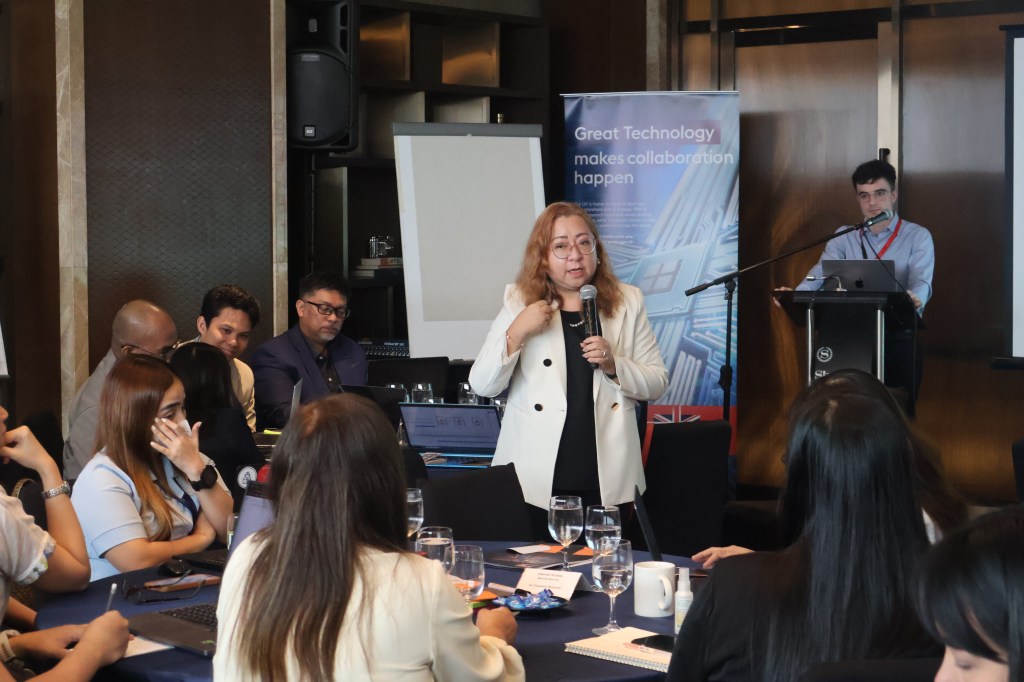
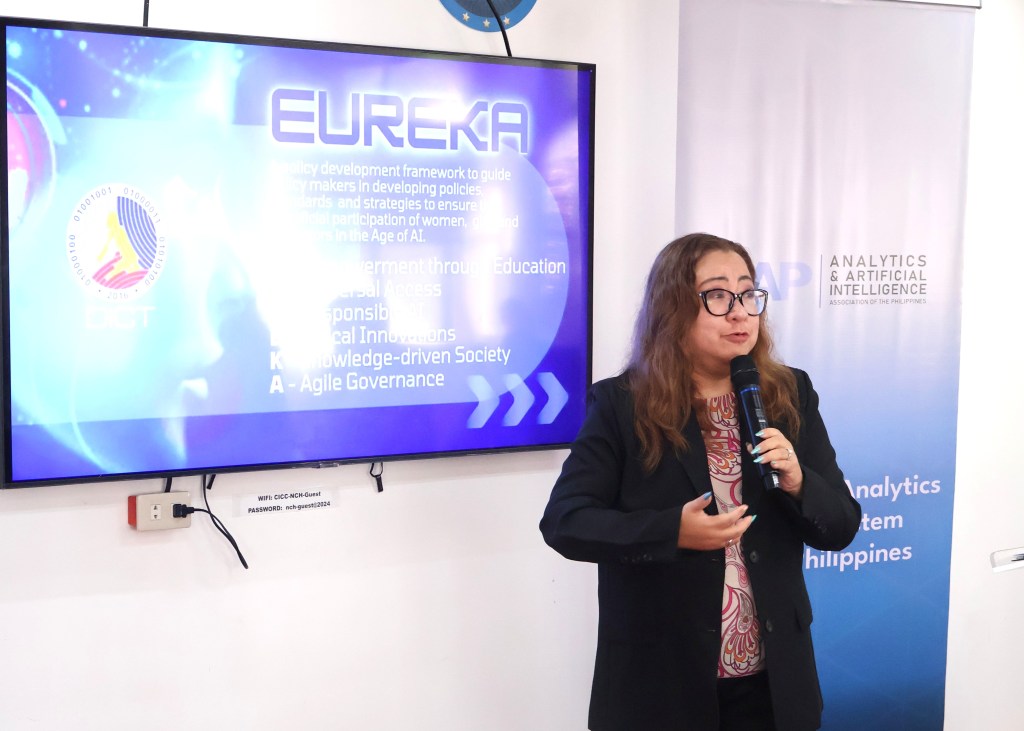
As Undersecretary, I helped guide national efforts to strengthen ICT ecosystems and enable innovation beyond urban centers. Whether leading digital transformation initiatives or facilitating stakeholder alignment, I’ve always viewed leadership as the ability to shape policy with empathy, technical insight, and a focus on long-term value for communities. My approach has remained grounded in collaboration—engaging local governments, national agencies, private sector leaders, and grassroots organizations to move forward with coherence and shared purpose.
public sector by McKinsey & Company
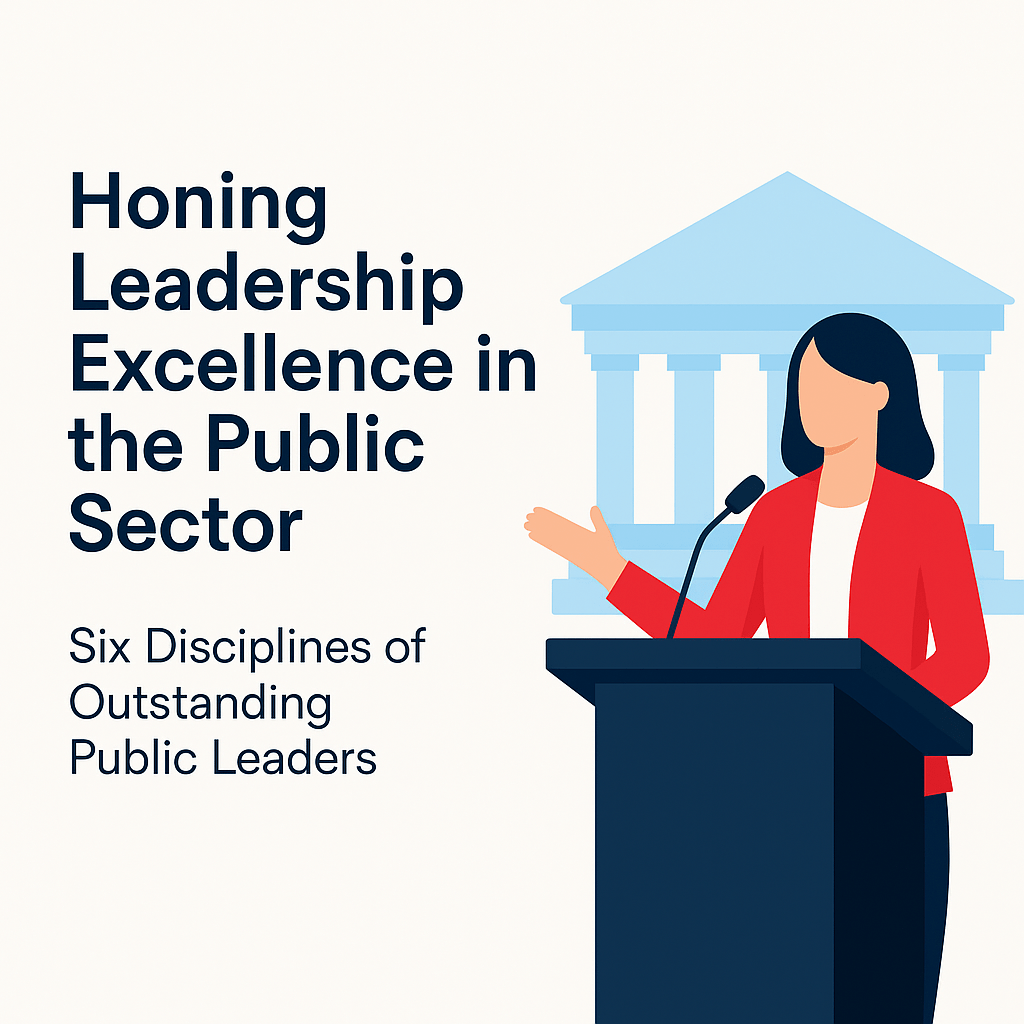
The McKinsey 2025 study on public sector leadership, titled Honing Leadership Excellence in the Public Sector, authored by Julia Klier, Roland Dillon, Scott Blackburn, and Tarek Mansour, examines what sets exceptional government leaders apart in a rapidly evolving and demanding governance landscape. Drawing from a global survey of over 750 senior public officials and more than 60 in-depth interviews with current and former heads of institutions, the study maps out the unique challenges that define public leadership.
Public sector leadership is uniquely complex. It operates under constraints that demand not just competence, but conviction. Leaders must navigate four persistent challenges: limited resources, shifting political tides, asymmetric incentives, and constant external scrutiny.
Unlike in the private sector, resource allocation is bound by law, process, and equity concerns. At the same time, political dynamics can change overnight—disrupting long-term programs and demanding relentless adaptability. Incentives are often misaligned: the risks of innovation are high, yet the rewards are rarely tangible. And in an era of radical transparency, every decision is subject to public examination.
As McKinsey & Company notes, these conditions require not just operational efficiency but public value creation. They call for leaders who can sustain momentum despite uncertainty—who can build trust, empower teams, and drive systems change even under pressure. They are the very crucibles where resilient, future-ready leadership is forged.
Unlike their private sector counterparts, public leaders must achieve results within systems of fragmented accountability, high visibility, and constrained authority. The research underscores that despite these headwinds, outstanding leaders distinguish themselves through deep integrity, clarity of vision, coalition-building, and strategic adaptability. Ultimately, the study affirms that character, purpose, and disciplined execution remain the pillars of enduring leadership excellence in the public sector.
Public sector leadership demands not only a mastery of policy and systems but a depth of character and adaptability that is continually tested. In my years of service—as a multi-term city councilor, government consultant, and Undersecretary for ICT Industry Development—I have encountered, and worked through, the full spectrum of challenges McKinsey’s 2025 study rightly identifies in its global review of public leadership.
First is the ever-changing political dynamic. Throughout my public life, I have had to navigate shifting administrations, evolving national priorities, and local political landscapes. Leading digital innovation in the countryside, especially through ICT councils and startup ecosystems, meant constantly aligning with both political leaders and career bureaucrats—building bridges without losing momentum.
Then there is the limited influence on resourcing. The programs I championed—particularly those focused on digital jobs, tech-based education, and regional innovation—were often underfunded or outside traditional budget cycles. My approach was to leverage partnerships across government, academe, industry, and civil society to fill gaps creatively, proving that innovation is possible even within financial constraints.
The asymmetric incentives in government are real. Efficient delivery may be rewarded with budget reductions, and failure—however minor—can result in disproportionate public and political fallout. I have experienced both the pressure to achieve ambitious outcomes without additional support and the scrutiny that comes with public visibility. These moments reinforced my commitment to ethics and long-term systems change, not short-term approval.
Constant external scrutiny has always accompanied my roles. As a digital advocate and public leader, every initiative I led was subject to media attention, stakeholder criticism, or political interpretation. I learned early that transparency, stakeholder engagement, and consistent communication are not luxuries—they are necessities.
In terms of talent retention, I have personally seen the limits in attracting and retaining skilled professionals, particularly in emerging fields like cybersecurity, AI, and digital services. As Undersecretary, I focused on building capacity within the DICT and among local government partners by promoting industry-academe-government collaboration and mentoring future digital leaders.
The challenge of interagency coordination is one I deeply understand. Whether crafting digital transformation roadmaps or advocating for the institutionalization of ICT councils, progress always required coordination across national agencies, local governments, and non-state actors. I found that fostering trust and a shared sense of purpose is essential to overcoming institutional silos.
Finally, the emotional demands of leadership—the need to manage personal energy and resilience—cannot be overstated. Like many public leaders, I have faced moments of exhaustion and doubt. But purpose remains my wellspring. The belief that digital transformation must reach every Filipino, especially in underserved regions, continues to sustain and drive me.
As McKinsey’s research concludes, excellence in public sector leadership depends not only on strategy and execution, but on character, vision, and the capacity to lead through ambiguity and change. These traits are not theoretical—they are forged in the real-world work of governance, which I continue to embrace with humility, passion, and purpose.
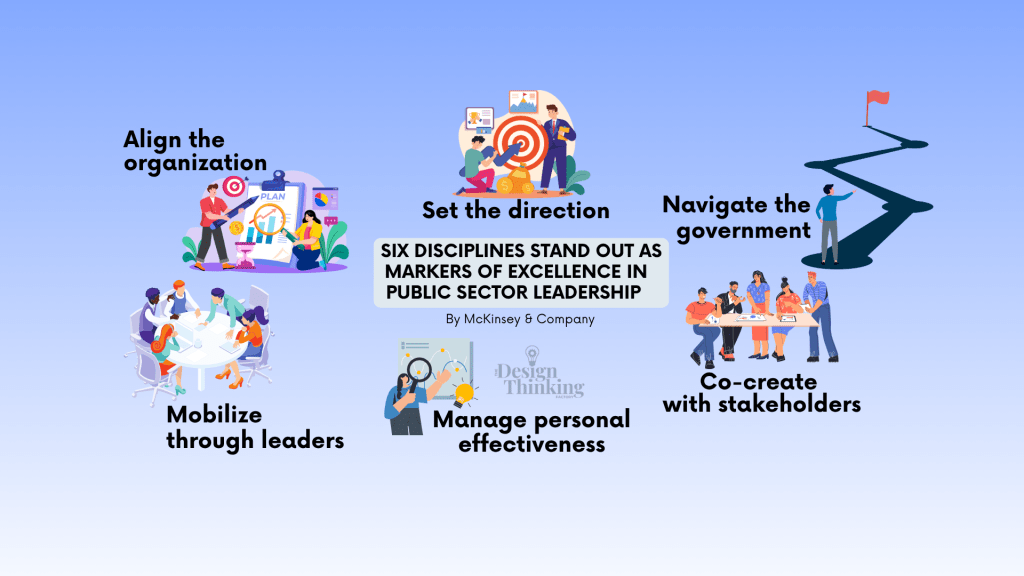
As McKinsey’s 2025 study on public leadership reveals, excellence in government requires a distinctive set of disciplines. These six areas—direction, mobilization, alignment, navigation, co-creation, and personal effectiveness—resonated deeply with my own journey in public service. Let me take you through each one, reflecting not just theory but lived experience.
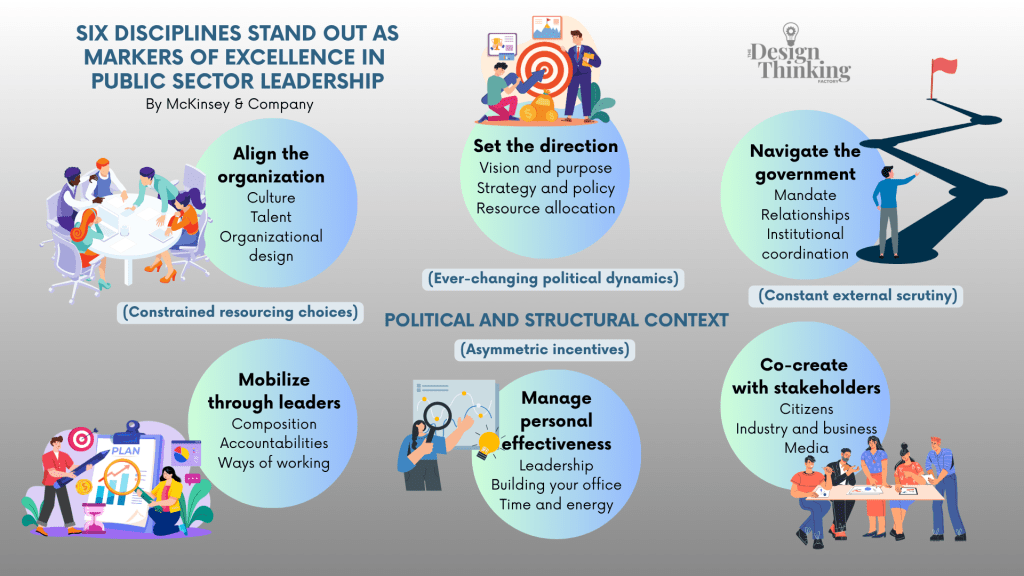
1. Setting the Direction: Vision Beyond the Term
Great public leaders must envision more than just three- or six-year timelines. When I began my role at DICT, I anchored our work on a vision for countryside digital transformation—one that would outlast any single administration. We redefined ICT development to focus not just on infrastructure but on generating digital jobs, growing local startups, and bringing technology into education and governance.
For instance, I championed the creation and strengthening of local ICT councils across provinces and cities, empowering them to lead digital initiatives tailored to their communities. We launched initiatives to generate digital jobs, such as rural-based online freelancing programs and industry-academe partnerships that prepared talent for emerging sectors. I helped design city-level digital roadmaps, not only to guide infrastructure investments but to integrate technology into education, governance, and public service delivery. Beyond infrastructure, I focused on creating environments where startups could thrive, supporting innovation hubs and local ideation labs. My belief has always been that digital transformation is not just about connectivity—it’s about ensuring that technology translates into livelihood, learning, and local prosperity.
Leadership is setting a compelling, inclusive direction—then translating it into policies that outlive personalities. It is fighting for budget not for self-interest, but to serve communities who’ve long been left behind.
2. Mobilizing Through Leaders: Building Coalitions of Trust
I always believed that empowering others is the essence of public leadership. During my tenure, we worked closely with regional directors, LGU leaders, and grassroots advocates to grow ICT councils across the Philippines. These were not just bureaucratic structures—they were movements driven by local champions.
It is never about being the smartest in the room. It’s about recognizing potential, building a trusted team, and ensuring everyone around you feels part of the mission. True leaders build leaders, not followers.
3. Aligning the Organization: Culture Eats Strategy for Breakfast
I entered government after years of experience in the private sector, academe, and civil society. Naturally, I brought with me the energy and urgency of those ecosystems—only to be met, at times, with rigid processes, bureaucratic inertia, and risk-averse cultures. But I quickly realized that transformation couldn’t be imposed from above. Instead of forcing change, I made the conscious choice to listen first, understand the institutional pulse, and then model the behavior I hoped to inspire.
We began fostering a culture of innovation within the department. I initiated hackathons and design thinking workshops to unlock creativity from within the bureaucracy. We opened our agency to multi-stakeholder partnerships, especially with startups, academe, and local innovators. I supported digital entrepreneurship by helping organize local ideation labs, and by integrating innovation into the way we delivered public service—from crafting ICT roadmaps to building inclusive digital ecosystems. These efforts weren’t always easy, but they helped create momentum and a mindset shift: that public service, too, can be bold, agile, and future-focused.
The best public institutions are those that marry stability with flexibility—institutions that know how to evolve without losing their soul.
4. Navigating the Government: Mastering the System to Serve the People
As a former city councilor, regional development advocate, and national executive, I have operated across every layer of government. The key is not to fight the system but to understand it—build relationships, find your allies, and help others succeed.
We achieved many of our breakthroughs—not through mandates alone but through alignment with other departments, LGUs, and development partners. It’s true: navigating government is like dancing backwards in heels. But when you know the steps, you can lead the dance.
Navigating the government is not just about understanding rules or complying with protocol—it is about mastering the systems so they work for the people, not against them. I learned early in my public service career that real impact doesn’t come from working around bureaucracy—it comes from learning how to work through it, strategically and collaboratively.
This is especially true in the Philippine context, where governance is often decentralized, inter-agency coordination is essential, and reforms must pass through layers of approval, legislation, and local buy-in. As Undersecretary, I saw this firsthand while promoting ICT industry development across the regions. These directions required alignment not just within DICT, but with local government units, educational institutions, civil society, and industry. It meant understanding the dynamics of local politics, budget cycles, national frameworks, and community expectations—all while keeping our vision of countryside digital innovation front and center.
Navigating the government also involves building political will, and this comes not from asserting authority, but from establishing credibility, relationships, and trust. In my work helping craft city digital roadmaps and national innovation strategies, I had to regularly engage with heads of LGUs, senators, department secretaries, and regional officials—each with different priorities and timelines. Success required finding common ground, presenting data and insight with clarity, and always linking innovation with tangible public outcomes.
To master the system is to be an interpreter of structure and possibility. It’s about seeing constraints not as dead-ends, but as design challenges. And most of all, it’s about keeping the public—the Filipino people—as the true north. Systems can feel slow, but with the right leadership, they can also be steered to deliver justice, inclusion, and long-term change.
5. Co-Creating with Stakeholders: Democracy is Dialogue
Every digital careers expo, startup mixer, or Generation Connect youth summit we hosted was a reminder that public service is a partnership. I have always believed in participatory governance. That is why we engaged industry, civil society, youth, and the media—not just as implementers but as co-designers of our digital roadmap.
Public service is not a top-down endeavor—it is a partnership. I have always believed that the most sustainable policies are those designed with people, not just for them. That belief drove our approach to participatory governance in the digital sector.
Through programs like RISE (Regional ICT Summits and Exhibition), we engaged and listened to local stakeholders and created spaces for conversations about economic empowerment rooted in local potential.By partnering with local universities, innovation hubs, and LGUs, we made sure that tech entrepreneurship wasn’t confined to Metro Manila. These caravans were more than events—they were catalysts of community-based innovation.
GenCONNECT, our digital youth engagement program, gave students across regions a platform to explore emerging technologies, career pathways, and ethical tech use. We wanted the next generation to not only consume technology but also co-create the digital future. Similarly, DIWA (Digital Innovation for Women Advancement) brought together women innovators and leaders to address gender gaps in digital access and leadership, reinforcing that inclusion is central to transformation.
In all of these, we didn’t just invite industry, civil society, youth, and media to attend—we asked them to co-design the programs with us. We listened to local needs, adapted our strategies based on feedback, and empowered stakeholders to take ownership. That, to me, is the essence of participatory governance—beyond consultation, but collaboration. Policy must not be a monologue from Manila—it must be a chorus from across the nation.
6. Managing Personal Effectiveness: Leading from Within
Leadership is not a title—it’s a way of being. And that requires personal grounding. During some of the toughest days—whether it was battling misinformation or facing budget cuts—I found strength in my purpose. I surrounded myself with a core team that understood our mission and took care of my energy as much as my calendar.
Sustainability in public service means pacing yourself, staying rooted in your values, and remembering why you said yes to the call of leadership.
Excellence Anchored in Integrity and Inclusion
The six disciplines of public sector excellence are not just theoretical—they are actionable, human, and necessary. As the Philippines continues to face complex challenges—from digital inequality to governance reform—our leaders must rise with competence and conscience.
Let us build a new generation of public servants who lead not with ego but with empathy, not with control but with collaboration. Let us invest in values-based, visionary leadership—because the future of our nation depends on it.


 Jocelle Batapa Sigue
Leave a comment