
The world is rapidly transitioning into a digital economy, where automation, artificial intelligence, and remote work are reshaping industries. In response to these changes, the Philippine government enacted Republic Act No. 11927, also known as the Philippine Digital Workforce Competitiveness Act, to equip Filipino workers with 21st-century skills and ensure they remain competitive globally. While national agencies are leading the charge, local government units (LGUs) have a crucial role in translating this vision into actionable strategies that empower communities.

Under the law, the third week of June is officially recognized as Philippine Digital Workforce Competitiveness Week, a time dedicated to celebrating and promoting the law’s impact on workforce development and digital transformation efforts across the country. This annual observance serves as an opportunity for LGUs to showcase their initiatives, collaborate with stakeholders, and reinforce their commitment to digital competitiveness.
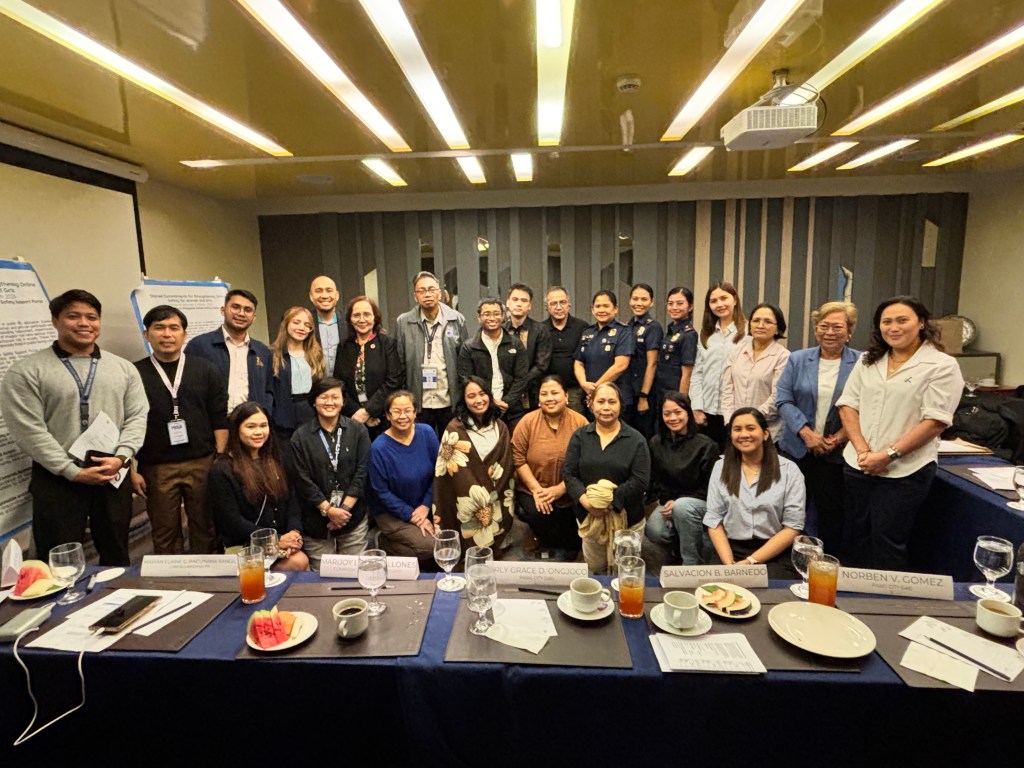
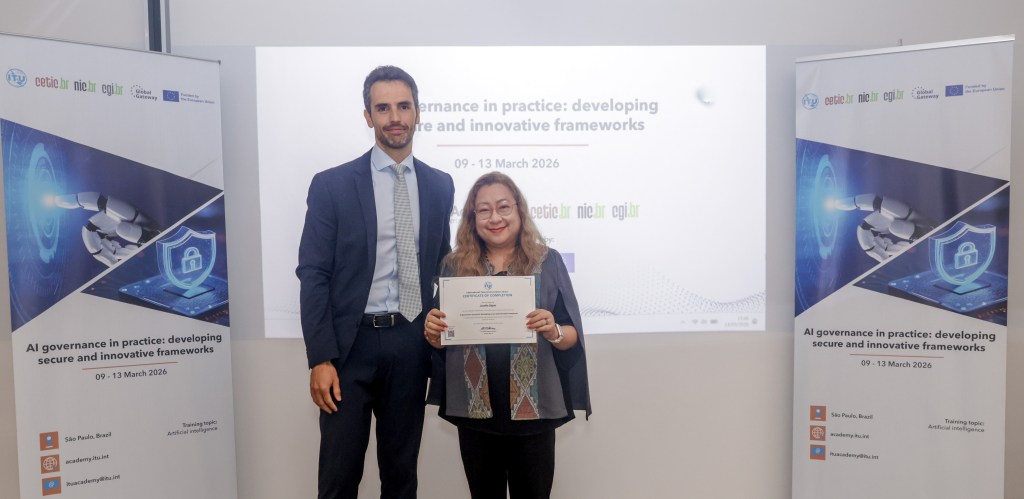
I am proud to be part of the crafting of this law as it aligns with my advocacies to champion of ICT-driven economic growth, digital transformation, and countryside development. Her work emphasizes the importance of local innovation hubs, digital entrepreneurship, and policies that foster tech-driven job creation—all of which are crucial for LGUs implementing RA 11927.
The Significance of RA 11927
RA 11927 recognizes the growing demand for digital competencies and establishes an inter-agency council along with strategies to ensure workforce development. The law underscores the importance of:
- Upskilling and Reskilling – Providing training for emerging digital careers such as AI development, blockchain technology, software engineering, and digital marketing.
- Support for Freelancers and Entrepreneurs – Enabling Filipino professionals to thrive in online platforms, remote work settings, and technology-driven enterprises.
- Public and Private Collaboration – Encouraging partnerships between government agencies, businesses, and educational institutions to advance digital learning.
While these initiatives are beneficial at the national level, their true impact depends on localized execution. LGUs must align their economic strategies with the provisions of RA 11927 to ensure their constituents are prepared for digital opportunities.
Why LGUs Must Take Action
Local governments directly influence workforce development within their regions. By adopting RA 11927, LGUs can:
- Expand Digital Training Programs – Partnering with TESDA, universities, and private organizations to offer certifications in digital skills such as cybersecurity, AI, and software development.
- Create Digital Hubs and Co-Working Spaces – Establishing facilities where freelancers, startups, and tech professionals can collaborate, access high-speed internet, and innovate.
- Support MSMEs in Digital Transformation – Helping local businesses adopt e-commerce, cloud computing, and automation tools, ensuring they remain competitive in the modern economy.
- Provide Incentives for Digital Careers – Offering tax breaks or grants for individuals pursuing careers in freelancing, digital entrepreneurship, and tech-based services.
- Foster Local Communities for Emerging Technologies – Encouraging participation in cutting-edge technology industries, positioning Philippine cities as hubs for digital excellence.
These strategies align with my advocacy for ICT-driven economic growth, particularly her efforts in developing digital cities, promoting tech entrepreneurship, and empowering local communities through technology.
Republic Act No. 11927, or the Philippine Digital Workforce Competitiveness Act, impacts several key groups in the country:
- Filipino Workers – The law aims to enhance their digital skills, ensuring they remain competitive in the global workforce, whether as employees or freelancers.
- Businesses and Employers – Companies will benefit from a more digitally skilled workforce, improving productivity and innovation.
- Educational Institutions – Schools, universities, and training centers will play a role in upskilling and reskilling workers to meet digital industry demands.
- Government Agencies – Various agencies, including the Department of Labor and Employment (DOLE), Department of Trade and Industry (DTI), and Technical Education and Skills Development Authority (TESDA), will oversee training programs and policy implementation.
- Local Government Units (LGUs) – LGUs are encouraged to support digital careers and innovations in their communities, including incentives for technological advancements in industries like agriculture and healthcare.
A Call to Action for Local Leaders
For Philippine LGUs, implementing RA 11927 is not just about policy compliance—it’s about securing the economic future of their constituents. Digital transformation is inevitable, and communities that embrace it will attract investments, create new job opportunities, and drive innovation. Local governments must act now by:
- Conducting assessments on digital literacy levels within their regions.
- Partnering with national agencies and private sector groups to launch tech-focused programs.
- Establishing local ordinances that promote digital workspaces, e-learning access, and entrepreneurship support.
RA 11927 is the foundation, but it is local governments that will turn it into meaningful change. By prioritizing digital workforce development, LGUs can ensure that Filipino professionals not only adapt to but thrive in the digital economy.
This vision is strongly supports my initiatives, which emphasize ICT innovation, digital inclusion, and policies that drive tech-based job creation. By integrating her advocacy into local strategies, LGUs can accelerate digital transformation and create sustainable opportunities for their communities.
The third week of June, celebrated as Philippine Digital Workforce Competitiveness Week, serves as a perfect occasion for LGUs to highlight their efforts, launch new programs, and engage with stakeholders in advancing digital workforce competitiveness. By actively participating in this annual celebration, local leaders can reinforce their commitment to building a future-ready workforce and ensuring that Filipino professionals remain at the forefront of the global digital economy.


 Jocelle Batapa Sigue
Leave a comment