
Introduction
Digital transformation is reshaping global economies, unlocking unprecedented opportunities for innovation, inclusivity, and sustainable growth. For the Philippines, this transformation is both a challenge and a powerful lever for progress—particularly for empowering the countryside and bridging historical inequalities. Drawing from the April 2025 International Telecommunication Union’s (ITU) report, “The Impact of Digital Transformation on the Economy,” this article explores how the Philippines can harness digital technologies to accelerate inclusive development and national prosperity.
In an era shaped by technological acceleration, the Philippines stands at a transformative crossroads. The imperative to embrace digital transformation is no longer aspirational—it is foundational. As global and regional economies pivot toward digitized systems of trade, education, governance, and social development, the Philippines must not only participate but lead with strategic intention.
The ITU 2025 report provides critical econometric insights that reinforce this national urgency. For a country rich in talent yet fragmented by infrastructure disparities, the findings of this report offer a blueprint to turn digital opportunity into inclusive economic progress.

The Power of Digital Transformation in Developing Economies
According to the ITU’s econometric modelling, digital transformation—driven by broadband penetration, regulatory maturity, and digitization—has significant positive effects on GDP, employment, and productivity. A 10% increase in mobile broadband penetration alone can yield up to 2% GDP growth in developing countries.
In the Philippine context, such gains are highly relevant:
- Broadband expansion in underserved rural areas has immense potential to uplift local economies.
- Digital job creation is a key opportunity to transform regional labor markets.
- Regulatory reforms can magnify the economic returns of digital investments.
The Macro-Economic Value of Digitization: At the heart of the ITU’s findings lies clear empirical validation: digital transformation tangibly boosts economic output.
According to the report:
- A 10% increase in digitization correlates with a 1.35% rise in GDP per capita globally, and even higher in OECD countries (1.54%).
- In developing countries, this translates to a 1.00% GDP per capita increase, underscoring the vast untapped potential of digital infrastructure expansion in nations like the Philippines.
These numbers represent real increases in jobs, household incomes, entrepreneurial activity, and public service delivery efficiency. For our archipelagic country, this makes digital transformation not just an economic agenda, but a social justice mission.
Broadband as a Growth Engine
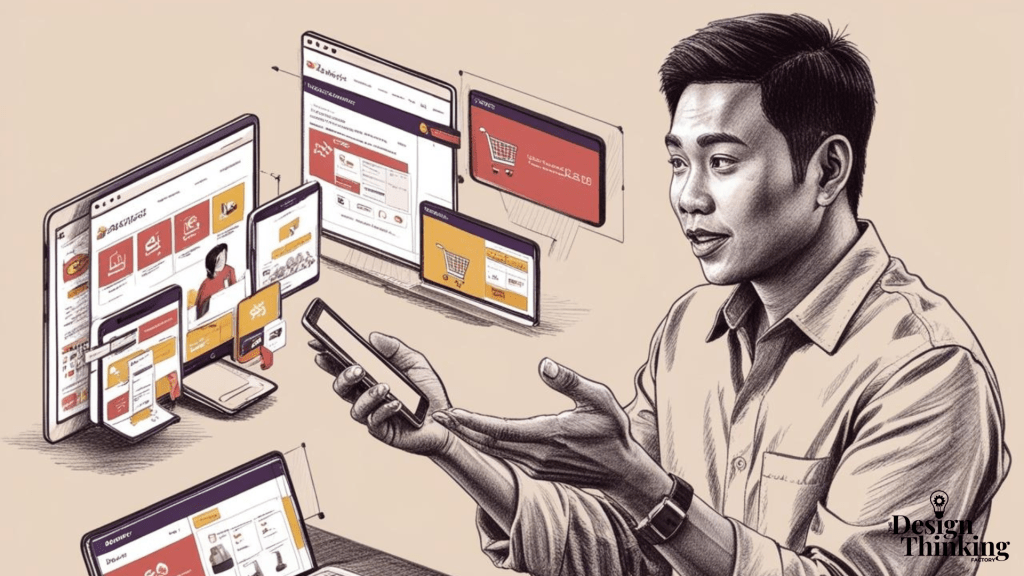
The ITU data confirms what advocates like myself have long championed: connectivity is the bedrock of inclusive growth.
- A 10% increase in fixed broadband penetration yields a 0.80% rise in GDP per capita, with greater returns in developed economies.
- Meanwhile, mobile broadband penetration—more prevalent in the Philippines—generates an even higher 1.60% increase in GDP per capita in developing countries.
This is crucial. While urban centers like Metro Manila enjoy decent broadband access, large swathes of our countryside still lack consistent service. Bridging this digital divide is not merely a technical challenge—it is an economic and ethical obligation.
Post-Pandemic Digital Shifts: Sustained or Temporary?
One might ask: were these digital gains merely pandemic-induced spikes? The ITU report decisively says no.
Despite a natural slowing in broadband adoption since the 2020 surge, the benefits of digital tools—from remote work and e-learning to digital finance and e-commerce—have not diminished. The ITU’s updated models through 2023 indicate that digital adoption continues to support economic recovery and resilience, particularly where affordability and coverage improve.
The Philippines, where lockdowns catalyzed digital experimentation across government, schools, and businesses, must now institutionalize these gains.
Digital Resilience for the Next Crisis
Perhaps most powerfully, the report asserts that countries with stronger digital infrastructure experienced lower economic disruption during the COVID-19 pandemic. This means that investment in broadband, data platforms, and ICT skills is not just about growth—it’s about national resilience.
Given our exposure to climate risks, geopolitical tensions, and global economic shocks, digital resilience is now a matter of national security.
The Countryside as a Digital Frontier
Aligned with my long-standing advocacy for countryside digital innovation, the ITU data highlights the inequality of digital access—especially for SMEs in rural areas, who often lack access to platforms, devices, and reliable internet.
This is both a challenge and a call to action. If we prioritize countryside connectivity, we can unlock:
- Remote work hubs for young professionals
- Agri-tech solutions for farmers
- E-commerce platforms for rural artisans and MSMEs,
- And digital health services for isolated communities.
Let us not urbanize opportunity—let us digitally decentralize it.

Digital Skills and Human Capital
I firmly believe that Infrastructure alone is not enough. The digital economy thrives on human capacity—and this is where the Philippines shines.
With a young, English-speaking population, and a strong diaspora accustomed to remote work, we have a strategic edge. The challenge is ensuring that our youth are not just consumers of technology but creators and leaders within it.
The ITU and complementary reports like Coursera’s Job Skills Report 2025 and the WEF Future of Jobs 2025 underscore the need for reskilling in AI, cybersecurity, data science, and digital entrepreneurship—fields where Filipino youth can excel with the right support .

Economic and Employment Implications for the Philippines
1. GDP Growth and Productivity Uplift
Expanding broadband access, especially to geographically isolated and disadvantaged areas (GIDAs), could stimulate local enterprises, e-commerce, agricultural innovation, and education. This translates into higher regional productivity and national economic resilience.
2. Job Creation in the Digital Sector
Digital transformation stimulates three types of employment:
- Direct (e.g., IT-BPM, telecoms, infrastructure)
- Indirect (e.g., retail, logistics, training)
- Induced (e.g., local services supported by digital workers)
This aligns with my vision of creating digital jobs outside Metro Manila, uplifting rural communities through innovation and opportunity.
3. Gender and Youth Empowerment
Digital jobs offer flexible work opportunities, ideal for women and youth. By targeting skills training and infrastructure investment toward these groups, we can unlock untapped potential and reduce socio-economic gaps.
Since 2022, as Undersecretary at the Department of Information and Communications Technology (ICT, we began rolling out the Digital Innovation for Women Advancement (DIWA) and Generation Connect (GenConnect) programs. These initiatives were crafted with deep insight into the needs of the Filipino workforce, especially in the countryside, and were anchored on a shared vision to make digital transformation inclusive, equitable, and future-forward. Recognizing the immense barriers faced by women and youth in accessing meaningful employment, these programs directly invest in capacity-building, infrastructure, and digital ecosystems that bridge opportunity gaps.
These programs reflect the proactive stance of the Philippines in responding to the global call—as outlined in the ITU 2025 econometric report—to harness digital transformation for inclusive economic growth. By embedding these initiatives within the national digital strategy early on, the DICT has laid a strong foundation for a more agile, inclusive, and empowered digital workforce—where women and youth are not just beneficiaries, but pioneers of transformation.

Enablers of Digital Transformation
1. ICT Regulatory Maturity
The ITU emphasizes that countries with robust regulatory environments benefit more from digital innovation. For the Philippines, strengthening governance through a multi-stakeholder, local-global approach—anchored in ICT Councils—is key.
2. Infrastructure and Human Capital
Investments in digital infrastructure must be matched with aggressive upskilling initiatives:
- Digital literacy campaigns
- AI and data science education
- MSME digital transformation programs
My advocacy has long promoted these interventions through her leadership in national and local ICT development.
3. Localized Innovation Ecosystems
For more than two decades, ICT Councils can serve as innovation laboratories, driving digital roadmaps, job fairs, and ecosystem building at the provincial level.
ICT Councils are one of the most powerful grassroots mechanisms for digital transformation in the Philippines. As multi-stakeholder bodies composed of representatives from local government units (LGUs), the academe, and the private sector, these councils embody the spirit of collaborative governance. Positioned at the provincial and regional levels, ICT Councils are uniquely equipped to serve as innovation laboratories—spaces where local solutions are co-created, tested, and scaled based on the community’s real needs and strengths. By mobilizing local talent, identifying sectoral opportunities, and anchoring public-private partnerships, ICT Councils make digital development locally relevant and nationally aligned.
These councils play a crucial role in crafting and executing digital roadmaps that reflect regional priorities—whether it’s building ICT-enabled agriculture, developing local creatives for animation and gaming, or attracting BPO investments to non-urban centers. Through data-driven planning, they help align digital infrastructure investments with workforce capacity-building and SME digitalization. ICT job fairs organized by these councils not only connect talent with opportunities but also raise awareness among students, jobseekers, and local businesses about the changing nature of work and the high-value digital careers available beyond Metro Manila.
Moreover, ICT Councils act as ecosystem builders. They provide continuity and coherence to digital transformation efforts that often outlast electoral cycles, by institutionalizing long-term strategies and convening key stakeholders regularly. They can catalyze digital hubs, incubation centers, and local innovation summits that foster creativity, entrepreneurship, and civic tech. By embedding digital inclusion into local development, ICT Councils ensure that provinces are not passive recipients of national ICT programs, but active architects of their digital futures—aligning perfectly with the countryside innovation vision I co-championed with other ICT local advocates.
Strategic Policy Recommendations
To maximize the benefits of digital transformation, the Philippines must adopt the following measures:
- Accelerate last-mile broadband connectivity
- Establish inclusive ICT policies via local ICT councils
- Scale up digital workforce and entrepreneur development
- Incentivize investments in the countryside’s digital economy
- Integrate digital economy metrics in local and national planning
A Call to Collective Action for the Philippines
Digital transformation is not just about technology—it is about people, communities, and inclusive nation-building. The insights from the ITU 2025 report reaffirm Jocelle Batapa-Sigue’s enduring advocacy: that digital empowerment, when rooted in ethical governance and grassroots collaboration, can be the foundation for a resilient and equitable Philippines.
Let us unite to build a future where every Filipino, regardless of geography, has access to the tools, skills, and opportunities of the digital age.
Policy Implications and Strategic Recommendations
The ITU report’s policy conclusions are clear, and as a long-time digital policy advocate, I fully support these actions:
- Reverse the decline in capital spending on telecommunications infrastructure.
- Prioritize universal broadband access, especially in underserved rural and island communities.
- Promote regulatory reforms that enable competition, innovation, and private sector participation in ICT rollouts.
- Bridge the affordability gap to ensure low-income families and SMEs can sustainably use digital services.
- Institutionalize digital literacy from primary education to lifelong learning programs.
In short, a whole-of-nation digital strategy—anchored in equity and inclusion—is the only way forward.
The Philippine Digital Transformation Scorecard
Based on ITU’s models and data across 139 countries, how does the Philippines fare?
- We are included in the global analysis of fixed broadband’s economic impact.
- Our mobile broadband adoption is high, but still uneven regionally.
- Our investment in digital infrastructure lags behind our ASEAN peers.
But what matters more than where we are is where we can go.
Vision for 2030: A Digitally Empowered Nation
The data from ITU and allied sources provides not just a diagnosis but a direction. By 2030, the Philippines can:
- Be a leader in remote service exports, leveraging our BPO experience to enter high-value digital jobs.
- Ensure 90% broadband coverage, including all public schools, barangays, and rural health centers.
- Build thousands of countryside digital innovation hubs through partnerships with LGUs, universities, and the private sector.
- Develop a national digital talent pipeline, with targeted programs for youth, women, PWDs, and returning OFWs.
- Champion ethical digital governance, ensuring privacy, safety, and accountability in all ICT systems.
As we absorb the empirical insights of the ITU 2025 report, let us not lose sight of the values that must guide our digital future—authenticity, empathy, fairness, and community.
Digital transformation is not about faster gadgets or more apps—it is about people, their potential, and the systems that support them.
References:
Coursera (2025). Job Skills Report
ITU (2025). The Impact of Digital Transformation on the Economy
WEF (2025). Future of Jobs Report
Visit jocellebatapasigue.com to learn more and join the movement for a digitally empowered Philippines.


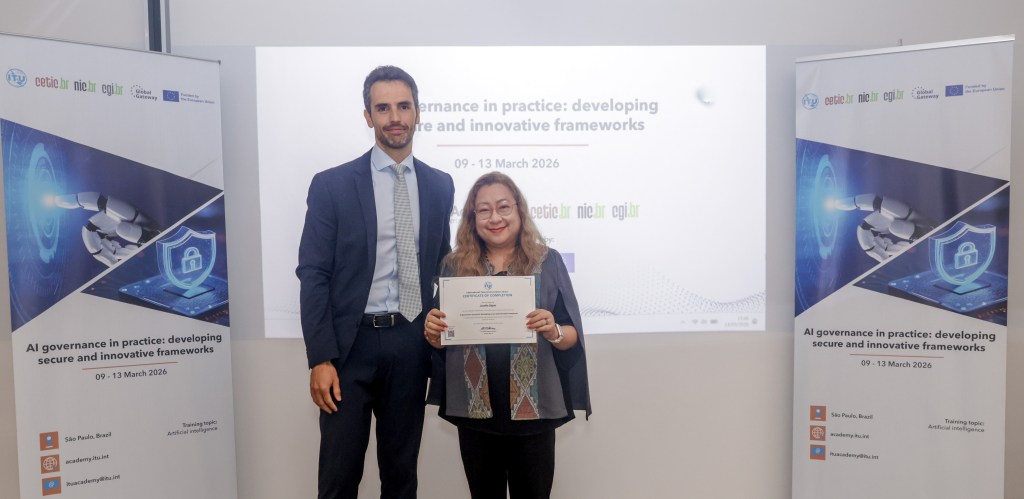

 Jocelle Batapa Sigue
Leave a comment