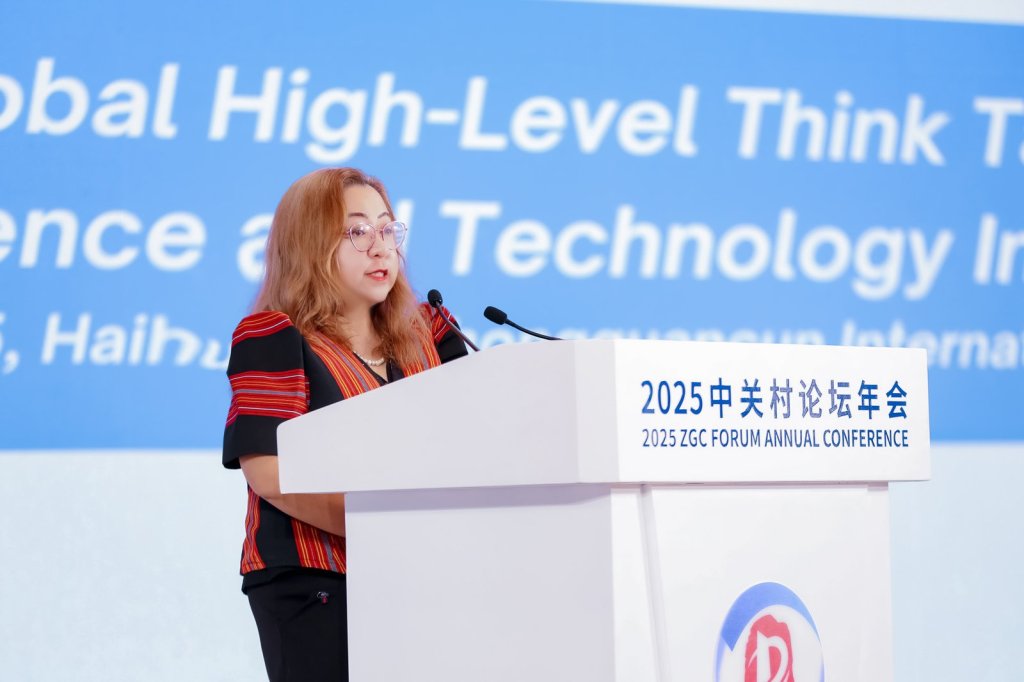
March 28, 2025 | Haihui Hall, Zhongguancun International Innovation Center, Beijing, China
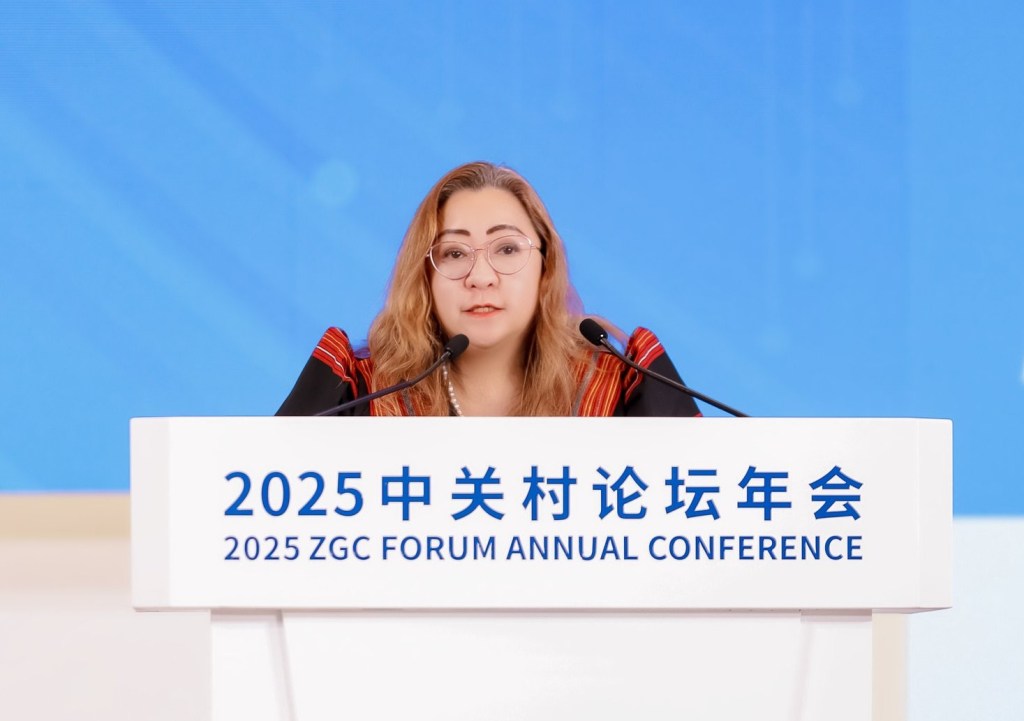
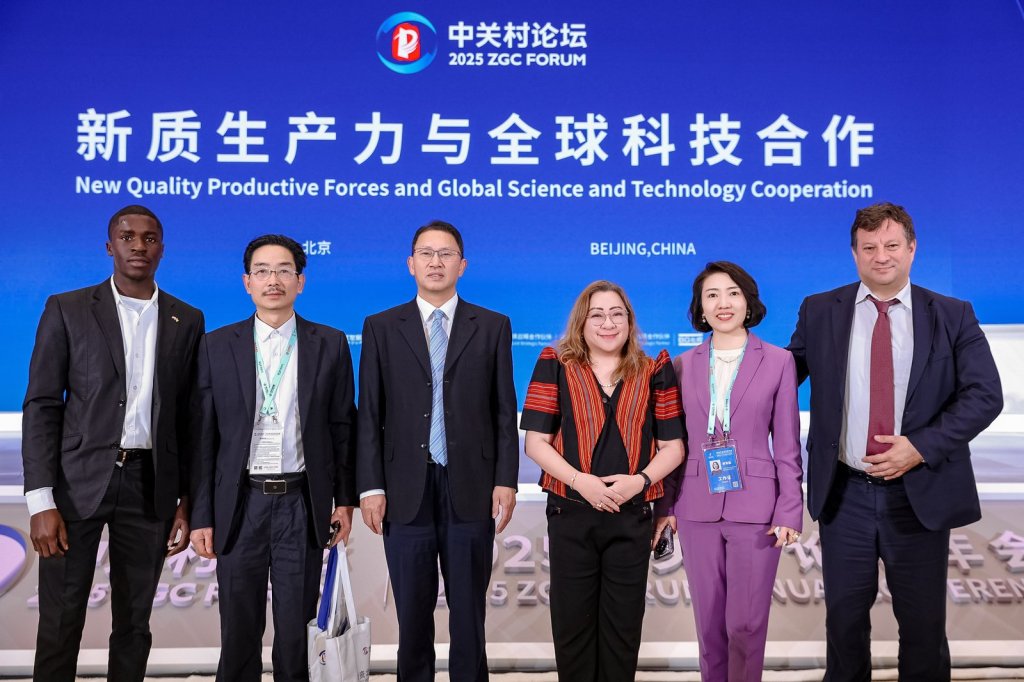
Undersecretary Jocelle Batapa-Sigue of the Department of Information and Communications Technology (DICT) of the Philippines delivered a compelling keynote address at the 2025 Global High-Level Think Tank Forum for Science and Technology Innovation in Beijing. Held at the iconic Zhongguancun Innovation Center, the event brought together world-renowned scientists, policymakers, innovation experts, and diplomats to foster global collaboration in science and technology.
Her speech—“Philippine Innovation Ecosystem: How Startups Propel Economic Growth and Promote Digital Inclusion”—highlighted the Philippines’ holistic strategy for empowering its digital economy, harnessing innovation, and building a future-ready society.
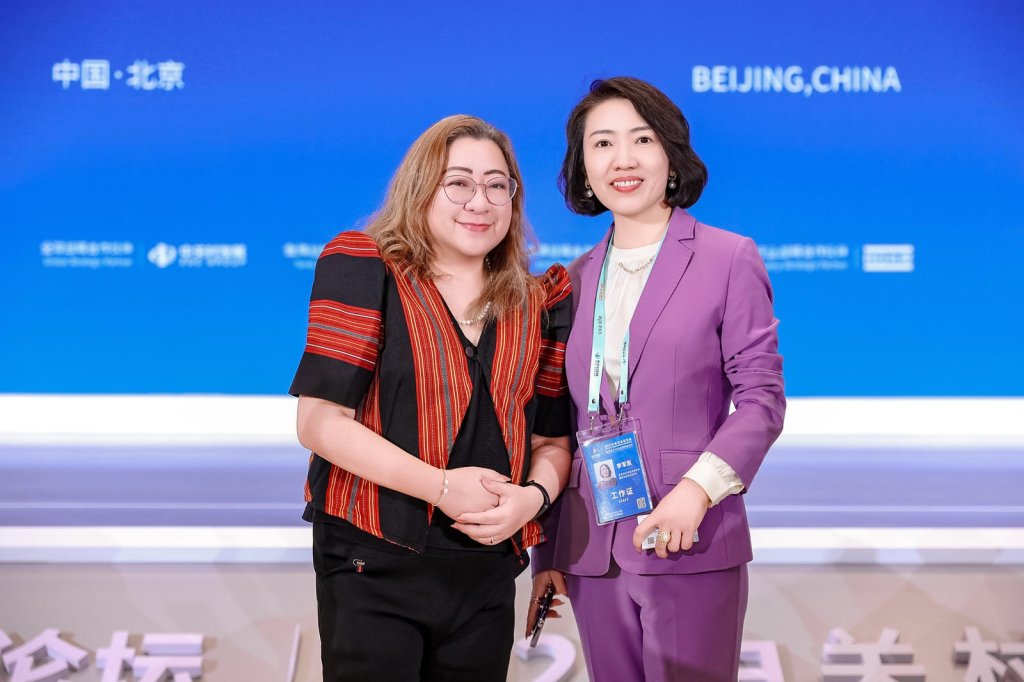
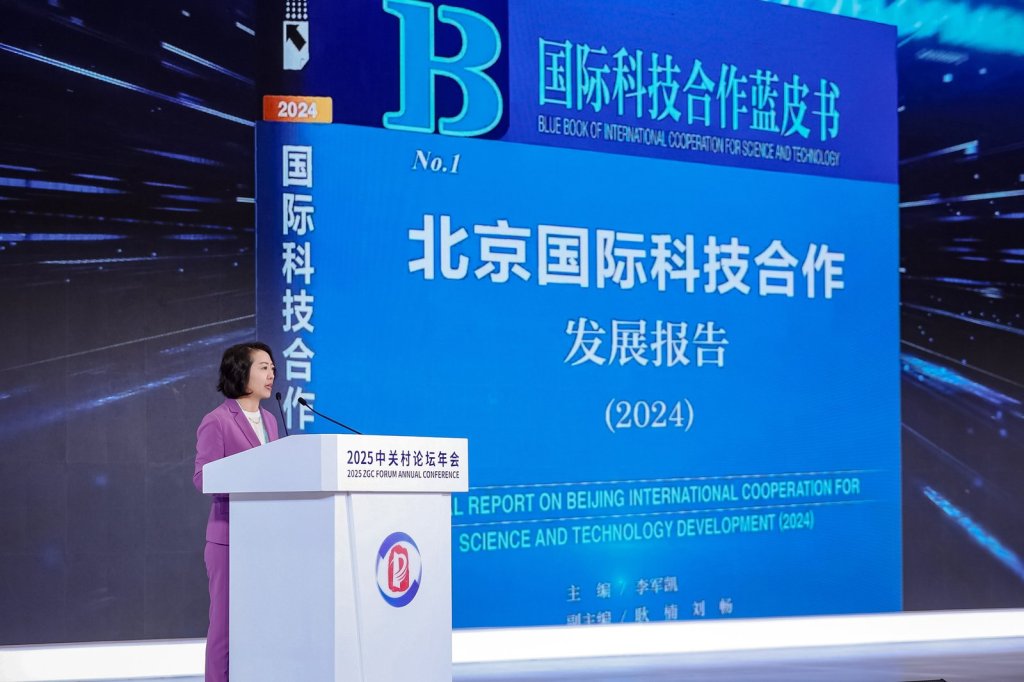
Undersecretary Batapa-Sigue was invited to speak at the prestigious forum by Dr. Li Junkai, Director of the Center for International and Regional Cooperation at the Beijing Academy of Science and Technology and Secretary General of the ZGC Global High-Level Think Tank Alliance. She expressed her sincere appreciation for the invitation and extended her warm congratulations to Dr. Li and the entire organizing team on the successful release of the 2024 Annual Report on Beijing International Cooperation for Science and Technology Development.
The Philippine Digital Agenda: A Roadmap for Inclusive Innovation
“This report is a testament to the strength of international collaboration in shaping resilient, knowledge-driven societies,” Batapa-Sigue noted. “It is an honor to join global leaders in this effort to align innovation with inclusion and sustainability.”
In her keynote, Undersecretary Batapa-Sigue emphasized that the DICT’s mandate is to promote the national ICT development agenda which supports inclusive digital transformation. She described the Philippine Innovation Ecosystem as one rooted in equity, participation, and innovation.
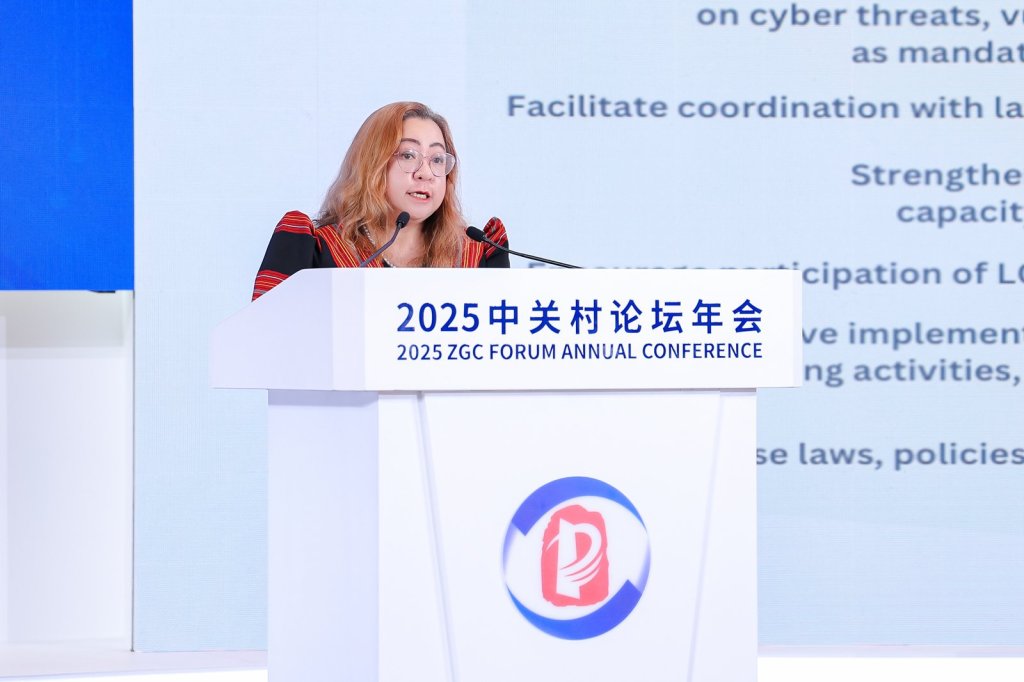
She elaborated on how the Philippines is creating a more accessible digital environment by:
- Expanding broadband connectivity through programs like BBMP (Broadband ng Masa Program), ensuring even the most remote communities are digitally connected.
- Promoting a whole-of-nation digital transformation, aligned with the Philippine Development Plan 2023–2028 and DICT’s Digital Philippines blueprint.
- Ensuring all Filipinos benefit from digital progress—not just urban centers—by investing in last-mile connectivity and localized digital services.
“We believe that innovation must be inclusive, accessible, and empowering for every Filipino,” she stated. “In the Philippines, we are building an ICT ecosystem that leaves no one behind.”
Empowering Startups: The Heart of Philippine Digital Growth
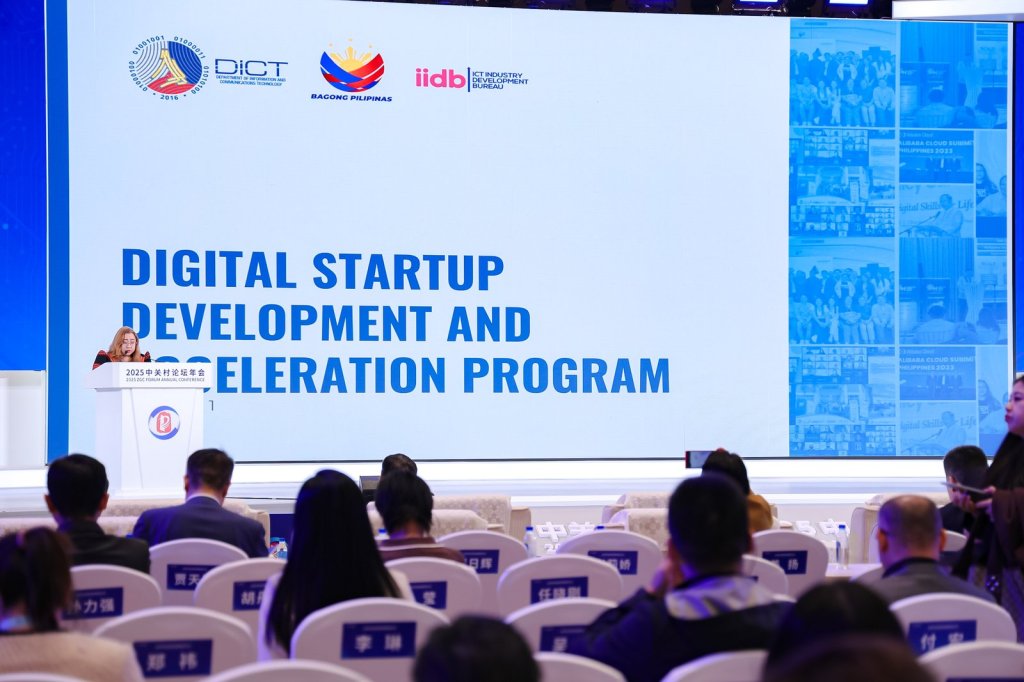
A central theme of her presentation was the crucial role of startups in driving economic growth, job creation, and technological advancement in the Philippines. She showcased DICT’s flagship initiative—the Digital Startup Development and Acceleration Program (DSDAP)—which provides end-to-end support to startups through:
- Capacity building and mentorship
- Startup grant funding access
- Networking with local and international venture capital
- Innovation hubs and co-working spaces in underserved regions
This program has catalyzed innovation in sectors such as agriculture, healthcare, fintech, education, and disaster resilience, allowing Filipino startups to develop scalable, high-impact solutions that respond to real societal needs.
“Our startups are not just technology providers—they are solution-makers who serve their communities,” Batapa-Sigue remarked. “They’re helping farmers access markets, empowering students with e-learning tools, and providing disaster-prone areas with real-time information systems.”
Bridging the Digital Divide Through Skills and Empowerment
Undersecretary Batapa-Sigue placed strong emphasis on digital skills development as the cornerstone of digital inclusion, which rolls out trainings for out-of-school youth, freelancers, and displaced workers for online jobs, promotion of community-based digital hubs providing access to ICT resources and eGovernment services, and various upskilling programs designed to future-proof the Philippine workforce
Through these initiatives, the Philippines is not only increasing access to technology but also ensuring that citizens have the skills and literacy to use digital tools meaningfully.
“A digitally skilled citizenry is our greatest asset. We are enabling Filipinos to become participants—and not just consumers—of the digital economy,” she asserted.
Promoting Women’s Leadership in Tech: DIWA in Focus
The Undersecretary spotlighted DIWA (Digital Innovation for Women Advancement) as one of DICT’s pioneering efforts to close the gender gap in technology and leadership. DIWA empowers women through:
- Digital literacy and coding bootcamps
- Startup incubation for women-led enterprises
- Mentorship from women in STEM and digital careers
- Safe and inclusive online spaces
By focusing on gender-responsive innovation, DICT ensures that digital transformation supports equity, representation, and innovation from diverse voices.
“When women lead in tech, communities thrive,” she said. “DIWA is our call to ensure that women are not just part of the digital future—they are shaping it.”
International Collaboration and Innovation Diplomacy
Undersecretary Batapa-Sigue also highlighted the importance of global partnerships, citing ongoing collaborations with ASEAN, APEC, and other international stakeholders in areas like emerging technologies, cybersecurity, and digital governance.
As a firm believer in innovation diplomacy, she affirmed that the Philippines actively engages in global dialogues to share lessons, align strategies, and contribute to regional and global resilience.
“We are learning from the best, and we are proud to share what we are building. Our digital transformation journey is uniquely Filipino, but globally connected.”
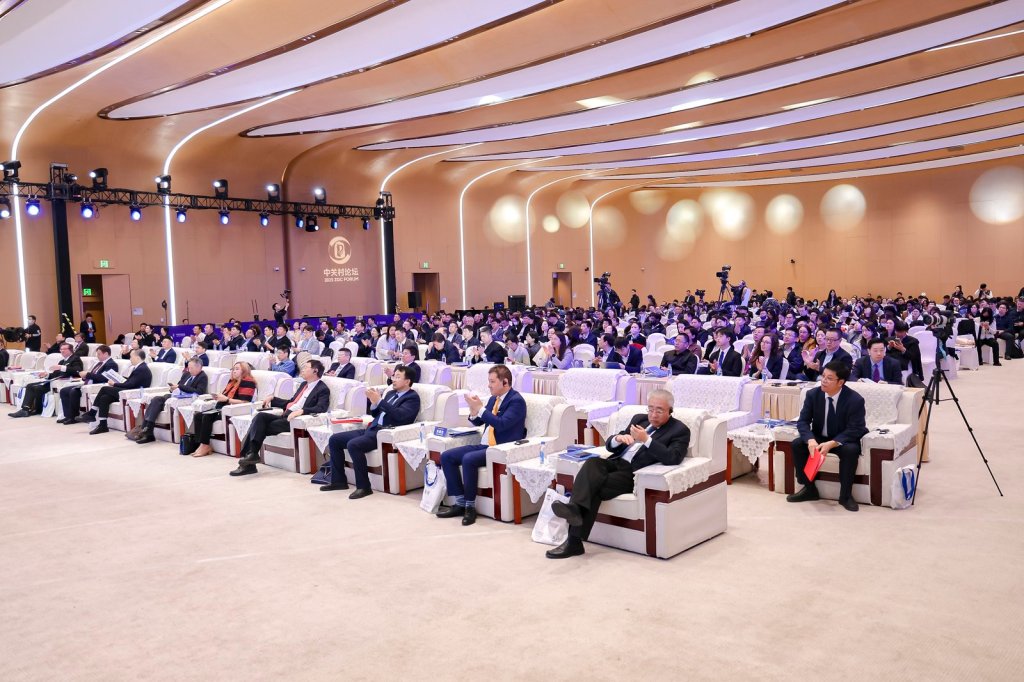
Her address was one of several keynotes delivered by prominent science and innovation leaders, including:
- Zhang Tao – on zero-carbon industry restructuring
- Nenad Filipović – on digital twins and innovation ecology
- Qiu Baoxing – on strengthening urban innovation vitality
- Jin Hyung Kim – on the future of AI chatbots
- Fu Xiaolan – on AI-driven industrial innovation chains
- Arnout Jacobs – on the power of open science
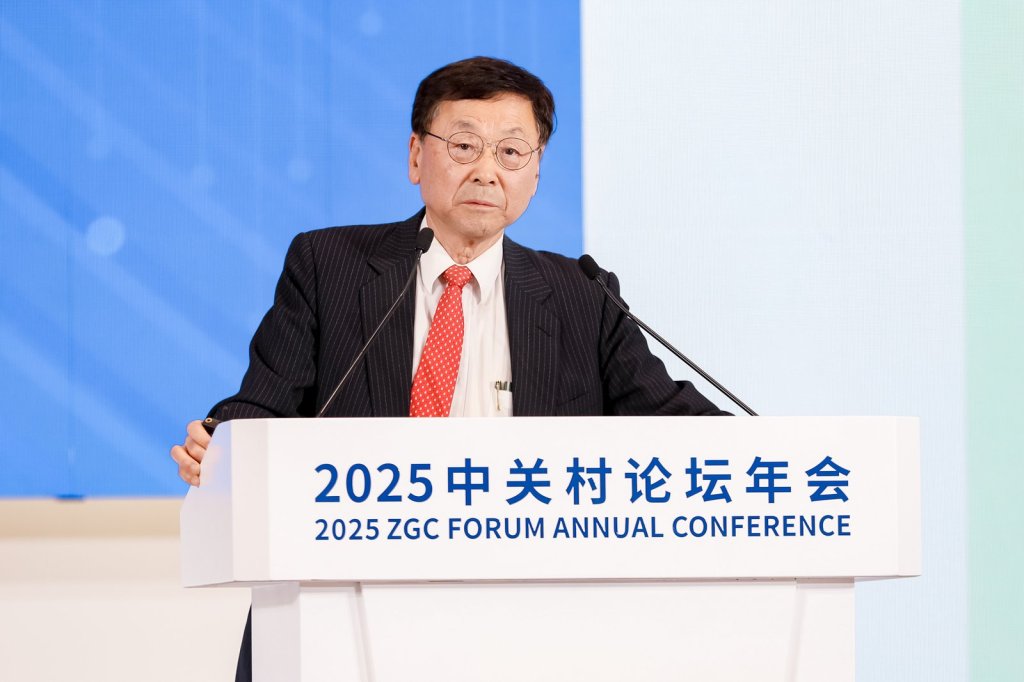
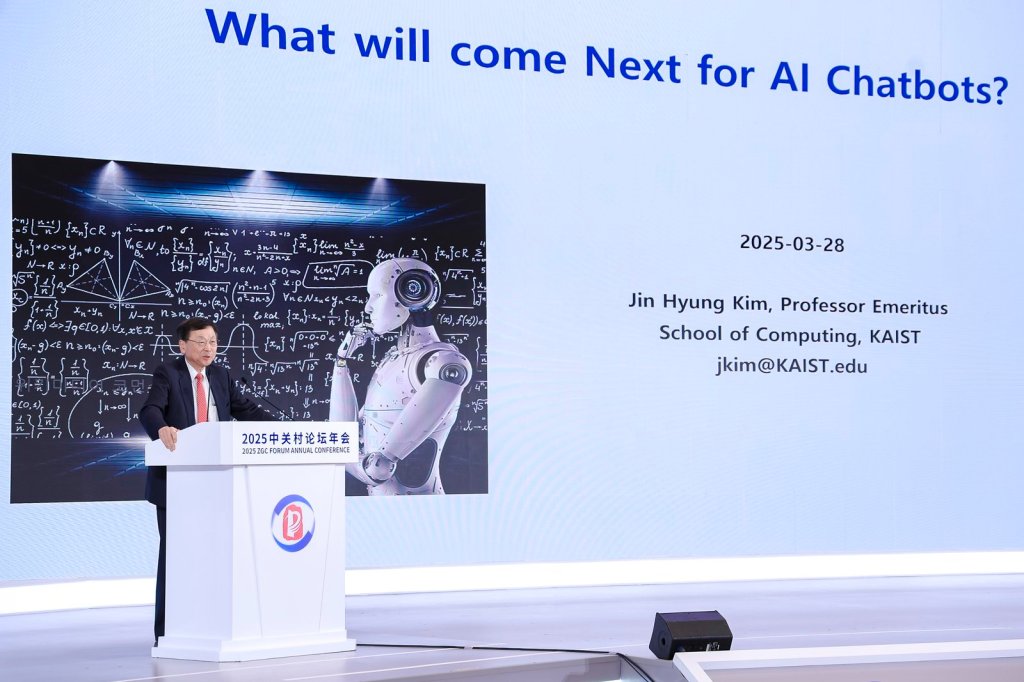
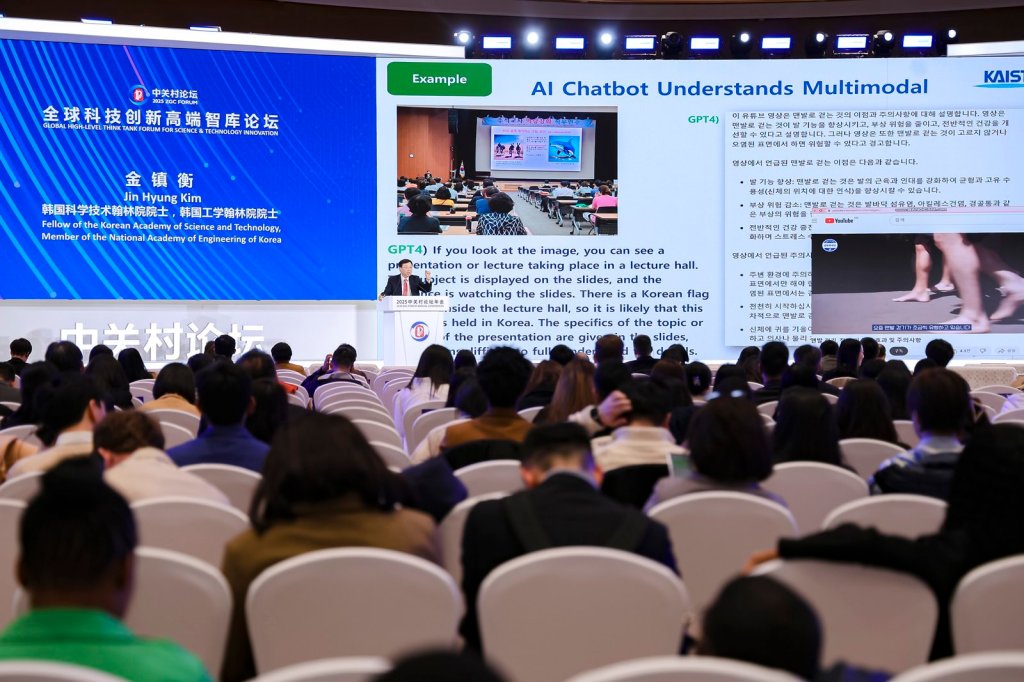
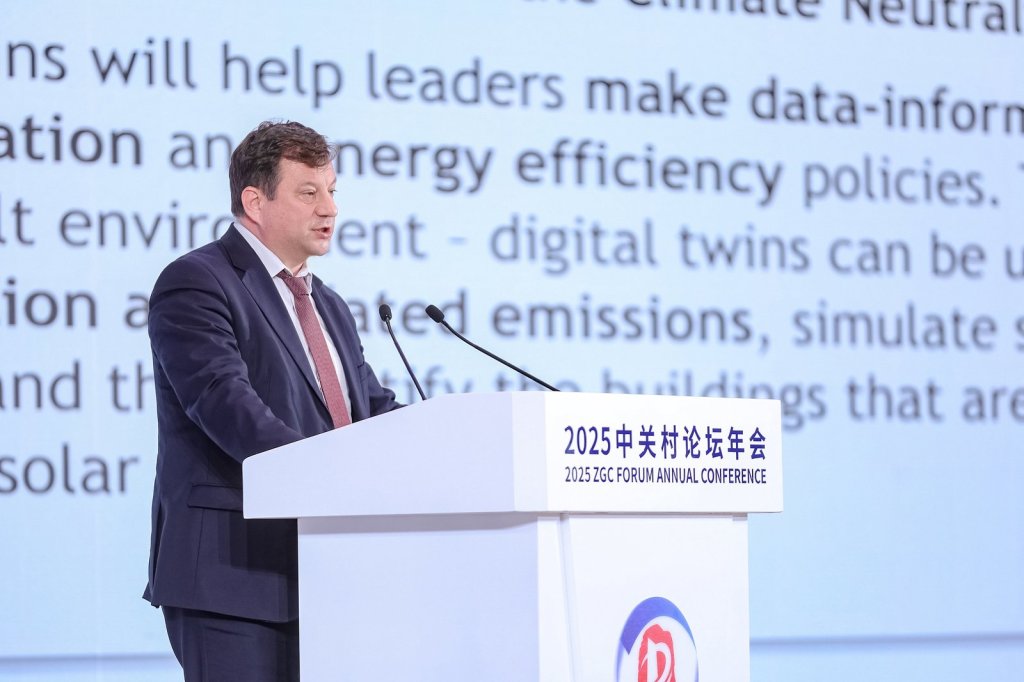
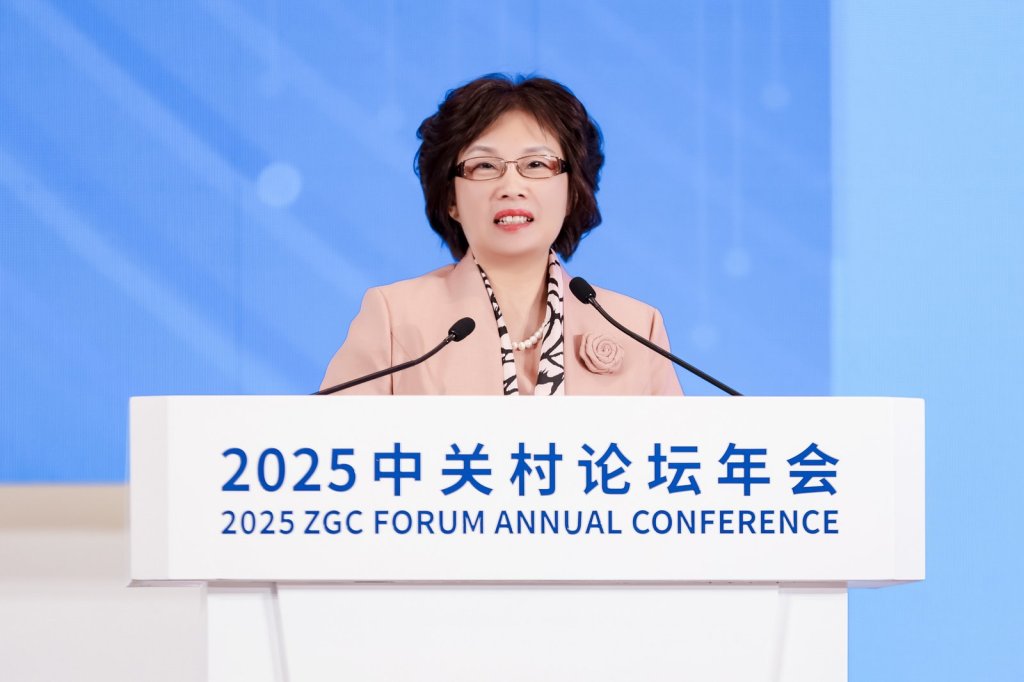
The forum also featured international cooperation ceremonies, including the launch of the ZGC Global High-Level Think Tank Alliance, and the release of innovation achievement reports and knowledge publications that support the Belt and Road Initiative.
Looking Ahead: Startups and the Future of the Philippine Digital Economy
In closing, Undersecretary Batapa-Sigue expressed her optimism for the future of innovation in the Philippines:
“The future is being written today—by entrepreneurs in our provinces, by women in tech, by youth learning code in barangays. Startups will continue to drive us forward, and we will continue to empower them with the right tools, policies, and partnerships.”
Her message reaffirmed the Philippines’ position as a rising hub for inclusive, grassroots-driven innovation in Southeast Asia—one that prioritizes digital empowerment as the foundation of national progress.
About DICT
The Department of Information and Communications Technology (DICT) is the primary government agency in the Philippines responsible for developing, promoting, and regulating the country’s ICT agenda in support of economic growth, innovation, and digital inclusion.
About the Forum
The 2025 Global High-Level Think Tank Forum for Science and Technology Innovation is an annual summit hosted in Zhongguancun, Beijing’s leading innovation district. It serves as a platform for high-level exchange on global scientific, technological, and strategic development issues.

 Jocelle Batapa Sigue
Leave a comment