By Joecel Marie Verde
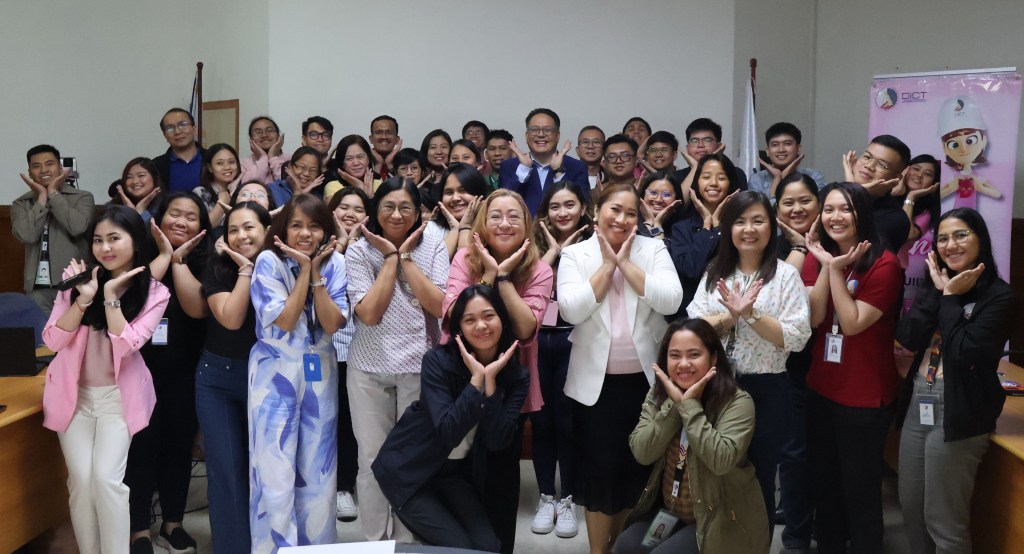
“Leadership is not about position, it’s about action.” This powerful message by Undersecretary Jocelle Batapa-Sigue set the tone for the Leadership Seminar: From Crab Mentality to Geese Mentality on March 7, 2025 at Department of Information and Communications Technology (DICT).

The DICT through the Office for ICT Industry Development (OUIID) under its Digital Innovation for Women Advancement (DIWA) program, successfully hosted the program as part of the National Women’s Month Celebration with Richard M. Caballero, a renowned Global Executive and Founder of the Geese Project, as resource speaker.
Corporate Planning and Management Service (CPMS) Director Maria Teresa Magno-Garcia opened the event, emphasizing the importance of strong leadership, particularly among women. She reminded the audience that leadership is not just about breaking glass ceilings but also about creating a culture where women empower and uplift each other. Her words set the stage for a powerful discussion on shaping leaders who will redefine the future.
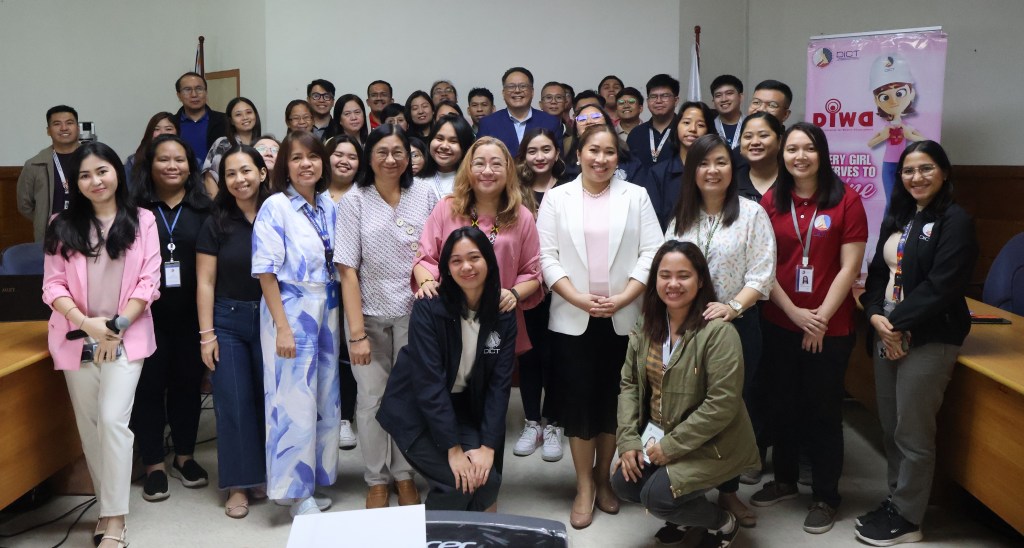

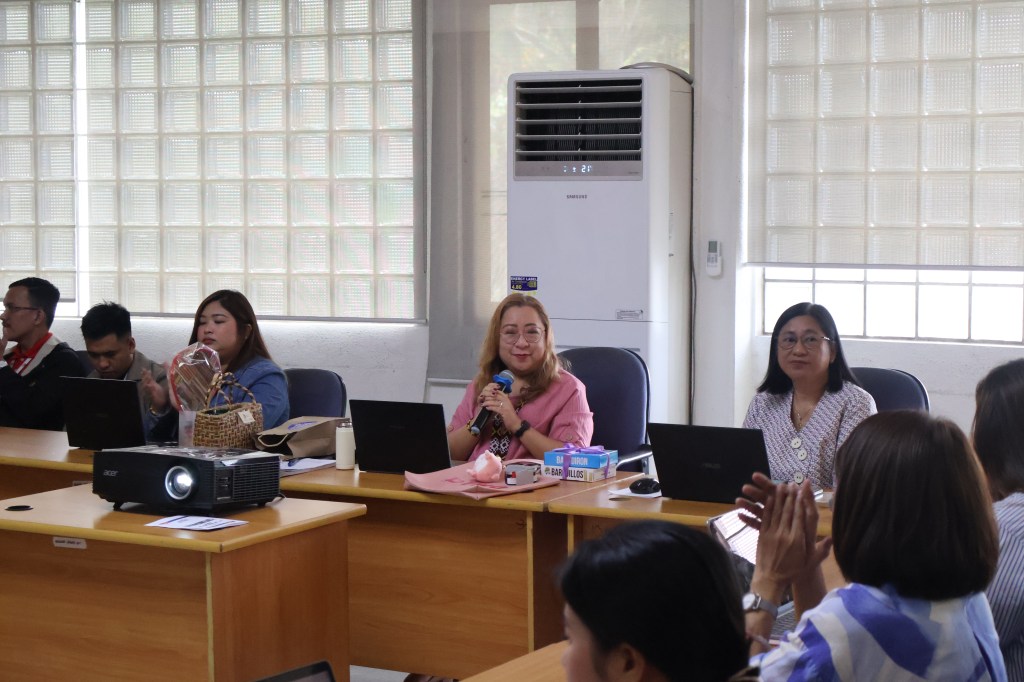

Undersecretary Jocelle Batapa-Sigue delivered an inspirational message on the need to grow and invest in self-development and leadership, particularly for women in ICT. She highlighted the DIWA Project, which has gained international support from APEC and ASEAN, proving that Filipino women are making strides in the digital space. She reinforced that leadership is not defined by titles, urging young leaders, especially women, to step up and make an impact, whether in front or behind the scenes.
The seminar focused on transforming Filipino leadership by addressing deep-seated cultural norms that influence leadership effectiveness. Mr. Caballero’s presentation explored 12 culture-based leadership traits that either empower or limit Filipinos in their pursuit of global leadership roles. The self-reflecting talk of Caballero challenged attendees to rethink leadership through a cultural lens.
The discussion challenged participants to reflect on how parental upbringing, educational systems, and societal expectations shape leadership styles—often reinforcing strengths such as relationship-building, resilience, and resourcefulness, while simultaneously hindering abilities in conflict management, critical thinking, and assertive communication.
He posed a crucial question: Why are Filipino leaders rarely seen in senior roles within multinational companies? His answer lay in the necessity of developing leadership traits that are deeply rooted in cultural identity. He pointed out that many top executives in global corporations’ hail from India, where leadership is often shaped by culturally ingrained traits such as assertiveness, strategic thinking, and resilience. To compete at this level, Filipino leaders must recognize and harness their own unique cultural DNA which is a blend of values shaped by parenting styles, educational backgrounds, and social norms.
Caballero introduced the Geese Mentality, a contrary to the well-known Crab Mentality that has often been used to describe the struggles of Filipino leadership. While crabs pull each other down, geese lift each other up, flying in formation and taking turns leading the way. This metaphor illustrated the importance of collective empowerment and mentorship in leadership development.
He emphasized that Filipinos possess immense leadership potential, yet outdated mental models—particularly crab mentality, which fosters competition at the expense of collective progress—often prevent many from excelling on the global stage. Instead, the session advocated for adopting a “geese mentality”, which promotes collaborative leadership, continuous learning, and lifting others while rising.
He also outlined a structured roadmap for leadership growth, built on four key traits. Power Traits represent inherent strength qualities that naturally position individuals for leadership. Challenge Traits are personal struggles that must be addressed and improved upon. Aspirational Traits are leadership qualities already present in Filipino culture, such as adaptability and strong work ethic. Finally, Foundational Traits are the non-negotiable principles that define ethical and effective leadership. Through this model, the Geese Project seeks to transform Filipino professionals into global leaders who are not just competent, but culturally confident and collaborative.
The seminar concluded with a lively discussion on navigating hierarchical environments, a common challenge for aspiring leaders. One of the key concerns raised was the difficulty of rising through rigid corporate structures, where authority is often tied to seniority rather than merit.
Undersecretary Sigue emphasized that leaders should not be afraid to speak up and assert themselves, regardless of background or position. Caballero reinforced this point, reminding participants that resilience is crucial in overcoming systemic barriers. He introduced the Winner’s Creed, a mindset that champions success as a mental game, where belief in one’s capabilities can be the defining factor in achieving leadership positions.
Laurice “Auie” Macapaz closed the discussion with a simple yet powerful call to action: “Be the leader you want to be, show it to the world, and someone will notice you.” This statement encapsulated the essence of the event which emphasizes that leadership is not just about waiting for opportunities but about proactively demonstrating one’s capabilities.
The Leadership Seminar: From Crab Mentality to Geese Mentality was more than just an informative session—it was a transformational call to action for Filipino leaders to embrace a mindset of empowerment, mentorship, and continuous learning. By shifting towards a culture of collaboration and shared growth, Filipino leaders can elevate themselves, their communities, and ultimately, the nation, on the global stage.
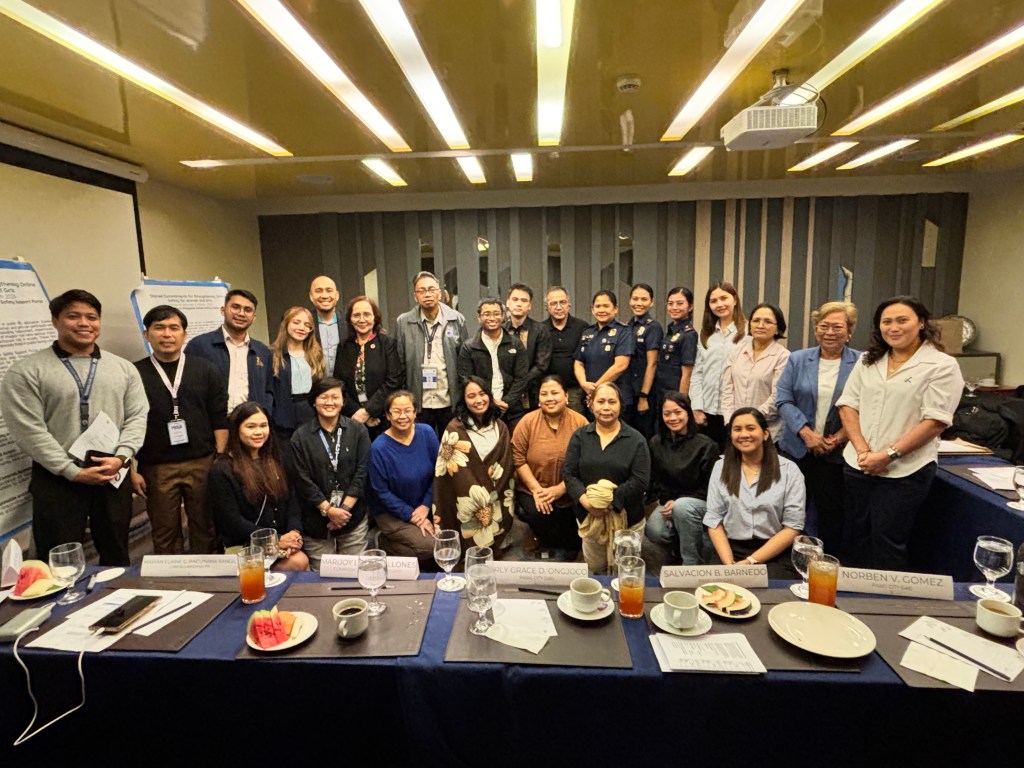


 Jocelle Batapa Sigue
Leave a comment