Quezon City, Philippines — The Department of Information and Communications Technology (DICT), through the Office of the Undersecretary for ICT Industry Development (OUIID), convened industry leaders, policymakers, and education stakeholders for the EUREKA AI Policy Workshop Series on December 19, 2024, at the Cybercrime Investigation and Coordinating Center (CICC). This initiative underscores DICT’s strategic commitment to leveraging Artificial Intelligence (AI) for national development and economic growth.
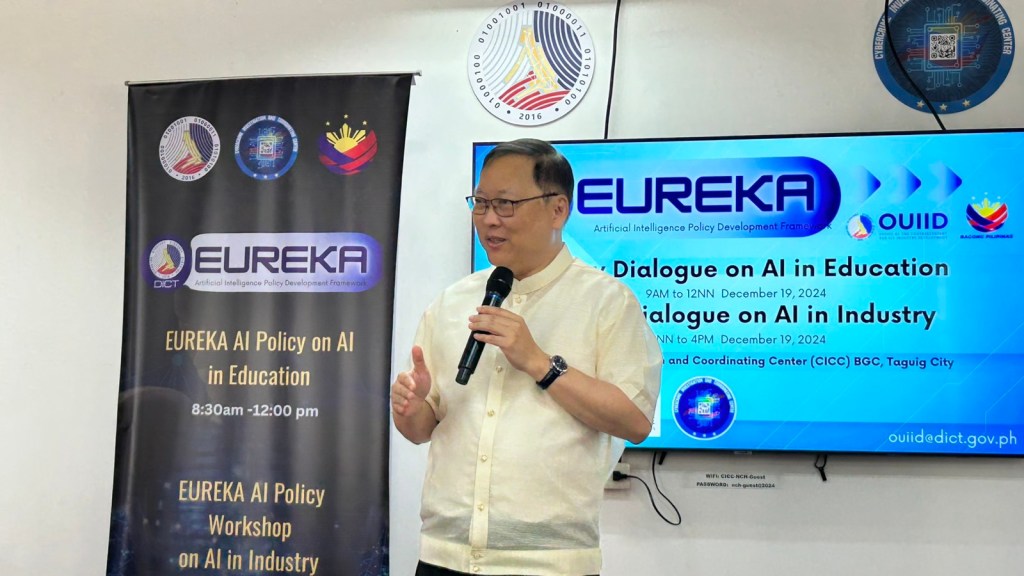
DICT Secretary Ivan John Uy spoke at the EUREKA AI Policy Workshop, emphasizing the critical role of artificial intelligence in contributing to national development, fostering innovation, and ensuring the Philippines remains competitive in the rapidly evolving digital economy.
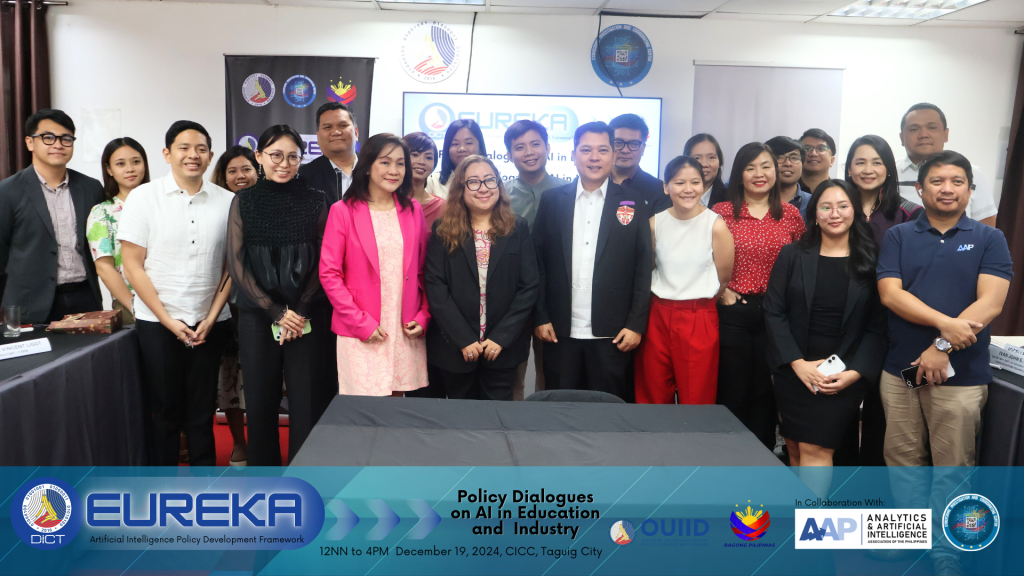
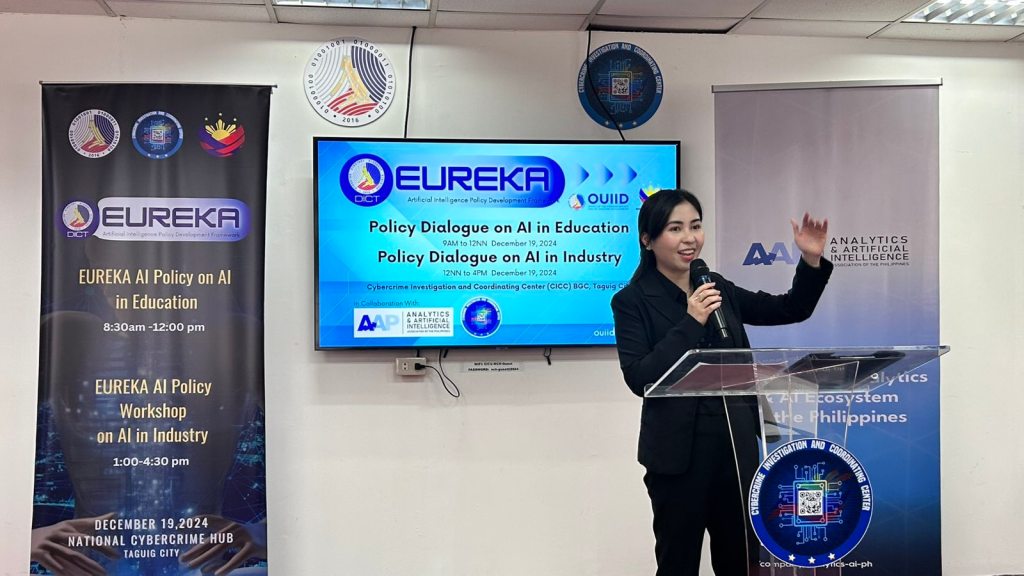
The EUREKA AI Policy Workshop, a flagship policy program under the Office of Undersecretary Jocelle Batapa-Sigue, an initiative undertaken in cooperation with the CICC and the Analytics and Artificial Intelligence Association of the Philippines (AAP), highlights the strategic importance of artificial intelligence in driving innovation, fostering inclusive growth, and preparing the Philippines for the challenges and opportunities of a rapidly evolving digital economy.
The workshops focused on two pivotal areas: AI in Education and AI in Industry, laying the groundwork for transformative opportunities across these sectors.

Secretary Uy emphasized the transformative potential of artificial intelligence (AI) and its rapid integration into society. Furthermore, Secretary Uy highlighted how the advent of generative AI models, such as GPT, made the abstract concepts of machine learning tangible and accessible to the public, triggering widespread interest in the technology. However, he cautioned that current applications are just the “tip of the iceberg,” with AI predicted to surpass human intelligence within a decade. He quoted that “We need to develop our capacity to handle the technology before the technology handles us”. The Secretary also addressed the duality of AI’s potential, both as a force for innovation and as a tool for harm. He stressed the importance of collaboration among experts to harness AI’s benefits while mitigating its risks, such as cyberattacks and misinformation.
Drawing parallels to monumental discoveries like fire, Secretary Ivan underscored the disruptive impact AI will have on society, necessitating robust policies, guidelines, and safeguards to manage its far-reaching consequences. He mentioned that “AI is not just an emerging technology, it is a game-changing force.” Reflecting on humanity’s history as apex predators due to superior intelligence, he posed a provocative question: What happens when AI becomes more intelligent than humans? With a blend of optimism and caution, he urged stakeholders to proactively adapt to this evolving technology to ensure it serves humanity’s best interests.
AI in Education: Building a Future-Ready Workforce
The morning session emphasized the role of AI in modernizing education, fostering lifelong learning, and addressing the digital divide. The stakeholders shared some key strategies, including:
Integrating AI-centric curricula into secondary education and embedding foundational AI principles within traditional subjects like mathematics and social studies aim to equip students with both technical proficiency and a nuanced understanding of AI’s societal impact, preparing them for a future shaped by technological innovation.
The initiative focuses on empowering educators by providing them with advanced AI tools and implementing comprehensive professional development programs, enabling them to deliver personalized learning experiences, enhance teaching effectiveness, and optimize student performance outcomes.
Developing comprehensive certification programs aims to standardize AI competency among teachers, equipping them with the necessary skills and knowledge to effectively integrate AI tools and methodologies into their teaching practices, thereby enhancing student engagement and learning outcomes.
“These initiatives reflect our commitment to preparing the Filipino workforce for a tech-driven future,” said Undersecretary Jocelle Batapa-Sigue. “Through AI, we can empower students and educators alike to adapt to the demands of a global economy.”

Resource speaker Sherwin Pelayo highlighted the dual nature of AI’s impact on education , encompassing both its potential benefits and concerns. On one side, AI offers tools for personalized learning, efficient administration, adaptive assessments, and enhanced accessibility. These advancements promise innovative teaching methods and lifelong learning opportunities. However, challenges such as job displacement, ethical dilemmas, data privacy, and over-reliance on technology pose significant hurdles. These realities underline the importance of crafting policies that balance innovation with ethical considerations.
International guidelines, such as those from OECD and UNESCO, emphasize inclusive, transparent, and accountable AI governance. Core principles include human-centered values, fairness, and ensuring AI systems are robust and secure. Transparency and explainability are critical to fostering trust, enabling users to engage with AI systems confidently. Furthermore, recommendations stress the need to promote AI literacy, reduce digital divides, and ensure diversity and equity in AI education programs.
Ethical considerations are pivotal in AI integration into education. UNESCO’s recommendations advocate for human-centered interaction with AI tools, ensuring that they enhance learning without diminishing cognitive abilities or invading privacy. Emphasis is placed on the responsible use of AI, avoiding biases, fostering diverse opinions, and safeguarding marginalized voices. Ethical AI also entails strict monitoring of systems used in learning environments to ensure alignment with educational objectives and societal well-being.
There are current strategies to bridge digital divides and ensure equitable access to AI education. Special attention is given to underserved communities, emphasizing the importance of infrastructure development and public-private partnerships. Promoting inclusion also involves encouraging diverse participation in AI education, such as by women, minorities, and marginalized groups. This ensures that the benefits of AI in education are widely distributed and contribute to societal equity.
Pelayo emphasized that a collaborative approach where teachers and students should work together to harness AI’s potential. The aim is to use AI as a complement rather than a replacement for human interaction. Through effective integration, AI can inspire creativity, foster critical thinking, and create an inclusive, efficient, and personalized learning experience. By blending AI’s capabilities with the irreplaceable human touch, a future can be built where education evolves to meet the demands of a rapidly advancing technological landscape.


AI in Industry: Enhancing Competitiveness and Sustainability
The afternoon session delved into strategies for AI adoption in industries, highlighting its potential to enhance productivity, sustainability, and ethical practices. Key proposals included:
Developing sector-specific AI readiness indices is essential to systematically evaluate industries’ preparedness for AI integration and provide tailored guidance to help them adopt AI technologies effectively, addressing unique challenges and opportunities within each sector.
The initiative involves developing and implementing globally aligned standards and comprehensive certification processes to ensure the ethical, transparent, and accountable use of AI technologies, fostering trust and reliability across industries and stakeholders.
Fostering collaboration between private corporations, policymakers, and standardization bodies is essential to ensuring industries are resilient and adaptable in the face of rapid technological advancements, enabling them to adopt innovative solutions while adhering to globally recognized standards and addressing evolving market demands.
Resource speaker Michelle Alarcon emphasized that AI should be harnessed to promote innovation, sustainability, and economic growth, particularly in underserved sectors. It should align with the goals of the Philippine Development Plan (2023-2028), which aims to achieve a high-growth trajectory while enabling socio-economic transformation. The emphasis is on ensuring that AI contributes to building a prosperous, inclusive, and resilient society that benefits all Filipinos.
She said building trustworthy AI systems is crucial for their successful deployment and acceptance in society. These systems must adhere to principles of validity, reliability, accountability, and transparency, as outlined in the NIST AI Risk Management Framework. Trustworthy AI not only ensures ethical practices but also enhances public confidence in the technology’s ability to serve diverse and equitable purposes.
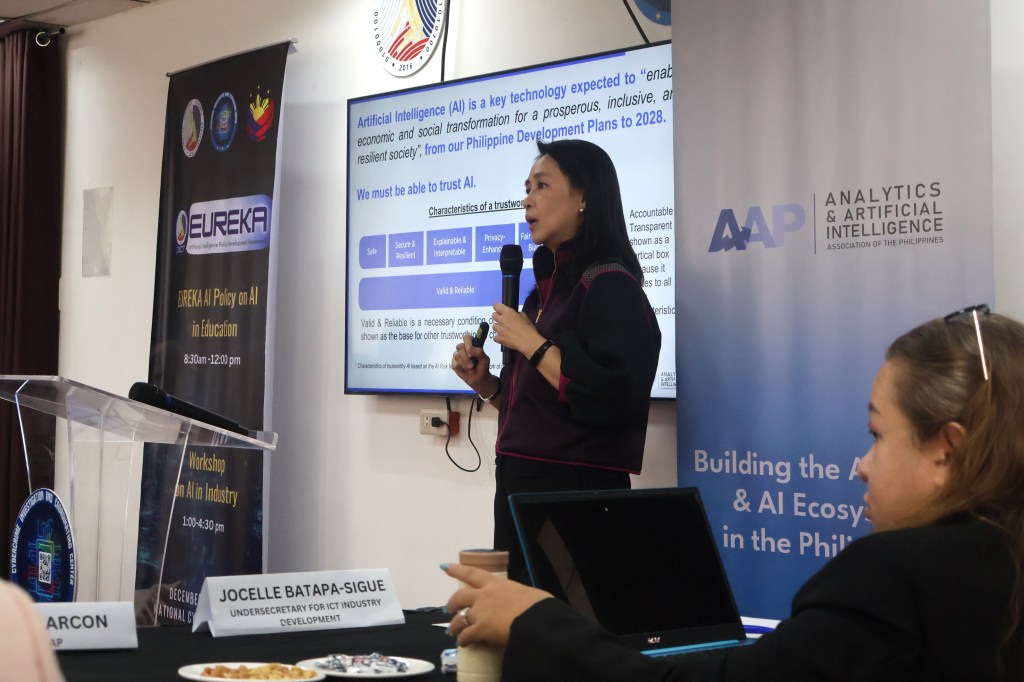
AI has the potential to empower disadvantaged communities by improving access to resources and addressing systemic inequalities. The integration of AI in Industry should stress the importance of including groups affected by disparities related to age, gender, and social class in AI initiatives. It also highlights the critical roles of MSMEs, startups, and corporations in fostering broader participation and representation in the AI ecosystem, she added.
Alarcon said ethical principles in AI must move beyond theoretical awareness to practical implementation through shared knowledge and proven strategies. The workshop advocates for learning from case studies and effective measures to apply these principles across various industries. It emphasizes a balanced approach that mitigates risks while fostering innovation, ensuring that AI benefits society without causing harm.
The ultimate goal is to establish a resilient AI ecosystem in the Philippines that is both innovative and ethical. This vision includes addressing social disparities, reducing poverty, and creating jobs while celebrating diversity and fostering inclusion. By embedding trust, transparency, and equity into AI governance, the Philippines aspires to leverage AI as a transformative tool for sustainable and inclusive growth, she added.


Strategic Vision and Economic Impact
The EUREKA framework, anchored on six pillars—Empowerment & Education, Universal Access, Responsible Design, Ethical Innovations, Knowledge-driven Society, and Agile Governance—serves as a roadmap for sustainable AI development. By addressing these dimensions, the DICT aims to position the Philippines as a hub for ethical and inclusive AI innovation in Southeast Asia.
AI is projected to contribute $15.7 trillion to the global economy by 2030, and ASEAN economies are poised to benefit significantly. Through initiatives like EUREKA, DICT aims to harness AI’s potential to drive innovation, create high-value jobs, and attract investments into the country’s burgeoning tech ecosystem.
A Call to Collaboration
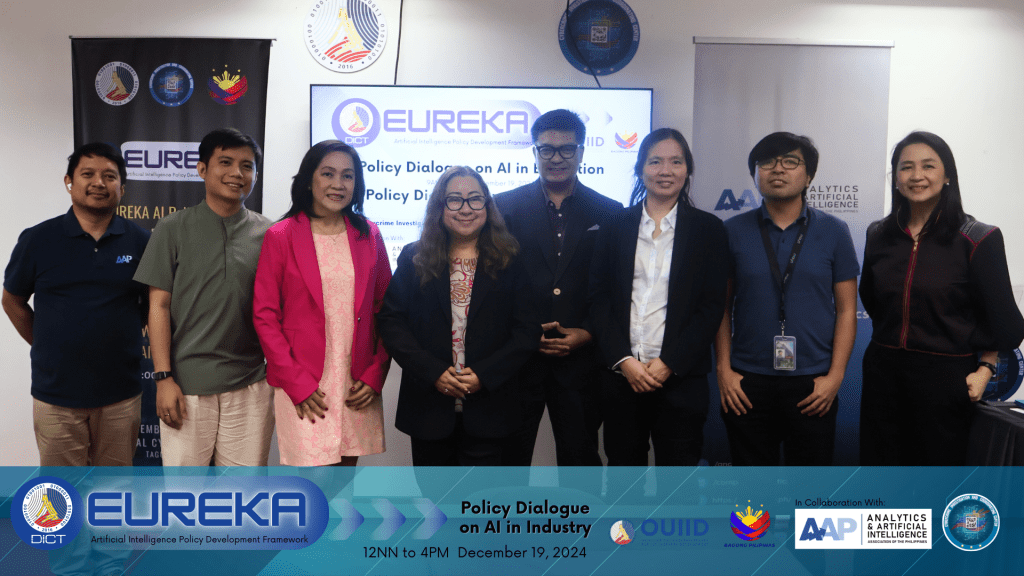
DICT Undersecretary Batapa-Sigue highlighted the importance of partnerships across government, academia, and the private sector to realize the vision of an AI-powered Philippines. Investments in AI education, infrastructure, and policy frameworks are critical to ensuring the Philippines remains competitive in the global AI race.
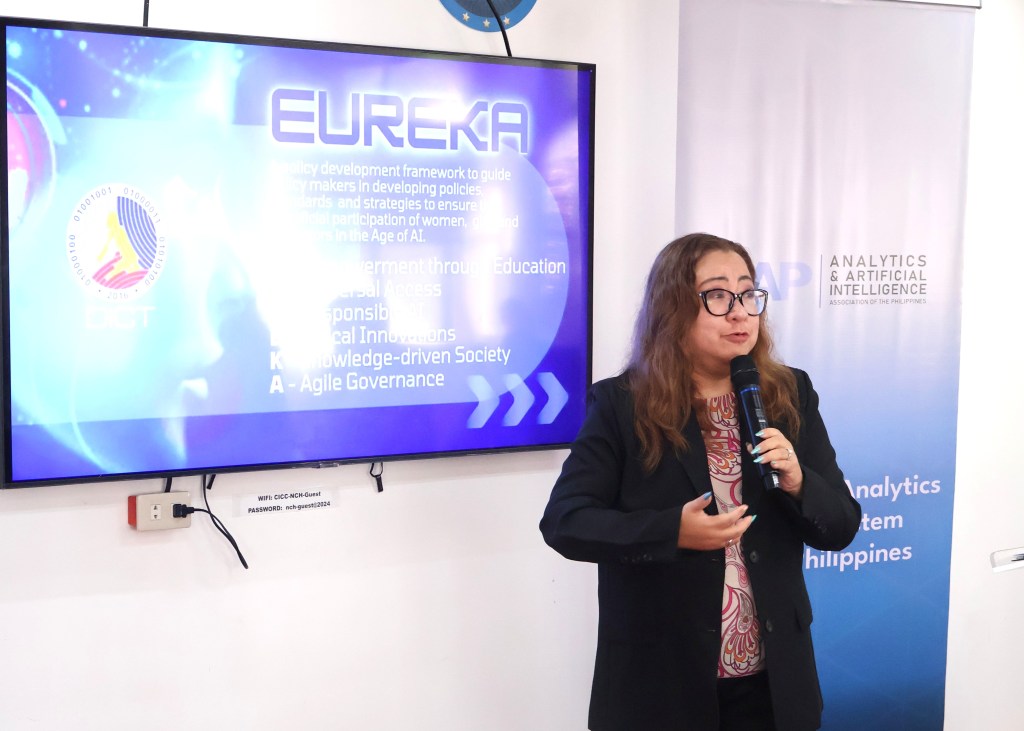
“EUREKA is more than a policy framework; it’s a call to action for all stakeholders to embrace AI as an engine of growth and innovation,” said Batapa-Sigue.
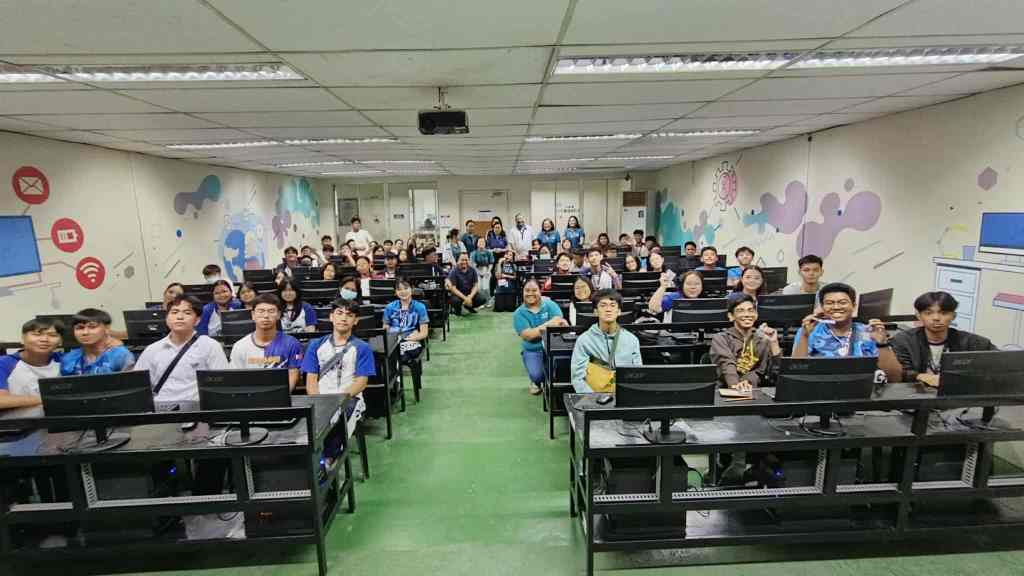
The EUREKA AI Policy Workshops brought together a diverse group of esteemed organizations, demonstrating a collaborative effort to harness the potential of AI in education and industry. For the AI in Education session, attendees included representatives from the Analytics Association of the Philippines (AAP), Coordinating Council for Private Educational Associations (COCOPEA), Tony Blair Institute, De La Salle University (DLSU), Far Eastern University (FEU), Wadhwani Foundation Philippines, KPMG Philippines, Information Technology and Business Process Association of the Philippines (IBPAP), Huawei, and Philippine Women’s University. Meanwhile, the AI in Industry session saw participation from AAP, SmartCT, KPMG Philippines, Mercer Philippines, Huawei, Ace Saatchi and Saatchi, and Philippine Women’s University. These sessions highlighted the collective commitment to advancing AI-driven innovation across critical sectors.
With the success of the EUREKA AI Policy Workshop Series, DICT sets the stage for a new era of digital transformation, reaffirming its role as a catalyst for innovation and economic resilience in the Philippines.
Contributions from Anton Salvador and JM Verde
To know more about the EUREKA AI Policy discussions, please email ouiid@dict.gov.ph
GALLERY






 Jocelle Batapa Sigue
Leave a comment