
Manila, Philippines – January 2025 – Cyberbullying, online privacy issues, lack of qualified mentors, inadequate access to technology and facilities, are among the major challenges identified by the youth 24 years old and below from the series of onsite and and online regional ad provincial consultations and surveys conducted under Generation Connect Philippines. This flagship initiative of the Department of Information and Communications Technology (DICT), highlighted the pressing challenges faced by young Filipinos in navigating the digital age. This program inspired by the International Telecommunication Union’s (ITU) Generation Connect program and driven by a series of nationwide dialogues in Luzon, Visayas, and Mindanao in all regions in 2024, amplified the voices of the youth, young leaders and change-makers in different regions.
Designed by the Undersecretary for ICT Industry Development (UIID) Jocelle Batapa-Sigue with the youth in mind, GenConnect PH aims to empower, engage, and involve the Filipino youth in shaping ICT policies and programs, addressing critical issues like online safety and digital literacy, and equipping them with skills for a rapidly evolving digital workforce. Through its workshops, policy dialogues, and participatory platforms, this initiative reflects the DICT’s unwavering commitment to creating a digitally inclusive future where the energy and ideas of the youth are at the heart of digital transformation. The survey, conducted in 2024, sheds light on the complexities of modern technology’s impact on the youth, outlining critical areas requiring immediate attention.
Data gathered from the dialogues and surveys identified cyberbullying, online privacy concerns, social media pressure, and access to technology as the most significant hurdles for young people in the Philippines. These findings underscore the need for a holistic approach to address the evolving challenges in the digital landscape.
Key Findings
The survey revealed several critical challenges faced by young Filipinos in the digital age. Cyberbullying emerged as the most frequently cited issue, with the anonymity of online platforms amplifying harassment and abuse, often leading to severe mental health impacts.
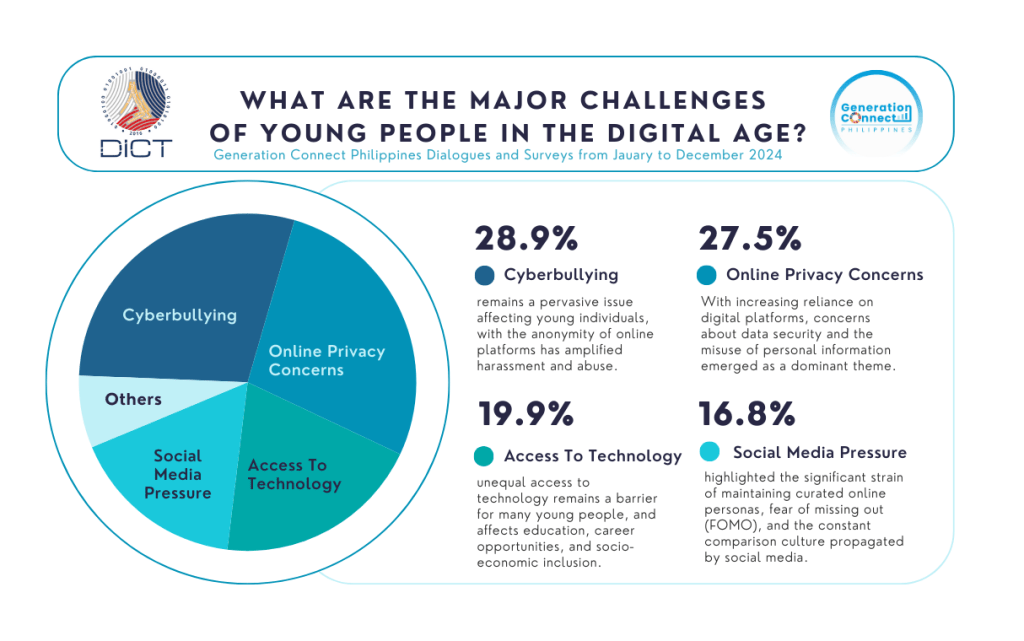
Concerns about online privacy were also prominent, as the increasing reliance on digital platforms has heightened anxieties over data security and the misuse of personal information, with many respondents expressing fears of inadequate privacy protections and identity theft. Social media pressure was another significant theme, with respondents highlighting the strain of maintaining curated online personas, fear of missing out (FOMO), and the pervasive comparison culture, all contributing to rising mental health issues among the youth. Additionally, unequal access to technology continues to pose a barrier despite the Philippines’ advancements in digital connectivity. This digital divide affects education, career opportunities, and social inclusion, particularly in underserved areas, underscoring the need for more equitable access to digital resources.
Emerging Issues
In addition to the core challenges, the survey highlighted several emerging issues that further complicate the digital landscape for young people. Peer dynamics, or the complexities of online social interactions, have a profound impact on mental well-being, as individuals navigate the pressures of maintaining relationships and engaging in digital spaces.
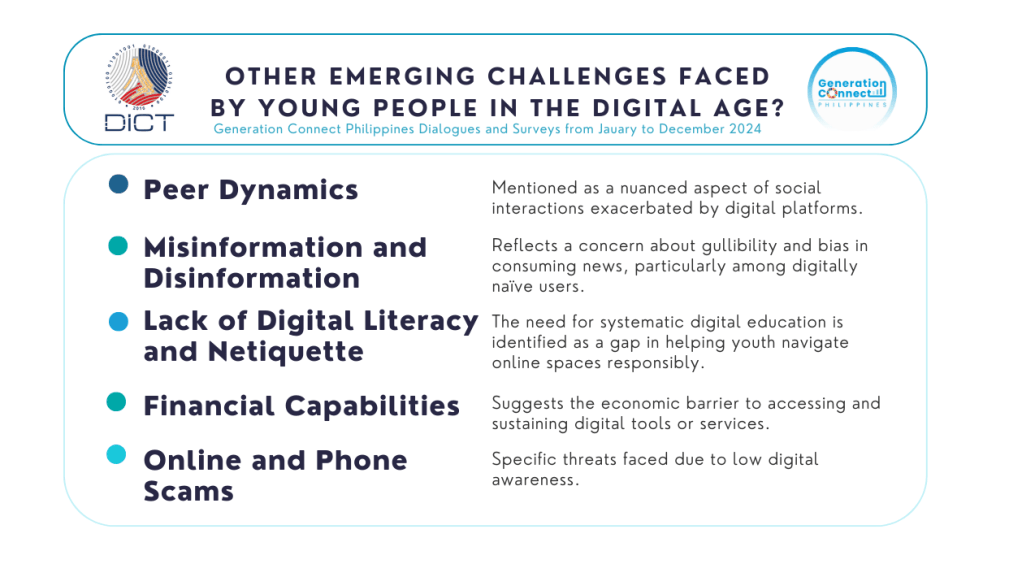
The proliferation of misinformation and disinformation has also become a critical concern, with biased or false information spreading rapidly, emphasizing the urgent need for enhanced digital literacy. Compounding this issue is the lack of structured guidelines for responsible online behavior and critical thinking, often referred to as digital literacy and netiquette, leaving many ill-prepared to engage safely and effectively online. Finally, the increasing prevalence of online scams and exploitation due to low awareness underscores the necessity of educating individuals on the risks associated with digital fraud and implementing measures to mitigate these threats.
Obstacles to Program Implementation
The implementation of proposed solutions to address the challenges faced by young people in the digital age is hindered by several significant obstacles. One critical barrier is the lack of foundational digital literacy among many young individuals, which limits their ability to fully benefit from ICT programs and initiatives. Geographic disparities further exacerbate this issue, as rural areas often have less access to technology and training opportunities compared to urban centers.
Another key obstacle is the shortage of qualified mentors and trainers who can effectively guide young people in developing digital skills. Parental influence also plays a significant role, as attitudes towards technology and a limited understanding of its potential can create barriers to youth engagement. Financial constraints, both for participants and program organizers, pose additional challenges by limiting access to necessary resources and infrastructure.
Moreover, the lack of proper venues and facilities, particularly at the barangay level, restricts the ability to host training sessions and seminars effectively. Lastly, time management and interest are also obstacles, as some young people perceive these programs as time-consuming or irrelevant to their needs and aspirations, leading to reduced participation. Addressing these barriers is crucial to ensuring the success and inclusivity of digital literacy and empowerment programs.
DICT’s Call to Action
DICT Undersecretary for ICT Industry Development, Jocelle Batapa-Sigue, emphasized the urgency of addressing these challenges. “The findings from the Generation Connect Philippines survey highlight the pressing need for policies and programs that empower our youth to thrive in a digitally-driven world.
Guided by the voices of our youth, we need to enhance our commitment and collaboration and collaborate to building a safer, more inclusive digital future—empowering every Filipino with the tools, knowledge, and opportunities to lead and innovate in a connected world, says Undersecretary Batapa-Sigue.
Generation Connect: A Comprehensive Initiative
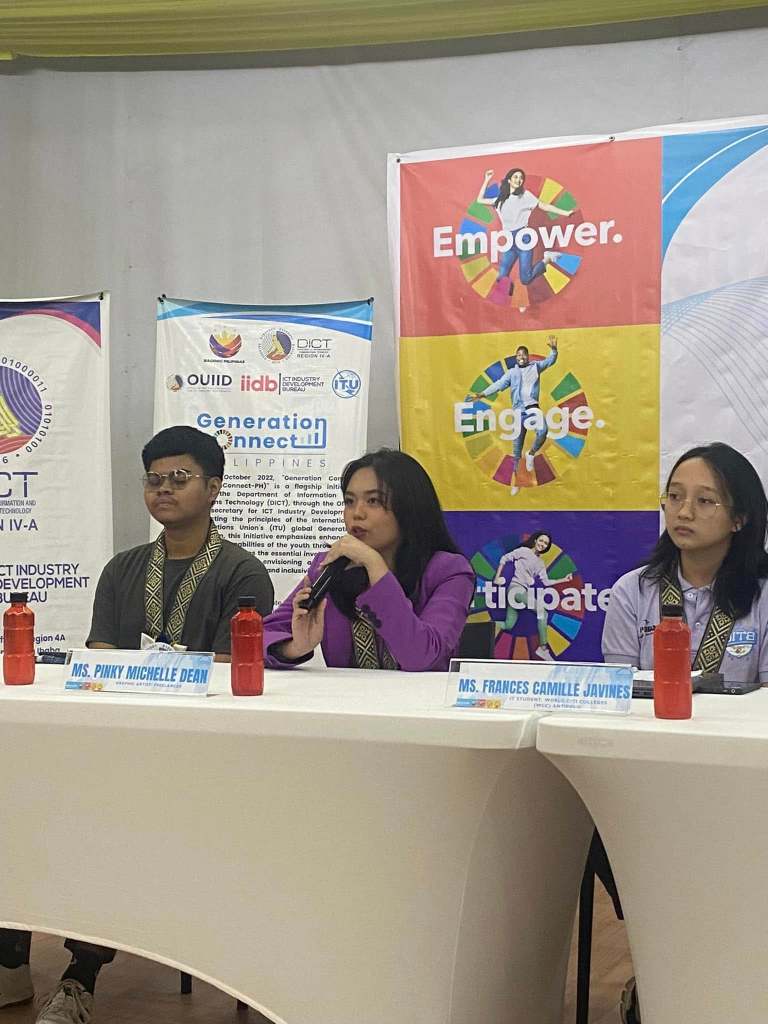
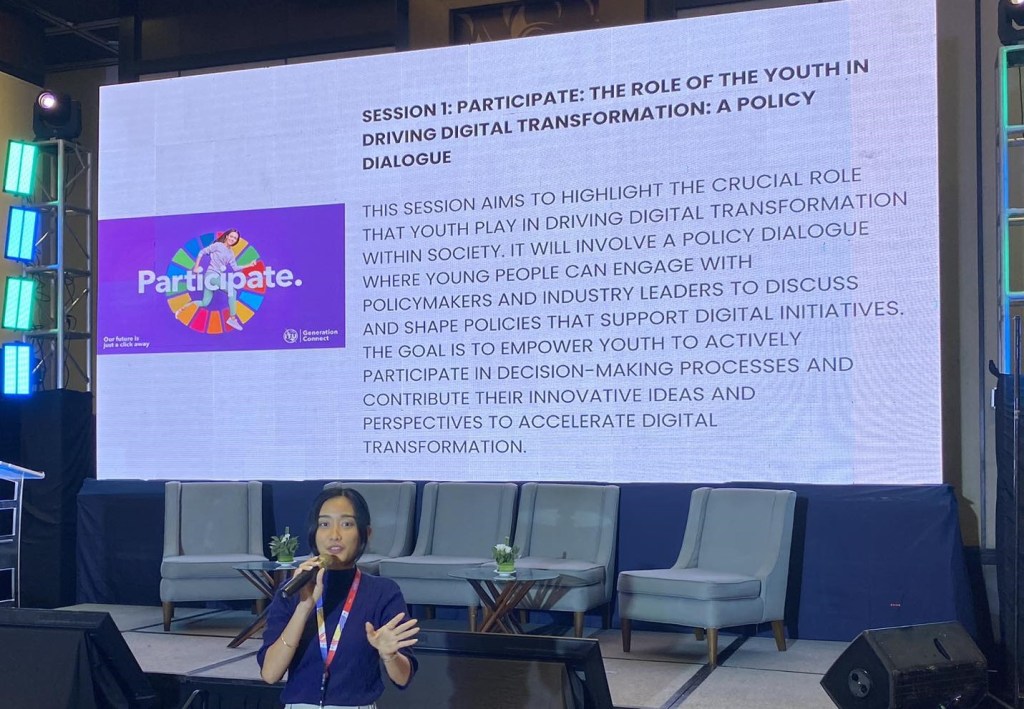
The Generation Connect Philippines (GenConnect-PH) initiative, established in October 2022 under the Office of the Undersecretary for ICT Industry Development (OUIID), aligns with the principles of the International Telecommunications Union’s (ITU) Generation Connect program. The initiative aims to empower the youth through ICT while fostering their active participation in policy dialogues to shape a sustainable and inclusive digital era.
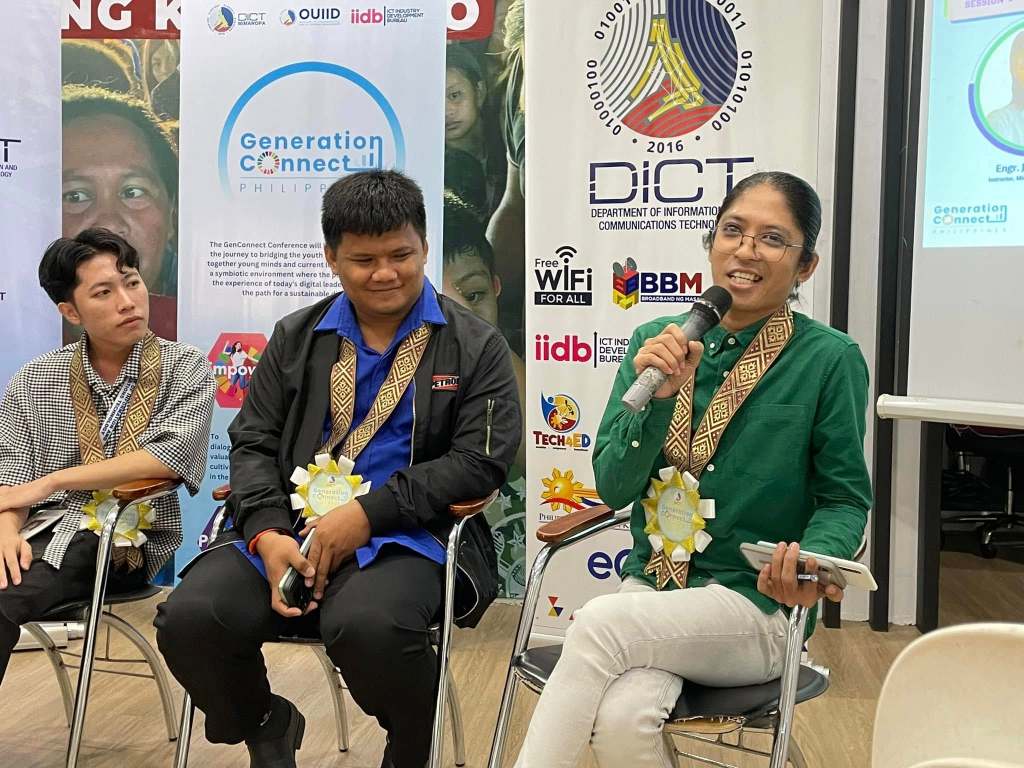
GenConnect-PH’s flagship activity includes regional conferences for Luzon, Visayas, and Mindanao. For the Visayas, the GenConnect Conference emphasizes creating dynamic platforms for youth engagement with ICT leaders, fostering meaningful dialogues, and equipping participants with critical knowledge for the digital era. Key components include public awareness campaigns, skill development workshops, policy dialogues, and networking opportunities. For 2024, GenConnectPH was supported under the TatakPinoy program under former Senator Sonny Angara.




Proposed Solutions
In an increasingly connected world, the digital landscape offers vast opportunities but also poses significant challenges. Addressing these requires comprehensive policies and strategies to empower individuals, especially the youth, while mitigating risks associated with the digital era. Based on feedback from over 2,000 respondents during the Generation Connect Philippines initiative across the whole country, the following recommendations emerged when asked “What policies and strategies would you like to suggest?”

Education and awareness campaigns were highlighted as crucial for enabling individuals to navigate the online world responsibly. Respondents emphasized the need for programs focusing on internet safety, privacy protection, and combating misinformation, fostering a culture of respect and accountability in digital interactions.
Stricter regulations on data privacy, cybersecurity, and penalties for cyberbullying were frequently recommended. Respondents highlighted the importance of robust legislative frameworks to protect personal information, ensure transparency in data handling, and impose severe consequences for online harassment.
The mental health impacts of cyberbullying, social media pressure, and online comparison culture were significant concerns. Respondents suggested establishing accessible mental health support systems, including counseling, helplines, and awareness campaigns, to encourage proactive care and reduce stigma.
Bridging the digital divide was a recurring theme. Respondents advocated for infrastructure development, such as expanding broadband networks and establishing public Wi-Fi zones, particularly in underserved areas. Subsidies for devices and internet services were also recommended to enhance access for economically disadvantaged communities.
Regularly conducted seminars, webinars, and training sessions were suggested to equip young people with the skills needed to thrive in the digital age. Topics such as emerging technologies, cybersecurity, digital entrepreneurship, and coding can help participants develop practical skills for education and career growth.
Respondents stressed the importance of a robust digital infrastructure as the foundation for digital transformation. Investments should prioritize areas with limited connectivity, ensuring reliable internet access across urban and rural regions.
Teaching responsible online behavior, critical thinking, and ways to identify and counter misinformation and disinformation was a priority for respondents. Such programs should be integrated into formal education systems and community initiatives.
Recognizing the role of parents in fostering safe online environments, respondents suggested policies to promote parent-focused workshops and resources. These would help parents better understand the digital landscape, monitor their children’s online activities, and support digital learning.
With growing online threats, respondents emphasized the need for stringent data protection laws and educational initiatives to raise public awareness about phishing, hacking, and other cybersecurity risks.
To ensure inclusive access to digital education, respondents proposed establishing community-based training centers, especially in rural areas. These hubs could provide hands-on training in digital literacy and technology usage, empowering underserved populations.
Respondents also highlighted the importance of fostering innovation through youth-focused maker spaces, technology hubs, and digital workshops. These initiatives should provide access to advanced tools, such as 3D printers and robotics kits, nurturing creativity and collaboration among young people.
The voices of young people from the Generation Connect Philippines initiative underscore the urgency of adopting a holistic approach to digital transformation. By implementing these strategies, policymakers and organizations can empower individuals, reduce digital inequities, and ensure the benefits of the digital age are widely shared. Collaboration between governments, educators, parents, and the private sector will be key to fostering a digital ecosystem that prioritizes safety, equity, and innovation while addressing the needs and aspirations of the youth.
Moving Forward
Generation Connect Philippines continues to engage stakeholders, including educators, parents, and policymakers, to build a resilient and digitally empowered youth. By fostering collaboration, the DICT aims to transform these challenges into opportunities, ensuring that young Filipinos can harness the full potential of technology.
For more information, visit the official Facebook Page of Generation Connect Philippines or follow the DICT’s social media channels for updates on upcoming programs and initiatives.
Gallery
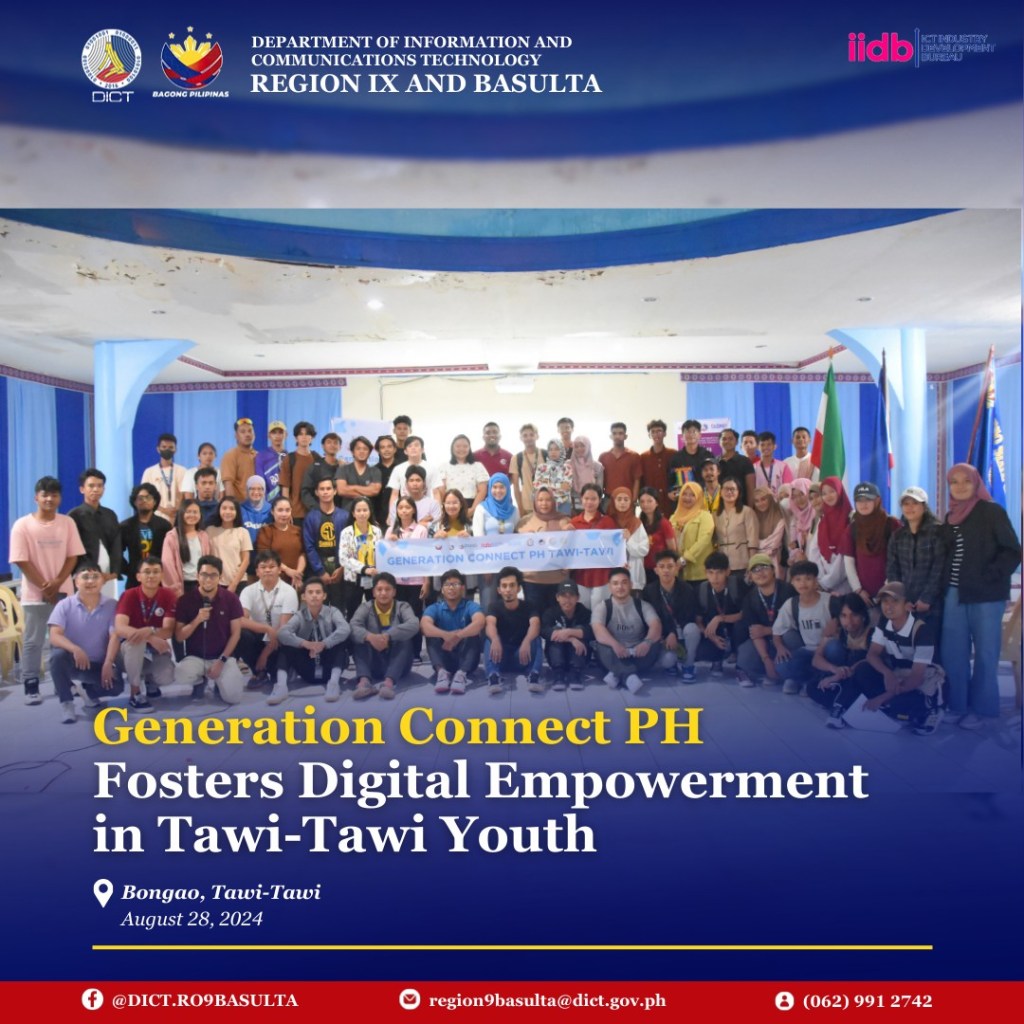


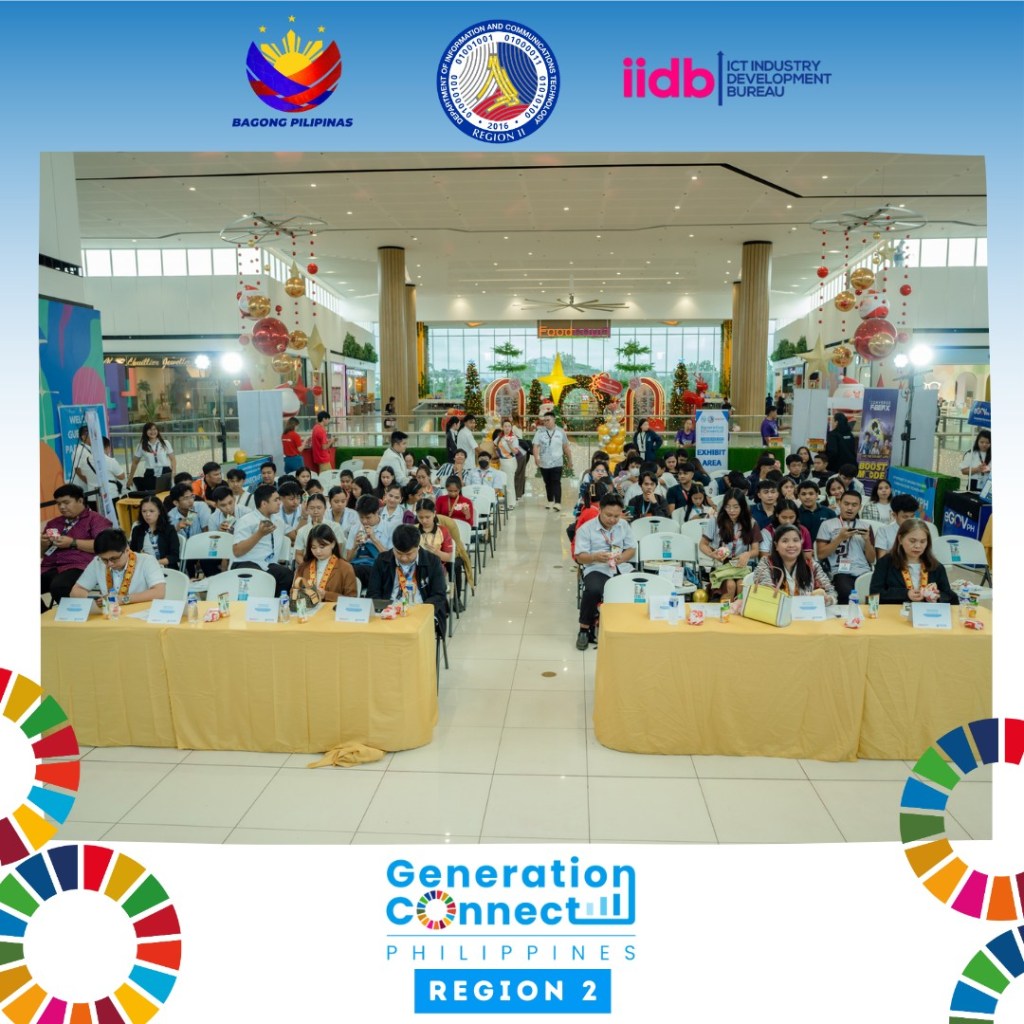


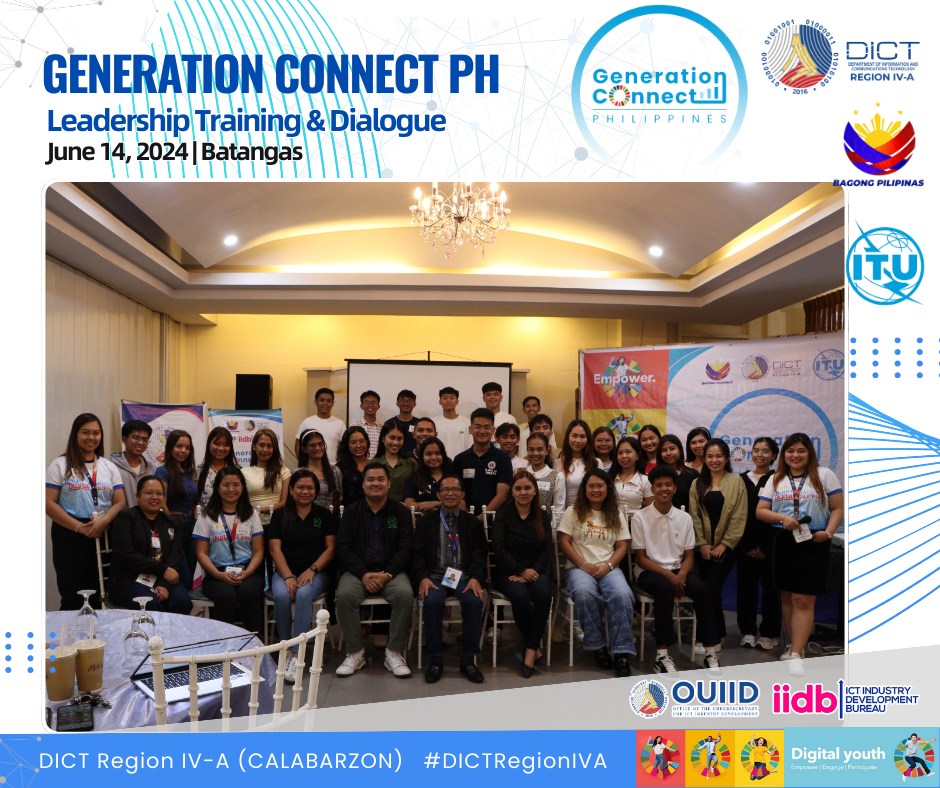

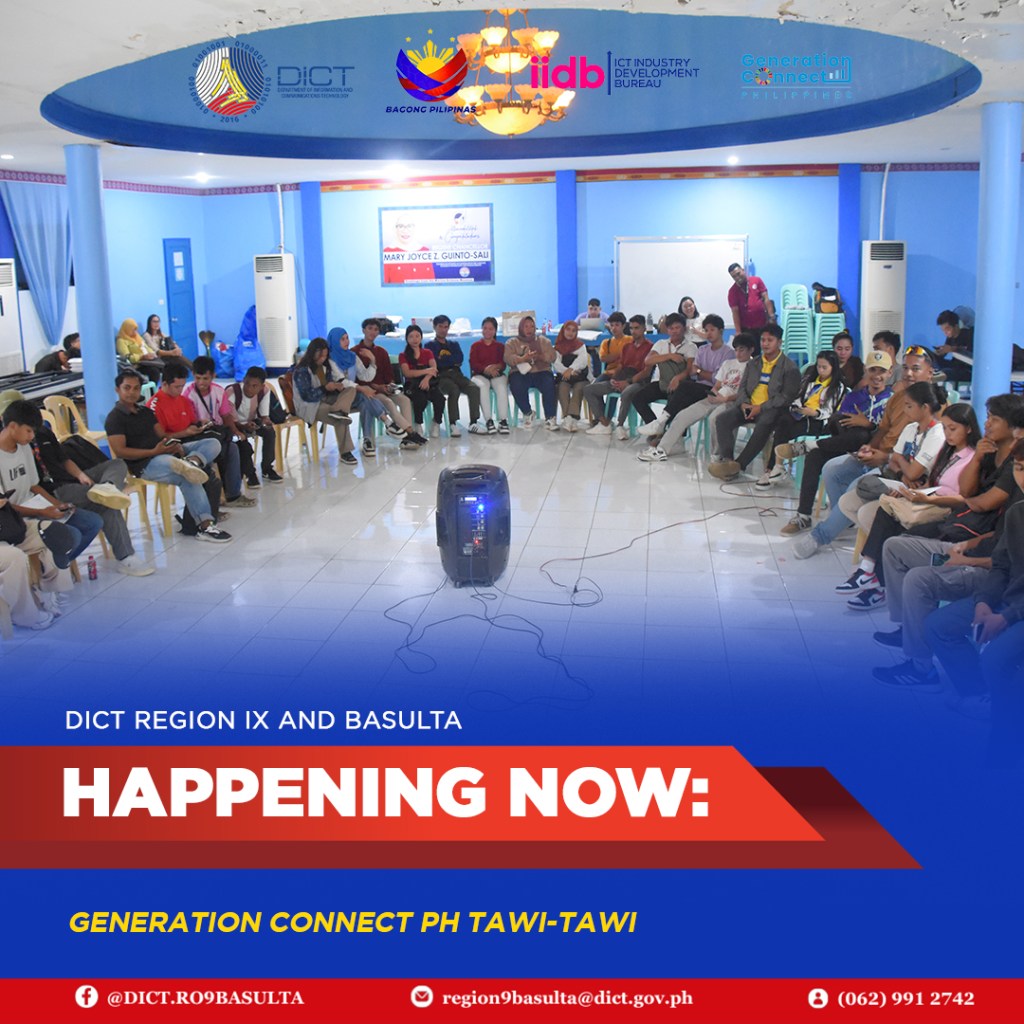


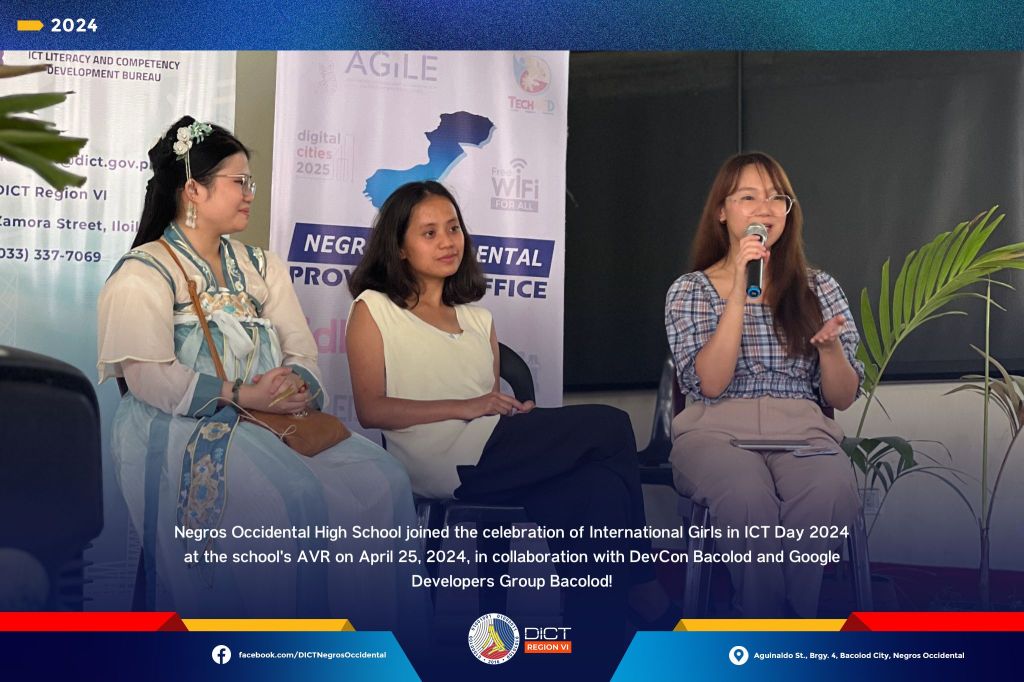
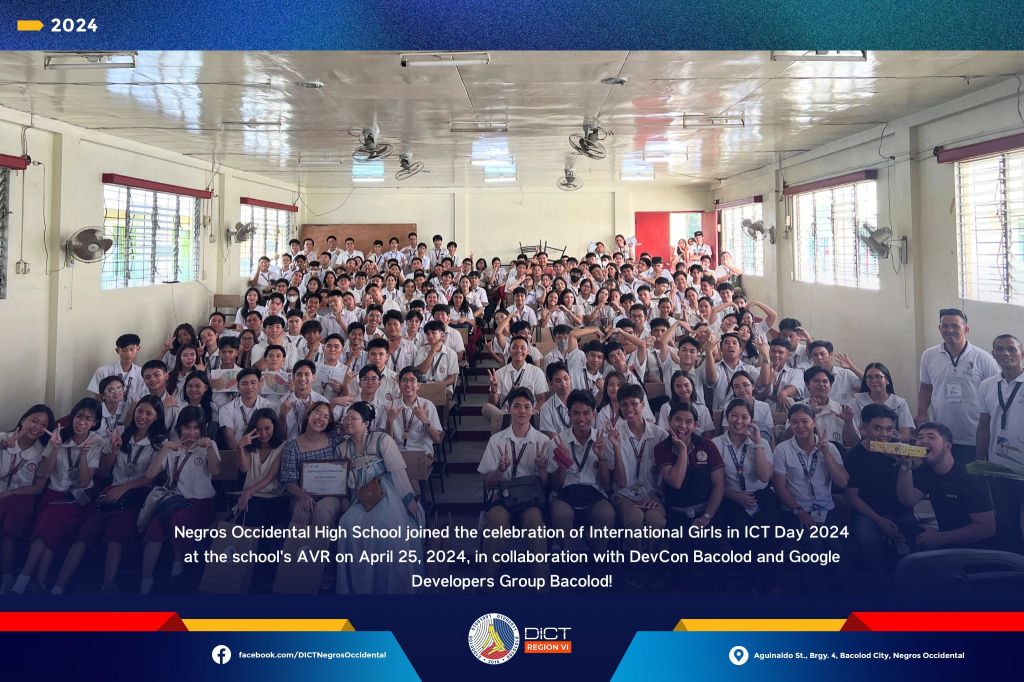
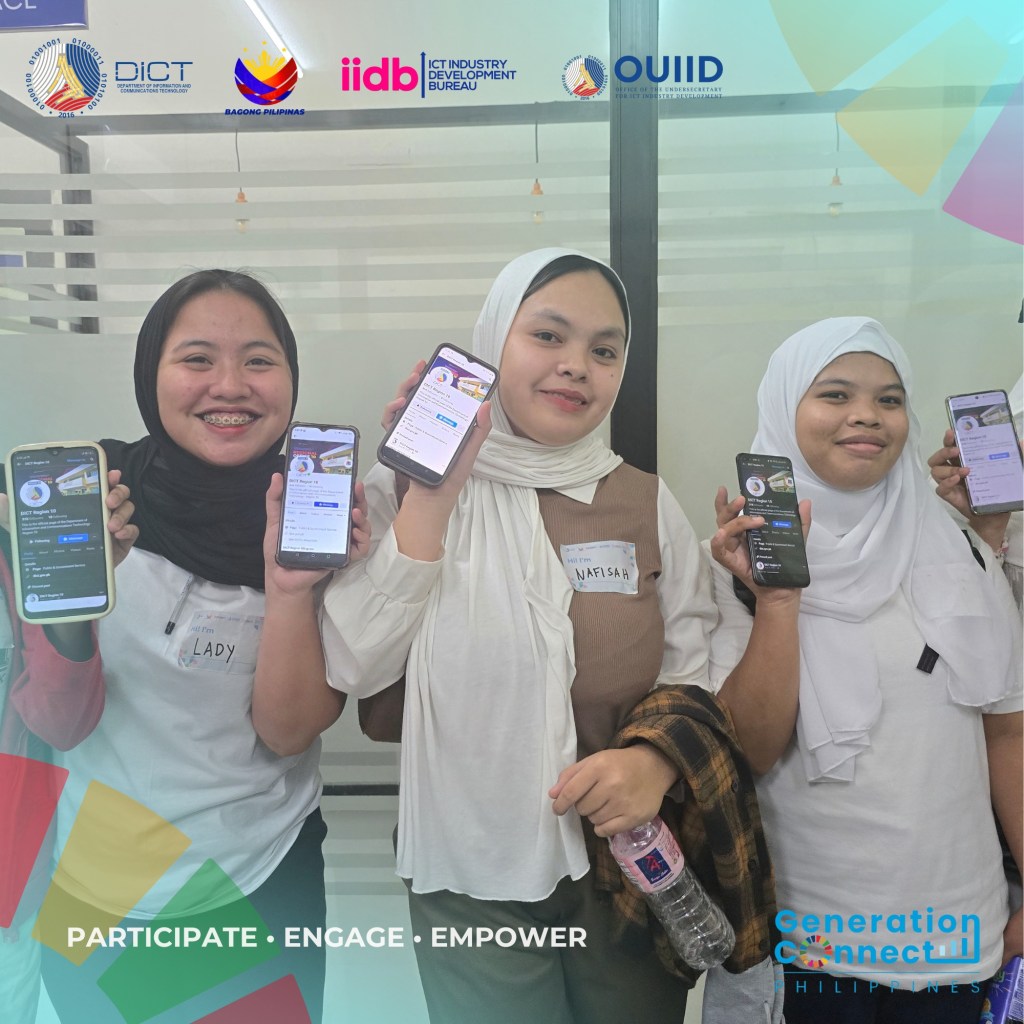
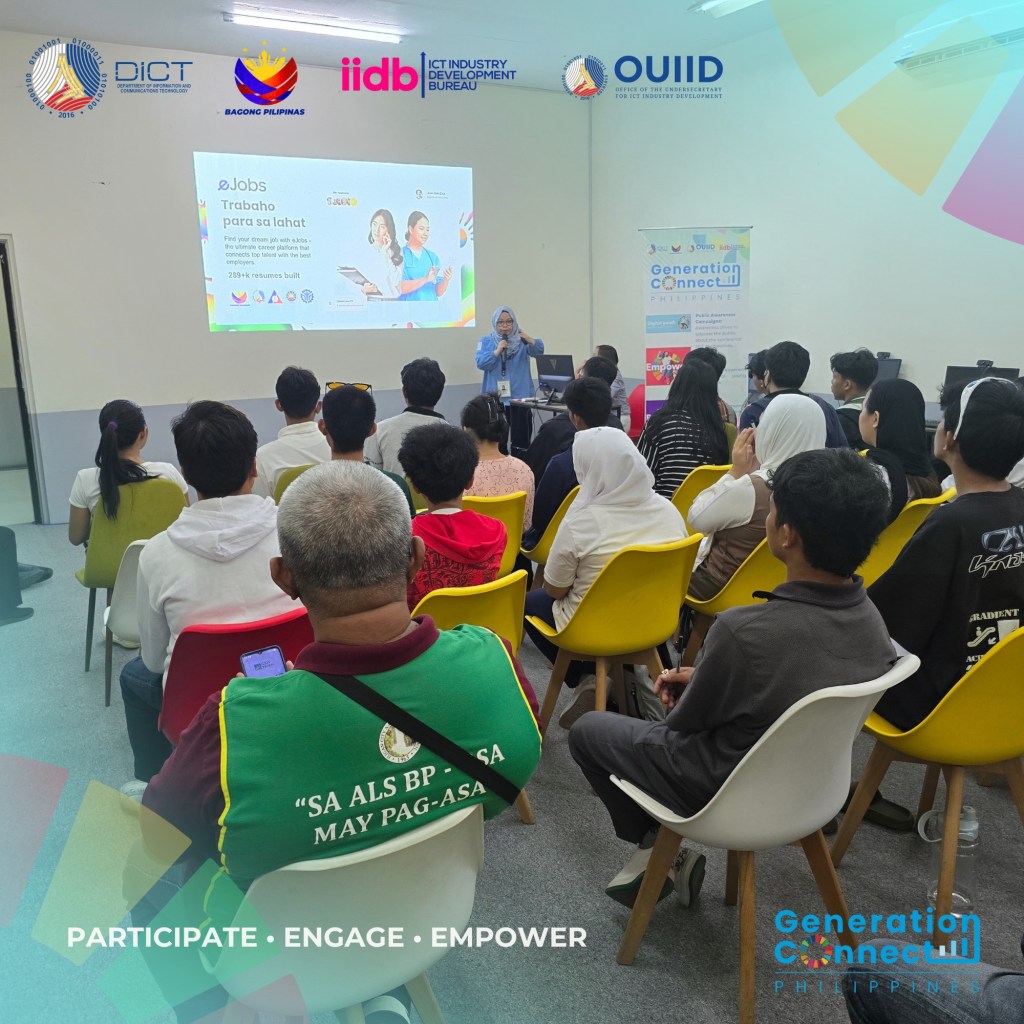
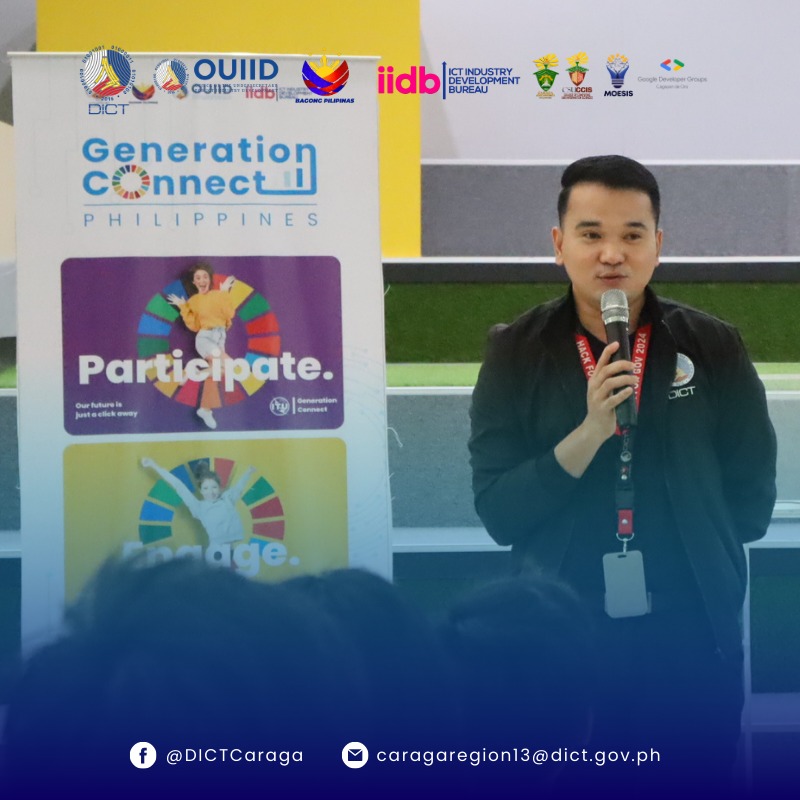

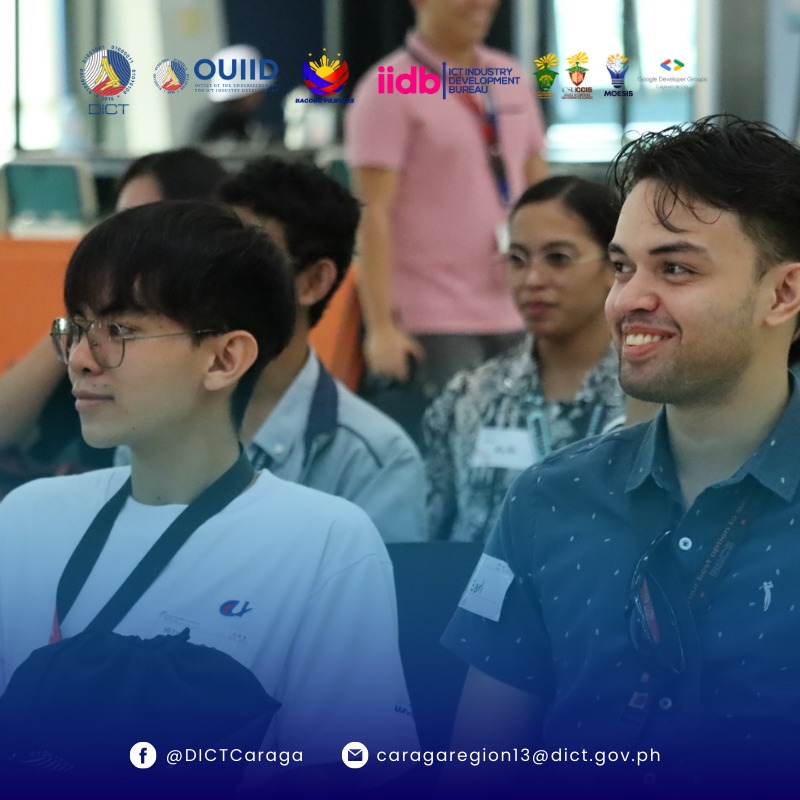

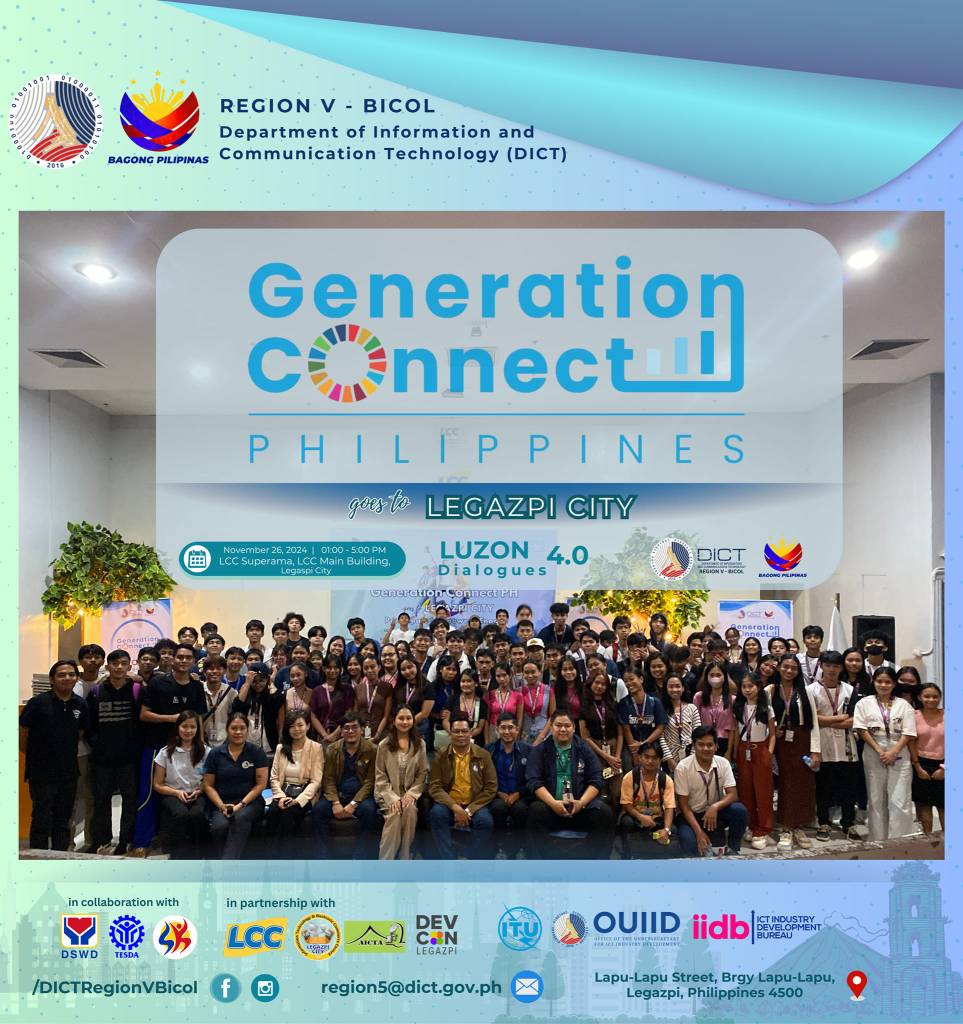

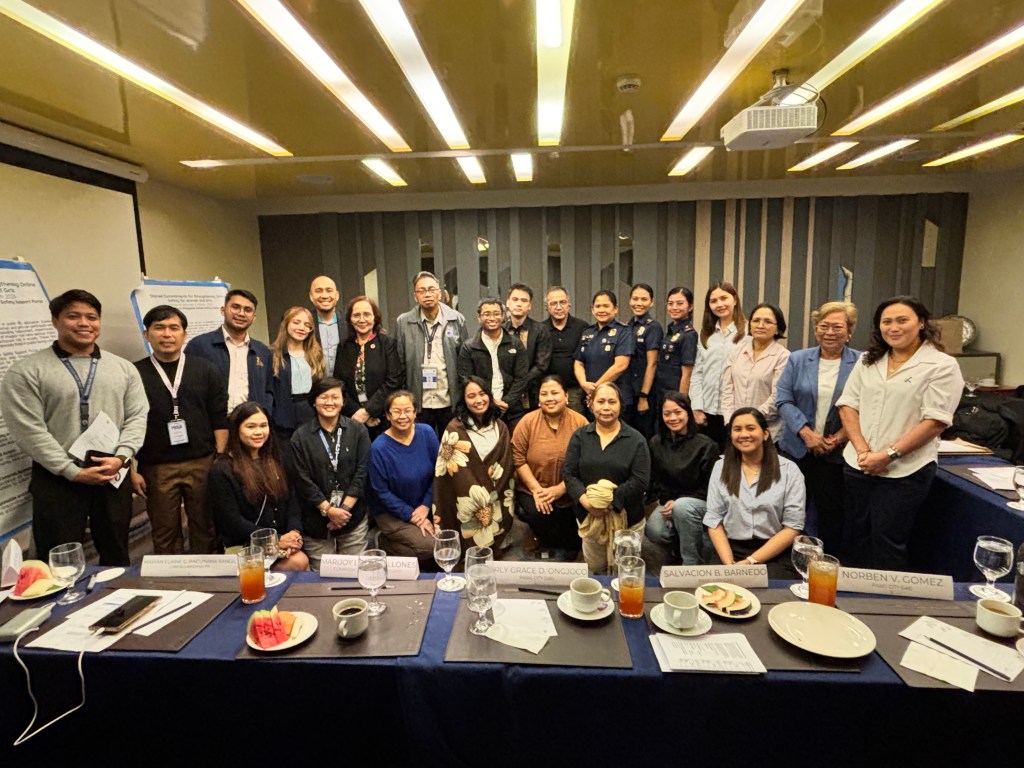
Undersecretary Batapa-Sigue extends her heartfelt thanks to all the resource speakers who shared their expertise and insights during the Generation Connect initiative. She also expresses deep appreciation to the DICT regional offices across Luzon, Visayas, and Mindanao for their invaluable efforts in organizing and facilitating the program. Their collaboration and dedication have been instrumental in inspiring the youth and fostering a more inclusive digital future for the Philippines.
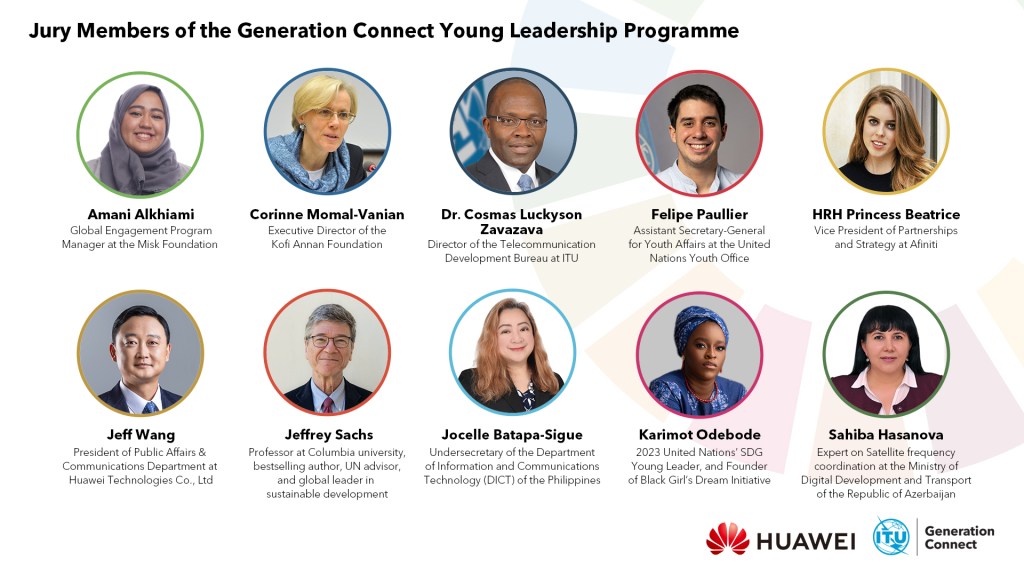
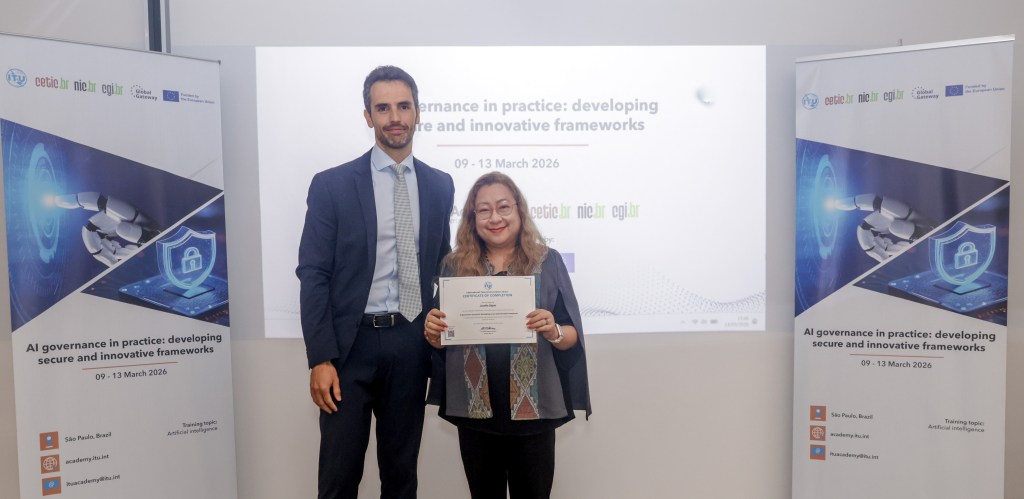
She serves ao one of the mentors and member of the jury of the ITU Generation Connect Young Leadership Programme (GCYLP) where she played an active role in the selection of the inaugural cohort of 30 GCYLP fellows were selected from over 5000 applicants, after which they participated in the GCYLP Development Week in June 2024 in Geneva and Zurich where they were trained on leadership, innovation, and project management in 20 sessions by 15 experts and industry leaders.




 Jocelle Batapa Sigue
Leave a comment