
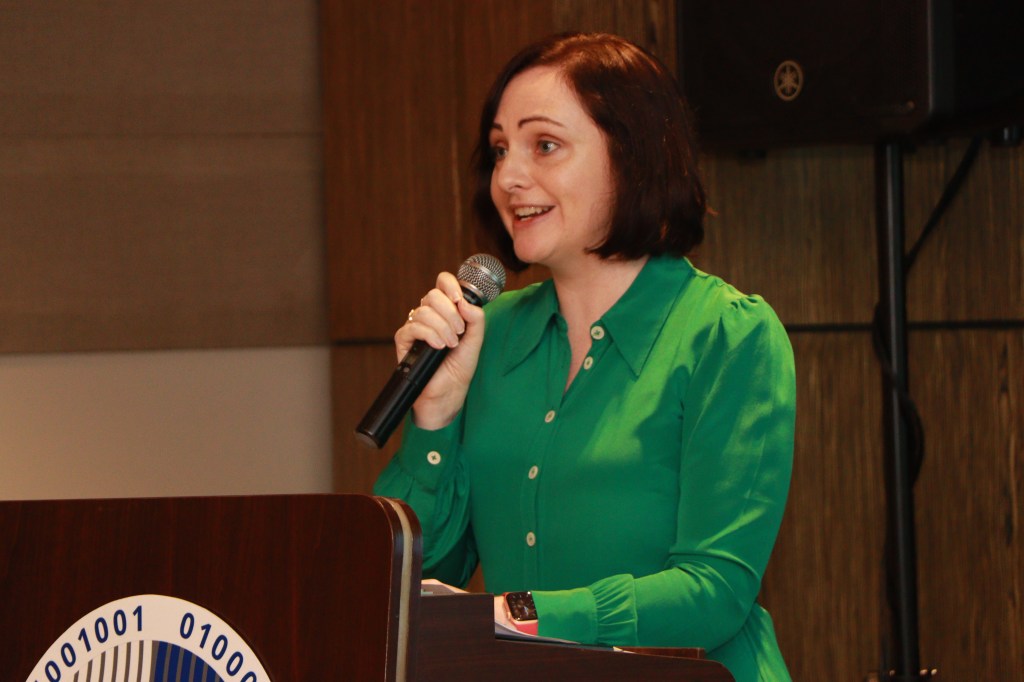
This 10 December 2024 marked the start of the Eureka Policy Series focusing on AI Safety at the Bai Hotel, Mandaue City, Cebu. The Conference was blessed by the presence of the Deputy Trade Commissioner for Southeast Asia Rhiannon Harries of the UK Civil Service.
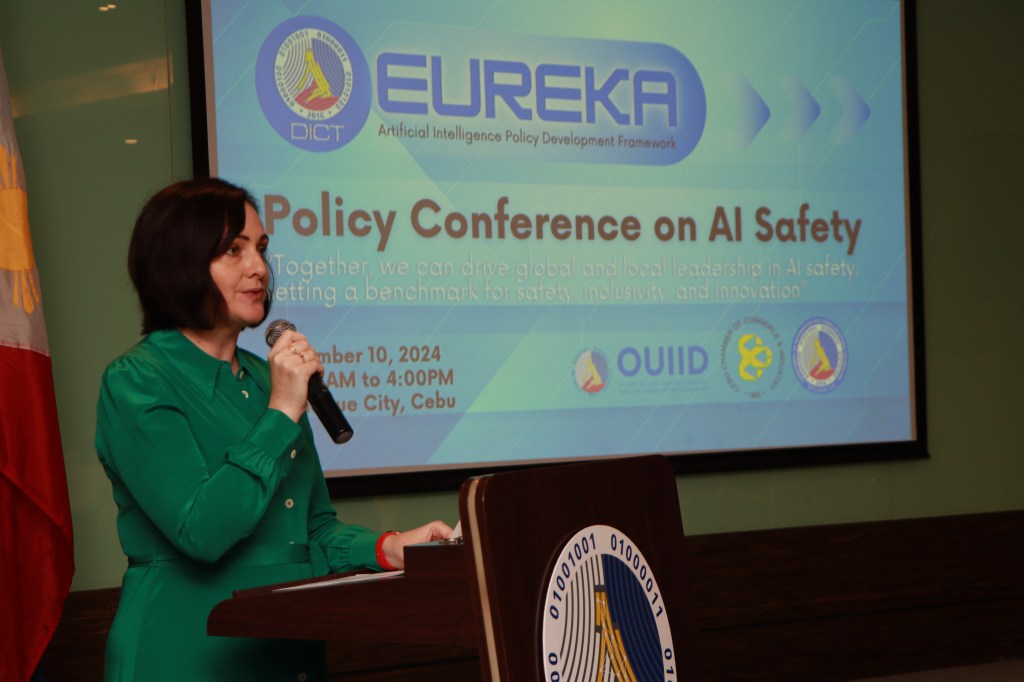
She emphasized that Artificial Intelligence (AI) is revolutionizing lives across the globe, with groundbreaking advancements making their way into rural areas and critical services. From identifying diseases to streamlining emergency responses, AI pilots in the UK are setting the stage for a transformative era. According to McKinsey’s 2024 report, AI is poised to impact over 600 use cases, addressing 17 United Nations Sustainable Development Goals (UN SDGs) and reshaping health, education, and public services.

The AI industry’s exponential growth is evident. In 2024 alone, it supported 3,000 companies in advanced systems integration, generating £10 billion and employing 60,000 professionals—a remarkable 57% increase from previous years. As the UK ranks third globally in per capita AI advancements, the Philippines is quickly emerging as a significant player, with over 60% of its IT-BPM firms integrating AI functionalities to enhance operations and efficiency.

This extraordinary surge in AI adoption signals a global shift toward innovation-driven solutions. With unparalleled opportunities for governments, businesses, and individuals alike, AI is not only reshaping industries but also unlocking potential to build a more sustainable and equitable future for all. The world stands on the brink of an AI-powered transformation, ready to redefine possibilities for generations to come.
She noted that the Eureka Policy Conference that the DICT currently spearheads is an enormous step in defining the requirements, concerns, and other particulars that the Philippines will need from and for the implementation of AI to every sector.

As the leading figure in countryside and industry development, DICT Undersecretary Jocelle Batapa-Sigue emphasized during the Eureka Conference for AI Safety that Artificial Intelligence (AI) serves as a powerful tool and platform, but its full potential is realized only through human input, initiative, and strategic direction which knows no substitute. While AI can revolutionize industries and solve complex problems, nothing can replace the ingenuity and adaptability of human decision-making. This synergy ensures that innovation is not just about technology but about creating inclusive solutions that benefit everyone.

A heartfelt acknowledgment was given to the UK Embassy for its unwavering support of EUREKA. This collaborative approach underscores the importance of bringing diverse stakeholders together, ensuring that strategies are not confined to individual perspectives but are shaped by collective insights. Such inclusivity paves the way for more equitable outcomes in AI adoption and development. More importantly, the Eureka Conference, although spearheaded by the DICT, should be owned by everyone at the Conference as their contribution to the advancement of AI policies.
An important component of the Conference was the Eureka Framework which the Undersecretary detailed which consists of the letters comprising the word “EUREKA” such as:
E – Empowerment through Education
U – Universal Access
R – Responsible AI
E – Ethical Innovations
K – Knowledge-Driven Society
A – Agile Governance
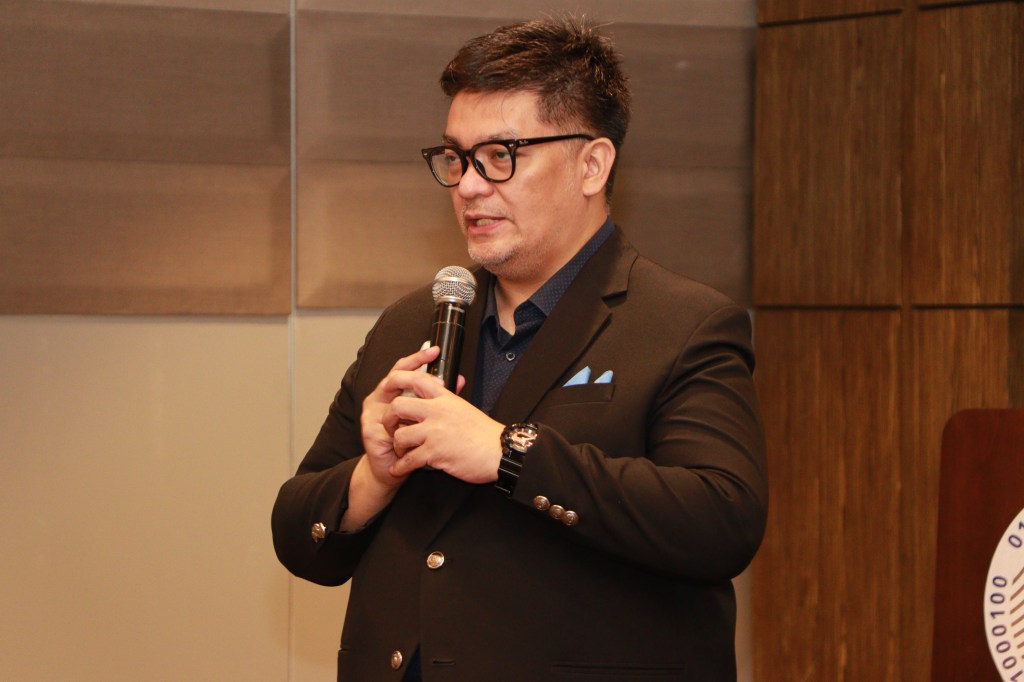
Special recognition is given to Mr. Dominic Ligot, a respected expert in AI, whose guidance will be instrumental in navigating the complexities of this technology. With his expertise, stakeholders are better equipped to harness AI’s potential responsibly and effectively. As AI continues to evolve, this blend of human leadership and cutting-edge innovation will be key to building a sustainable and inclusive future.

Pedro Delantar, VP of Cebu Chamber for Commerce and Industry, highlighted during the Conference that Eureka represents an “AHA” moment for industries transitioning into innovation and technological opportunities. Coming from a strong foundation in the manufacturing industry, VP Delantar emphasized the partnership with the Department of Information and Communications Technology (DICT) as a catalyst for prosperity in Cebu. This collaboration underscores a shared vision of advancing Cebu’s role as a hub for business growth and global competitiveness while prioritizing technological innovation as a means of sustainable development.
Cebu, known as the Queen City of the South, offers a wide array of opportunities across industries like manufacturing, real estate, and IT-BPM. With its vibrant, youthful, and highly skilled workforce, the province has demonstrated its adaptability and readiness to embrace technological change. This dynamic workforce thrives in an enabling ecosystem that fosters creativity, innovation, and collaboration. He highlighted the province’s strong foundation and the Chamber’s 120 years of steadfast collective action, which have solidified its position as a key player in global business opportunities.
The vision of Eureka should focus on collaboration among three key stakeholders: identifying priorities to address key safety risks while proposing mitigation strategies, fostering partnerships that align local initiatives with international best practices, and innovating responsibly by prioritizing safety, inclusivity, and sustainability. By leveraging AI’s transformative potential and advancing innovation ecosystems, these efforts aim to create a safer, more equitable, and forward-thinking environment for sustainable economic growth in Cebu and beyond.

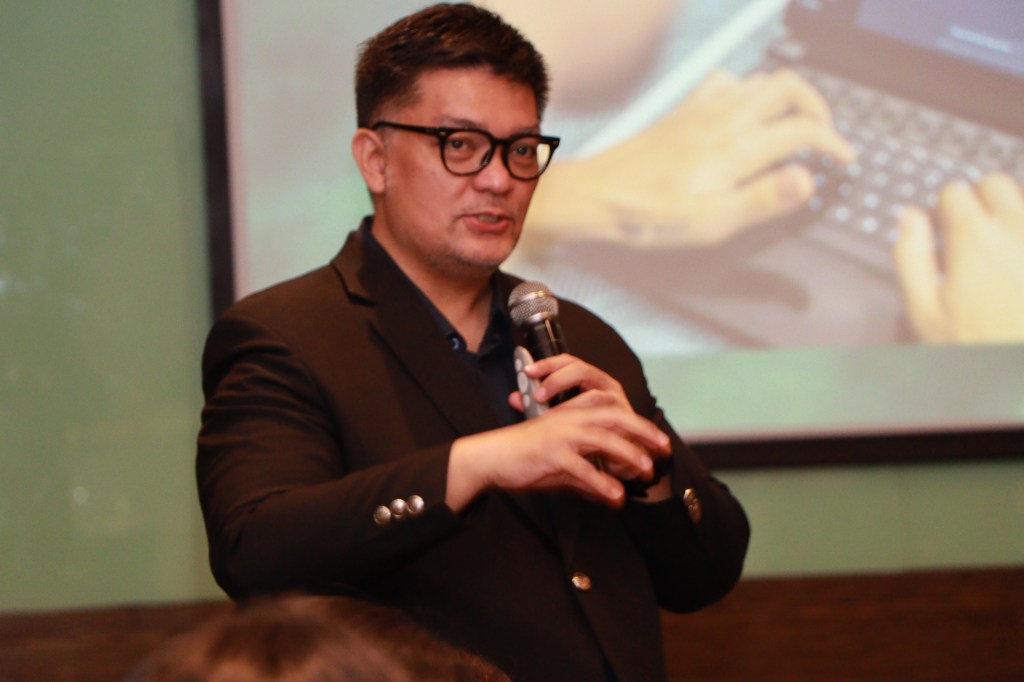
To cap off the Conference’s morning speakers, the Eureka Conference was blessed by the presence of its Main Resource Speaker Dominic Ligot – who is a data analyst, researcher, and technologist focused on leveraging AI, computational social science, and data engineering to address human rights, public health, food security, political risk, and disinformation; he is the founder of CirroLytix and Data Ethics PH, a three-time global NASA and ESA Space Apps Challenge winner, and a member of the International Scientific Report on Advanced AI Safety Advisory Panel representing the Philippines.
Ligot emphasized that the evolving state of Artificial Intelligence (AI) in the Philippines highlights a dynamic agenda focusing on key aspects such as the current state of AI, industry experiences, global insights on advanced AI safety, and the critical role of education and governance. This direction underscores the country’s requirement on the lack of discourse on AI Safety to foster a sustainable and ethical AI ecosystem, paving the way for economic growth and innovation.
The Philippine AI landscape is at a pivotal moment, marked by a clear focus on key areas such as the state of AI in the country, industry experiences, global AI safety standards, and the integration of AI into education and governance. With discussions led by industry experts and policymakers, the agenda emphasizes the importance of understanding the current state of AI in the Philippines and leveraging lessons from organizations like IBPAP. These insights aim to equip the nation with a competitive edge in the rapidly evolving AI-driven global economy while ensuring responsible and ethical AI implementation.
Supporting this vision are various legislative measures designed to regulate and nurture AI development. Key proposals include the establishment of a National Center for AI Research (NCAIR) to foster innovation, as well as regulations to protect labor rights amid AI-driven automation. Bills like the “Artificial Intelligence Development and Regulation Act” and the “AI Bureau Establishment Act” underscore the country’s commitment to creating a balanced framework for AI growth while addressing concerns such as job security, education, and the ethical use of generative AI technologies.
AI is reshaping the IT-BPM industry, driving innovation and transforming both its operations and workforce dynamics. Key use cases such as natural language processing (26%), generative AI for content creation (24%), and robotic process automation (15%) are at the forefront of adoption, addressing industry priorities like customer support, content generation, and workflow efficiency. Other applications, including reinforcement learning (13%) and computer vision (12%), demonstrate a growing interest in more advanced AI technologies for tasks such as predictive analytics and image recognition. However, supervised and unsupervised learning remain less commonly adopted at 5% and 3%, respectively.
This wave of AI adoption has significant implications for the workforce. While 29% of employees experience no direct changes, 26% require substantial reskilling to adapt to new roles, and 24% undergo shifts in responsibilities as AI transforms job functions. Interestingly, only 8% of respondents report a decrease in employees due to automation, while 13% note workforce growth, indicating that AI is creating opportunities alongside challenges. These trends underscore the need for proactive workforce strategies to manage the transition effectively.

To support this transformation, the sector anticipates the rise of diverse future workforce profiles categorized into four main groups: Builders, Users, Planners, and Trainers. Builders, such as data scientists, AI engineers, and cybersecurity analysts, will focus on developing and maintaining AI technologies. Users, including prompt engineers and knowledge engineers, will leverage AI tools to optimize workflows and data insights. Planners, such as AI product owners and responsible AI officers, will shape ethical AI strategies and ensure its alignment with organizational goals. Finally, Trainers, like generative AI trainers and ambassadors, will play a pivotal role in fostering AI literacy and guiding teams through the adoption process. This diversity in roles reflects the industry’s evolving demand for specialized expertise to maximize AI’s potential while addressing ethical and operational challenges.


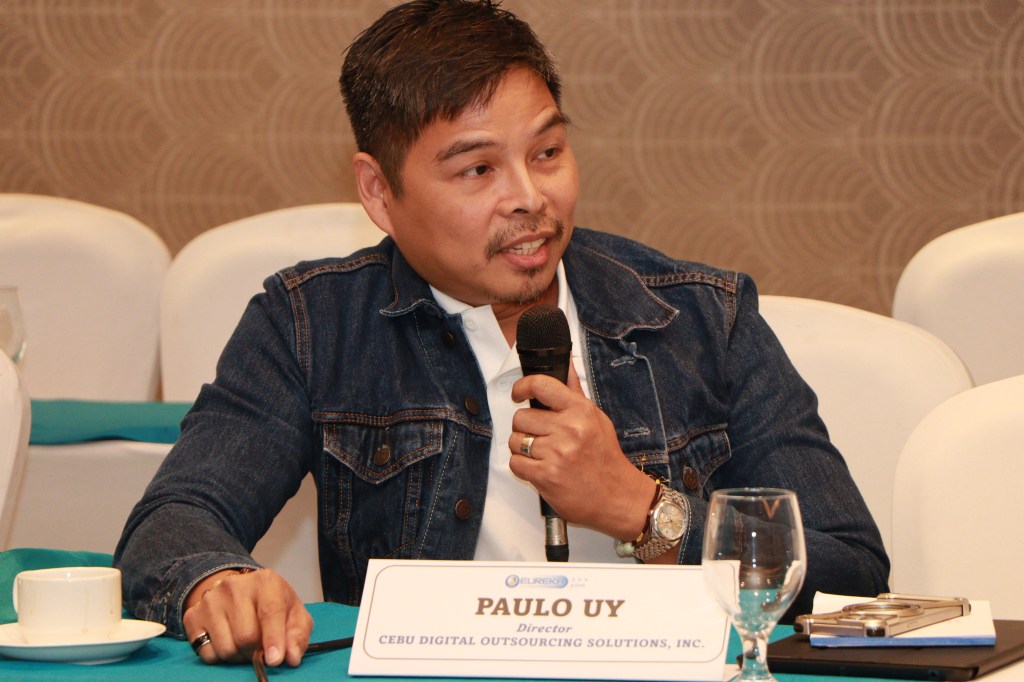

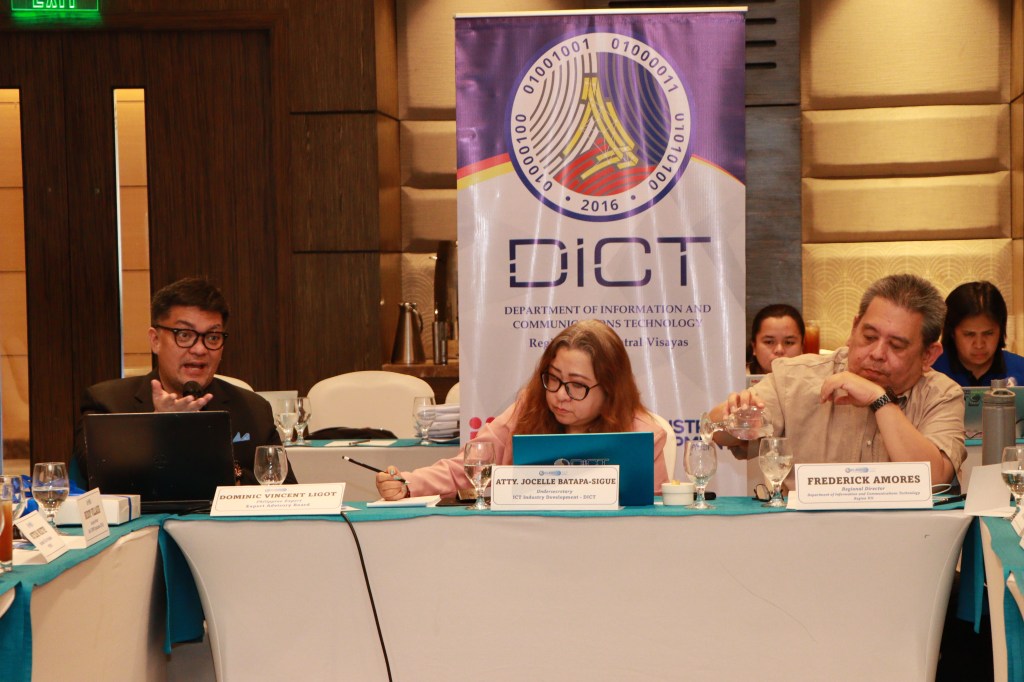




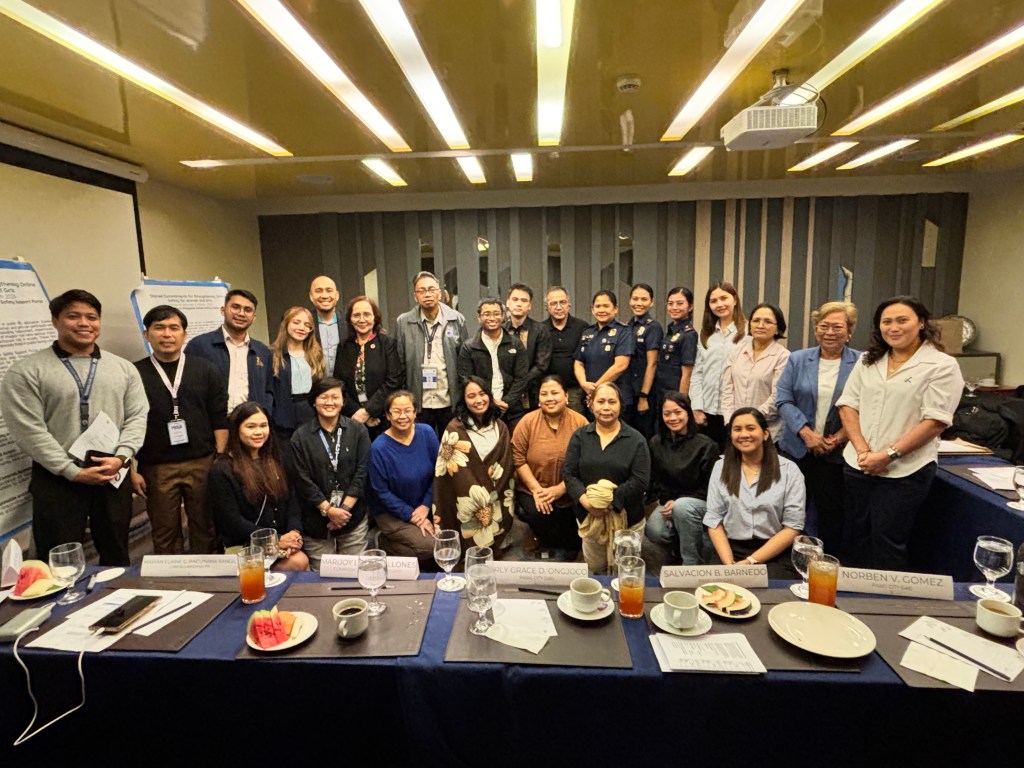
Insights and summary of the consultation is underway.
Notes from Atty. Shenna Sunico and Antonio Salvador. Photos from DICT R7.


 Jocelle Batapa Sigue
Leave a comment