
Valletta, Malta, October 28-30, 2024 — Building resilient and inclusive digital ecosystems is key to unlocking the potential of innovation in today’s rapidly evolving world. At the 2024 Global Innovation Forum in Valletta, Malta, the Philippines took a prominent role in advocating for collaborative approaches to digital transformation.
The Philippines was represented at GIF-24 by Department of Information and Communications Technology (DICT) Undersecretary Jocelle Batapa-Sigue who presented the nation’s digital transformation strategies to a global audience. Organized by the International Telecommunication Union (ITU), the forum convened over 500 delegates from 64 countries, including 27 ministers and deputy ministers, to discuss “Shaping Our Digital Futures for Prosperity and Well-being for All.”

The Ministerial Session: Leading Towards Prosperity in a VUCA World at the GIF-24 brought together distinguished leaders to discuss strategies for navigating the challenges of a volatile, uncertain, complex, and ambiguous global environment. Moderated by Dr. Cosmas Luckyson Zavazava, Director of the Telecommunication Development Bureau at the International Telecommunication Union (ITU), the panel also featured insights from Hon. Silvio Schembri, Minister for the Economy, Enterprise, and Strategic Projects of Malta; Dr. Margaret Nyambura Ndung’u, Cabinet Secretary for the Ministry of Information, Communications, and the Digital Economy of Kenya; Mohamed bin Thamer AlKaabi, Minister of Transportation and Telecommunications of Bahrain; Dr. Neeraj Mittal, Secretary of the Department of Telecommunications, Ministry of Communications of India; Hon. Nthati Moorosi, Minister of Information, Communications, Science, Technology, and Innovation of Lesotho; Emma Inamutila Theofelus, Minister of Information, Communication, and Technology of Namibia; Bosun Tijani, Minister of Communication and Digital Economy of Nigeria. Together, these leaders highlighted the importance of innovation, collaboration, and strategic policy-making in addressing the complexities of the digital landscape and fostering socio-economic progress in their respective regions.

Batapa-Sigue showcased DICT’s strategic initiatives under the leadership of Secretary Ivan John Uy to bridge the digital divide, empower communities, and foster technopreneurship through robust ecosystem-building efforts.
Central to these efforts is DICT’s drive to establish Information and Communications Technology (ICT) Councils across the Philippines. These councils are envisioned as platforms for collaboration among the academe, government, and industry, integrating their unique strengths to propel digital innovation and job creation. The academe provides the knowledge and training needed for a future-ready workforce, the government creates enabling policies and infrastructure, while the industry drives innovation and investment.
Batapa-Sigue highlighted the importance of the National ICT Confederation of the Philippines (NICP) and its member ICT councils as she emphasized that collaboration is essential to ensuring that digital transformation reaches even the most remote and underserved communities. By fostering partnerships across sectors, these councils aim to decentralize digital development, align efforts with local needs, and create an inclusive digital ecosystem. Through these coordinated efforts, the Philippines is not only bridging the digital divide but also building a foundation for sustainable growth and competitiveness in the global digital economy.
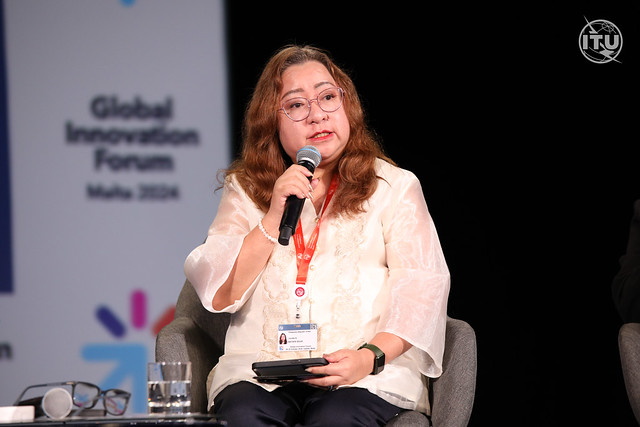
A Voice for the Philippines in Global Digital Innovation
Undersecretary Batapa-Sigue represented the Philippines in key sessions, highlighting the country’s proactive initiatives in digital innovation and inclusion. During the ministerial session “Leading Towards Prosperity in a VUCA World,” she detailed the Philippines’ commitment to empowering underserved communities through flagship programs by the Department of Information and Communications Technology (DICT), such as the Free Wi-Fi for All: Expanding connectivity in remote and underserved areas; the Digital Cities 2025: Transforming local cities into innovation hubs that drive economic growth and the Digital Careers Expo: Enabling rural communities to access information and leads about online job opportunities and build sustainable digital careers.
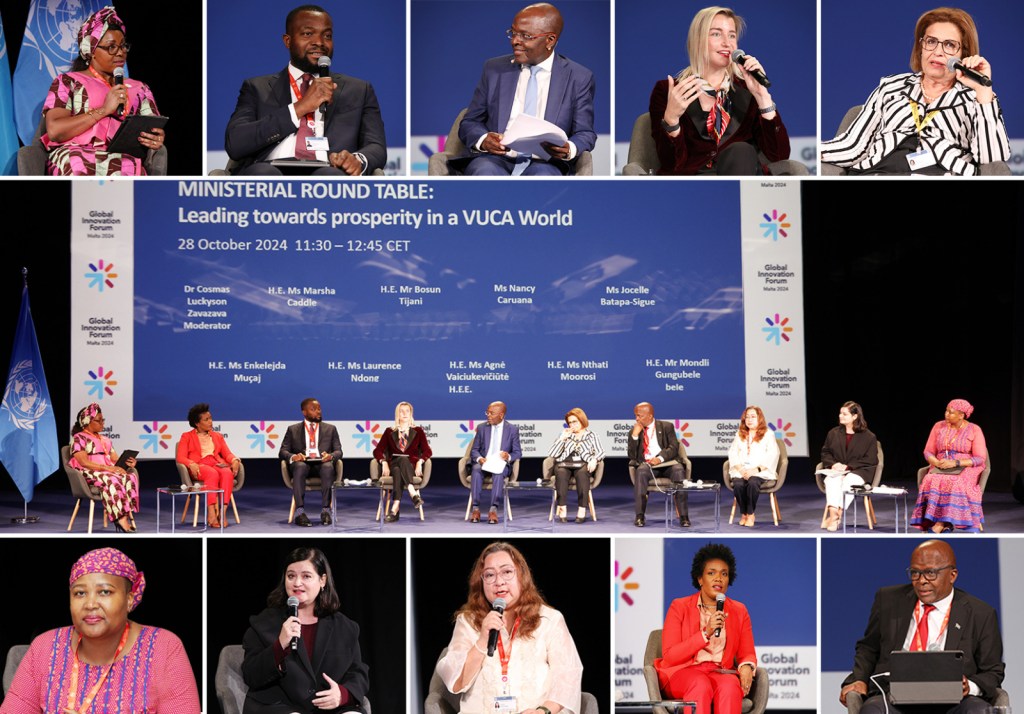

“The Philippines’ digital transformation initiatives integrate connectivity, upskilling, and countryside development, fostering an ecosystem where all Filipinos can thrive,” she stated. She emphasized programs like Digital Innovation for Women Advancement (DIWA), Tech4ED Centers, and Digital Transformation Centers (DTC) aim to equip women, youth, and marginalized groups with essential digital skills. She also shared the eGOV programs of the DICT with delegates expressing interest in improving digital governance initiatives.

Facilitating Global Dialogues on Ecosystem Transformation

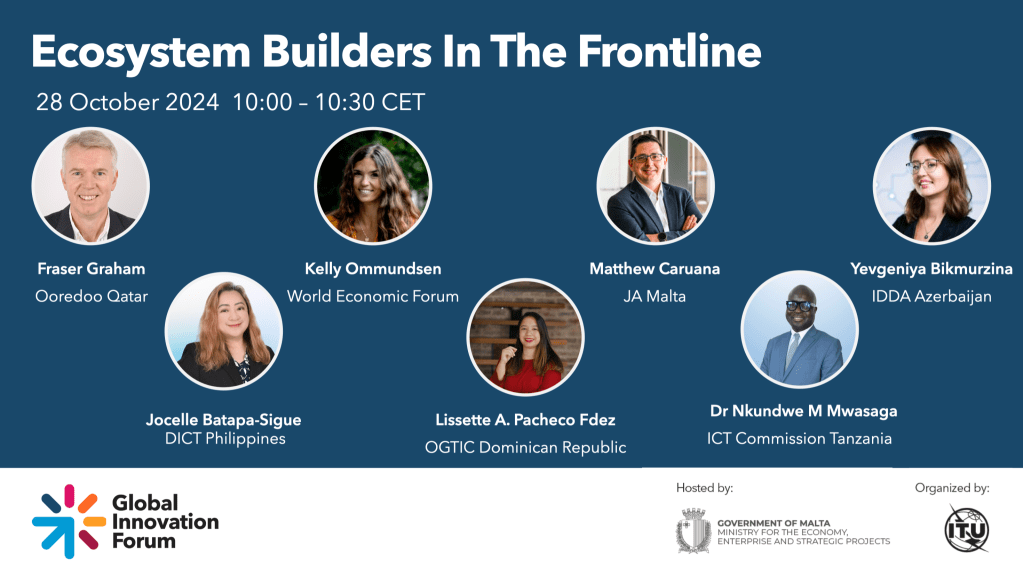
The Philippines also made its mark in facilitating international collaboration. As moderator of the session “Ecosystem4Impact: Ecosystem Builders in the Frontline,” Batapa-Sigue led discussions on best practices for fostering inclusive and resilient digital ecosystems. Key takeaways included:
- The importance of cross-sector collaboration to drive innovation.
- Building adaptability to address emerging challenges in digital transformation.
- Strengthening community engagement for sustainable outcomes
Additionally, Batapa-Sigue presented the Philippines’ Accelerator for Digital Ecosystems and Policies for Technopreneurship (ADEPT) initiative at the ITU Acceleration Centers Meeting. She highlighted the establishment of a new ITU Acceleration Center in Manila, showcasing the Philippines’ leadership in global digital ecosystem development.
The forum underscored the Philippines’ proactive role in shaping a resilient digital future through connectivity programs, digital upskilling, and inclusive policy frameworks, solidifying its position as a global leader in digital transformation.
The panel featured distinguished speakers, such as Fraser Graham, Director of Public Policy at Ooredoo Group, who discussed the company’s role in shaping public policy to support digital innovation and orchestrating ecosystems to drive impactful innovation, and Kelly Ommundsen, Head of Digital Inclusion at the World Economic Forum, introduced the EDISON Alliance, who highlighted its efforts to foster global digital inclusion and the challenges encountered during its rollout.
Lissette Pacheco, Head of the Digital Innovation and Development Laboratory at OGTIC in the Dominican Republic, shared experiences in developing innovation policy and initiatives launched to nurture a sustainable innovation ecosystem, while Matthew Caruana, CEO of Junior Achievement (JA) Malta, provided insights into empowering young entrepreneurs and overcoming barriers to build a supportive entrepreneurial environment.
Dr. Nkundwe Moses Mwasaga, Director General of the ICT Commission in Tanzania, discussed the evolution of innovation hubs and strategies critical in establishing and scaling these hubs to impact the ecosystem, and Yevgeniya Bikmurzina, Head of the Innovation Ecosystem Department at the Innovation and Digital Development Agency in Azerbaijan, shared plans and strategies to foster collaboration and innovation within the country’s digital ecosystem.
The session delved into challenges and strategies in reshaping digital ecosystems, emphasizing the importance of collaboration, adaptability, and strategic partnerships. The session also emphasized adaptability, partnerships, and stakeholder engagement as key to driving socio-economic benefits.

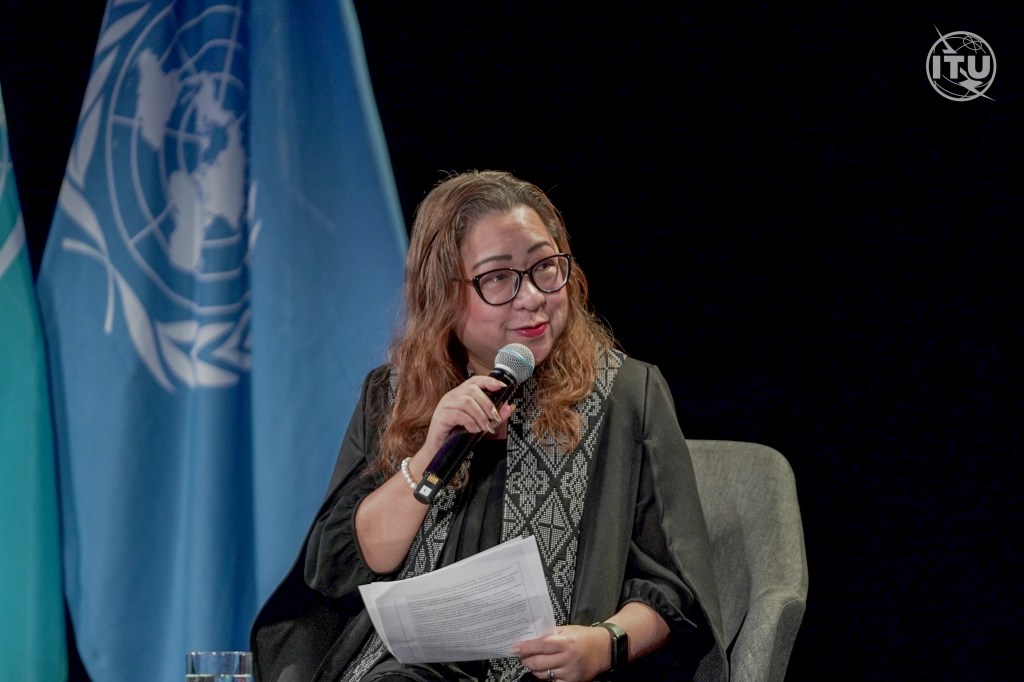
Strengthening the Philippines’ Digital Ecosystem through ADEPT

A major highlight of the Philippines’ participation was the presentation of updates about the Philippines’ Accelerator for Digital Ecosystems and Policies for Technopreneurship (ADEPT), a DICT initiative designed to foster digital innovation and address societal challenges.
During the ITU Acceleration Centers Meeting, Batapa-Sigue shared updates on the establishment of a new ITU Acceleration Center in Manila. This facility, developed in collaboration with the academe and international partners, aims to position the Philippines as a regional leader in digital innovation and capacity-building.
“Through ADEPT, the Philippines is building an enabling environment for technopreneurship, bridging the digital divide, and creating opportunities for innovation-driven economic growth,” she said.

As a member of the ITU Digital Innovation Board, a critical component of the Innovation and Entrepreneurship Alliance for Digital Development, she participated in three high-level sessions, recommending the nomination of experts and the establishment of an Expert Network and the development of its Terms of Reference. Batapa-Sigue brought forward the Philippines’ innovative strategies in fostering public-private collaboration, promoting technopreneurship, and driving digital innovation to address societal challenges. Her role on the board emphasized the Philippines’ leadership in advancing global efforts to build resilient and inclusive digital ecosystems.

As a member of the ITU Digital Innovation Board, Batapa-Sigue’s active involvement underscored the Philippines’ expertise in harnessing digital tools to address economic and social challenges.
Inspiring the Next Generation of Digital Leaders

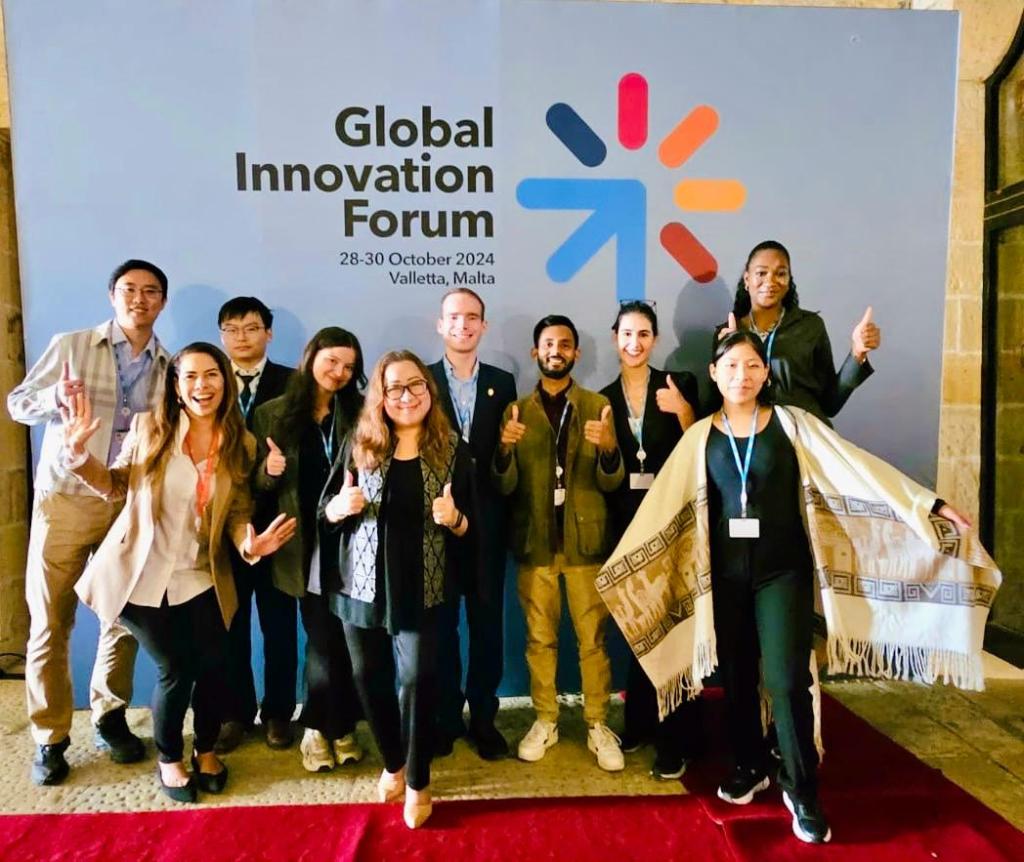
At the Generation Connect Young Leadership Programme, Batapa-Sigue engaged with young global leaders, sharing the Philippines’ approach to inclusive leadership. She introduced her LEADER framework—Listen, Empower, Ask, Demonstrate, Experience, and Reflect—to guide youth in their digital development initiatives. Her message reinforced the Philippines’ role in fostering resilient, youth-led digital innovations aligned with the United Nations’ 2030 Sustainable Development Agenda.
Batapa-Sigue encouraged young leaders to listen attentively to their communities, empower others through mentorship, and boldly ask for support and resources to bring visions to life. She stressed the importance of demonstrating values through actions, drawing strength from personal and professional experiences, and reflecting on lessons to remain aligned with one’s goals.
Her address resonated with the forum’s theme of fostering youth-led digital initiatives, aligning leadership principles with efforts to bridge digital divides, empower communities, and drive innovation for a more inclusive future.
The Generation Connect Young Leadership Programme (GCYLP), an initiative by the International Telecommunication Union (ITU), aims to engage, empower, and inspire young digital leaders and changemakers. This year the program selected 30 young visionaries, aged 18 to 28, providing them with guidance, training, and financial support to implement innovative, community-driven digital development projects. These projects focus on creating a more inclusive and empowered digital future, particularly for individuals in vulnerable situations. Batapa-Sigue was chosen to serve as one of the jurors for the selection for her track record of as a young leader and for mentoring young leaders as well.
The GCYLP offers a year-long virtual leadership training, participation in an in-person global training week, and grant funding of up to USD 10,000 for each fellow’s project. The program emphasizes regional and gender diversity, encouraging applications from Least Developed Countries (LDCs), Landlocked Developing Countries (LLDCs), Small Island Developing States (SIDS), and countries with economies in transition.
By fostering the development of digital solutions that address societal challenges, the GCYLP aligns with ITU’s commitment to bridging the digital divide and promoting sustainable development through information and communication technologies.
Meanwhile in the Philippines, Generation Connect Philippines, a program initiated by DICT under the leadership of Undersecretary Batapa-Sigue, serves as the Philippine counterpart to the International Telecommunication Union’s (ITU) Generation Connect initiative. As ITU Councilor for the Philippines, Batapa-Sigue launched this program to empower Filipino youth to actively participate in the nation’s digital transformation. By fostering collaboration among government, academe, industry, and young leaders, Generation Connect Philippines aims to bridge the digital divide, enhance digital literacy, and drive innovative, community-focused solutions. This initiative reflects the DICT’s commitment to nurturing a future-ready generation that can lead in an increasingly digital and connected world.
Elevating the Philippines on the Global Digital Map

The Philippines’ robust participation in GIF-24 reflects its growing influence in the global digital arena. Undersecretary Batapa-Sigue’s engagements demonstrated the nation’s commitment to advancing digital transformation, fostering collaboration, and championing inclusive growth.
“The Philippines stands as a testament to how strategic programs and partnerships can transform communities and create a brighter digital future for all,” Batapa-Sigue said.
As the world accelerates its digital innovation efforts, the Philippines continues to position itself as a key player, driving transformative initiatives that resonate globally.

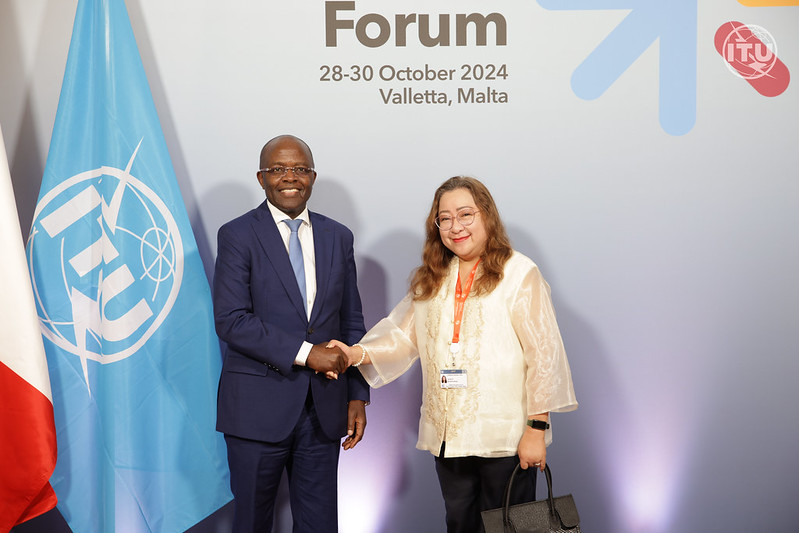

Batapa-Sigue and all GIF ministerial delegates were welcome by Malta’s Minister for the Economy, Enterprise, and Strategic Projects Silvio Schembri. In this capacity, he oversees the nation’s digital economy initiatives, including the development and implementation of digital policies and strategies. Previously, Schembri held the position of Parliamentary Secretary for Financial Services, Digital Economy, and Innovation, where he was instrumental in launching Malta’s first Artificial Intelligence Strategy and establishing a regulatory framework for blockchain services. The ITU Global Innovation Forum 2024 was organized by the International Telecommunication Union and hosted by the Government of Malta through the Ministry for the Economy, Enterprise and Strategic Projects.

The International Telecommunication Union (ITU) is a specialized agency of the United Nations responsible for issues related to information and communication technologies (ICT). Established in 1865, ITU works to facilitate global connectivity, standardize telecom networks, and support the development of digital policies that promote inclusion and sustainable growth. It plays a pivotal role in advancing ICT infrastructure, spectrum management, and fostering international cooperation to bridge the digital divide.
For more information, visit www.itu.int.


 Jocelle Batapa Sigue
Leave a comment