

Manila, Philippines— Out of 133 economies in the 2024 Network Readiness Index (NRI), the Philippines improved its position in the 2024 Network Readiness Index (NRI), moving up six places from 69th in 2023 to 63rd in 2024, cementing its position as a rising digital economy. This advancement reflects the country’s ongoing efforts to enhance its information and communication technology (ICT) infrastructure and digital readiness.
Scoring 49.93, the country performed above the average for lower-middle-income countries (39.67) but remains below the Asia-Pacific regional average (54.25). The Department of Information and Communications Technology (DICT) has been at the forefront of efforts to boost the country’s digital competitiveness, as highlighted in the latest global report.
The NRI, a globally recognized benchmark, evaluates countries based on four pillars: Technology, People, Governance, and Impact. Each pillar delves into sub-pillars covering key metrics such as digital access, government regulation, and the socio-economic benefits of ICT.
As NRI 2024 reflects notable strides in the country’s digital transformation journey, this improvement is driven by key factors such as its global leadership in e-commerce legislation, which underscores a strong legal framework for digital trade. The government’s proactive promotion of emerging technologies like AI and 5G has also played a significant role, earning the country a commendable 14th-place ranking in this area.
Efforts to bridge the digital gender divide have propelled the Philippines to 5th place globally in minimizing the gender gap in internet use. Additionally, the country’s robust performance in ICT services exports, ranking 19th, signals its growing strength in the global digital economy. These advancements highlight the Philippines’ commitment to fostering an inclusive and competitive digital ecosystem, spearheaded by strategic government initiatives and collaborative efforts across sectors.
Key Findings from the 2024 NRI
Philippines’ Strengths
- E-Commerce Legislation (Rank 1): The country leads the global rankings, reflecting country’s efforts to establish a legal framework that supports digital trade.
- Gender Gap in Internet Use (Rank 5): Strong performance in narrowing the digital divide showcases successful initiatives promoting inclusivity and digital literacy.
- Government Promotion of Emerging Technologies (Rank 14): The Philippines is recognized for proactive policies encouraging investments in AI, 5G, and other emerging technologies.
Areas for Improvement
- Handset Prices (Rank 121): High costs of devices remain a significant barrier to expanding digital access.
- Regulatory Environment (Rank 109): Regulatory inefficiencies hinder the country’s potential for ICT-driven innovation.
- Rural Digital Payment Adoption (Rank 116): Limited uptake of digital financial services in rural areas points to a need for more inclusive financial technologies.
DICT: Leading the Charge in ICT Development
The DICT has played a pivotal role in advancing the Philippines’ ICT ecosystem. Key programs and initiatives align with the NRI findings and target the identified gaps.
Expanding Digital Connectivity Nationwide
The DICT has made significant strides in improving internet connectivity to bridge the digital divide, especially in underserved and rural areas. Programs such as the National Broadband Program (NBP) and the Free Wi-Fi for All (FW4A) initiative focus on creating a National Fiber Backbone, international cable landing stations, and satellite overlays. These efforts aim to improve access to high-speed internet, with specific attention to marginalized and geographically isolated and disadvantaged areas (GIDA). The launch of the Baler Cable Landing Station under the Broadband ng Masa Program marked a milestone in providing better connectivity to remote communities, laying the groundwork for economic activity and digital job creation in the countryside.
Advocating for Digital Inclusion and Governance
The DICT has incorporated digital inclusion into its broader strategy for national development. Programs supporting gender inclusion, youth empowerment, and digital literacy have been rolled out, ensuring that every sector of society benefits from the digital economy.
Through strategic partnerships, grassroots collaboration, and policy leadership, the DICT has positioned itself as a catalyst for job creation and digital inclusion in the Philippines. Its holistic approach ensures that Filipinos across all regions are empowered to participate in and benefit from the rapidly evolving digital economy.
Through initiatives like the Digital Transformation Centers, Tech4ED Centers and Free Wi-Fi for All, the DICT is ensuring that remote and marginalized communities gain access to the digital economy.
Philippines’ Digital Innovation for Women Advancement (DIWA) for Gender Digital Inclusion
Through the Digital Innovation for Women Advancement (DIWA) program, the DICT has championed gender-inclusive growth in ICT. DIWA empowers women with digital literacy and entrepreneurial skills, enabling their active participation in the digital economy. The program’s focus on underserved communities ensures that women, especially in rural areas, are equipped to thrive in a rapidly digitizing world. DIWA also aligns with national and international commitments to gender equality and sustainable development.
Regional ICT Summits and Exhibitions (RISE) Bolsters Grassroots Development
The DICT complements its national initiatives with Regional ICT Summits and Exhibitions (RISE), creating platforms where LGUs can showcase their investment readiness and engage directly with industry stakeholders. These events also facilitate capacity-building for LGUs, preparing them to adapt to the demands of investors and integrate into the global digital economy. The DICT has equipped LGUs with the tools to assess their performance against key indicators and develop strategies to meet investor demands. Through collaborations with the private sector, and international organizations, LGUs are empowered to improve their talent pool, digital infrastructure, and overall business environment, ensuring competitiveness in the digital age.
To foster collaboration and innovation, the DICT has hosted Regional ICT Summits and Exhibitions across the country. These events serve as platforms for engaging stakeholders from the public and private sectors, showcasing opportunities in ICT-driven industries, and promoting regional investments. By connecting LGUs, industry leaders, and investors, the summits have helped local economies build ICT ecosystems conducive to growth and innovation.
Digital Careers Expo: Empowering the Workforce
The DICT’s Digital Careers Expo series is a flagship initiative designed to inspire and prepare Filipinos for global digital opportunities. The expos highlight careers in IT-BPM, creative industries, freelancing, and emerging technologies, with sessions on digital skills development, investment potential, and government support. These expos have been instrumental in showcasing the potential of the countryside as a hub for digital jobs, decentralizing opportunities traditionally concentrated in urban centers.
Generation Connect Philippines: Collaboration with ITU
In partnership with the International Telecommunication Union (ITU), the DICT has spearheaded the Generation Connect Philippines Initiative, targeting youth engagement in ICT. The program fosters skills development, leadership, and innovation among young Filipinos, equipping them to navigate and contribute to the global digital landscape. Generation Connect Philippines is part of the DICT’s broader strategy to create an inclusive digital society and prepare future leaders for high-impact roles.
Regulatory Improvements:
The DICT’s leadership in legislations for e-governance, cybersecurity and privacy protection is fostering trust and safety in online platforms Efforts are underway to streamline ICT regulations, making the Philippines more attractive for local and foreign investors.
Upskilling the Workforce:
The DICT continues to lead digital skills training programs, preparing Filipinos for jobs in the digital economy, including AI, data analytics, and cybersecurity. Collaborations with educational institutions ensure ICT literacy starts at an early stage.
The Philippine Skills Framework and Emerging Sectors
The DICT has taken the lead in developing the Philippine Skills Framework (PSF), targeting emerging industries like AI and analytics, animation, healthcare information management, global in-house centers (GICs), software development, and game development (the latter in collaboration with the Department of Trade and Industry). By aligning skills development with industry demands, the PSF ensures a future-ready workforce capable of meeting global standards and attracting investments.
Digital Transformation Centers (DTCs) and Tech4ED Centers
The Department of Information and Communications Technology (DICT) has established Digital Transformation Centers (DTCs) and Tech4ED Centers as cornerstone initiatives to drive digital inclusion, capacity-building, and community development. Digital Transformation Centers serve as hubs for empowering local government units (LGUs), micro, small, and medium enterprises (MSMEs), and individuals with access to advanced digital tools, training, and resources to support e-governance, digital entrepreneurship, and workforce competitiveness. Meanwhile, Tech4ED Centers are strategically located in underserved and geographically isolated areas to provide ICT-enabled education, skills training, and livelihood opportunities. These centers bridge the digital divide by ensuring that marginalized communities gain equitable access to technology and the digital economy, equipping them with the skills needed to thrive in a rapidly evolving world. Together, the DTCs and Tech4ED Centers embody DICT’s commitment to inclusive growth and digital empowerment across the Philippines.
Support for the Digital Workforce Competitiveness
The DICT has taken a leadership role in implementing Republic Act 11927, also known as the Digital Workforce Competitiveness Act, which aims to upskill the Filipino workforce to meet the demands of the global digital economy. This law mandates the integration of digital skills development into national policies, ensuring that Filipino talents remain competitive in the rapidly evolving job market. The DICT has launched various capacity-building programs and initiatives to equip Filipinos with the skills necessary to thrive in freelancing, IT-BPM, creative industries, and digital innovation.
Freelancing and Digital Nomad Programs
As the freelance economy continues to grow, the DICT has emerged as a key player in supporting the freelancing industry and promoting the Philippines as a hub for digital nomads. Programs are being developed to provide freelancers with better access to markets, training, and tools to scale their operations. The DICT has championed freelancing-focused initiatives, ensuring Filipino professionals have access to training and mentorship programs that enhance their digital literacy and global competitiveness. These efforts include partnerships with LGUs and industry groups to provide targeted upskilling in high-demand areas, supporting freelancers in building sustainable careers while contributing to local economies.
The Digital Careers Expo and Workforce Development
The Digital Careers Expo initiative, organized in partnership with key stakeholders, has been a central platform to showcase digital opportunities and inspire Filipinos to pursue careers in the global digital economy. Themed “Navigating the Digital Frontier: Connecting Talent with Technology,” the expos have featured sessions on freelancing, IT-BPM, emerging technologies, and creative industries and already reached thousands of students across the whole country. These events underscore the DICT’s commitment to ensuring that Filipinos are prepared to seize opportunities in the Fourth Industrial Revolution.
Public-Private Partnerships:
DICT’s collaboration with local government units (LGUs) is driving the adoption of smart city technologies and innovative ICT solutions tailored to regional needs.
Future-Proofing Through Regional Collaboration
The DICT’s targeted initiatives have strengthened local ICT ecosystems, fostering collaboration and innovation at the grassroots level. By focusing on regional strategies, the DICT has decentralized opportunities and brought digital transformation closer to underserved communities.
The DICT has also strengthened its partnerships with local government units (LGUs), helping them develop localized roadmaps for jobs and investments. These roadmaps are designed to attract digital economy investors, promote talent development, and foster an enabling environment for startups and freelancing. By closely engaging LGUs, the department has encouraged digital transformation and investment at the grassroots level, contributing significantly to the decentralization of economic opportunities. To date, the ICT has already supported more than fifty cities in creating their digital roadmaps and establishing their ICT councils which bring together academe, government and industry to work together to create more jobs and investments under the MAGIC (making academe, government and industry collaborate) model.
As part of its commitment to creating sustainable economic opportunities, the DICT provides consistent investor matching services for LGUs. This proactive initiative ensures that cities and provinces under the Digital Cities 2025 Program are introduced to potential investors who align with their local capabilities and development goals. By acting as a bridge between LGUs and businesses, the DICT accelerates the growth of IT-BPM hubs and attracts investments tailored to local needs.
Leading Digital Governance
The eGov Super App is a cornerstone of the Philippines’ digital transformation and a key contributor to its improved performance in the 2024 Network Readiness Index (NRI). As an innovative platform that integrates government services into a single, accessible application, it addresses critical areas of digital inclusion and governance highlighted in the report.
By providing a seamless way for citizens to access essential services—such as document processing, payments, and information—the eGov Super App plays a significant role in narrowing the digital divide. This directly supports the country’s strong performance in minimizing the gender gap in internet use, where it ranked 5th globally. The app also encourages broader adoption of digital tools, contributing to the Philippines’ rank of 18th in mobile broadband traffic, reflecting a growing digitally active population.
The app exemplifies the government’s commitment to leveraging ICT for public service delivery, simplifying bureaucratic processes, and building trust in digital governance. As part of the government’s broader efforts to promote emerging technologies and foster innovation, it aligns with the country’s 14th-place ranking in government promotion of emerging technologies. By streamlining service delivery and integrating regulatory tools, the eGov Super App also addresses challenges in regulatory efficiency and accessibility.
Beyond improving services, the app has significant implications for the Philippines’ contributions to the United Nations Sustainable Development Goals (SDGs). By enhancing digital literacy and access to affordable services, it supports goals related to quality education, good governance, and sustainable communities, areas where the country still faces challenges.
As a flagship initiative of the Department of Information and Communications Technology (DICT), the eGov Super App embodies the government’s vision for an inclusive and efficient digital society. It not only reinforces the Philippines’ position as a rising digital economy but also demonstrates the transformative potential of technology in empowering citizens and fostering sustainable development.
Global and Regional Context
The Philippines’ performance in the NRI reflects its growing presence in the global ICT landscape. While it outperformed its peers in the lower-middle-income group, the country lags behind Asia-Pacific leaders like Singapore, which ranks 2nd globally. The stark rural-urban divide in digital services and lingering issues in regulatory frameworks are areas that demand urgent attention.
The NRI also underscores the increasing importance of ICT as a driver for achieving Sustainable Development Goals (SDGs). However, the Philippines ranked low in contributions to SDG 4 (Quality Education) and SDG 3 (Good Health and Well-Being), signaling areas where the intersection of ICT and social development needs to be strengthened.
DICT’s Vision for a Connected Philippines
Secretary Ivan John Uy emphasized the government’s commitment to improving the country’s network readiness. “The 2024 NRI results highlight both our progress and the urgent challenges we face. Through the DICT’s strategic programs and partnerships, we aim to deliver inclusive and sustainable digital transformation for every Filipino.”
Undersecretary Jocelle Batapa-Sigue, who leads efforts in ICT industry development, reiterated the need for an ecosystem-driven approach. “Our focus is not just on expanding access but ensuring that digital innovations are inclusive, affordable, and aligned with global standards. We are determined to close the digital divide and unlock opportunities for all.”
Path Forward
The DICT is set to address affordability, accessibility, and regulatory gaps through:
- Expanding investments in ICT infrastructure, including public Wi-Fi and broadband services.
- Strengthening partnerships with LGUs to promote digital literacy and financial inclusion in rural areas.
- Advocating for reforms to reduce regulatory barriers and enhance the ease of doing business in ICT.
- Increasing investments in digital inclusion and innovation resulting to more meaningful use of connectivity
The 2024 NRI paints a picture of both promise and urgency for the Philippines. With the DICT at the helm, the country is poised to build a digital economy that not only competes globally but also uplifts the lives of its citizens, especially those in underserved communities.
For more information on DICT programs and the 2024 NRI, see the full REPORT Here.

Press Release: United States, Singapore and Finland retain top three spots in 2024 Network Readiness Index


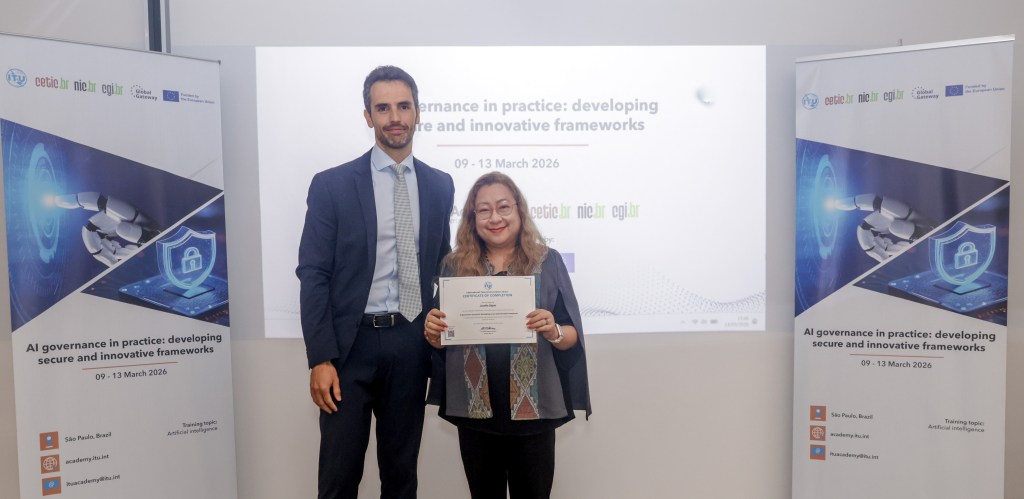

 Jocelle Batapa Sigue
Leave a comment