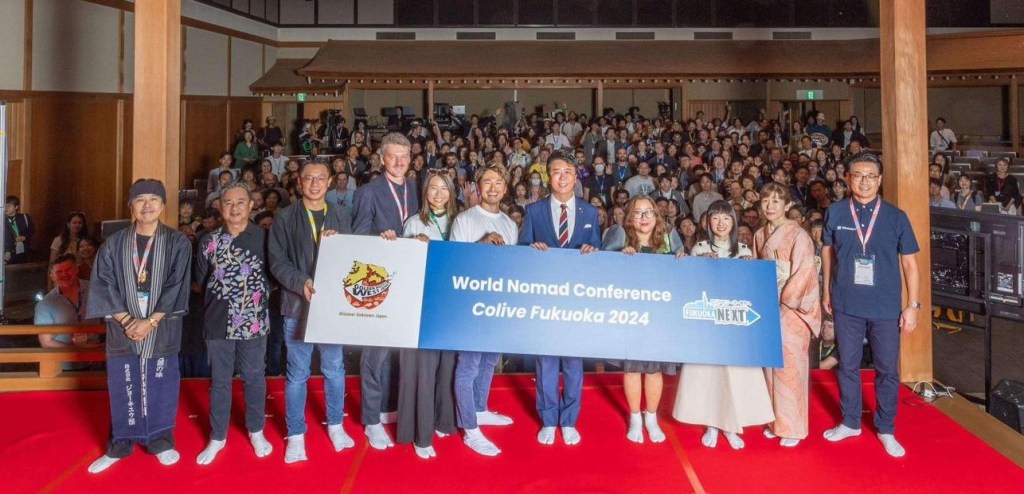
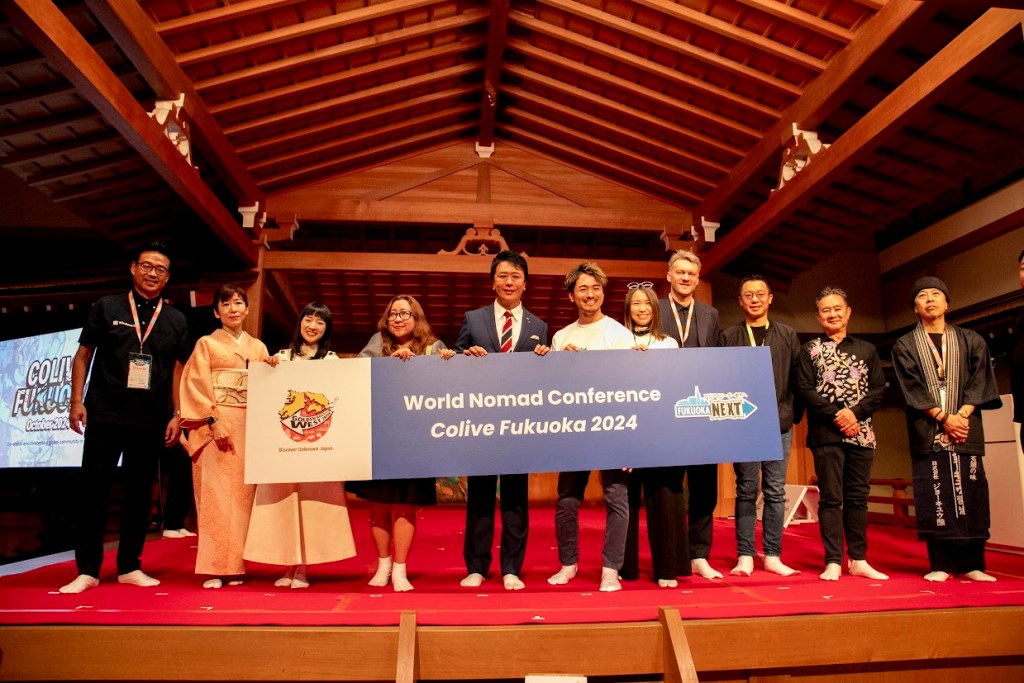
As the Undersecretary for ICT Industry Development under the Department of Information and Communications Technology (DICT), I had the privilege to attend and present at Colive Fukuoka 2024, a remarkable global gathering of digital nomads and leaders in Fukuoka, Japan. Held from October 23 to 25, 2024, this event showcased the rise of digital nomadism in Asia and beyond, a movement that reflects the flexibility and interconnectedness of today’s digital workforce. My participation underscored the Philippines’ commitment to becoming a prime destination for digital nomads, a vision aligned with our national ICT development agenda.
Strengthening the Philippines’ Role in the Global Digital Landscape

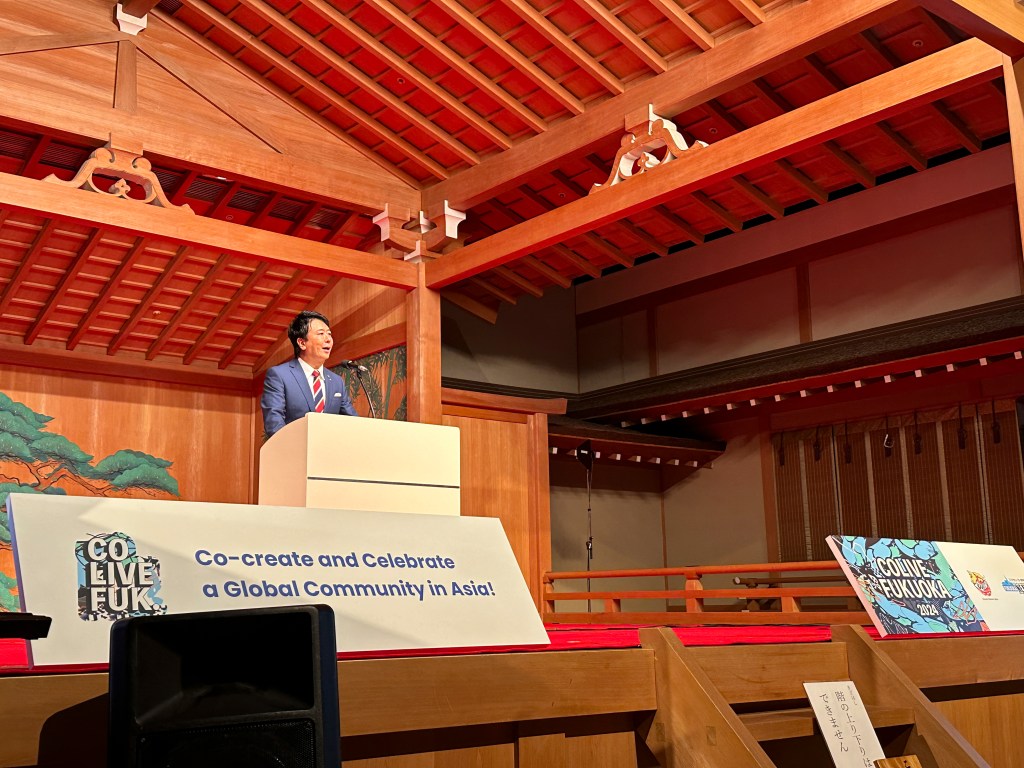
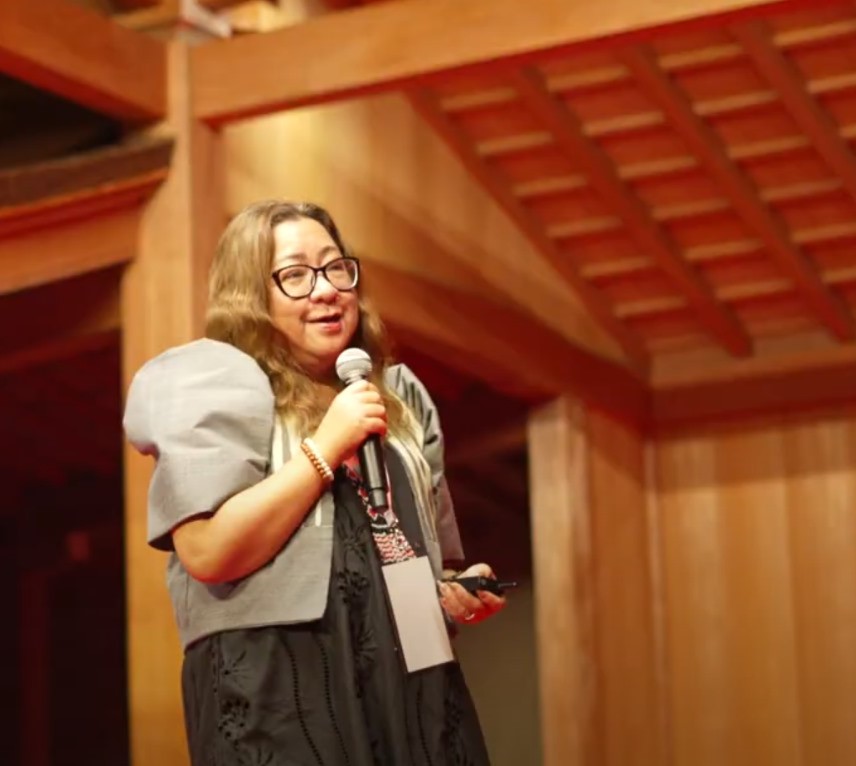
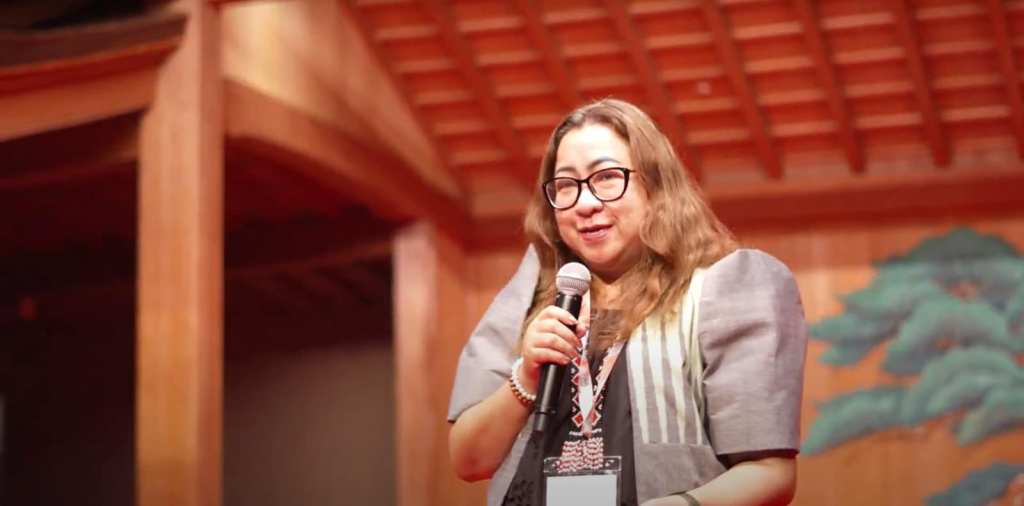
The Colive Fukuoka World Nomad Conference provided a valuable platform to highlight the Philippines’ unique advantages as a destination for digital nomads. OUr country has much to offer in terms of robust ICT infrastructure, a growing digital ecosystem, and an extensive talent pool. During my presentation, titled “Promoting the Philippines as a Global Digital Nomad Destination,” I emphasized our strategic framework designed to enhance public access to digital services, foster collaboration, and protect the interests of industry stakeholders.
The Philippines offers a unique blend of natural beauty, cultural diversity, and warmth that resonates strongly with digital nomads. With pristine beaches, scenic mountain ranges, and bustling urban centers, our country presents the perfect mix of relaxation and productivity for remote professionals. Locations like Siargao, Palawan, and Cebu are already becoming popular among nomads, and Siquijor is set to join them as a hub for digital creativity and innovation. By promoting our rich cultural heritage and the welcoming nature of our communities, the Philippines offers not just a place to work but a destination to belong.
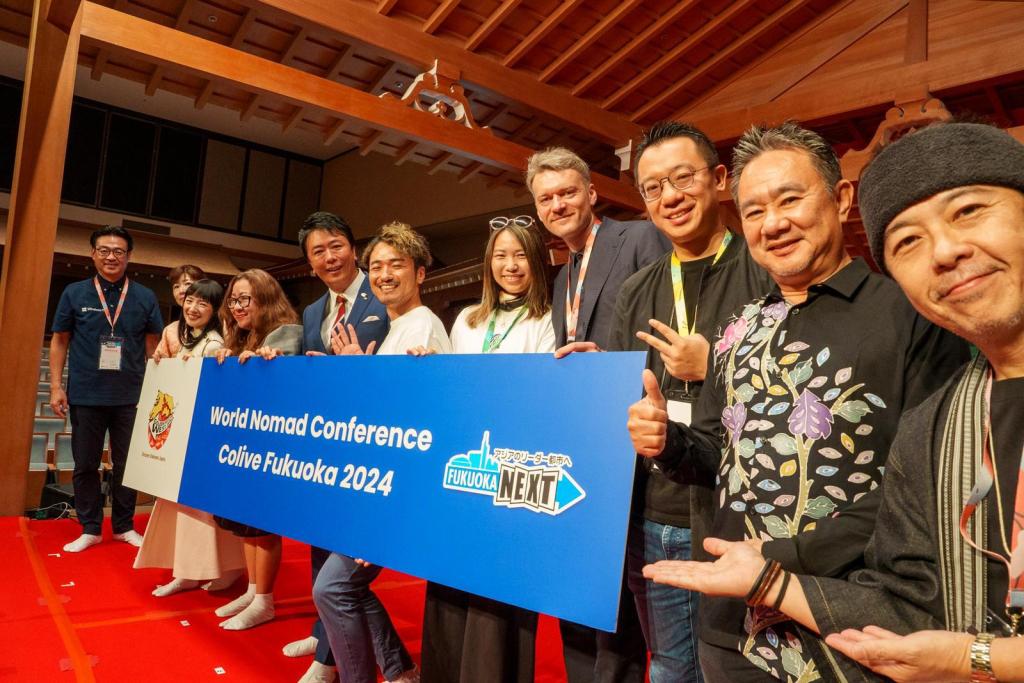
I shared DICT’s commitment to positioning the Philippines as a prime hub for digital nomads and a leader in ICT-driven economic development. The Department of Information and Communications Technology (DICT), as the main policy-making and coordinating agency, aims to advance the National ICT Development Agenda, with a focus on creating a robust digital ecosystem that can attract and support a growing community of digital nomads.
The rise of digital nomadism is transforming the global work landscape, and the Philippines seeks to leverage this trend to boost local economies, foster cultural exchange, and contribute to sustainable growth. By enhancing remote work infrastructure, facilitating government support, and promoting networking opportunities, DICT envisions a thriving digital workforce that integrates seamlessly with local communities.
The presentation underscored the broader economic benefits of embracing digital nomadism, including increased spending in local economies, diversification of the workforce, and a positive cultural impact through the exchange of ideas and practices. Looking ahead, DICT’s strategy involves promoting the lifestyle benefits of the Philippines as a remote work destination, reinforcing a focus on sustainability, and continuously expanding the support framework to attract a globally mobile, tech-savvy workforce.
Engaging with the Global Digital Nomad Community
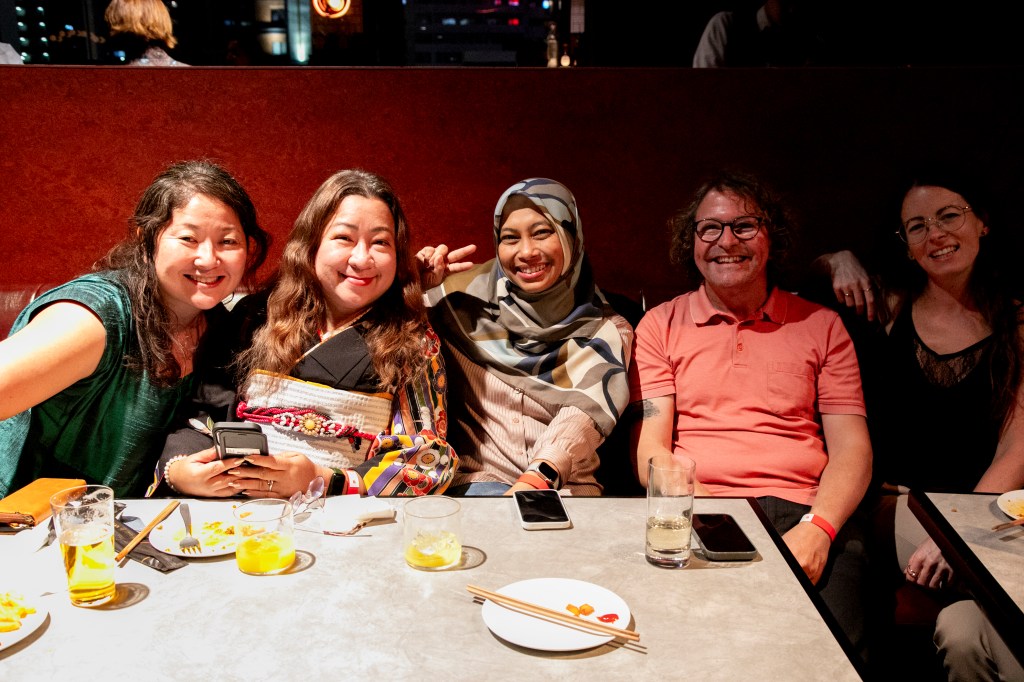
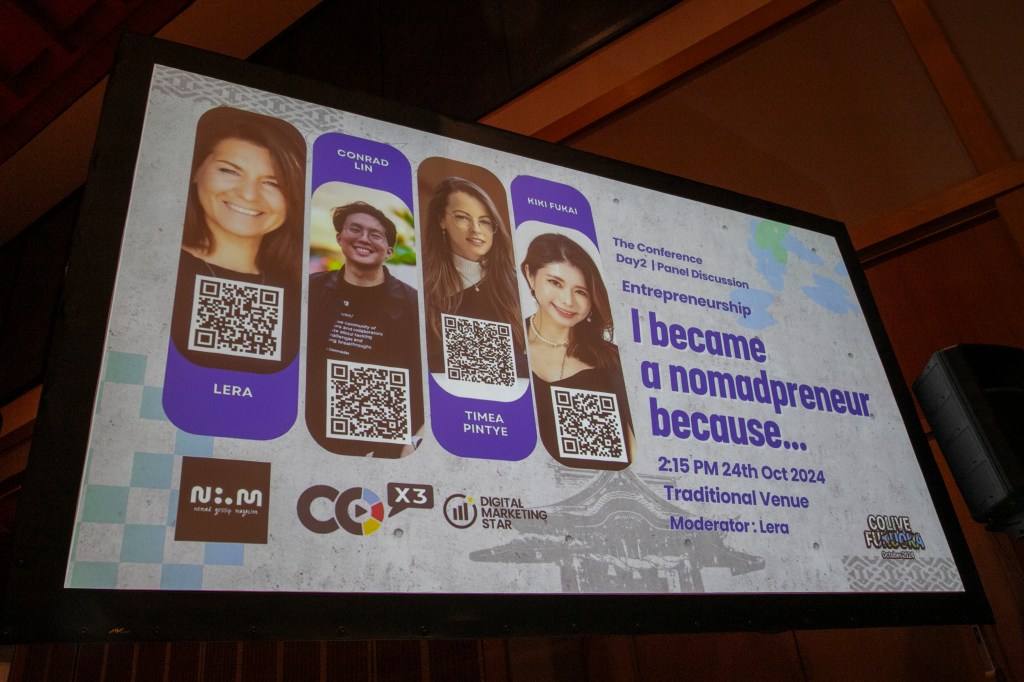
Colive Fukuoka welcomed over 300 participants from around the world, fostering deep connections among digital professionals, policymakers, and industry leaders. During this three-day conference, I was able to connect with counterparts from various countries, discussing best practices and sharing insights on digital nomad policies, such as the role of digital nomad visas and infrastructure that supports a location-independent lifestyle. The sessions featured vibrant discussions on remote work support systems, sustainable digital nomadism, and the socio-economic benefits of nomadic lifestyles




The energy and excitement from the attendees were palpable, with the event offering numerous networking opportunities, bento lunch clubs, and even a park BBQ event. This diversity of formats not only facilitated collaboration but also showcased the cultural elements that enrich the digital nomad experience—a key message we can apply to the Philippine context as we aim to build a similar welcoming environment for nomads.
The economic impact of digital nomads on host countries is increasingly evident, and the Philippines stands to benefit significantly. As digital nomads settle into local communities, they contribute to small businesses, tourism, and local services. This creates a ripple effect, boosting the economy while supporting local entrepreneurs. Furthermore, the cultural exchange between nomads and locals fosters a shared understanding that enriches both communities and creates new pathways for collaboration and learning.
Exploring Policy and Infrastructure Support
One of the conference’s core themes was how cities like Fukuoka are equipping themselves to support the global nomad community. This directly aligns with the Philippines’ ambitions to create conducive environments for digital professionals, especially in emerging hubs like Siquijor, identified as a potential digital nomad hotspot. The DICT’s policy initiatives and the recent Digital Nomad Visa Bill were central points of my presentation, highlighting the government’s proactive stance in policy-making and infrastructure development.
The Digital Nomad Visa Bill, currently under legislative review, aims to streamline visa processes for nomads, offering tax exemptions and a renewable visa framework. By reducing regulatory barriers and offering incentives, the Philippines aims to attract a vibrant community of remote workers who can contribute to our digital economy’s growth and innovation.
This bill is designed to facilitate the entry of digital nomads into the Philippines by providing a renewable one-year visa with tax exemptions. Such a visa will allow nomads to stay for extended periods, fostering local economic growth and cross-cultural exchange. The policy’s flexibility and incentives enhance the Philippines’ appeal, positioning it as a forward-thinking, nomad-friendly destination.
By inviting digital nomads to work and live here, the Philippines can benefit from the skills, ideas, and innovations they bring. This exchange will play a crucial role in promoting our tech industry’s competitiveness and creating new opportunities for local professionals to collaborate with global peers.
Beyond the policy discussions, Colive Fukuoka underscored the cultural exchange aspect of digital nomadism. The conference’s curated sessions demonstrated how a blend of cultural activities and professional networking creates a richer, more inclusive experience for digital professionals. This emphasis on cultural exchange resonates strongly with the Philippines’ own goals in promoting our local heritage and integrating it into the digital landscape.
Our infrastructure is rapidly evolving to meet the needs of a remote workforce. The DICT, through its policy and planning efforts, is working to improve internet accessibility and infrastructure across both urban centers and rural areas. Our expanding network of co-working spaces, reliable connectivity, and well-developed hospitality industry make the Philippines a functional and comfortable choice for remote work. These elements, coupled with the affordable cost of living, offer nomads the chance to maximize their productivity without the high expenses seen in other regions.


I was particularly inspired by the discussions on building communities tailored to local ecosystems. This approach of community-building is essential for any country aspiring to become a digital nomad hub. It’s not enough to offer infrastructure; there’s a need to foster communities where digital nomads can feel a sense of belonging. This is one area where I see vast potential for collaboration across ASEAN countries to share insights and create a supportive ecosystem that benefits not only nomads but also local economies.
One of the most powerful aspects of digital nomadism is the sense of community, and the Philippines has a natural advantage in creating such bonds. Filipino hospitality is renowned worldwide, and our country’s openness to other cultures makes it an ideal environment for a multicultural digital community. At the conference, I highlighted our efforts to build co-working and co-living spaces in emerging tech hubs, where digital professionals can work, learn, and grow together.
This approach also aligns with our national ICT development goals. By fostering these hubs, we’re not only accommodating the nomads’ lifestyle but also creating ecosystems that drive local innovation and entrepreneurship. Such a community-centric approach strengthens the Philippines’ value proposition as a destination that doesn’t just cater to digital nomads but actively integrates them into the local economy and culture
2nd Philippine Digital Nomad Summit in Siquijor
Undersecretary Jocelle Batapa-Sigue delivered a compelling message of support via a video at the 2nd #BarefootIT: Digital Nomad Summit 2024, held in Siquijor simultaneous with CoLive Fukuoka. Highlighting Siquijor’s potential as a premier destination for digital nomads, she emphasized its unique blend of nature, culture, and innovation. She underscored DICT’s commitment to enhancing digital infrastructure, promoting co-working spaces, and advancing upskilling programs to solidify the Philippines’ position in the global gig economy.
Key discussions at the summit focused on improving connectivity, support services, and collaboration among stakeholders to create a thriving ecosystem for digital nomads. Recognizing the Philippines’ growing presence in the global gig economy, currently ranked 6th in the Global Gig Economy Index, the Undersecretary stressed the importance of government initiatives to promote online freelancing and digital nomadism.
The summit organized by the Department of Information and Communications Technology (DICT) also celebrated the entrepreneurial spirit of digital nomads and their role in shaping an inclusive and innovative future for the Philippines, aiming to establish the country as Southeast Asia’s leading creative economy by 2030. With its natural allure and supportive infrastructure, Siquijor stands poised to become a top choice for digital professionals worldwide.
Looking Ahead
As I returned from Fukuoka, I brought back valuable insights and connections that will undoubtedly inform our next steps in advancing the Philippines’ digital nomad initiatives. Colive Fukuoka 2024 was a powerful reminder of the potential that lies in cross-border collaboration and community-building. Our participation in such events positions the Philippines not just as a passive destination but as an active contributor in the digital nomad landscape.
The event was a key milestone in our journey to establish the Philippines as a top destination for global digital talent, aligning with our mission to foster an inclusive and dynamic digital economy. Together with our ASEAN counterparts and industry partners, we are excited to leverage the insights gained from Colive Fukuoka to shape a digital future that is as inclusive as it is innovative.
This experience has strengthened our resolve to build the necessary infrastructure, policies, and communities that will make the Philippines a premier destination for digital nomads worldwide. As we move forward, we are committed to nurturing a digital environment that encourages innovation, supports economic growth, and celebrates the diversity of our global digital community.
Our vision is clear: to position the Philippines as a leader in the digital nomad movement. Colive Fukuoka was a pivotal opportunity to showcase this vision and to learn from global counterparts. The insights gained from this event reinforce our commitment to making the Philippines not just a destination, but a home for digital nomads worldwide. With a solid infrastructure, supportive policies, and an inviting culture, the Philippines is set to be a beacon for remote work in Asia.
As we move forward, DICT will continue to support the digital nomad community and the growth of our ICT sector, ensuring that the Philippines is ready to meet the demands of the future digital workforce. This journey is more than just about remote work—it’s about creating a sustainable and interconnected future for digital professionals, local communities, and the global economy.


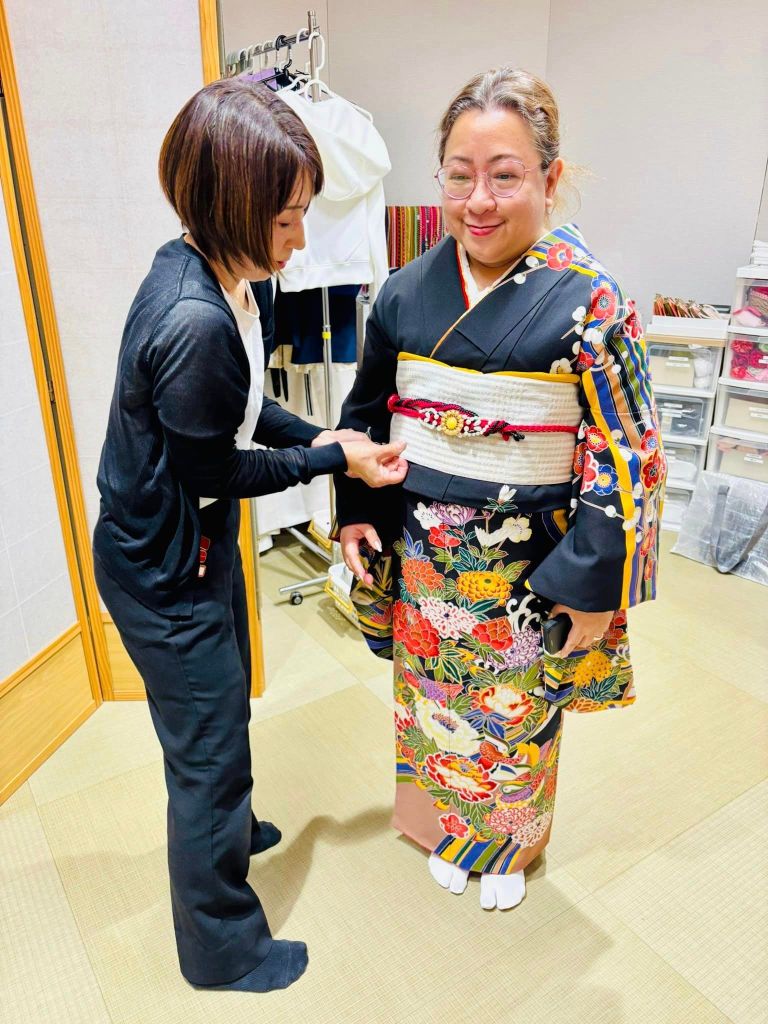

Workation Photos:
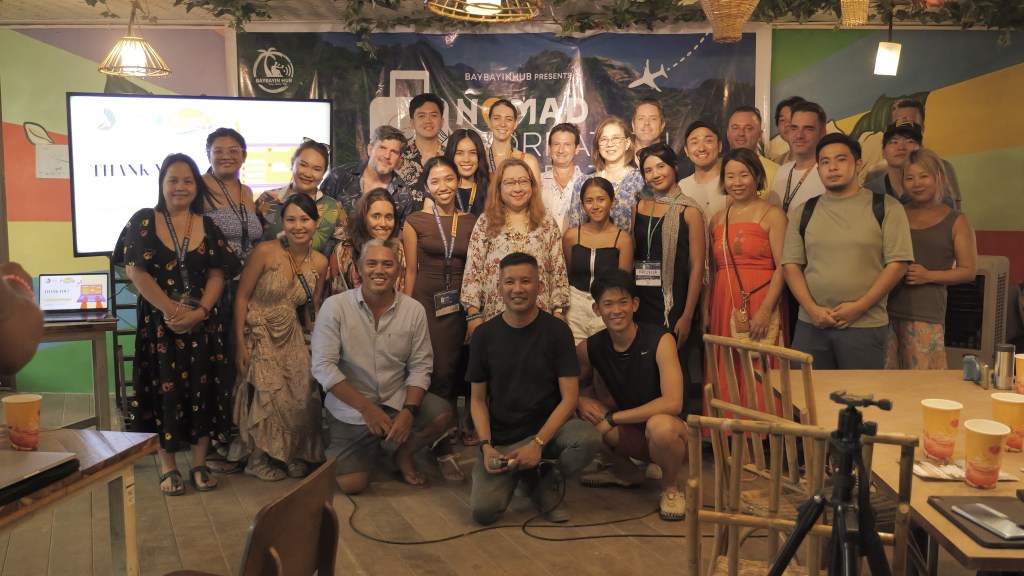
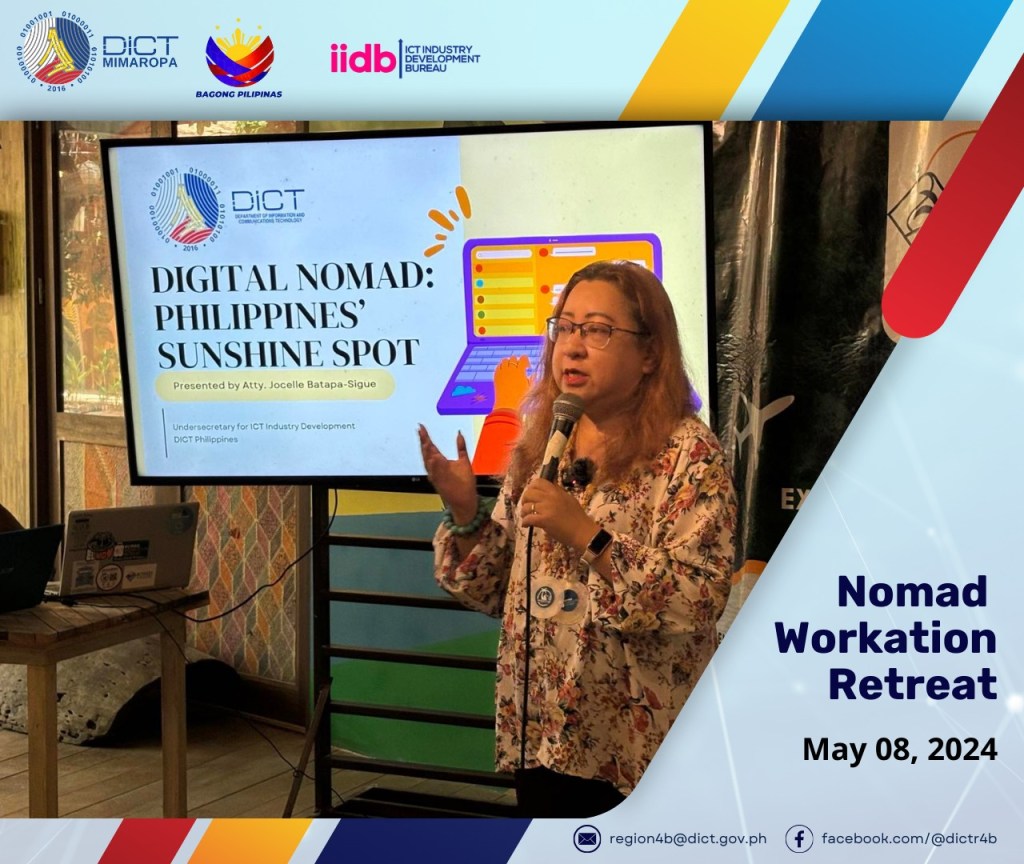
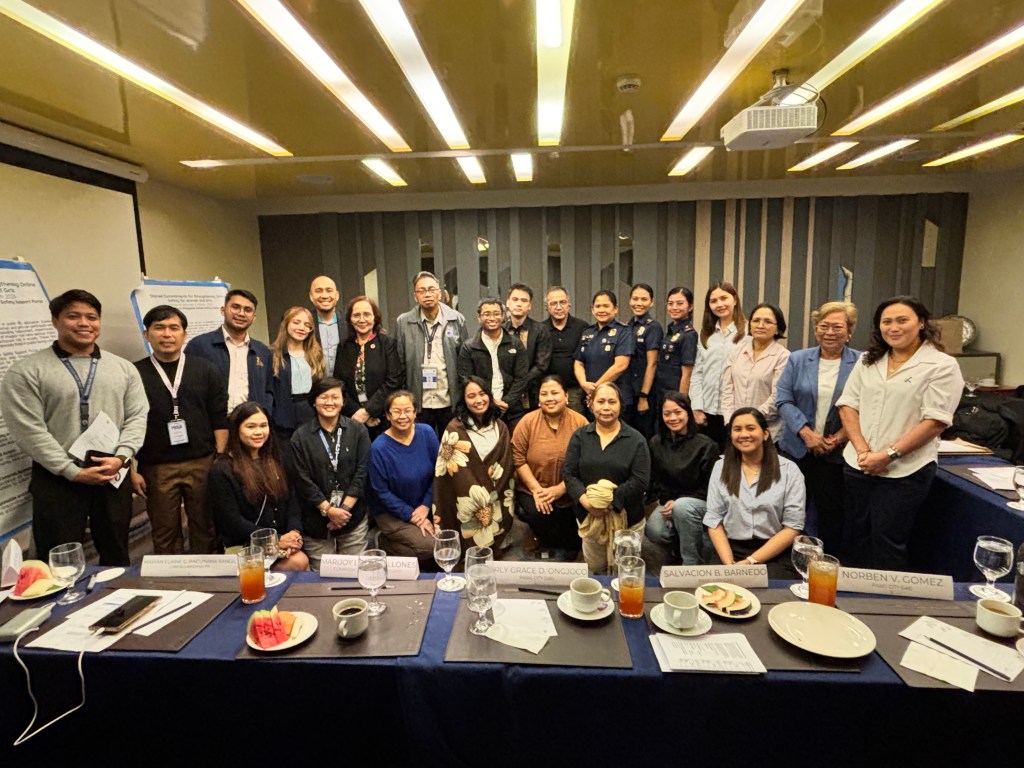


 Jocelle Batapa Sigue
Leave a comment