

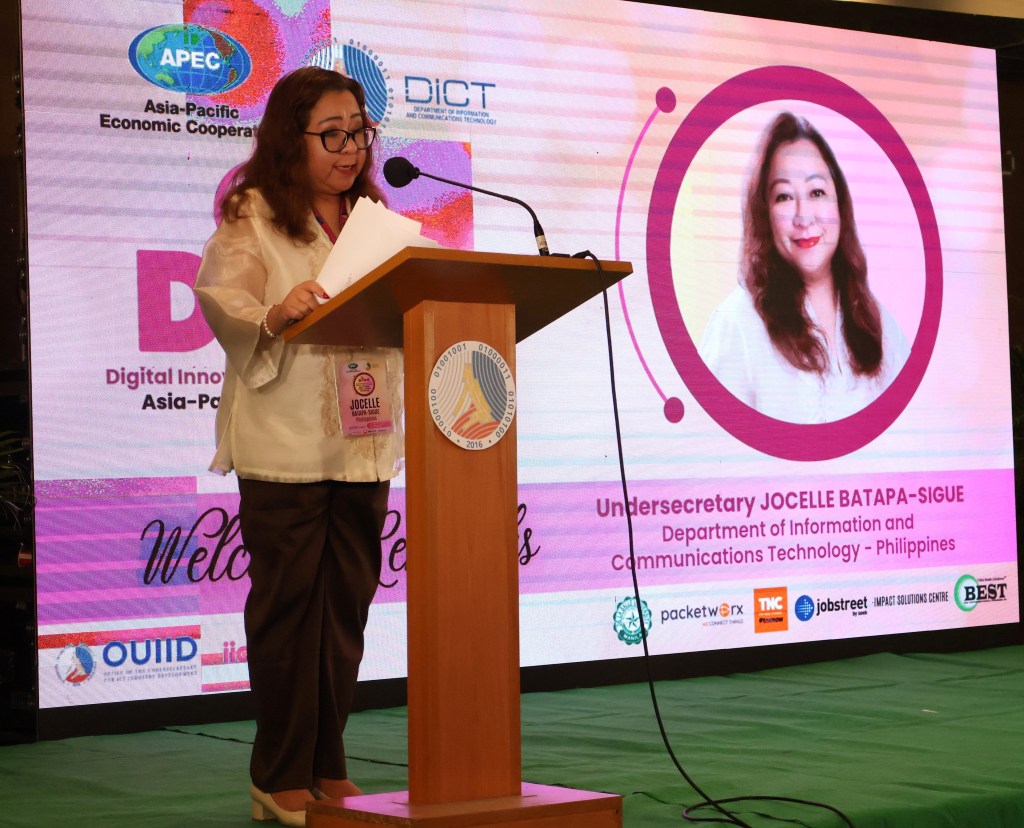
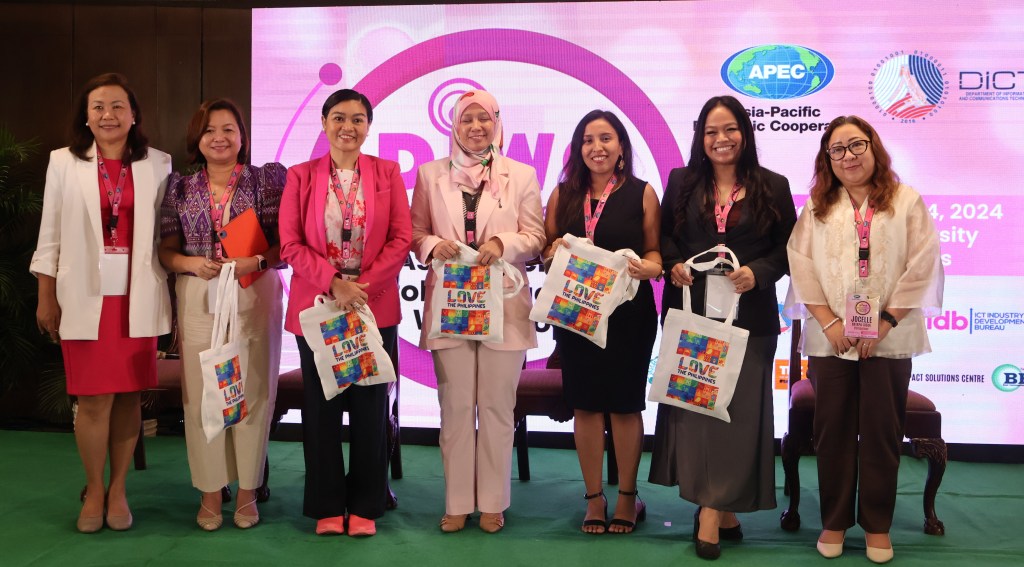
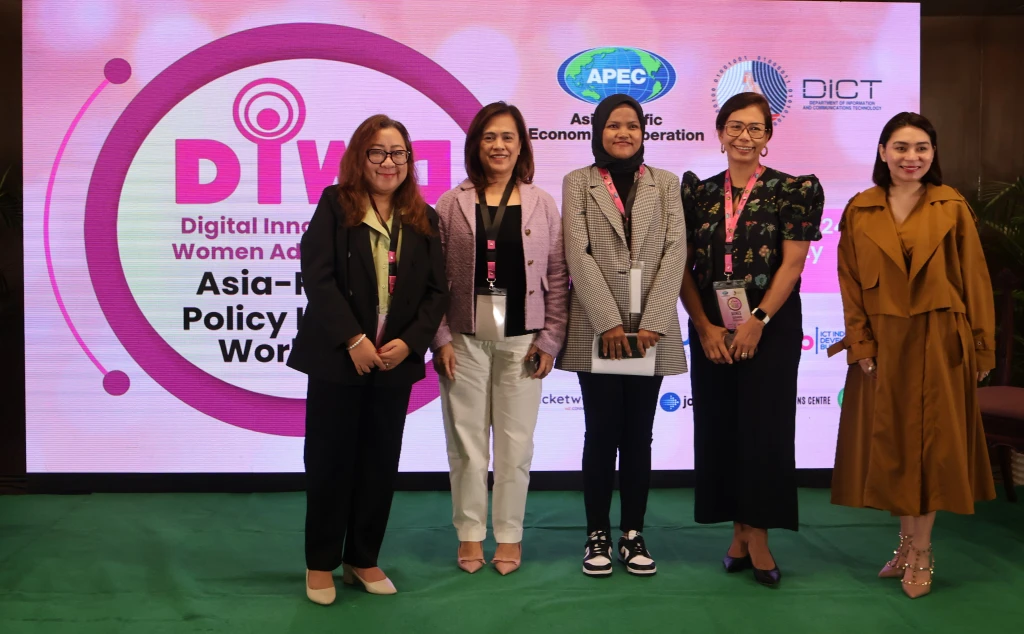
In a landmark effort to close the gender gap in the digital economy, the Department of Information and Communications Technology (DICT) of the Philippines hosted the APEC-DIWA Workshop on September 23-24, 2024, at De La Salle University in Manila. Bringing together key delegates from 13 economies, including the United States, Japan, Malaysia, and international organizations like the ITU, the workshop focused on developing actionable strategies to empower women in ICT. The event marks a significant step towards creating a more inclusive digital landscape across the Asia-Pacific region, with a 2025 white paper set to guide policy initiatives and foster regional cooperation.
Focus Areas and Strategic Initiatives
APEC-DIWA zeroed in on three primary objectives: shaping practical policies for women in ICT, raising awareness of women’s roles and contributions in the sector, and dismantling structural impediments that restrict women’s participation. These efforts align with broader regional goals, such as the La Serena Roadmap for Women and Inclusive Growth, which emphasizes the critical role of women in driving sustainable economic growth, and the APEC TELWG Strategic Plan 2021-2025, which outlines strategies for harnessing emerging technologies like artificial intelligence, 5G, and the Internet of Things (IoT) to boost regional cooperation and digital transformation.
One of the core outputs of APEC-DIWA is the upcoming 2025 white paper, which will compile insights from the workshop and deliver evidence-based strategies to enhance women’s engagement in the digital economy. This document aims to serve as a guiding framework for 21 APEC economies, detailing actionable steps to integrate gender-responsive digital policies that reflect the challenges and opportunities faced by women in ICT.

Five Strategies for Empowering Women in the ICT Sector Unveiled at APEC-DIWA
APEC-DIWA workshop delegates presented a set of crucial strategies aimed at closing the gender gap in the Information and Communications Technology (ICT) sector across the Asia-Pacific region. These strategies—Education and Early Engagement, Workplace Policies and Culture, Entrepreneurship and Leadership, Integrated Gender and ICT Policy and Legislation, and Technology Access and Digital Literacy—are designed to empower women and ensure their active participation in a rapidly evolving digital economy, paving the way for greater gender inclusion and equality.
The foundation of these strategies is introducing digital skills and programs early in the educational journey. The delegates emphasized the need for inclusive curricula from elementary through secondary education, ensuring that young girls receive exposure to ICT fields. This early engagement is intended to inspire interest in technology among girls and to provide them with the skills needed to pursue ICT careers. By tailoring programs to be gender-sensitive, technology can become more accessible and appealing to young women.
Recognizing the critical role of workplace environments in supporting women, the second focus is on fostering inclusive policies that address the unique challenges women face, such as unpaid care work. The delegates highlighted the importance of creating a culture where work-life balance is valued, which is essential for enabling women to thrive professionally. This includes advocating for diversity, equity, and inclusion (DEI) training, and establishing benchmarks to close the gender pay gap within the ICT industry.
Another key area emphasizes the role of women as leaders and entrepreneurs in the tech sector. To support this, the APEC-DIWA initiative is committed to developing leadership programs and mentorship networks that connect women with investors and successful business leaders. Access to capital and financial services is often a barrier for women-led startups, and this strategy aims to dismantle these barriers while promoting women’s participation in high-growth tech fields such as artificial intelligence and the Internet of Things (IoT).
Advocating for policies that integrate gender perspectives in ICT legislation is another critical focus. The delegates underscored the need for systematic collection of gender-disaggregated data to inform policy-making processes. Only through a detailed understanding of the gender landscape in ICT can policies be created that truly level the playing field. This approach aligns with international commitments, such as the Aotearoa Plan of Action, which promotes inclusive policy frameworks across the region.
Expanding access to digital tools and infrastructure is essential for bridging the gender digital divide. This focus aims to improve connectivity in underserved areas and offer digital literacy programs specifically tailored to women. Many rural communities face challenges in accessing digital services, which disproportionately affects women. By enhancing digital literacy and expanding access to technology, the initiative aims to empower women to fully engage in the digital economy.
These strategies, introduced at the APEC-DIWA workshop, mark a significant step forward in addressing the structural challenges that women face in ICT. As the initiative moves towards publishing a comprehensive white paper in 2025, these strategies are expected to shape policy directions and create a more inclusive digital future for the Asia-Pacific region. The delegates’ vision is clear: empowering women in ICT is not just about providing opportunities, but about reshaping the entire digital landscape to ensure that no one is left behind.

Messages of Support from Global Leaders
The workshop received endorsements from prominent leaders in the ICT and development sectors, each recognizing the potential of APEC-DIWA to transform the digital landscape. DICT Secretary Ivan John Uy emphasized that “APEC-DIWA is more than a government project; it is an investment in our shared digital future, one that prioritizes the development of skills and the visibility of women in ICT.” He underscored the long-term benefits of such initiatives, noting that empowering women is central to achieving a resilient and dynamic digital economy in the Asia-Pacific.
Atsuko Okuda, ITU Regional Director for Asia and the Pacific, highlighted the Philippines’ leadership in gender inclusion, reflecting on the country’s successful hosting of the International Girls in ICT Day earlier in 2024. She emphasized that APEC-DIWA serves as a continuation of ITU’s commitment to ensuring that girls and young women have opportunities in STEM and digital careers. “This commitment is embodied in our ongoing effort to empower girls and young women through STEM education, community initiatives, and fostering digital inclusion in initiatives like smart islands and smart villages,” Okuda remarked.
From the United States, Amy Lovejoy, Chief of the Office of Economic Growth Governance at USAID, emphasized that the APEC-DIWA initiative is a crucial step toward a more gender-inclusive Asia-Pacific. “The ICT sector continues to rapidly grow, creating abundant opportunities for women and girls. With collective effort, the future for them—and the boys they live and grow alongside—will be brighter and more inclusive,” Lovejoy noted.



Building the Path Forward: Upcoming Initiatives
The APEC-DIWA workshop sets the stage for expanded collaboration with the Association of Southeast Asian Nations (ASEAN) through the ASEAN-DIWA initiative, also slated for 2024. This initiative aims to further amplify women’s digital skills, offer mentorship, and tackle cultural barriers that hinder their participation in the tech sector. By fostering cross-regional dialogues and partnerships, ASEAN-DIWA seeks to create a thriving ecosystem where innovative ideas can flourish, directly contributing to the overall digital competitiveness of ASEAN economies..
The collaboration will focus on building support systems for women, such as community-based technology training centers and ICT innovation hubs. These hubs are envisioned as safe spaces for women to learn, innovate, and connect with industry experts, empowering them to lead digital transformations in their respective communities. This partnership aims to ensure that women are not only participants but leaders in the evolving digital economy, driving forward a more equitable and innovative region.
Commitment to Data-Driven Solutions
A recurring theme throughout the workshop was the emphasis on the importance of data, particularly sex-disaggregated data, for informed policymaking. Dr. Rebecca Fatima Sta Maria, Executive Director of the APEC Secretariat, underscored that collecting and analyzing data is essential to addressing the gender digital divide. She called for continued efforts to generate evidence-based reports that highlight gaps and opportunities for women in the digital economy. “Understanding the impact of policies and interventions for women requires a rigorous data-driven approach, and this is where we must invest our efforts,” she stressed.
By integrating data and collaborative action, APEC-DIWA aims to lay the groundwork for a future where digital innovation is inclusive of all genders. The event not only focused on immediate strategies but also envisioned a long-term impact, contributing to the realization of an open, dynamic, resilient, and peaceful Asia-Pacific community by 2040, as envisioned in the Aotearoa Plan of Action.
Towards a Digital Economy for All
The APEC-DIWA workshop stands as a testament to the power of collective action in bridging the gender gap in ICT. With a commitment to inclusive policies, targeted strategies, and robust regional collaboration, it aims to reshape the digital landscape of the Asia-Pacific. As the white paper and ASEAN-DIWA initiative unfold in 2025, the impact of APEC-DIWA will continue to resonate, creating a digital economy where women’s talents are not just recognized but celebrated.
Reflecting on the event’s significance, DICT Undersecretary Jocelle Batapa-Sigue emphasized, “Empowering women in ICT is not merely about equal opportunities—it’s about tapping into the full potential of our society. APEC-DIWA marks the beginning of a movement that will redefine the digital economy for the betterment of all.”
With Contributions From Edwin Diaz and Kris Villanueva-Libunao


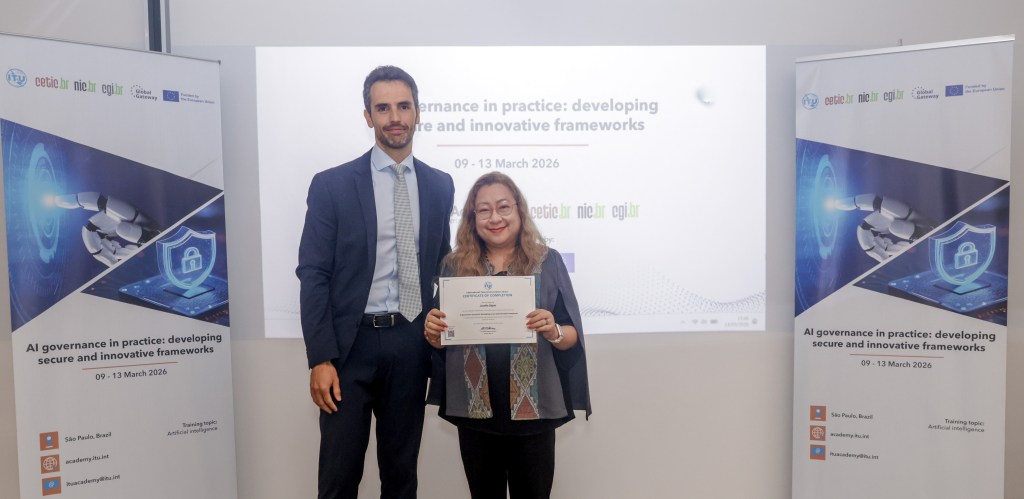

 Jocelle Batapa Sigue
Leave a comment