

Tacloban City is set to become a digital hub in the Eastern Visayas region. This was the central theme as the city unveiled its ICT Roadmap during the Department of Information and Communications Technology’s (DICT) Regional ICT Summit and Exhibitions (RISE) 8 held on September 10, 2024 in the city.
“Exciting times ahead for Tacloban and Region 8,” declared Imelda Andales, Private Sector Representative for ICT in the Regional Development Council (RDC). Her statement set the tone for the launch, marking a significant milestone in Tacloban’s digital transformation journey.

The journey towards becoming a digital city was not easy for Tacloban, a city devastated by Yolanda in 2013. Andales reminisced about how the city had been poised to become a Next Wave City for the ICT-BPM industry before the typhoon struck, forcing a massive setback.
“Tacloban suffered a major blow, but we have emerged stronger,” she said. “It took years of recovery, but today, we are better than before, and much is happening in Tacloban.”

In response, DICT Undersecretary for ICT Industry Development Jocelle Batapa-Sigue declared “Tacloban as a symbol of resiliency and strong economic recovery. We should erase the notion that the city is frequented by natural calamities and invite investors to come and and benefit from the region’s talent and resilience”.
Batapa-Sigue extends its deepest gratitude to Tacloban City Mayor Alfred Romualdez for his unwavering support and partnership in launching the Digital Cities Roadmap. His visionary leadership and commitment to embracing technological innovation have been instrumental in paving the way for Tacloban’s digital transformation. Together, we are fostering a future where technology empowers communities, enhances public services, and drives sustainable development in the region.

The Digital Cities Roadmap
Tacloban’s ICT Roadmap outlines strategies to enhance the city’s talent pool, infrastructure, business environment, and overall readiness for the information technology and business process management (IT-BPM) industry.
Tacloban is designated as a “Digital City” under the Department of Information and Communications Technology (DICT) through the Digital Cities 2025 initiative. This designation is part of a broader national strategy to transform cities outside the capital region into thriving hubs for the information technology and business process management (IT-BPM) industry.
The DICT, in collaboration with the IT and Business Process Association of the Philippines (IBPAP), launched the Digital Cities 2025 program to identify cities with high potential for digital transformation, based on several key factors like talent availability, infrastructure, business environment, and cost competitiveness. Tacloban’s inclusion in this initiative is due to its readiness in these areas and its untapped potential to grow the IT-BPM sector.
As a Digital City, Tacloban is recognized for its focus on digital transformation through infrastructure improvements, skills development, and creating a conducive environment for digital businesses. The city has shown commitment to building a digitally skilled workforce, enhancing telecommunications infrastructure (like fiber-optic and 5G networks), and promoting investments through its Comprehensive Land Use Plan and updated City Investment and Incentives Code.
By being a part of the Digital Cities initiative, Tacloban is on track to become a key player in the digital economy, creating more job opportunities, fostering innovation, and contributing to the growth of the ICT industry in the region.
The roadmap prioritizes talent development. The city aims to expand the number of schools offering IT programs and establish regular consultations with the ICT industry. The plan also includes creating employment incentives to retain local talent, reducing the need for residents to seek jobs in other regions or industries.
Enhancing the Business Environment
To further attract IT-BPM investors, Tacloban is set to incorporate a Knowledge, Innovation, and Science Technology (KIST) Zone into its Comprehensive Land Use Plan by 2025. In addition, the city will amend its Investment and Incentives Code to offer more favorable conditions for businesses.
“There are existing incentives, but we’re looking at adding more to encourage companies to choose Tacloban,” Andales noted. Tacloban has a unique head start when it comes to infrastructure, thanks to the post-Yolanda rebuilding efforts. The city’s telecommunications network, which now includes fiber-optic lines and 5G-ready infrastructure, is a direct result of the disaster’s aftermath.
Tacloban is also working to attract more telecommunications companies (telcos) to boost competition, offering alternative energy sources such as solar and wind power to support redundancy and minimize disruptions during construction or repairs.


DICT’s Support for the Digital Cities Initiative
DICT’s ICT Industry Development Bureau (IIDB) is backing the city’s roadmap as part of its broader Digital Cities 2025 initiative. This initiative aims to enhance the digital capabilities of cities across the Philippines by aligning skills development with industry needs. The initiative also ties into the Philippine Skills Frameworks (PSF), a national effort to ensure the country’s workforce remains competitive in the digital age.
DICT Undersecretary for ICT Industry Development, Atty. Jocelle Batapa-Sigue, expressed optimism about Tacloban’s digital future. “Digital jobs are essential for community growth. In Region 8, Tacloban is the only Digital City, and in the entire Visayas, only three out of 25 cities hold this distinction,” she said in her keynote address titled The Integral Role of ICT Councils.
The RISE 8 Summit: A Platform for Collaboration
RISE 8, with the theme Empower, Connect, Innovate: Let’s RISE to Promote Philippine Digital Ecosystems, was not just a celebration of Tacloban’s ICT advancements but also a platform for collaboration. The summit featured three panel discussions focusing on talent development, strengthening the business environment, and fostering collaborative initiatives. Industry leaders, educators, and government officials took part in the discussions, highlighting the collective effort to propel Tacloban and Region 8 into the digital future.
The event hosted by DICT Region 8 led by Director Atty. Melvyn Carlo Barroa, also featured breakout sessions that delved deeper into talent development and government support for the ICT industry. Among the key participants were representatives from companies like SeeMeCV, Qualfon, and Vintazk, alongside members of the academe from the University of the Philippines Tacloban College (UPTC) and the Philippine Society of Information Technology Educators – Eastern Visayas.
With support from the provincial government and local leaders like Leyte Governor Carlo Jericho Petilla, Tacloban is poised to be a leader in the ICT sector. “The ICT industry moves at lightning speed. To succeed, we must respond with the same agility,” said Governor Petilla during his message of support at RISE 8.
As Tacloban embarks on this ambitious roadmap, the city’s leaders, businesses, and residents are all aligned in their goal of becoming a digital hub for Eastern Visayas, paving the way for a more connected and innovative future.


DICT Undersecretary Jocelle Batapa-Sigue had highly productive meetings with dynamic ICT leaders from Biliran Province, Maasin City, and Calbayog City on the sidelines during the recently concluded RISE 8 Summit in Tacloban City. These discussions highlighted the shared vision for accelerating digital transformation across Eastern Visayas. The leaders explored a wide range of collaboration opportunities with the Department of Information and Communications Technology (DICT) to boost digital job creation, strengthen local ICT ecosystems, and attract new investments to their respective areas.


In each meeting, the leaders expressed strong interest in leveraging DICT’s programs and initiatives, such as the Digital Cities 2025 roadmap, to build their local capacities in information technology and business process management (IT-BPM). Emphasizing the importance of upskilling the local workforce and enhancing ICT infrastructure, Undersecretary Batapa-Sigue encouraged these cities and provinces to adopt digital strategies that will enable them to compete with more established urban centers.
She also discussed DICT’s commitment to providing support through capacity-building programs, digital infrastructure enhancement, and policy frameworks that incentivize ICT-related investments. With the active involvement of DICT’s regional office, the partnership aims to create sustainable, tech-driven local economies, which will not only generate more digital jobs but also create a thriving environment for innovation and entrepreneurship in Biliran, Maasin, and Calbayog.
These meetings represent the beginning of a closer partnership between DICT and local government units (LGUs) in the region, demonstrating a strong commitment to achieving inclusive growth through digital transformation.
DIWA Held After RISE 8: Empowering Women in ICT
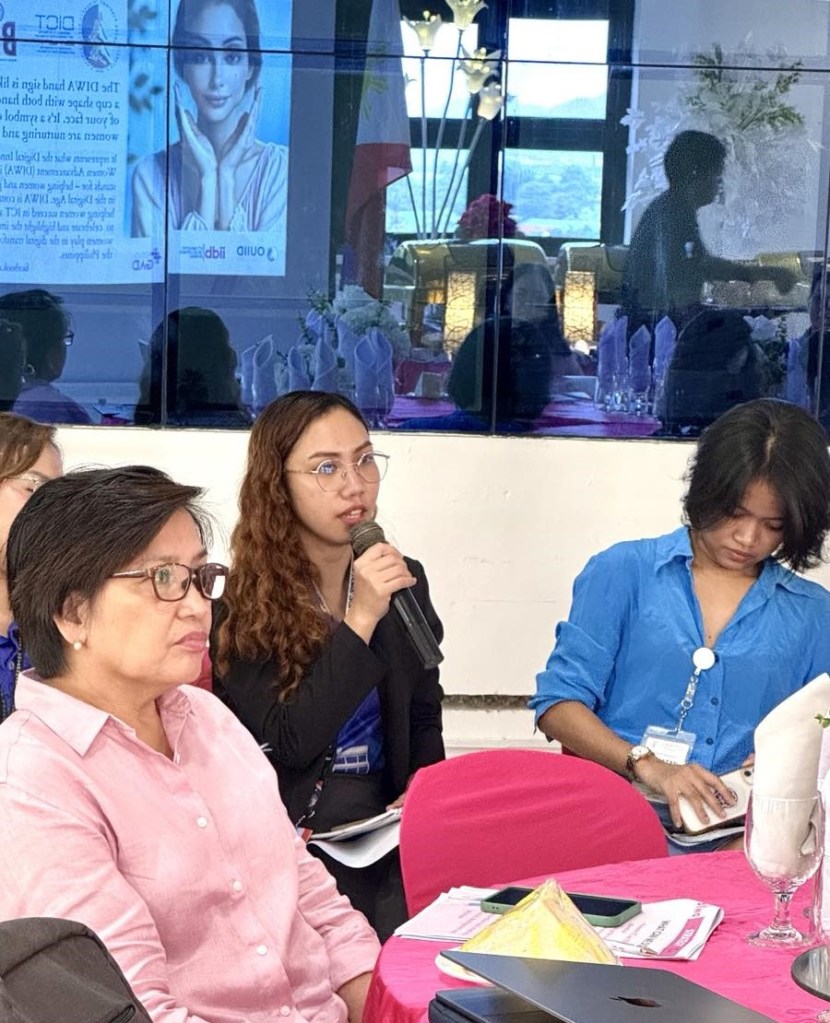
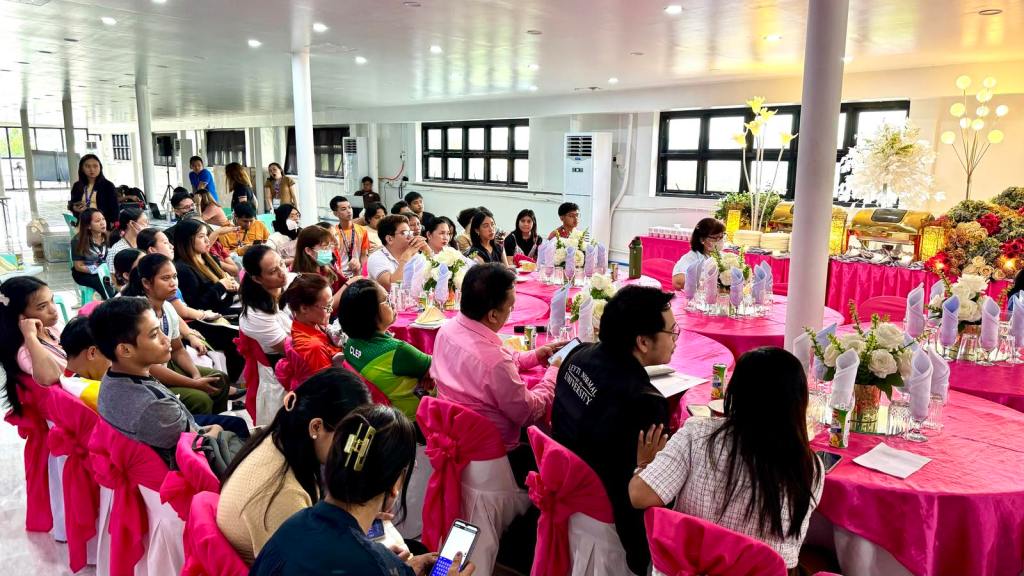
In a follow-up to RISE 8, DICT hosted the Digital Innovation for Women Advancement (DIWA) program, celebrating women’s achievements in ICT and encouraging more women to pursue careers in the sector. Held at the Tacloban City Hall’s BOSS Building, the event highlighted the inspiring journeys of women in the industry and reinforced DICT’s commitment to gender inclusivity in the digital space.












Article contributions from Edwin Allan Diaz and Photos from DICT Region 8 and Japhet Moraleja.


 Jocelle Batapa Sigue
Leave a comment