July 24, 2024, Cebu City, Philippines – The transformative journey and tireless dedication of local government units (LGUs) in the Philippines together with their stakeholders from the academe and business sector were spotlighted during the first Digital Cities Awards last July 24.
Showcasing their embrace of digital innovation, Undersecretary Jocelle Batapa- Sigue of the Department of Information and Communications Technology (DICT) gave a powerful testament to the collaborative efforts that have propelled cities outside of Metro Manila into digital powerhouses. Among the recognized digital cities were Antipolo City, Balanga City, Batangas City, City of San Fernando (La Union), General Santos City, Iligan City, Iriga City, Legazpi City, Puerto Princesa City, Roxas City, City of San Fernando (Pampanga), Tagbilaran City, Taytay (Rizal), Tuguegarao City, Zamboanga
City, Dagupan City, Cabanatuan City, Laoag City, and Malolos City.

In her keynote address during the ceremony held at Fili Hotel, Nustar Cebu City, Batapa-Sigue emphasized the goal of creating 2.5 million IT-BPM jobs by 2025, and underscored the significant strides these cities have made, driving the nation’s growth and establishing the Philippines as a global leader in the digital economy.
Organized by the ICT Industry Development Bureau of DICT, the Digital Cities Awards 2024 celebrated the outstanding achievements of cities that have successfully completed their local ICT roadmaps. This prestigious event, hosted by Haidee Enriquez, Board Director of the Contact Center Association of the Philippines (CCAP), honored the remarkable digital progress of these cities, highlighting their commitment to innovation, development, and transformation.

Batapa-Sigue began her speech by acknowledging the key players in the digital transformation journey. She commended the hard work of the men and women who have relentlessly pursued digital advancement in their respective cities. Her gratitude extended to industry partners like CCAP, Information Technology and Business Process Association of the Philippines (IBPAP) and various government bodies such as the DICT and its operating units, who have played a pivotal role in this ongoing initiative.
The Digital Cities 2025 Program goes beyond just the identification of these cities as location for ICT jobs, it also involved a rigorous serries of process leading to a roadmap development by the stakeholders themselves. It is a strategic framework designed to foster innovation and economic growth in the countryside. Launched as a 5-year program in collaboration with IBPAP and Leechiu Property Consultants, the program identified 31 key locations to focus on new developments. These cities underwent a series of process, including numerous workshops, strategic planning sessions, and engagements with investment promotion agencies and other agencies.
The Undersecretary took a moment to recognize the often-unseen efforts of LGUs, emphasizing that the award they received is not just a trophy but a recognition of years of dedication and hard work. “This is what a true award represents—the toil of labor to reach this stage,” she stated, reflecting on the 20-year journey that began with the National ICT Roadmap since 2004.
She stressed the importance of including LGUs in national government initiatives and providing them with the necessary resources and support. She highlighted the need for effective partnerships founded on mutual respect, where local innovations are recognized and supported. “We need inclusion in government initiatives where our efforts in developing ecosystems in our communities are given importance,” she declared.
The awards night, which was held as part of the Contact Islands event which brought together member and partners of CCAP, was seen as an opportunity to boost the visibility of digital cities and attract investments. Batapa-Sigue highlighted the importance of collaboration in building communities where technology and innovation thrive. “Through this initiative, we are not just building digital cities; we are building communities where every Filipino can dream and achieve,” she remarked.
She echoed industry’s call on the importance of driving innovation, building stakeholder ecosystems, and generating job opportunities in the countryside and underscored the need for a robust ICT infrastructure to propel the growth of the industry in the Philippines.
As she concluded her speech, Batapa-Sigue called on all stakeholders to continue supporting each other, collaborating, and maximizing the power of ICT. She emphasized the importance of ensuring that no one is left behind in the digital revolution. “Let us continue to support each other to ignite the magic within us all,” she urged.
The Undersecretary reaffirmed DICT’s commitment under the leadership of Secretary Ivan John Uy to fostering the ICT industry, particularly in the countryside, as a strong engine for inclusive growth. Her message was clear: the journey of digital transformation is ongoing, and with continued dedication and collaboration, the Philippines can achieve real progress and prosperity.
The Digital Cities Awards 2024 was both a celebration of achievements and a rallying call for a future where innovation and technology drive economic growth and improve the quality of life for all Filipinos especially in all regions of the country. As she noted, “For as long as you trust in the potential of every Filipino, the DICT will be there to support industry and countryside initiatives.”

The event commenced with a welcome message from Mr. Mickey Ocampo, President of CCAP, who set the stage for an evening dedicated to recognizing excellence in digital city initiatives.

IIDB Director Emmy Lou Delfin shared the journey of the Digital Cities Program. She highlighted the initiatives aimed at bringing digital jobs to cities outside Metro Manila, capacitating countryside talents, and promoting the startup ecosystem in the Philippines. She showcased the successful launch of the Digital Cities 2025, a flagship program of the DICT, which aims to make the Philippines a global hub for high-value IT-BPM services.
Of 31 locations, several locations successfully completed the Digital Cities 2025 program and the evening was spent in recognizing these digital cities with Undersecretary Batapa-Sigue, Director Delfin, and Jack Madrid, President IBPAP and Celeste Ilagan, IBPAP Head of Policy, presenting the awards to the cities that have demonstrated exemplary dedication and innovation in advancing technology.
The Digital Cities Awards 2024 recognized several cities for their exceptional progress in digital transformation. and have demonstrated a commitment to leveraging technology to drive economic growth and improve the quality of life for their residents.

Antipolo City: Known for its rich cultural heritage, Antipolo City is making significant strides in integrating technology with urban planning, enhancing public services, and promoting smart governance. Their roadmap focuses on digital infrastructure and citizen engagement, positioning the city as a leader in smart city initiatives.

Balanga City: With a strong emphasis on education and innovation, Balanga City has been a frontrunner in developing technology-driven solutions to improve the quality of life for its residents. Their roadmap includes initiatives for digital education, smart healthcare, and sustainable urban development.
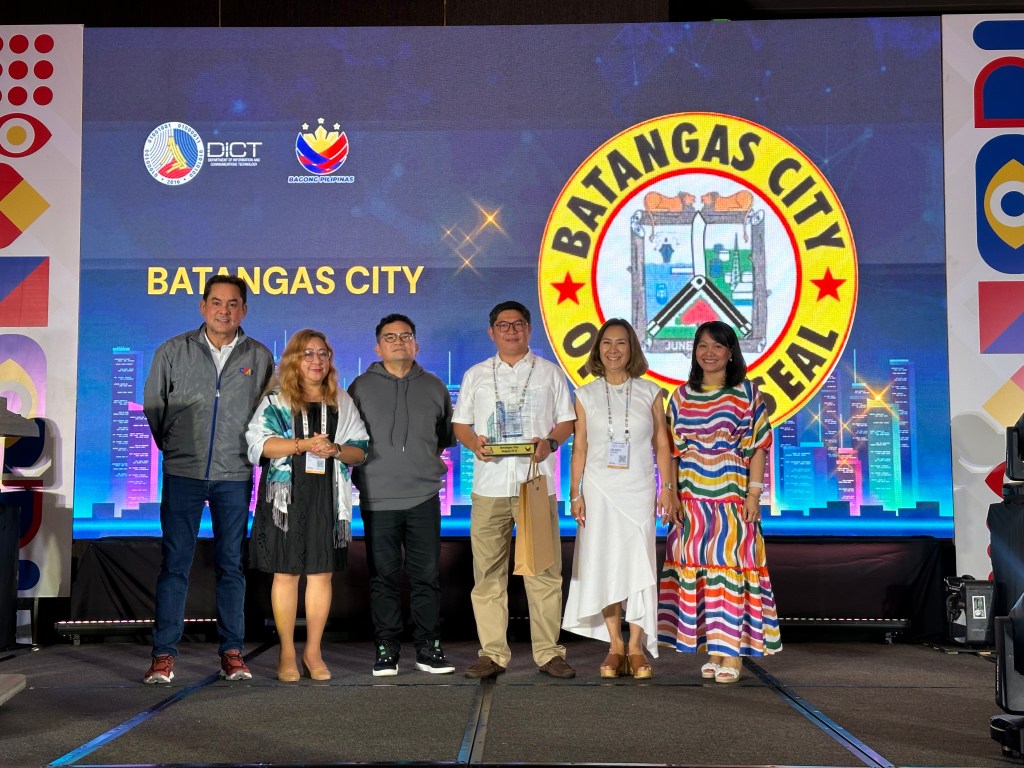
Batangas City: As an industrial powerhouse, Batangas City is using technology to boost economic growth and environmental sustainability. Their roadmap highlights key areas such as e-governance, digital tourism, and disaster resilience, ensuring a robust and future-ready urban environment.

City of San Fernando, La Union: Nestled along a breathtaking coastline, San Fernando is transforming into a vibrant digital city focused on tourism, trade, and investment. Their roadmap emphasizes connectivity, innovation hubs, and smart logistics to enhance competitiveness and economic diversity.

General Santos City: Known as the “Tuna Capital of the Philippines,” General Santos City is expanding its digital infrastructure to support agro-industrial growth and global trade. Their roadmap includes strategies for smart agriculture, e-commerce, and digital business solutions.

Iligan City: With a commitment to industrial excellence and innovation, Iligan City is implementing a roadmap that focuses on smart manufacturing, ICT education, and infrastructure development, driving economic revitalization and job creation.

Iriga City: This charming city is embracing digital transformation through initiatives aimed at improving education, healthcare, and governance. Iriga City’s roadmap underscores the importance of community engagement and sustainability in its development agenda.

Legazpi City: Positioned at the forefront of disaster risk management, Legazpi City is enhancing its resilience through digital solutions. Their roadmap prioritizes climate adaptation, smart transportation, and e-government services to safeguard its citizens and resources.

Puerto Princesa City: As the eco-tourism capital, Puerto Princesa City is integrating technology with conservation efforts to promote sustainable tourism. Their roadmap highlights initiatives in smart tourism, waste management, and digital marketing to enhance global competitiveness.

Roxas City: Known for its rich seafood industry, Roxas City is focusing on digital transformation to strengthen its economic base. Their roadmap includes projects in smart fisheries, ICT infrastructure, and digital entrepreneurship.
City of San Fernando, Pampanga: As a major commercial hub in Central Luzon, San Fernando City is driving digital innovation to boost business and improve public services. Their roadmap emphasizes e-governance, business continuity, and urban mobility solutions.

Tagbilaran City: Embracing its role as a gateway to the Visayas, Tagbilaran City is enhancing its digital landscape to attract investments and promote tourism. Their roadmap covers smart connectivity, cultural preservation, and digital literacy programs.

Taytay City: Taytay is leveraging its strategic location to become a digital hub for commerce and creativity. Their roadmap focuses on digital entrepreneurship, tech-driven education, and community empowerment initiatives.
Tuguegarao City: As a regional center of learning and agriculture, Tuguegarao City is advancing its digital agenda to enhance agricultural productivity and educational opportunities. Their roadmap includes initiatives in smart farming, ICT education, and sustainable development.
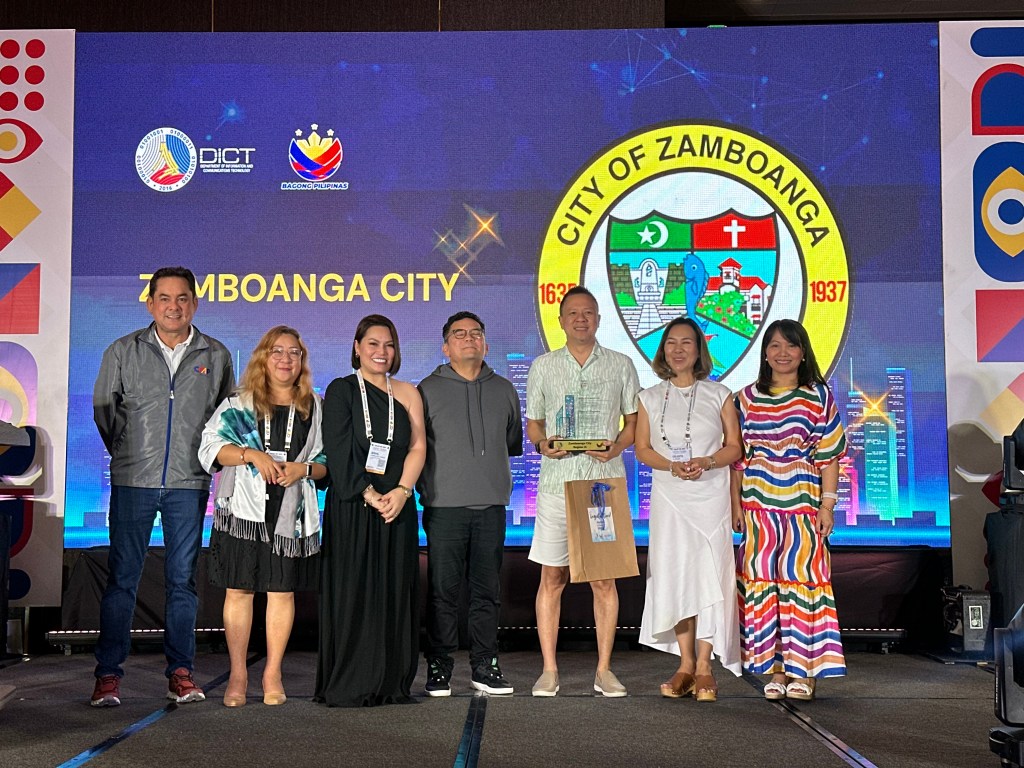
Zamboanga City: As a bustling gateway to Western Mindanao, Zamboanga City is spearheading digital transformation to drive economic growth and improve public safety. Their roadmap highlights initiatives in smart policing, digital governance, and sustainable urban development, with a focus on inclusivity and resilience.
Leaders from the recognized cities shared their experiences and visions. Notable speeches were delivered by Mayor Wilfredo Rex Oliva of Iriga City, and Mayor Frederick Siao of Iligan City, who emphasized the importance of digital innovation and transformation in their respective cities.


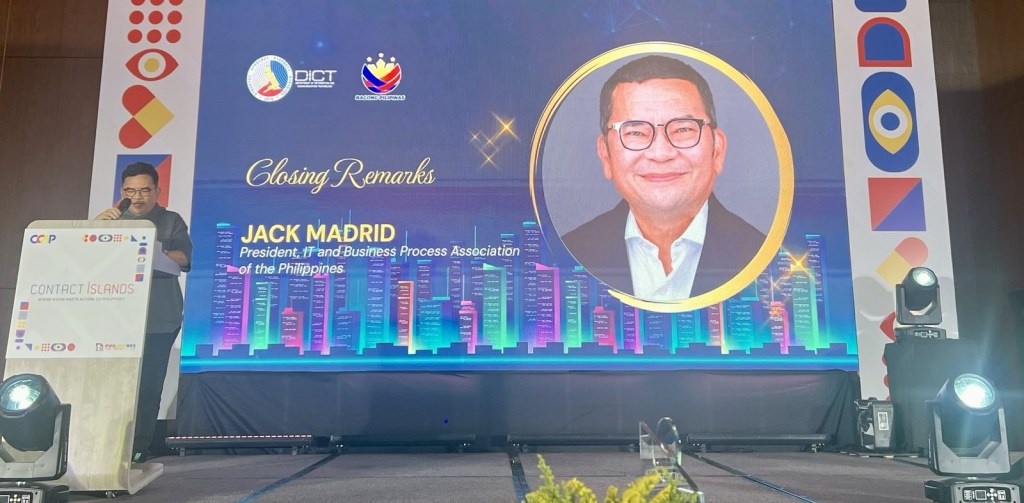
IBPAP President Madrid concluded the event with a message of continued commitment to ensuring the Philippines remains competitive in the IT-BPM sector. He lauded the efforts of the recognized cities and encouraged ongoing collaboration and innovation.
The evening wrapped up with networking activities, providing an opportunity for attendees to connect, share insights, and explore potential collaborations. The atmosphere was filled with optimism and a shared vision for a digitally advanced future for the Philippines.
The Digital Cities Awards 2024 not only celebrated the achievements of these pioneering cities but also set a benchmark for other cities aspiring to leverage technology for growth and development. As the night ended, it was clear that the future of the Philippines’ digital landscape is bright, driven by the innovative and dedicated efforts of its digital cities.
DICT also recognized Centers of Excellence or cities that have established themselves as leaders in the IT-BPM industry, through significant infrastructure development, talent availability, and a conducive business environment. The COEs include Metro Manila, Cebu, Metro Clark, Bacolod, Davao and Iloilo as established prime locations for IT-BPM operations in the Philippines.
In addition to the 31 Digital Cities of the Philippines, other notable locations that can cater to the growing demand of the IT-BPM industry include the six (6) Centers of Excellence: Metro Manila, Metro Cebu, Metro Clark, Bacolod City, Davao City, and Iloilo City, as well as seven (7) Next Wave Cities:
Baguio City, Cagayan de Oro City, Dasmariñas City, Dumaguete City, Lipa City, Naga City, and Sta. Rosa City.
This year, DICT has further expanded the program to include other high-potential locations, collectively known as the Philippine Digital Ecosystems.


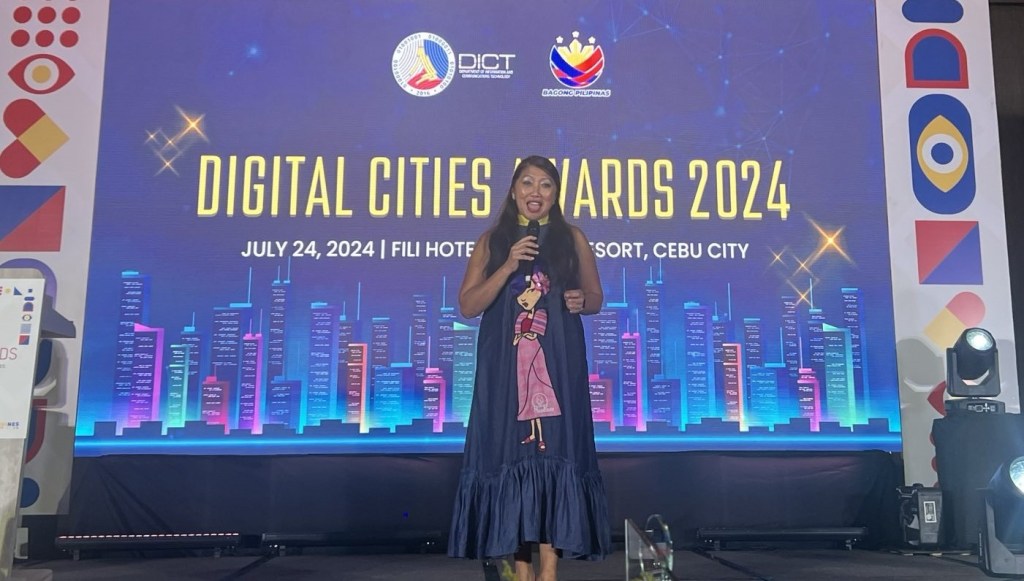



 Jocelle Batapa Sigue
Leave a comment