
The Philippines, represented by Department of Information and Communications Technology (DICT) Undersecretary Jocelle Batapa-Sigue, made a notable contribution at the 2024 ITU Council Session. As the Philippine ITU councilor, Batapa-Sigue delivered key interventions, highlighting the Philippines’ dedication to advancing global digital cooperation and development. Her statements emphasized the importance of digital inclusion, youth participation, gender equality, environmental sustainability, and the ethical use of emerging technologies.
Digital Connectivity and Inclusion
Undersecretary Batapa-Sigue praised the ITU’s significant strides in narrowing the global digital divide, particularly through the Partner2Connect initiative. She acknowledged the initiative’s success in mobilizing billions of dollars in pledges, reflecting a global commitment to enhancing digital connectivity. Batapa-Sigue emphasized the critical need for universal connectivity and the development of sustainable digital infrastructure. She highlighted the importance of prioritizing underserved and remote areas, ensuring that these regions are not left behind in the digital revolution. By focusing on these areas, the Philippines seeks to guarantee that everyone has access to the benefits of digital technologies, promoting equitable growth and development.

Gender Equality and Youth Empowerment
The Philippines commended ITU’s initiatives aimed at closing the gender digital divide and promoting youth involvement in digital development. Undersecretary Batapa-Sigue highlighted the success of the Girls in ICT Day global celebration hosted in the Philippines. This event allowed the country to gather more than 100 women ICT professionals who engaged both personally and virtually with over 5,000 Filipino girls from across all regions. The celebration was a significant step toward inspiring and empowering young girls to pursue careers in ICT.
In her intervention, Batapa-Sigue underscored the importance of gender equality in driving innovation and economic growth. She praised ITU’s efforts to create opportunities for women and girls in the digital sector and called for continued focus on initiatives that support gender inclusivity.
Batapa-Sigue commended ITU’s efforts in advancing gender equality in ICT. She shared the success of the Digital Innovation for Women Advancement (DIWA) program, promoting equal access to digital skills and spotlighting outstanding women in ICT.
Additionally, Batapa-Sigue emphasized the role of youth programs such as Generation Connect Philippines. This initiative amplifies the voices of young people in the digital landscape, ensuring they are heard and involved in shaping digital policies and programs. She noted the success of these youth engagement efforts, which have provided platforms for Filipino youth to contribute to discussions on digital development, both locally and globally.
Undersecretary Batapa-Sigue’s statements reflected the Philippines’ strong support for ITU’s gender equality and youth empowerment initiatives, highlighting the country’s commitment to fostering a more inclusive and equitable digital future.
The Undersecretary supported ITU’s youth initiatives, emphasizing the need for concrete programs to skill, upskill, and reskill the global workforce. She highlighted the importance of addressing labor-industry mismatches, especially with emerging technologies, to empower the youth.
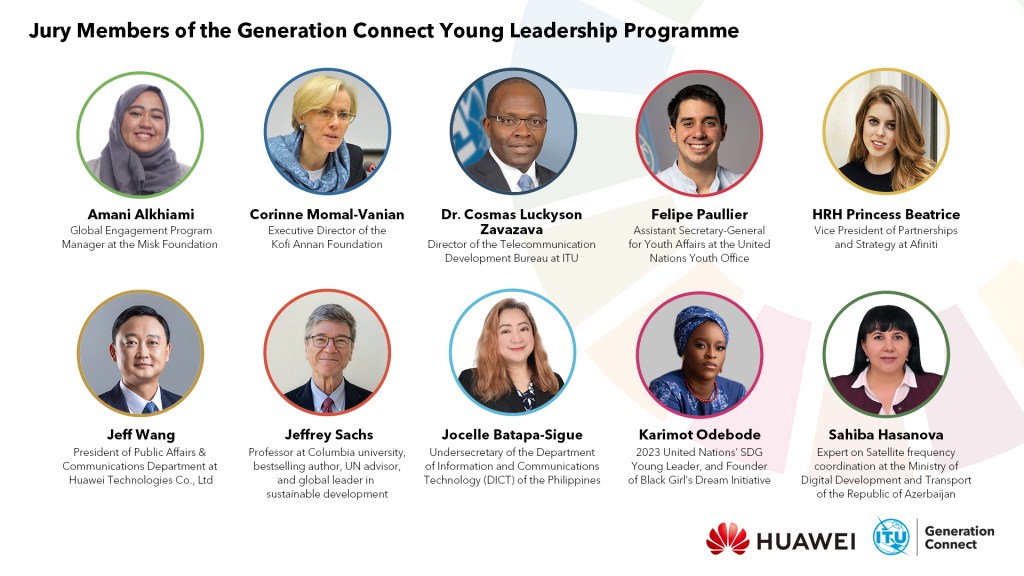
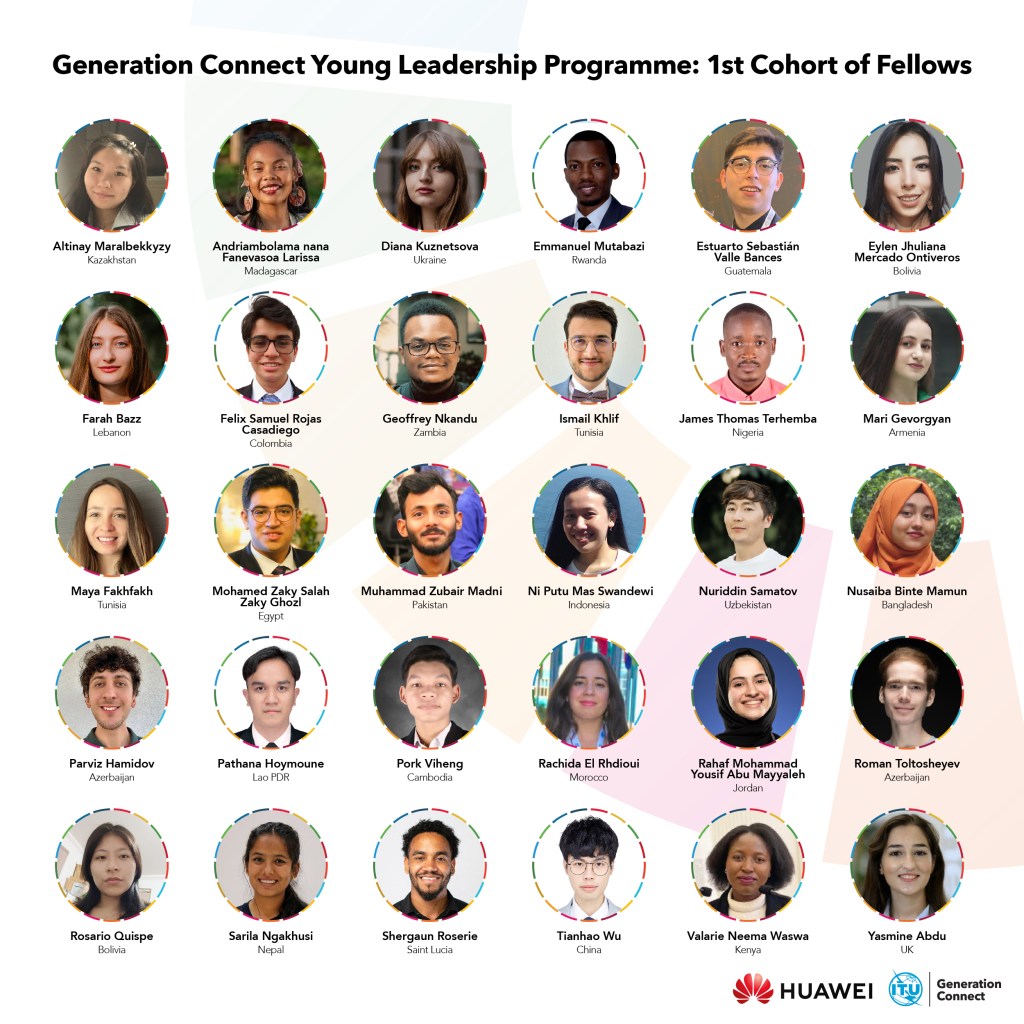
As jury for the Generation Connect Youth Leadership Program, she was invited to share her leadership journey with the fellows on the sidelines of the ITU Council.


Environmental Sustainability
Undersecretary Jocelle Batapa-Sigue supported the ITU’s initiatives on environmental sustainability, emphasizing the importance of addressing e-waste and greenhouse gas emissions. She advocated for promoting a circular economy and the adoption of standards to enhance energy efficiency and sustainable practices within the ICT sector. Batapa-Sigue highlighted the Philippines’ efforts in recycling electronic waste and called for international collaboration to develop and share sustainable technologies. Her intervention underscored the Philippines’ commitment to an ICT ecosystem that drives innovation while protecting the environment.

AI and Emerging Technologies
Emphasizing the importance of inclusive and ethical frameworks for artificial intelligence (AI) and quantum information technology, Undersecretary Jocelle Batapa-Sigue highlighted the critical need for these technologies to benefit all of humanity while mitigating associated risks. In her intervention, Batapa-Sigue called for the establishment of robust policies and guidelines to govern the development and deployment of AI, ensuring that advancements are made responsibly and equitably. She stressed the significance of creating a balanced approach that harnesses the potential of AI to drive innovation and economic growth while safeguarding against its potential adverse impacts.
Batapa-Sigue supported the approval of the Secretary-General’s report, which detailed the current progress and future plans for AI and quantum information technology within the ITU framework. She also endorsed the proposed strategic plan for 2024-2027, which includes comprehensive measures to promote ethical AI development and deployment. This plan outlines strategies for international collaboration, the establishment of standards, and the promotion of best practices in AI governance. Batapa-Sigue’s intervention underscored the Philippines’ commitment to being at the forefront of ethical AI advancement, advocating for policies that ensure these emerging technologies contribute positively to global society.
Transformation Roadmap
DICT Undersecretary Jocelle Batapa-Sigue commended the ITU for incorporating dashboards, data visualizations, and metrics into its transformation roadmap, which were suggestions made by the Philippines in previous sessions. She noted that these tools are crucial for ensuring agile change mechanisms and fostering innovation and adaptability within the ITU. Batapa-Sigue particularly emphasized the importance of transforming the ITU website into an interactive and engaging virtual portal. She stressed that the website should appeal to younger audiences, specifically those under 30 or 35 years old, to attract their participation in ITU’s initiatives. Batapa-Sigue highlighted that the goal is to retool the ITU’s virtual presence to be appealing even to 16-year-olds, ensuring that the organization remains relevant and engaging to the next generation of digital innovators and leaders. The Philippines fully supports the roadmap, which is designed to be a living document, continuously improved and adapted to meet the evolving needs of the global digital landscape.

Strengthening ITU’s Regional Presence
The Undersecretary praised the Asia Pacific Regional Office for its guidance in digital inclusion efforts. Strengthening ITU’s Regional Presence
Undersecretary Jocelle Batapa-Sigue lauded the ITU’s Asia Pacific Regional Office for its significant role in guiding digital inclusion efforts in the region. She emphasized the success of the Digital Transformation Centers and Smart Villages initiatives in the Philippines, which have been instrumental in promoting digital literacy and access to technology in underserved areas. The Digital Transformation Centers, supported by the ITU’s regional office, have become hubs for digital skills training and development, empowering communities with essential digital tools and knowledge.
Batapa-Sigue also highlighted the Smart Villages project, which began with a pilot initiative and has now expanded to cover 15 islands. This project focuses on bringing digital connectivity and services to remote and isolated communities, ensuring that even the most geographically challenged areas are not left behind in the digital revolution.
Furthermore, she called for an enhanced regional presence of the ITU, stressing the need for increased resources and platforms to support the specific needs of different regions and member states. Batapa-Sigue suggested more sub-regional collaborations, such as within ASEAN, to address unique challenges and leverage local strengths effectively. By strengthening the ITU’s regional offices, she believes that the Union can exponentially increase its impact and support the development goals of all member states, fostering a more inclusive and connected global digital community.

Human Resources Strategic Plan
Batapa-Sigue endorsed the ITU’s emphasis on fostering a people-centric culture, developing an agile workforce, and streamlining HR services. She praised efforts to create an inclusive and supportive work environment that aligns with ITU’s strategic priorities. She proposed key recommendations to enhance the Human Resources Strategic Plan, including implementing robust monitoring and evaluation mechanisms to ensure HR policies align with ITU’s mission and goals, increasing investment in training and development focusing on emerging technologies and digital skills, and maintaining open communication channels to build trust and engagement across the organization.
In conclusion, Batapa-Sigue affirmed the Philippines’ commitment to supporting ITU’s strategic goals through effective human resource management. She expressed confidence in the organization’s ability to set a global benchmark in people management and organizational excellence, highlighting the importance of continuous improvement and collaborative efforts to achieve these objectives.
Enhancing ITU Website
Undersecretary Batapa-Sigue emphasized the critical need for multilingual accessibility on the ITU website. She highlighted the importance of supporting Resolution 154, which underscores the necessity of providing robust multilingual support across the ITU’s six official languages. This move, she argued, would ensure that information is accessible to a global audience, promoting inclusivity and engagement from all member states.
Batapa-Sigue also stressed the significance of financial commitment to the improvement project, advocating for the efficient use of the allocated CHF 600,000 as part of the Transformation Roadmap. She endorsed a structured, phased implementation approach to ensure the project is delivered on time by Plenipotentiary 2026.
In her intervention, Batapa-Sigue called for a thorough enhancement of user experience and accessibility. She recommended incorporating extensive user testing and feedback to refine website navigation, making it more intuitive and user-friendly. Additionally, she emphasized the necessity of strengthening security and compliance measures to maintain trust and reliability in the ITU’s digital platform.
Furthermore, Batapa-Sigue supported the adoption of advanced SEO and site management strategies. These enhancements, she noted, are essential for improving the website’s visibility and effectiveness, ensuring that users can easily find the information they need. By advocating for these comprehensive improvements, Batapa-Sigue underscored the Philippines’ commitment to contributing to the operational excellence of the ITU.
Child Online Protection
Undersecretary Batapa-Sigue expressed strong support for the draft resolution on Child Online Protection at the ITU Council Session, emphasizing the necessity of international cooperation to create a safe digital environment for children. She highlighted the critical importance of ensuring that the online space is secure for young users, advocating for comprehensive measures to protect them from digital threats.
Batapa-Sigue, as vice chair for Child Online Protection Working Group of ITU, proposed last year several key enhancements to the COP ITU framework which was eventually approved by the group ad proposed as a resolution to the council during the session.
She advocated for states to utilize the annual Girls in ICT (GICT) day celebration as an opportunity to highlight COP strategies. Additionally, she stressed the importance of implementing robust frameworks for continuous monitoring and evaluation to ensure the effectiveness of child online protection initiatives.
In her interventions in the working group sessions early this year, Batapa-Sigue joined other member states in the call for stronger and more creative COP strategies and also highlighted the Philippines’ commitment to child online protection through legislative frameworks and digital literacy programs. She cited efforts to promote digital literacy among children, parents, and educators to empower safe internet usage and strengthen cybersecurity measures to protect children online. This comprehensive approach underscores the Philippines’ dedication to creating a safer digital environment for the younger population.
Global Digital Compact
Undersecretary Batapa-Sigue reaffirmed the Philippines’ strong support for the Global Digital Compact and the Summit of the Future, initiatives which are crucial for forging a global consensus on multilateral solutions for digital challenges. She emphasized key principles that should underpin these initiatives, including the promotion of human rights, ensuring gender equality, enhancing digital accessibility, and fostering development.
Batapa-Sigue called for increased support for digital inclusion, stressing the need to bridge the digital divide by providing universal access to digital technologies and the internet, particularly in underserved and remote areas. She highlighted the importance of capacity-building initiatives, urging member states to invest in programs that equip individuals with the necessary digital skills to participate effectively in the digital economy. This, she argued, is essential for fostering inclusive and sustainable development, and ensuring that no one is left behind in the digital age.
By advocating for these principles, Batapa-Sigue underscored the Philippines’ commitment to creating an equitable digital future, where all individuals, regardless of their gender, geographical location, or socio-economic status, have the opportunity to benefit from the advancements in digital technology.
During her remarks on the closing day, Undersecretary Batapa-Sigue expressed her admiration for the youth participating in digital solution projects. She emphasized that the ITU is not just a technical body but a catalyst of hope for the young generation, bridging nations towards a resilient, sustainable, and innovative future.
The Philippines’ participation in the 2024 ITU Council Session through DICT Undersecretary Jocelle Batapa-Sigue exemplifies the country’s commitment to global digital development, inclusivity, and sustainability. Her interventions have set a precedent for future collaborations and initiatives within the ITU framework.


Part of the 2-week ITU council was the opportunity to listen to United National Secretary General António Guterres. In his address to the ITU, he emphasized the importance of digital inclusion and the role of the ITU in leading digital transformation.


UN Secretary-General António Guterres Emphasizes Bridging Digital Divides at ITU Council 2024
Geneva, Switzerland – June 12, 2024
In a historic address to the International Telecommunication Union (ITU) Council, UN Secretary-General António Guterres underscored the critical need to bridge global digital divides. This marked the first address by a UN Secretary-General to the ITU Council in over seven decades.
Guterres, introduced by ITU Secretary-General Doreen Bogdan-Martin, highlighted the transformative power of digital technologies while acknowledging the persistent inequalities they expose. With one-third of the global population still unconnected, he emphasized that bridging the digital divide is essential for economic development, moral responsibility, and achieving the Sustainable Development Goals (SDGs).
Commending ITU’s initiatives like the Partner2Connect coalition and the Giga project with UNICEF, Guterres called for intensified efforts to provide universal, safe, and affordable internet access. He lauded ITU’s AI for Good platform for promoting AI’s potential to drive sustainable development, while also warning of AI’s risks, including biases and threats to privacy and security. Guterres stressed the need for robust AI governance and proposed the creation of an International Scientific Panel on AI, supported by ITU, to provide independent scientific advice.
He concluded by advocating for a Global Digital Compact at the upcoming Summit of the Future, aimed at connecting the unconnected, ensuring inclusive AI, and leveraging innovation to advance the SDGs. Guterres called on ITU to continue leading efforts in building an open, safe, and sustainable digital future for all.



 Jocelle Batapa Sigue
Leave a comment