
The Internet of Things (IOT) will play a critical role IoT will play in driving the nation’s digital transformation and enhancing economic competitiveness. In her keynote address at the 3rd Regional Leg of the IoT Conference (IoTCON) Philippines organized by Packetworx in Manila on June 25, 2024, Department of Information and Communications Technology (DICT) Undersecretary Jocelle Batapa-Sigue detailed the transformative potential of the Internet of Things (IoT) for the Philippines.

“Beyond just a technological advancement, I believe IoT is a revolutionary force that holds the promise of significantly enhancing our quality of life and driving our economic competitiveness to new heights,” Undersecretary Batapa-Sigue declared. She painted a vivid picture of a future where IoT bridges gaps, streamlines services, and creates smarter, more connected communities across the Philippines.
From urban centers to remote provinces, IoT can revolutionize various sectors. In agriculture, sensors can monitor soil moisture and detect pest infestations, leading to higher yields and sustainable farming practices. In healthcare, remote patient monitoring can ensure timely medical interventions, even in the most isolated areas. In urban environments, IoT can optimize traffic management, monitor air quality, and enhance energy efficiency, significantly improving the quality of life.
INSPIRED: The IoT National Strategy
To turn this vision into reality, Batapa-Sigue introduced the IoT National Strategy for Policy and Industry Roadmap and Ecosystem Development (INSPIRED) Program. This program will be the cornerstone of efforts to implement a national IoT strategy and industry roadmap.
“We will develop a cohesive strategy that aligns with our national goals, ensuring that IoT technologies are integrated into our development plans,” she said. The strategy encompasses three main pillars:
Developing a Cohesive Strategy: Aligning IoT technologies with national development plans. Developing a cohesive strategy involves aligning IoT technologies with national development plans by establishing clear objectives, integrating with national policies, and ensuring strategic alignment across sectors. This requires a policy framework that outlines the vision and goals for IoT deployment, promoting cross-sector collaboration, and setting performance metrics for continuous improvement. The strategy aims to enhance public services, infrastructure, and economic growth by embedding IoT initiatives within broader national agendas.
Creating an Industry Roadmap: Guiding the development and deployment of IoT technologies. Creating an industry roadmap guides the development and deployment of IoT technologies through stakeholder engagement, phased implementation plans, and establishing infrastructure and standards. Engaging industry experts, fostering public-private partnerships, and defining short-term, mid-term, and long-term goals are crucial steps. Prioritizing key sectors and investing in necessary infrastructure, such as high-speed internet and data centers, ensures the scalability and interoperability of IoT solutions, facilitating widespread adoption.
Fostering an Ecosystem of Innovation: Cultivating an environment that encourages innovation, attracts investment, and promotes collaboration among IoT stakeholders. Fostering an ecosystem of innovation involves creating an environment that encourages innovation, attracts investment, and promotes collaboration among IoT stakeholders. This includes establishing innovation hubs and regulatory sandboxes, providing government grants and incentives, and attracting venture capital. Building industry networks, forming academic and research partnerships, and implementing skill development programs are essential to cultivate a skilled workforce and drive collaborative innovation. By focusing on these pillars, countries can effectively harness IoT technologies to drive development, innovation, and a thriving digital economy.
The success of IoT initiatives hinges on the active participation of various stakeholders. The DICT will play a pivotal role by formulating policies, developing an industry roadmap, and fostering public-private collaborations. Security and interoperability will be paramount to ensure that IoT systems are robust, secure, and capable of working together seamlessly.
Batapa-Sigue shared a significant milestone: “At the last Lora Live Global Conference in Munich last week, we successfully attracted several companies from different parts of the world to explore collaborations and bring the benefits of LoRAWAN to the Philippines.”

Packetworx CEO Arnold Bagabaldo echoed these sentiments, emphasizing the value of data collected by IoT devices. “If you can’t measure it, you can’t improve it,” he said, highlighting the essential role of data in driving change and innovation.
Bagabaldo outlined the enablers of digital transformation—IoT, Big Data, Cloud Computing, and AI—stressing that these technologies are interlinked and pivotal for driving operational improvements, fostering sustainable growth, and enabling effective change.
He emphasized the critical role of the Internet of Things (IoT) in digital transformation. He highlighted that the data collected by IoT devices is fundamental to driving innovation, improving operational efficiency, and fostering sustainable growth. Accurate data measurement is crucial for identifying inefficiencies, monitoring progress, and making informed decisions.
IoT connects devices to generate real-time data, Big Data analyzes this data to uncover patterns for decision-making, Cloud Computing provides accessible data storage and processing, and AI automates processes and enhances decision-making. He stressed that the true value of IoT lies in its data, which is essential for Big Data Analytics, AI, and overall digital transformation. Businesses must embrace IoT and its data to innovate continuously and adapt to the accelerating pace of technological development, ensuring long-term competitiveness.

Highlighting Achievements: packetHACKS 2024
The narrative of IoT’s potential was further enriched by the achievements of young innovators. At the packetHACKS 2024, students from the Technological University of the Philippines (TUP) won the grand prize for their project ‘LIKAS,’ a machine learning-based weather, flood monitoring, and early warning system integrated at the barangay level in Bacoor City. This project showcased the innovative spirit and practical applications of IoT technologies in addressing real-world challenges.

DICT Undersecretary Batapa-Sigue also presented officially its Data for Development (D4D) policy initiative. This strategic program is designed to leverage data to foster smarter cities and promote sustainable development at the local government level, marking a significant advancement in the Philippines’ digital transformation efforts.
She outlined the vision and strategic objectives of the D4D initiative. She highlighted the importance of public-private collaboration, data security, and responsible data usage. The D4D initiative aims to develop a comprehensive data analytics and visualization portal to support both national and local development efforts, ultimately enhancing the quality of life for all citizens.

Kris Libunao, Executive Director and Chief Sustainability Officer of SmartCT, as lead discussant, emphasized the crucial role of data in driving digital transformation and highlighted IoT’s potential to enhance the efficiency and responsiveness of local governments.
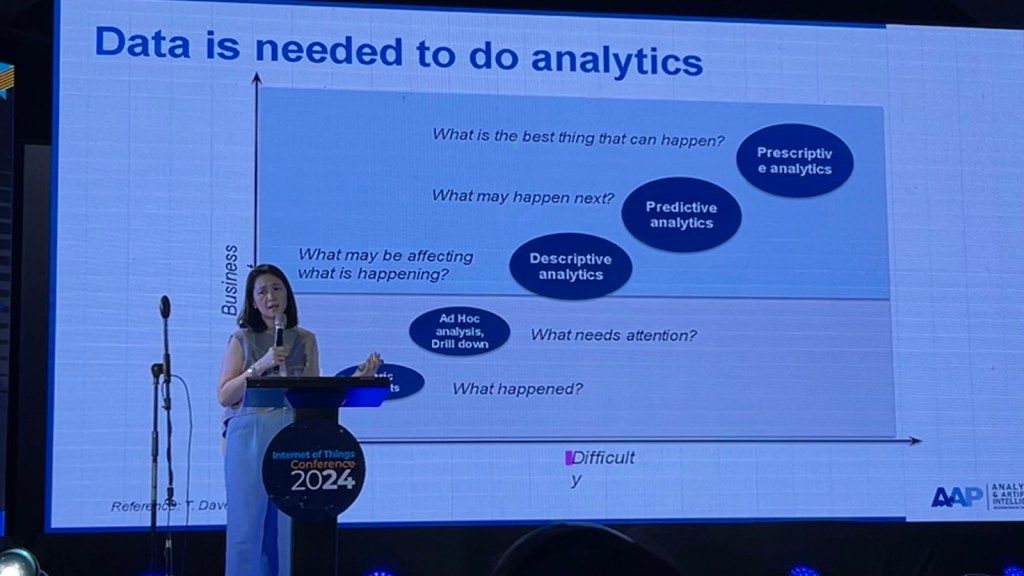
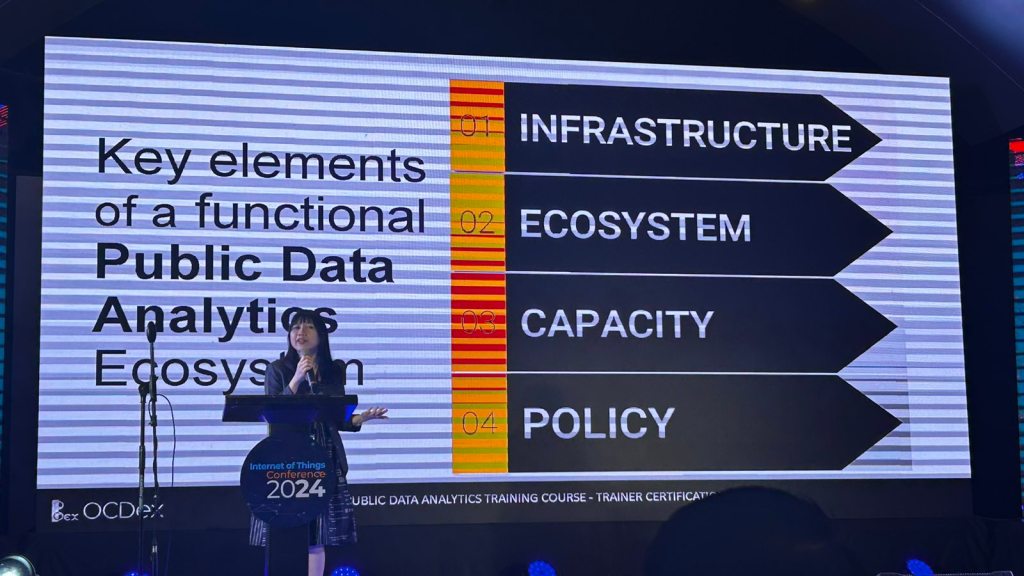
Key presentations from Michelle Alarcon, President of the Analytics and AI Association of the Philippines, and Frei Sangil, CEO of Layertech Software Labs Inc., discussed the importance of leveraging public data for effective governance. They underscored how data-driven decision-making can lead to more efficient public services and improved urban management.
The event concluded with a panel discussion, where industry experts addressed the challenges and opportunities associated with the D4D initiative. They reinforced the need for a collective effort to fully harness the potential of IoT and data for development, ensuring the program’s success and sustainability.
In closing, Undersecretary Batapa-Sigue called for collective efforts to build a connected ecosystem that leverages IoT to drive innovation, enhance economic competitiveness, and improve the quality of life for all Filipinos. “Let us embrace this opportunity and work towards a brighter, more connected future,” she urged, marking a visionary step towards an IoT-ready Philippines.
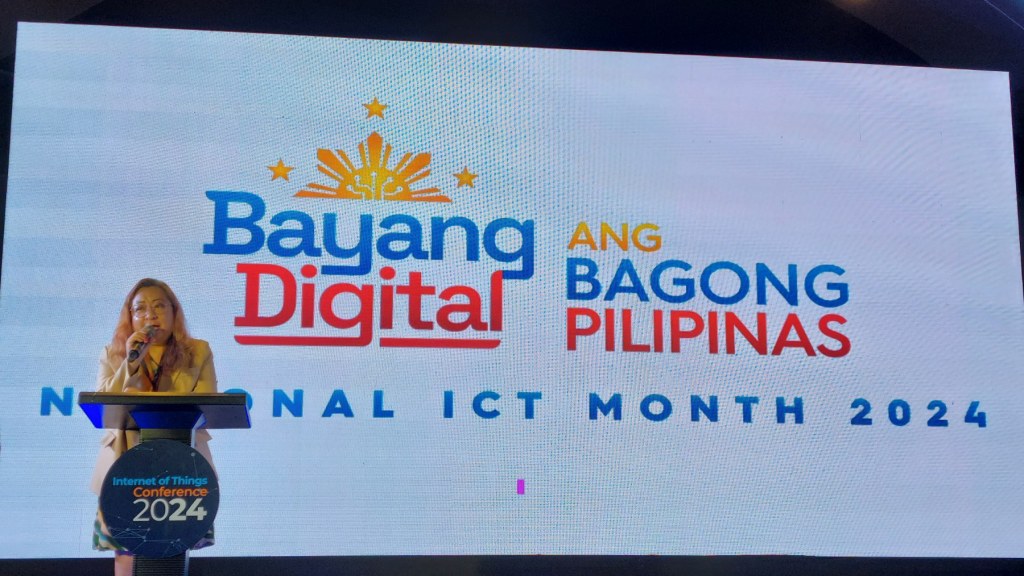
The IoT Conference featured a distinguished lineup of speakers who highlighted the transformative potential of IoT in various sectors. . Yondu presented on remote work tools and automation, while PLDT addressed data security in IoT. The conference also included panel discussions featuring LGUs and industry experts on community engagement and IoT’s role in urban planning.
The event concluded with a showcase of innovative projects from 14 teams at the packetHACKS final demo and pitching session. The closing remarks invited participants to the October 2024 Grand IoT Conference. Other notable presentations included Ticketmelon’s insights on digitizing events and Murata’s session on products and services.
The IoT Conference 2024, organized by Packetworx and Redwizard Events Technology in partnership with DICT, served as a powerful platform to discuss, share, and explore the transformative potential of IoT. It culminated with a two-day international conference at the SMX Convention Center Manila, bringing together stakeholders from various industries to chart the course towards a digitally empowered nation.
As the Philippines embarks on this exciting journey, the collective efforts of government agencies, private sector partners, and the broader community will be crucial in realizing the vision of a connected, innovative, and IoT-ready future.
With contributions from Edwin Diaz and Packetworx Team.
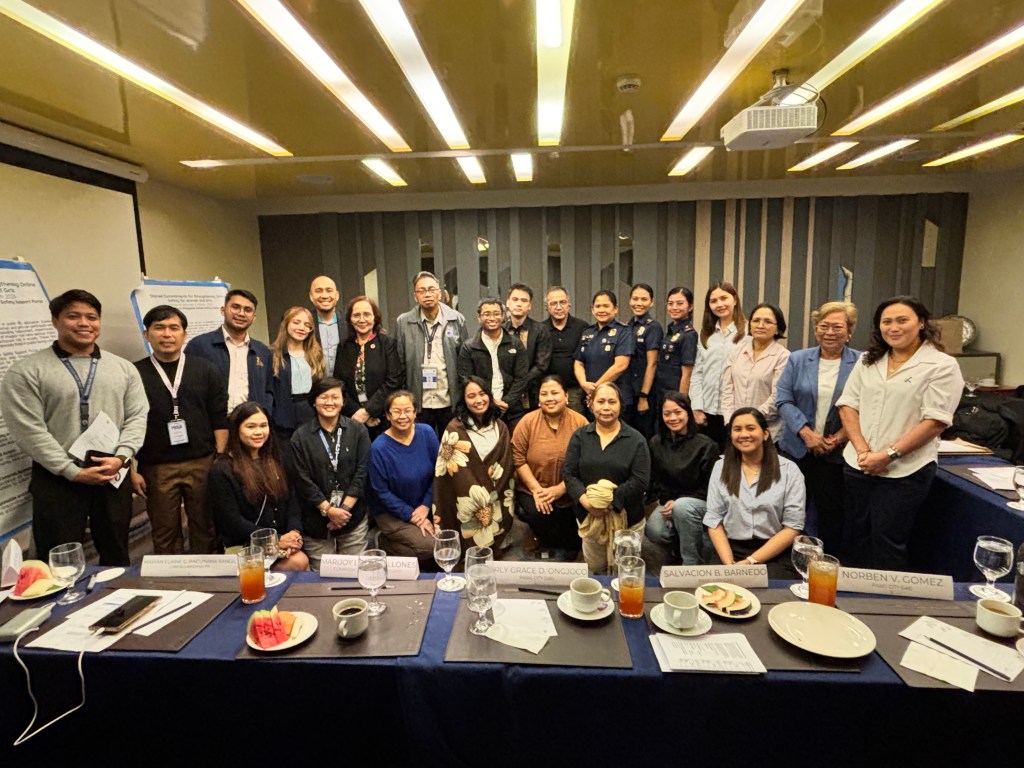

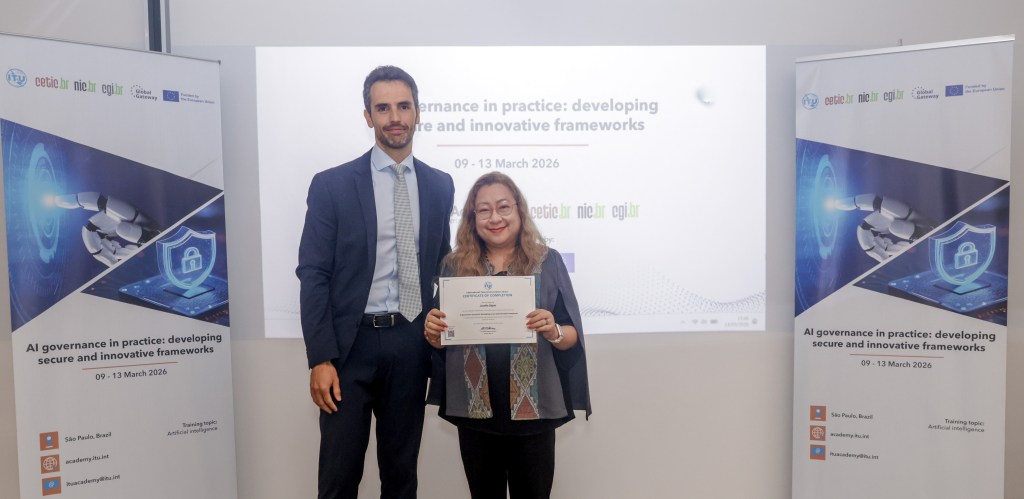

 Jocelle Batapa Sigue
Leave a comment