
Geneva, Switzerland – 28 February 2024 – In a significant acknowledgment of her extensive contributions to the field of information and communications technology (ICT), lawyer Jocelle Batapa-Sigue, the currently Undersecretary for ICT Industry Development at the Department of Information and Communications Technology (DICT) in the Philippines, has been officially nominated as a member of the Digital Innovation Board overseeing the Innovation and Entrepreneurship Alliance for Digital Development under the International Telecommunications Union (ITU) – Bureau for Digital Transformation (BDT).
This significant development underscores the Philippines’ growing influence in the global digital arena. This global position places Batapa-Sigue among the ranks of twenty-three distinguished members from around the world, tasked with spearheading innovation within the framework of the Kigali Action Plan under the ITU Telecommunication Development Sector (ITU-D).

Tasked with providing strategic guidance, expertise, and advocacy, the board’s inception underscores the Alliance’s dedication to constructing vital local enablers and propelling digital development forward. This initiative is part of a broader effort to cultivate a more inclusive and equitable digital future for communities worldwide.
The board is set to elevate the Alliance’s initiatives on the global platform, spearheading discussions on innovation and entrepreneurship in the digital realm. Engaging with an array of key stakeholders, including UN agencies, governmental bodies, and the private sector, the board aims to forge collaborative partnerships that align with the Alliance’s vision of a progressive digital world.
The newly formed Digital Innovation Board is set to provide strategic guidance, expertise, and advocacy in enhancing innovation and entrepreneurship within the digital domain. By creating critical local enablers and fostering a collaborative environment, the Board aspires to contribute significantly to achieving a digitally inclusive society.
Comprising an executive multi-stakeholder assembly, the Board will elevate the visibility of the Alliance’s work, facilitate high-level coordination, and engage in global advocacy. This initiative is part of a broader framework that also includes the establishment of a Network of Acceleration Centers and a Digital Transformation Lab. These entities will collectively work towards enhancing global, regional, and national innovation capabilities for technology policy and flagship initiative development.
The Board’s primary focus will be on accelerating the achievement of the Alliance’s five strategic objectives, which include trends research readiness, open technology innovation, entrepreneurship and SMEs growth, policy experimentation, and ecosystem initiatives acceleration. These objectives are designed to enable Alliance members to stay ahead of technological evolutions, harness technological know-how into global goods, and promote digital innovation-driven entrepreneurship for socio-economic inclusion.
Operating under the mandate of the ITU Telecommunication Development Sector (ITU-D) led by Director Cosmas Luckyson Zavazava, the Board aligns with key international resolutions and plans, including the UN Secretary-General’s Roadmap for Digital Cooperation, the Global Digital Compact, and the 2030 Agenda for Sustainable Development. This alignment ensures that the Board’s activities contribute to a broader global agenda for sustainable and inclusive digital development.
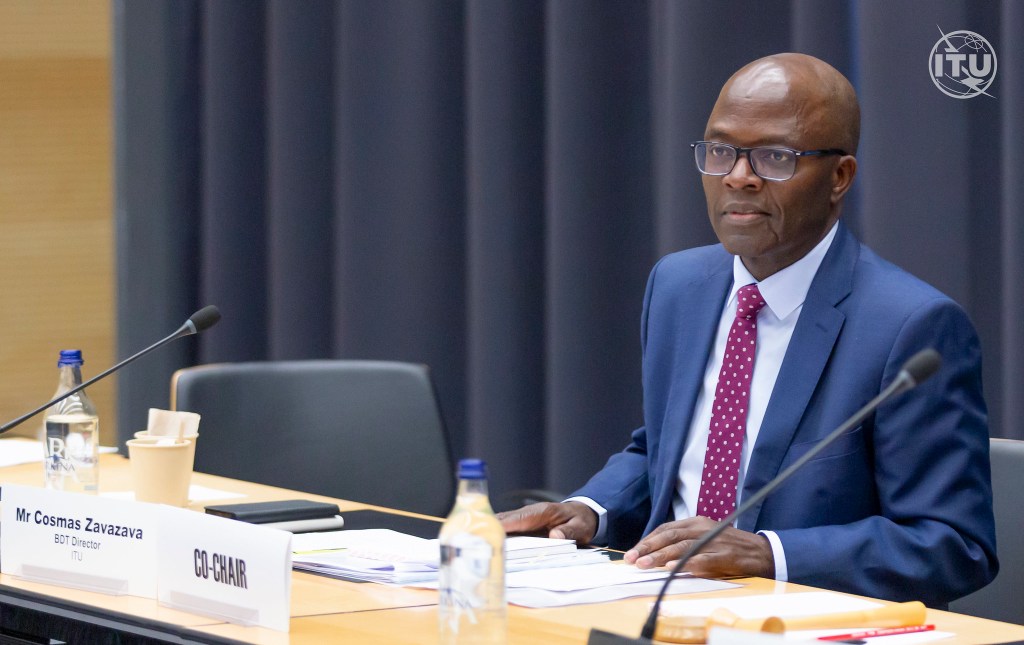
Board members, comprising a diverse and multistakeholder group from governments, private sector, civil society, academia, and the technical community, will engage actively in the Board’s work. They will participate in meetings, share expertise, identify emerging issues, explore innovative solutions, and engage in advocacy at regional and international levels. Their efforts will aim to disseminate lessons learned, achievements of the Alliance, and explore partnership and resource mobilization opportunities.
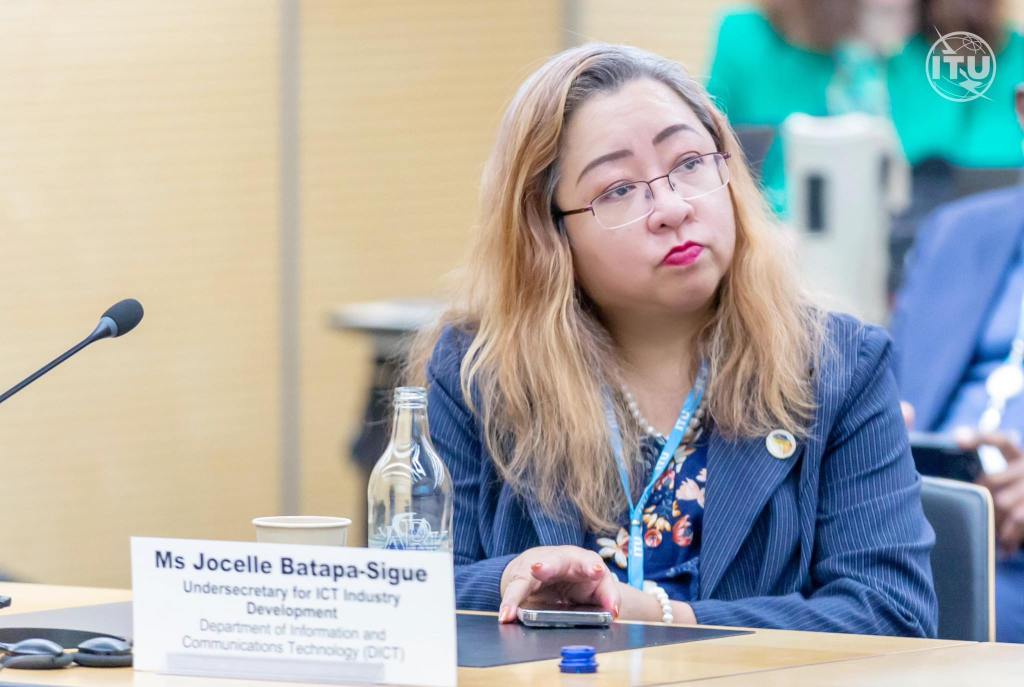
The selection of Batapa-Sigue is a reflection of the Philippines’ strategic position in the global digital economy and the dedication of the Department of Information and Communications Technology (DICT) under the leadership of Secretary Ivan John Uy. Batapa-Sigue’s pioneering work in promoting technology-driven economic development, especially in the countryside, aligns with the objectives of the Digital Innovation and Entrepreneurship Alliance for Digital Development. Her focus on digital innovation, inclusivity, and the creation of a citizen-centric government through enhanced digital platforms and solutions will be invaluable to the board’s mission.
In a competitive selection process that drew 45 applications from 33 countries, the Policy Incubator for Digital Innovation (PIDI) proposal, submitted by the Philippine team, has emerged as one of the 17 Accelerators chosen to drive forward the agenda of digital transformation and innovation.
The formation of the Digital Innovation Board and the selection of the PIDI as an Accelerator underscore a significant commitment to fostering a collaborative and innovative ecosystem that leverages information and communication technologies (ICTs) to achieve equitable and sustainable development.
This initiative aligns with the strategic objectives outlined by the ITU, aiming to bridge the digital innovation divide, and empower nations to navigate the complexities of the digital era with resilience and foresight. The Alliance is poised to catalyze change across various sectors, promoting an inclusive digital economy and enhancing the competitiveness of nations on the global stage.
As the world grapples with the challenges and opportunities presented by the rapid pace of technological advancement, the establishment of the Digital Innovation Board and the selection of the PIDI as an Accelerator highlight a proactive approach to embracing digital innovation as a key driver of socio-economic development and equity. The global community watches with anticipation as this initiative unfolds, promising to bring transformative changes to the digital landscape.
Batapa-Sigue, renowned for her extensive contributions to the ICT sector, brings over two decades of experience to the table, including her role as a co-founder and past president of the National ICT Confederation of the Philippines (NICP) and the Bacolod-Negros Occidental Federation for ICT (BNEFIT). Her tenure as a councilor of Bacolod City, where she served three terms, is proof of her commitment to public service and her ability to drive digital transformation from the grassroots level. Batapa-Sigue has effectively bridged the gap between government, private sector, and academia, driving significant ICT investments and job creation across the nation.
This appointment comes at a crucial time when the world is grappling with the challenges and opportunities presented by the digital age. Batapa-Sigue’s expertise in fostering collaboration across sectors to enhance the digital landscape will be instrumental in achieving the Kigali Action Plan’s goals. Her vision of a digital ecosystem that is inclusive, secure, and forward-looking will contribute significantly to the board’s efforts in accelerating digital development and innovation.
As the global community continues to navigate the complexities of digital transformation, the leadership and insights of visionaries like Jocelle Batapa-Sigue will be pivotal in shaping a future where technology serves as a catalyst for sustainable and inclusive growth. Her appointment is a beacon of hope for aspiring leaders in the Philippines and beyond, highlighting the impact of dedicated service and visionary leadership in the digital age.

With a career decorated with numerous awards and recognitions, including The Outstanding Women in Nation’s Service (TOWNS) award for her exceptional work in ICT, Batapa-Sigue has been a vanguard in promoting technology-driven economic development, especially in rural areas of the Philippines. Her efforts have been central in fostering a digital ecosystem that is inclusive, secure, and forward-looking, making her an ideal candidate for this global role.
Batapa-Sigue’s appointment to this global board not only highlights her individual achievements but also places the Philippines on the map as a key player in the international digital innovation arena. As the digital landscape continues to evolve, her insights and leadership will undoubtedly contribute to shaping a more inclusive and dynamic digital future.
Cosmas Luckyson Zavazava, Director at the International Telecommunications Union, expressed his confidence in the board’s collective expertise, stating, “With the guidance of the Board, we will accelerate the implementation of the Kigali Action Plan in the area of innovation.” He further commended Batapa-Sigue for her dedication and willingness to contribute to this transformative initiative.

DICT Embarks on Digital Innovation Journey with PIDI
In a groundbreaking move to boost the country’s digital landscape, the Department of Information and Communications Technology (DICT) of the Philippines has secured a spot in the Innovation and Entrepreneurship Alliance for Digital Development through the Policy Incubator for Digital Innovation (PIDI). This innovative initiative aims to propel the Philippines into the forefront of the digital age by fostering a vibrant ecosystem of digital innovation and policy development.
DICT Undersecretary Batapa-Sigue designed the PIDI concept as a hub where technologically inclined, intellectually curious professionals can collaborate on developing, refining, and implementing digital policies. This initiative reflects a forward-thinking approach to ensuring the Philippines remains adaptable in the face of rapid technological advancements.
The incubator’s mission is to accelerate digital innovation by attracting passionate individuals who are keen on leveraging technology to solve societal issues, spur economic growth, and enhance the quality of life for Filipinos. By fostering collaboration, research, and policy development, PIDI is set to catalyze the adoption of emerging technologies and disruptive ideas.
PIDI’s objectives extend beyond innovation, aiming to develop and implement policies that support digital infrastructure growth, promote digital literacy, and create an enabling environment for digital entrepreneurship. Additionally, the incubator seeks to establish an inclusive digital ecosystem, ensuring that all citizens have access to digital tools, skills, and opportunities.
One of the key components of PIDI is the organization of collaborative workshops and think tanks, bringing together experts from various sectors to share insights and brainstorm policy ideas. Pilot projects will allow for real-world testing and refinement of policies, while public-private partnerships will leverage the strengths of both sectors in policy development.
The incubator’s establishment aligns with the DICT’s mandate under RA 10844, aiming to provide agile and adaptive policy frameworks that foster innovation, inclusivity, and security in the digital landscape. With the support of international bodies like the ITU, PIDI is poised to make significant contributions to the global digital innovation discourse.
For more insights into her contributions and ongoing projects, Batapa-Sigue’s work can be explored through her official website at jocellebatapasigue.com, which details her relentless pursuit of digital progress in the Philippines and beyond.
For further information and inquiries, please contact the ITU Telecommunication Development Bureau at BDTDirector@itu.int.
For more information about Jocelle Batapa-Sigue’s work and contributions to the ICT sector, please visit jocellebatapasigue.com.


 Jocelle Batapa Sigue
Leave a comment