December 2, 2023 – Legazpi City, Philippines –
In a groundbreaking initiative to empower young girls from rural areas, LayerTech Software Labs Inc. organized “Coding Out of Poverty”, an ambitious program, funded by the U.S. Department of State’s Bureau of Educational and Cultural Affairs and implemented with the help of Meridian International, aims to introduce and nurture coding and ICT skills among girls from high schools in the provinces of Albay and Sorsogon.
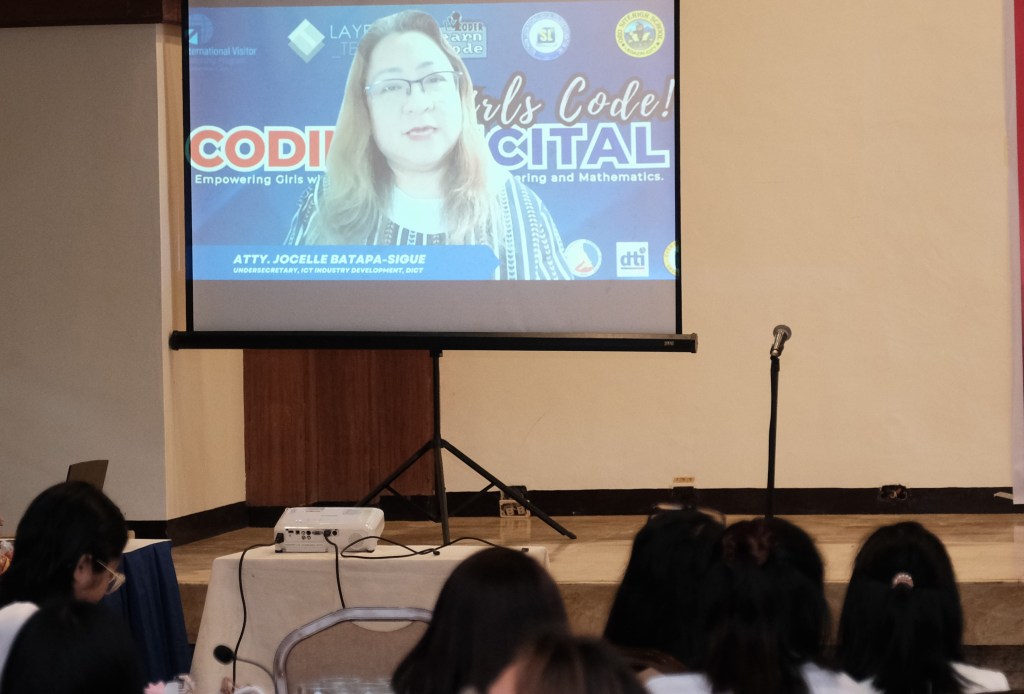
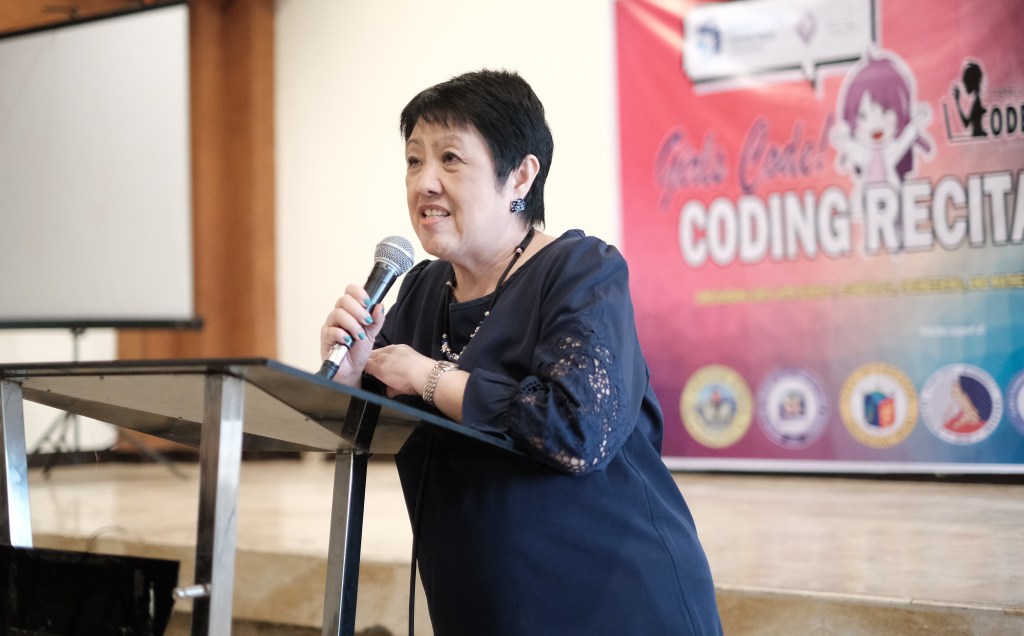
Lawyer Jocelle Batapa-Sigue, the Undersecretary for ICT Industry Development at Department of Information and Communications Technology (DICT) graced the Coding Recital and Culmination Program with a recorded message, emphasizing the department’s vision to make digital skills accessible to every sector of the country.
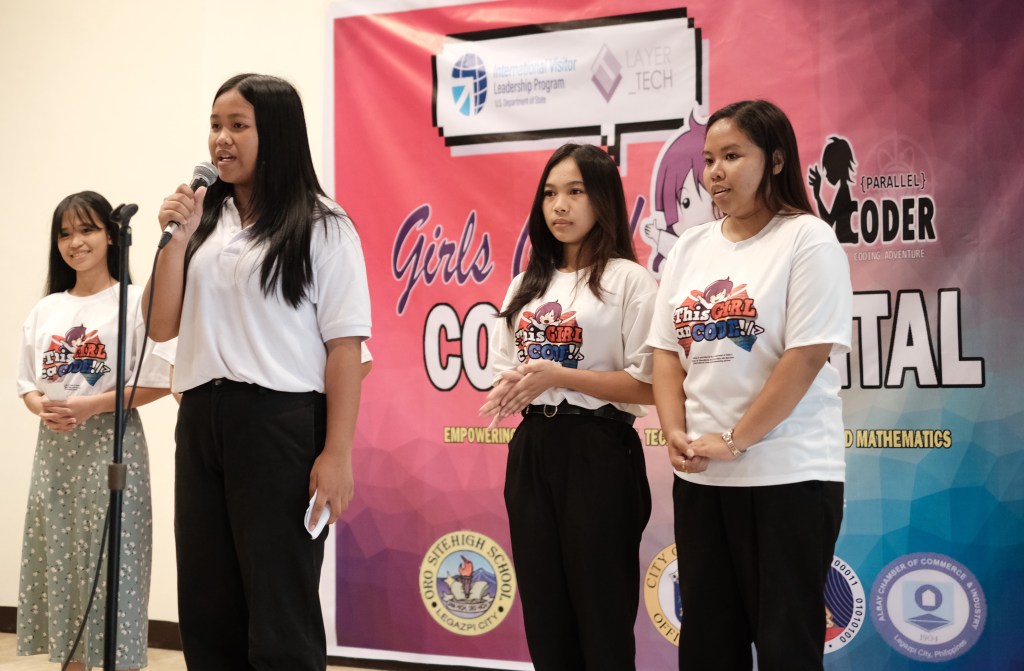
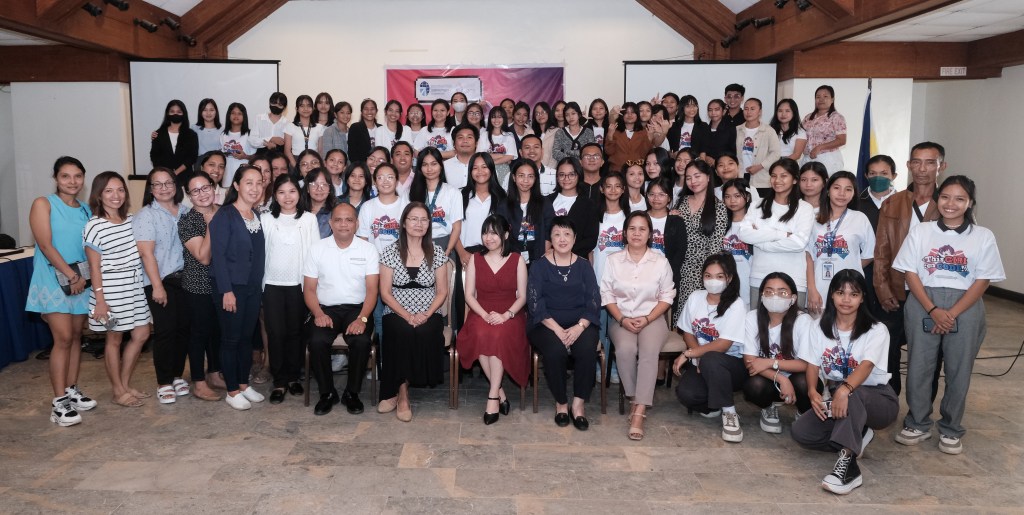
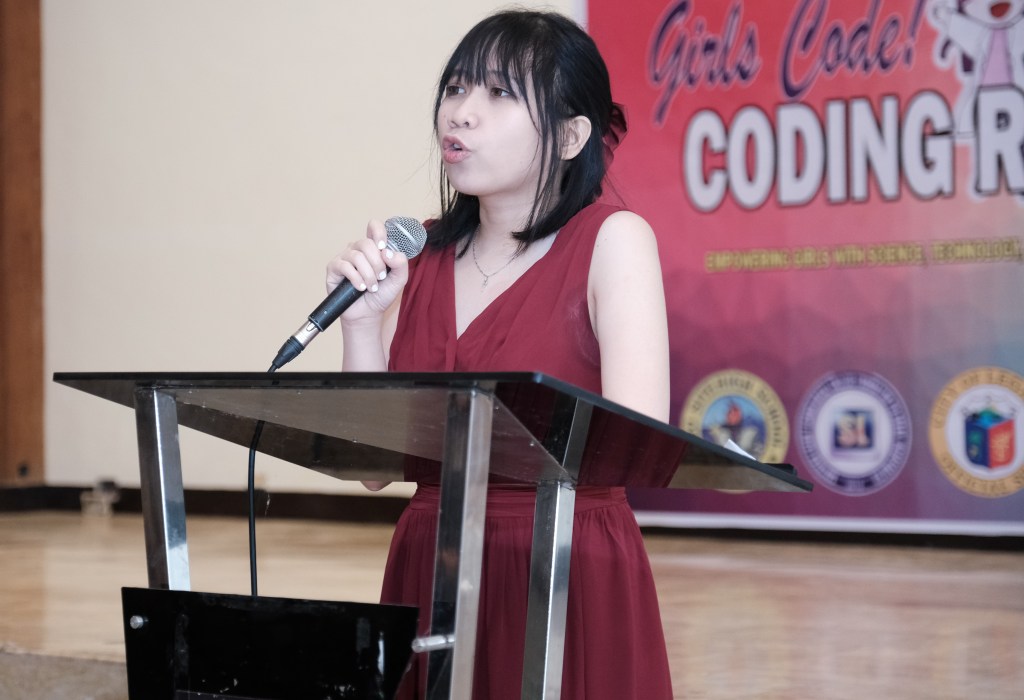
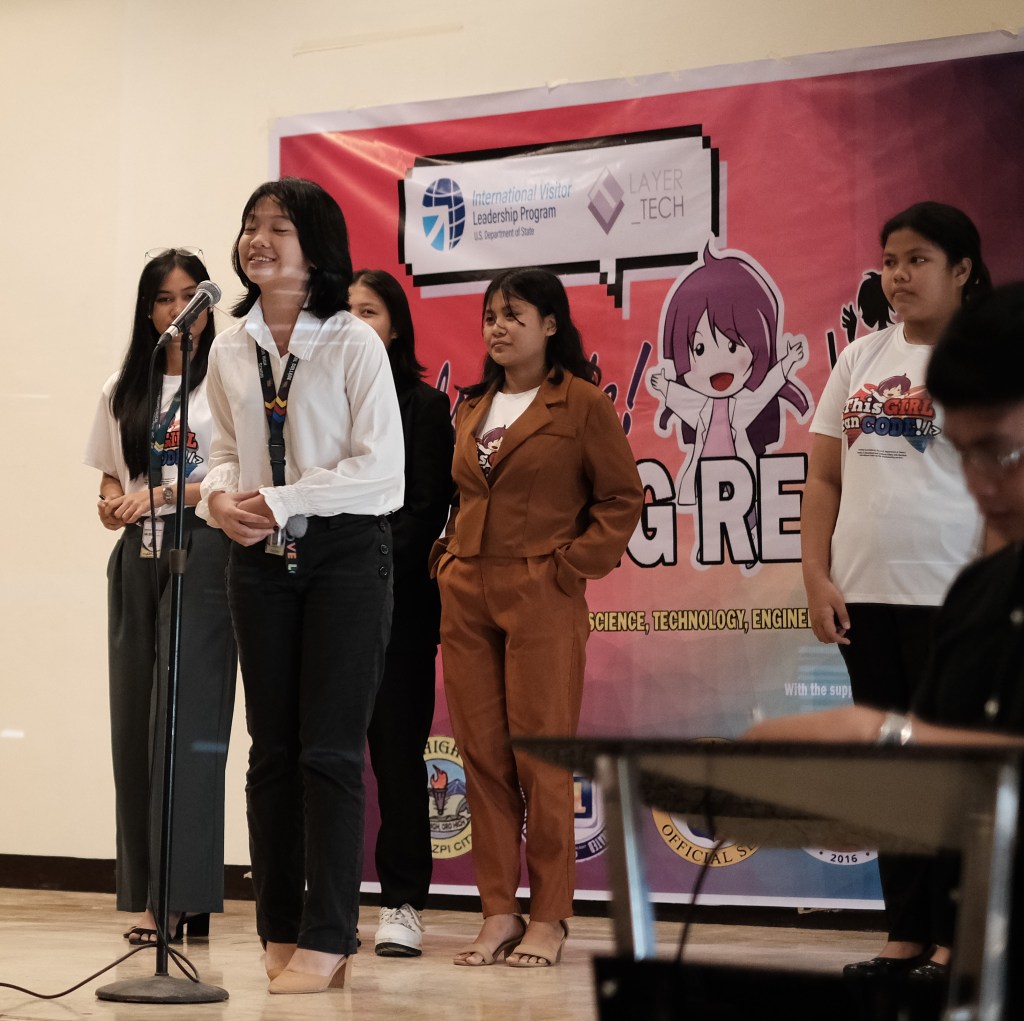
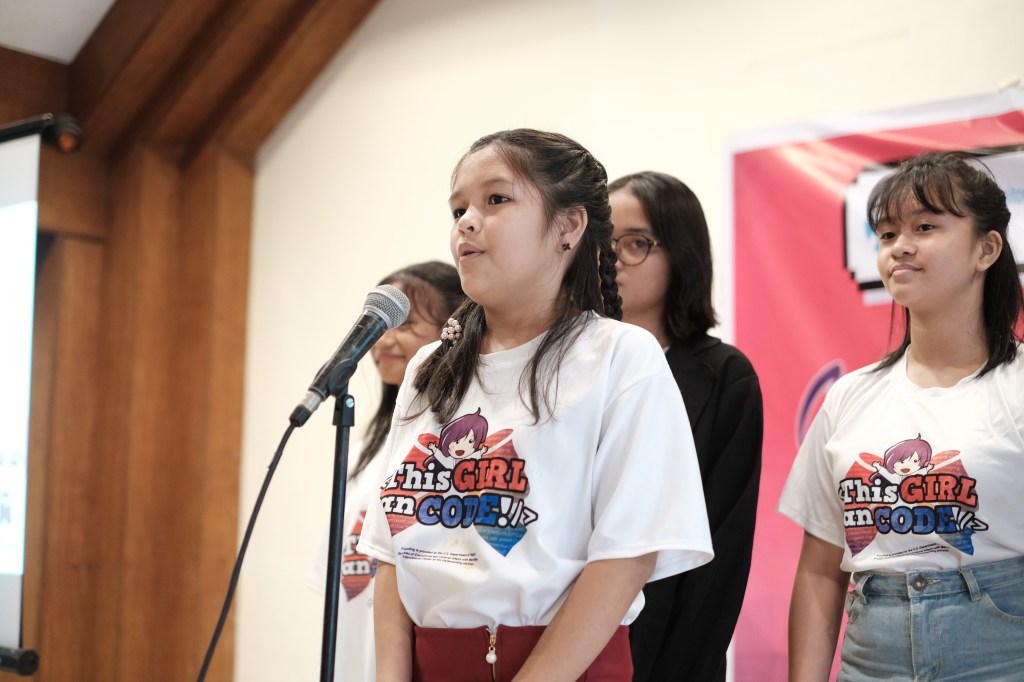
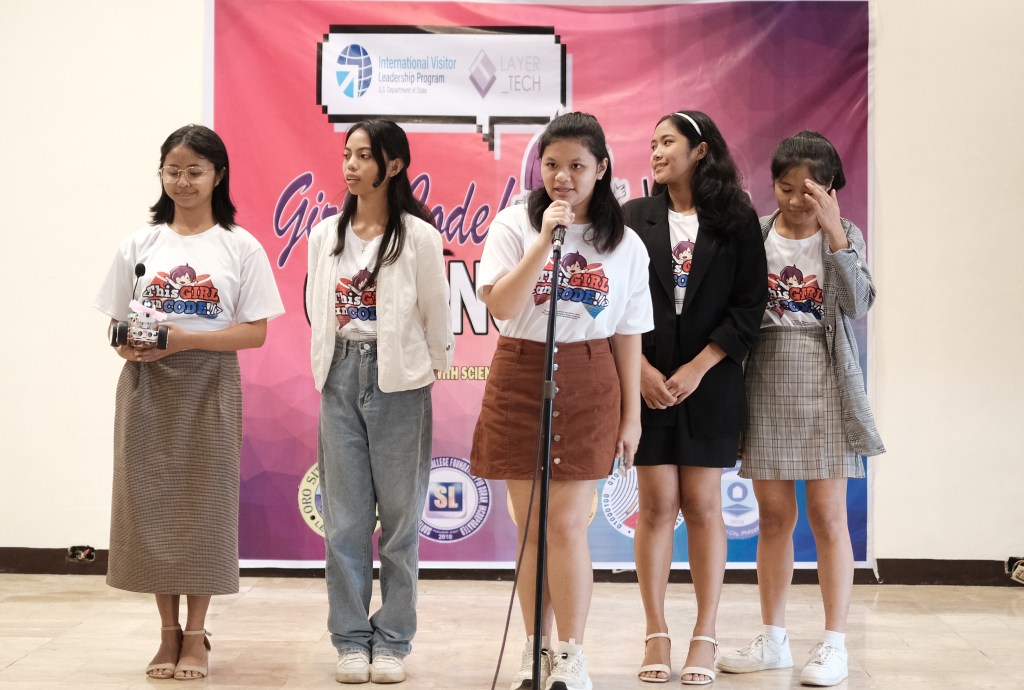
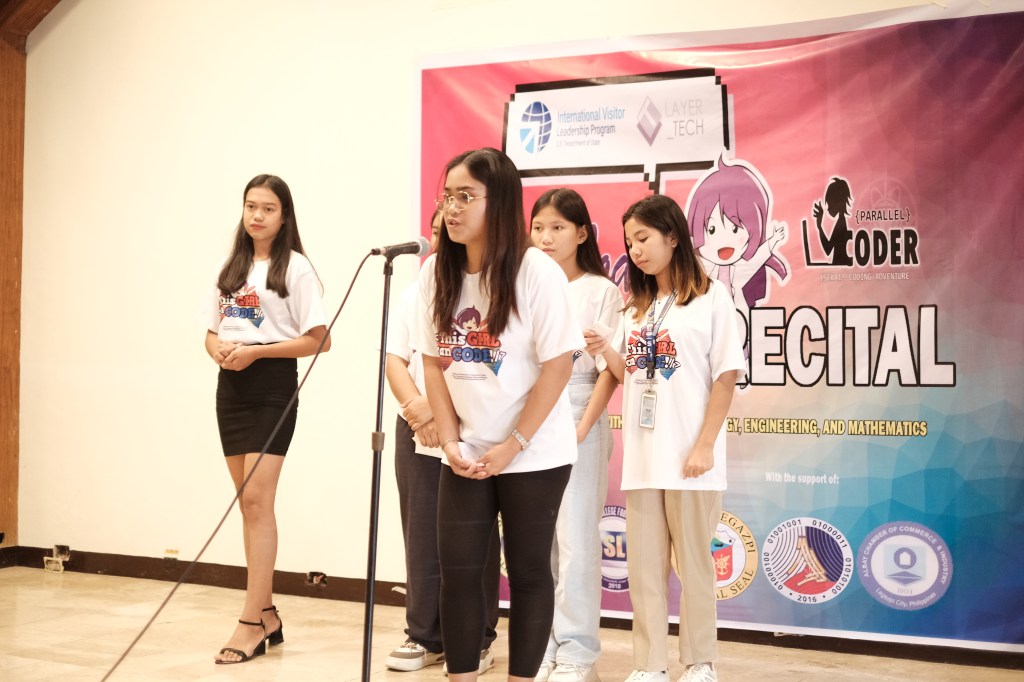
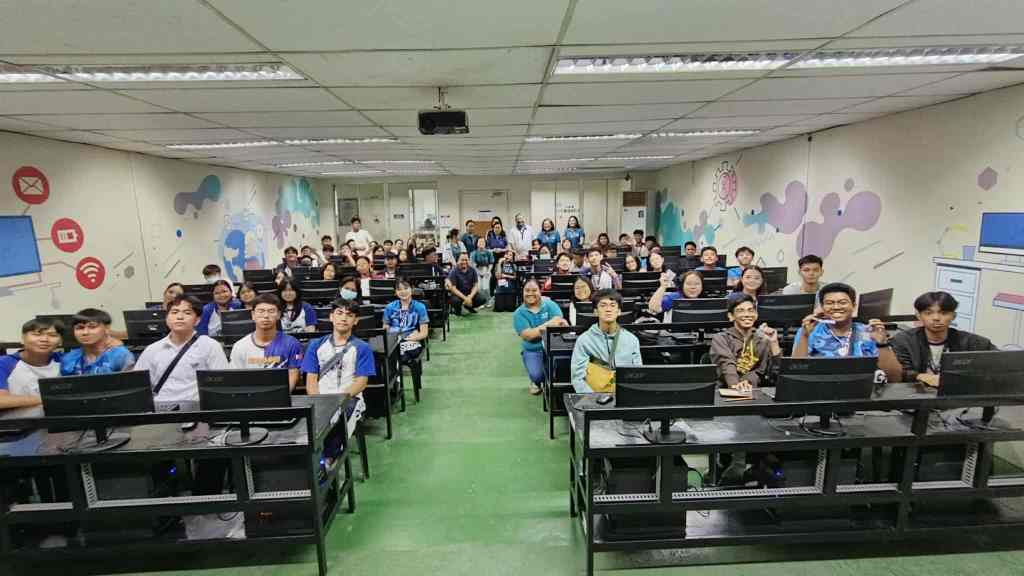
Held at The Casablanca Hotel in Legazpi City, the event marked the end of a three-month intensive training program in Python programming and Electronics for fifty selected girls from Oro Site High School and Southern Luzon Technological College, particularly their three campuses: Legazpi, Pio Duran, and Pilar Sorsogon.
The International Visitor Leadership Program (IVLP), a key component of this initiative, is renowned for its role in fostering global leaders through short-term visits to the United States, facilitating the exchange of knowledge and ideas. This particular program, however, focused on a more localized but equally impactful goal: to equip young girls with the skills necessary for thriving in the digital age.
Breaking Barriers and Building Futures
The program’s structure was meticulously designed to empower these young women. The participants, grouped into ten teams, were provided free learning materials and training, culminating in a capstone project presented before an audience of parents, instructors, and local dignitaries.
Atty. Batapa-Sigue’s message highlighted the importance of including women and girls in digital development. She referenced the Digital Innovation for Women Advancement (DIWA) initiative of the DICT, launched in 2022, as a testament to this commitment.
“Each of us is responsible to ensure that our women and girls have access to participate in the ICT sector,” Atty. Batapa-Sigue remarked, underscoring the critical role of women in the fourth industrial revolution.
A Step Towards Inclusive Development
In her post in social media, Frei Sangil, Founder of LayerTech Software Labs Inc., extended her heartfelt gratitude to all who have made the “Coding Out of Poverty” program a resounding success. This initiative marks a significant step in our journey towards empowering young girls from rural areas with the skills and confidence to thrive in the digital age.
Frei thanked the US State Department’s Bureau of Educational and Cultural Affairs, Meridian International Center, and the International Visitor Leadership Program (IVLP) for entrusting her team with this transformative project. She also thanked her local partners, whose collaboration and dedication have been pivotal in the execution of this program. Your commitment to fostering educational and technological growth in our communities is truly commendable.
Frei also thanked Undersecretary Jocelle and the Digital Innovation for Women Advancement (DIWA) program. “Your advocacy for digital inclusivity and women’s empowerment resonates deeply with our mission, and your support has been invaluable”, she said.
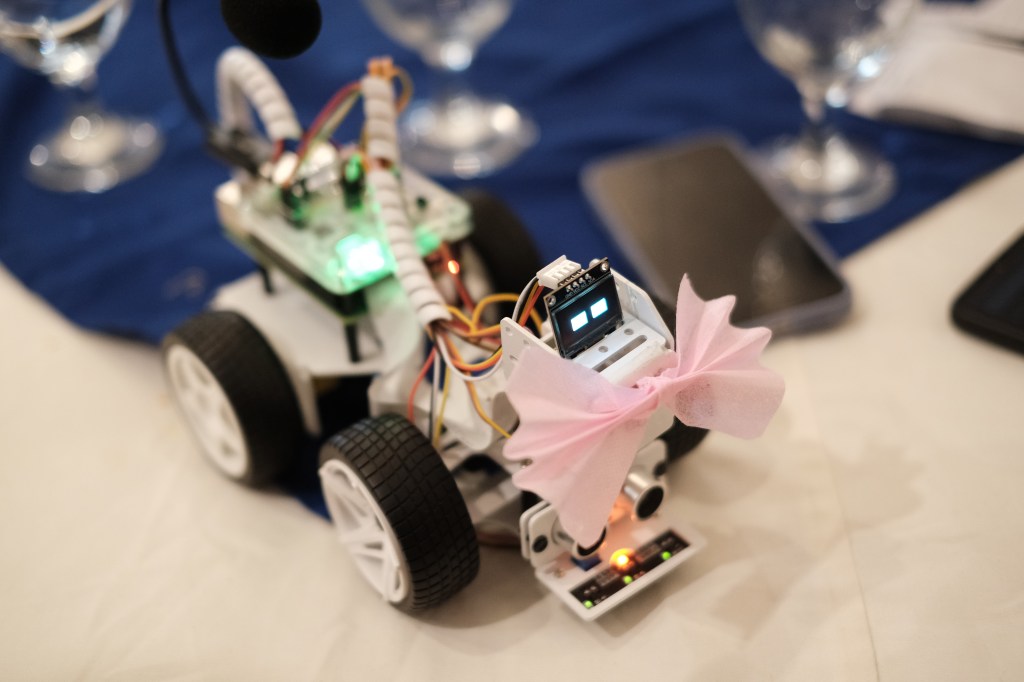
In her post, Frei shared “the showcase of projects by girls from grades 6-12 was nothing short of inspirational. From Python-coded educational games to AI-powered robots with advanced image recognition features and impressive ChatGPT API responses, their creativity and ingenuity were on full display. Remember, these are young minds from rural schools in Albay, showcasing skills and understanding at an extraordinary level”.
“When we first assessed the participants, many had no idea about programming, nor the confidence to begin. Seeing them now, confidently presenting their projects and embracing their newfound skills, fills me with immense pride. These young girls have not only learned how to code but have also gained confidence in their ability to tackle challenges and innovate.”
“I urge our bright young participants: as you grow and find success, remember to pay it forward. Support others who are also in need of guidance and opportunity. It is only through inclusivity and collaborative improvement that we can achieve sustainable and equitable development. Hats off to all the participants! Your achievements in STEM are a win not just for you, but for our entire community. Keep aiming high, keep learning, and keep innovating!”

“Coding Out of Poverty” is more than just a program; it’s a movement towards inclusive development, where girls from rural backgrounds are given the tools to break free from traditional barriers and chart their own course in the world of technology and innovation.
Empowerment through Education and Technology
The success of this program serves as a beacon, illuminating the path towards a future where digital literacy and technological empowerment are not just buzzwords, but realities accessible to all, regardless of their background or location.
As the world moves deeper into the digital era, initiatives like “Coding Out of Poverty” not only level the playing field but also ensure that no one is left behind in the journey towards a digitally inclusive future.
For more information about the program and future initiatives, please contact Layertech Software Labs Inc.
[Co-Written with Mary Rose Buitre, OUIID]
[Photo Credits: Layertech Software Labs Inc.]
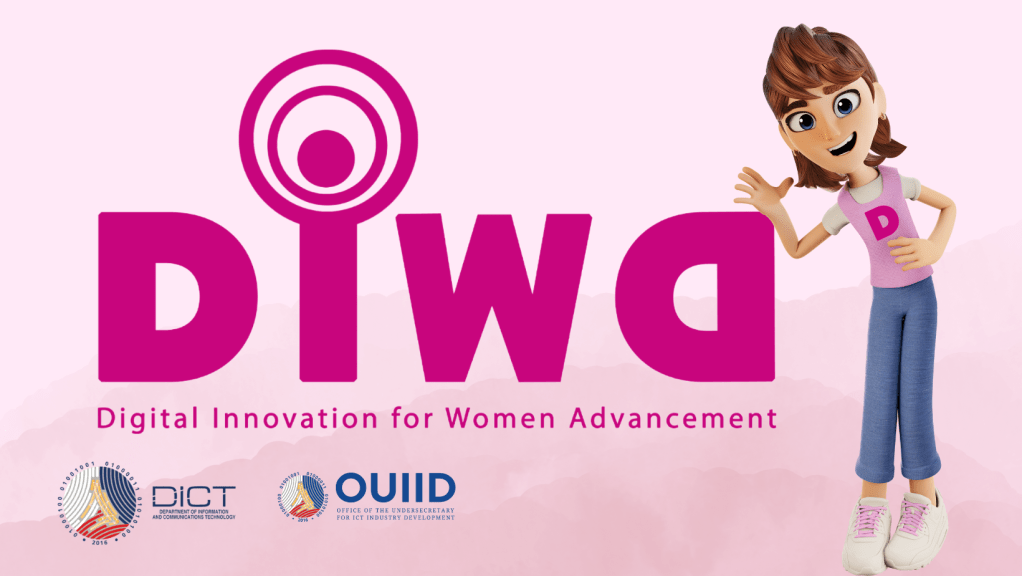
Digital Innovation for Women Advancement (DIWA) is a program launched by the Department of Information and Communications Technology (DICT) in the Philippines. DIWA aims to increase the participation of Filipino women in information and communications technology (ICT), supporting the nation’s pursuit of an inclusive and sustainable digital future. This initiative aligns with the Philippines’ commitment to the International Telecommunications Union (ITU), of which it is a council member.
DIWA’s objectives include promoting gender equality and empowering women through ICT, in line with ITU Resolution 70. It focuses on several goals:
- Accelerating the use of ICTs to achieve gender equality as part of Sustainable Development Goal (SDG) 5.
- Ensuring equal access to ICTs for both women and men, especially in policy and decision-making roles.
- Reducing the gender gap in access to ICTs and in economic activities like innovation and entrepreneurship.
- Providing equal access to the Internet and digital technologies for women, along with training opportunities.
- Utilizing ICTs as tools for the advancement and empowerment of women and girls.
To achieve these goals, DIWA plans to conduct public awareness campaigns, workshops, trainings, dialogues, conferences, and summits. It also aims to create knowledge resources, databases, surveys, studies, and dashboards, and to establish communities and support groups.
The program was inspired by the election of the first woman secretary-general of the ITU, Doreen Bogdan-Martin and proposed by Undersecretary Jocelle Batapa-Sigue, following the 2022 Plenipotentiary Conference of ITU in Bucharest, Romania. A strong partnership between DICT and ITU is seen as crucial for the successful implementation of DIWA.
 Jocelle Batapa Sigue
Leave a comment