Introduction
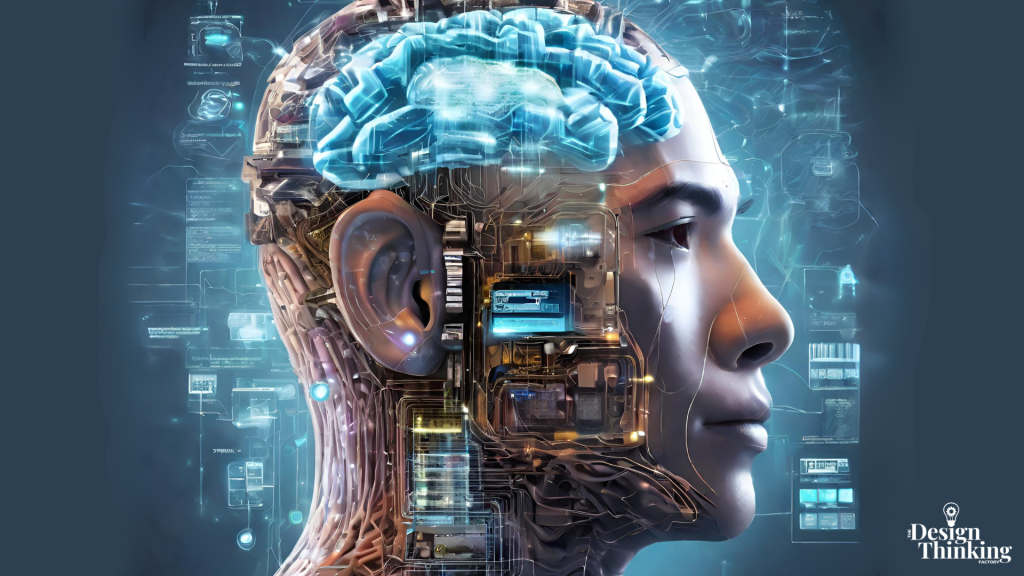
A decade ago, visionaries and advocates in various industries foresaw a future where digital skills would be paramount. They predicted that the “Jobs of the Future” would not only be high technology-driven but also digitally-enabled across diverse fields such as healthcare, science, engineering, arts, creatives, agriculture, finance, and more. The expectation was that this digital transformation would redefine the job market and the competencies required to thrive in it. However, as these futuristic jobs become today’s reality, it’s crucial to assess how well-prepared we are to embrace this change.
The Paradigm Shift in Job Requirements
The modern job landscape is increasingly indifferent to traditional qualifications like diplomas, courses, and degrees. Instead, there’s a growing emphasis on practical skills and competences. This shift reflects the dynamic nature of the digital era, where practical, hands-on skills often trump theoretical knowledge. The demand is for a workforce that is not only digitally literate but also adaptable, innovative, and capable of leveraging technology in various domains.
In the Philippines, the job market is undergoing a significant transformation due to the digital revolution. Traditional academic qualifications, such as diplomas and degrees, are no longer the sole indicators of a candidate’s potential or job readiness. Employers are increasingly valuing practical skills and competencies that align with the digital demands of their industries. This shift is particularly evident in sectors such as information technology, e-commerce, digital marketing, and business process outsourcing, where the ability to navigate and leverage digital tools is paramount. The Filipino workforce is finding that hands-on experience and demonstrable skills in these areas can outweigh a formal education’s theoretical underpinnings.
The Role of Digital Skills Across Industries
The integration of digital technology across sectors has created jobs that didn’t exist a decade ago. In healthcare, for instance, we see an increasing reliance on telemedicine, digital health records, and data-driven patient care. In agriculture, digital tools are being used for precision farming, enhancing productivity and sustainability. The finance sector is revolutionized by fintech innovations like blockchain and digital currencies. Even in creative fields like arts, digital platforms have become essential for creation, promotion, and distribution.
The Challenge of Workforce Readiness
Despite the clear indications of a digital future, there’s a palpable gap in workforce readiness. A significant portion of the current workforce was educated and trained in a pre-digital era, focusing on traditional skills that are rapidly becoming obsolete. This mismatch between existing skills and market needs poses a challenge for both employees seeking to stay relevant and employers striving to find suitably skilled personnel.
For the Filipino worker, adaptability and continuous learning are becoming crucial traits. As automation and artificial intelligence begin to influence various job roles, the ability to quickly learn and apply new technologies is a competitive advantage. This trend is not confined to the private sector; even public services are recognizing the need for a digitally savvy workforce to improve efficiency and service delivery. Thus, the future of work in the Philippines is likely to be defined by a workforce that is versatile, tech-oriented, and continuously evolving with the digital landscape.
Government’s Role: Reactive vs. Proactive Strategies
One of the critical factors in this scenario is the role of government policies and initiatives. Unfortunately, many governments have been slow to adapt, often resorting to reactive, remedial, and incoherent strategies. Instead of proactively reshaping educational curricula and vocational training to incorporate essential digital skills, there has been a tendency to rely on short-term solutions that fail to address the core issue of skills mismatch.
In the rapidly evolving digital economy, the role of government in shaping the workforce’s future cannot be overstated. The transition to a digital-centric job market necessitates a significant shift in policy and strategy from the government’s end. However, a common trend is a lag in adapting to these changes. Government actors often find themselves in a reactive stance, implementing short-term, remedial measures that do not fundamentally address the underlying skills gap.
The Pitfalls of Reactive Governance
Reactive governance in the context of workforce development typically manifests in hurried, patchwork solutions aimed at immediate problems. For example, when a particular industry faces a skills shortage, a reactive strategy might involve quickly set up training programs aimed at immediate skill provision. While this might fill immediate gaps, it often overlooks the broader and more sustainable need for a foundational change in the education and training ecosystem.
Such strategies also tend to be remedial, focusing on correcting or compensating for deficiencies in the workforce, rather than preventing these deficiencies in the first place. This approach not only leads to inefficient allocation of resources but also fails to provide a long-term solution to the evolving demands of a digital economy.
The Need for Proactive Strategies
In contrast, proactive governance involves anticipating future trends and needs, and systematically preparing for them. This approach requires a thorough overhaul of the current educational and vocational training systems to align them with the digital age’s requirements.
A proactive strategy would entail a comprehensive integration of digital literacy and relevant technological skills into the core curriculum from an early age. It would also involve updating and adapting higher education and vocational training programs to ensure they are in sync with the latest industry demands. This foresight ensures that as students graduate and enter the workforce, they are already equipped with the skills needed for contemporary and future job markets.
Moreover, a proactive government doesn’t just reshape education but also fosters an environment conducive to continuous learning and skill development. This can be achieved through incentives for lifelong learning, partnerships with technology companies for up-to-date training, and policies that encourage private sector investments in employee training and development.
The Importance of Coherent and Integrated Policy Making
Effective government strategy in this realm also needs to be coherent and integrated. It requires a holistic view that connects education, labor, and economic policies. For instance, labor market analyses should inform educational curricula, ensuring that what is taught in schools and training programs is closely aligned with the market’s current and future needs. Similarly, economic policies should support industries and sectors that are poised for growth in the digital era, ensuring job creation in areas where workers are being trained.
The role of government in preparing the workforce for the digital era is pivotal. Moving from a reactive to a proactive stance is essential. This shift requires not just a rethinking of educational and vocational training programs but a broader, more integrated approach to policy-making that encompasses education, labor, and economic development. Such a holistic approach is critical to ensuring that the workforce is not only prepared for today’s digital demands but also equipped for the uncertainties of tomorrow’s job landscape.
The Need for Comprehensive Educational Reform
Addressing this challenge requires a fundamental overhaul of the educational system. From primary education through to higher education and vocational training, curricula need to be reoriented to prioritize digital literacy, critical thinking, and adaptability. This reform must also extend to teacher training, ensuring that educators are equipped to impart these vital skills.
Lifelong Learning and Continuous Skill Development
In the digital era, learning cannot stop at graduation. Lifelong learning and continuous skill development are essential. Workers must be encouraged and supported to regularly update their skills in line with technological advancements. This approach calls for robust continuing education programs and easily accessible online learning platforms.
Collaboration Between Industry and Education
Forging strong partnerships between the education sector and industry is crucial. Such collaborations can ensure that the skills taught in classrooms are aligned with real-world market needs. Internships, apprenticeships, and industry input in curriculum development can bridge the gap between education and employment.
Conclusion
The shift towards a digitally-driven job market is not just a future possibility; it’s the present reality. The visionaries of a decade ago were correct in their predictions, but the readiness to meet these changes has been lacking. To catch up and prepare for an even more digital future, a comprehensive and proactive approach is needed. This approach should encompass educational reforms, government policies, industry collaborations, and a culture of continuous learning. Only then can we ensure that our workforce is not just coping with the digital era but thriving in it.

 Jocelle Batapa Sigue
Leave a comment