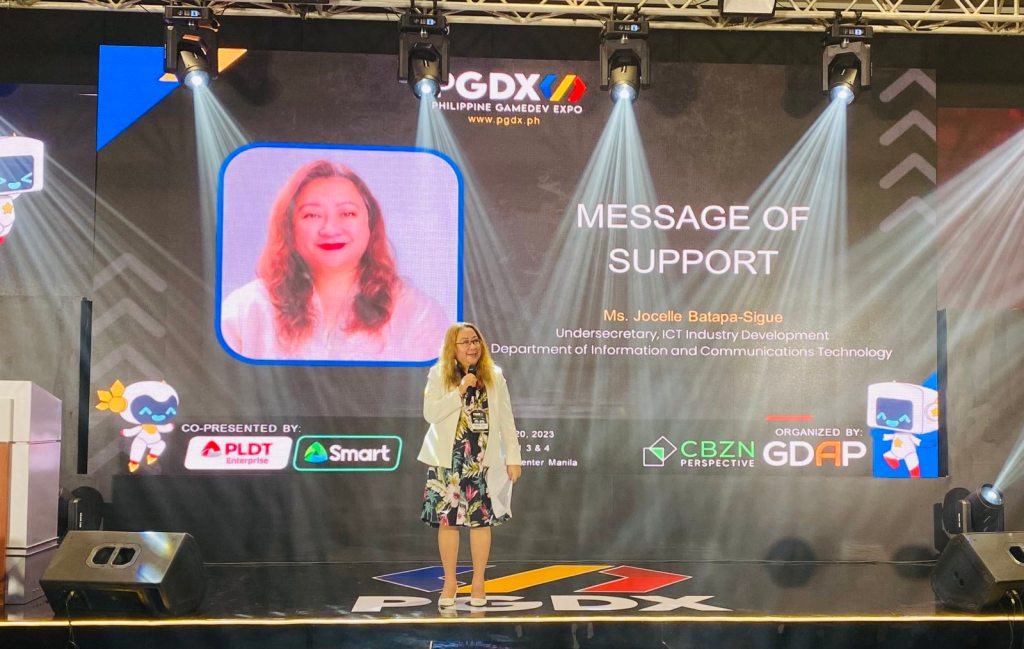
MANILA, August 18, 2023 – Undersecretary Jocelle Batapa-Sigue of the Department of Information and Communications Technology (DICT) delivered an uplifting message at the inaugural Philippine Game Development Expo (PGDX) 2023, emphasizing the vast potential of the country’s game development sector. The three-day Expo promises to usher in a new era for the nation’s rapidly expanding game development industry.
In her address, Batapa-Sigue underscored the importance of the game development industry in the nation’s vision for a digital future, stating, “Games are about creativity, storytelling, and innovation.” She also applauded the Game Developers Association of the Philippines (GDAP) for their continuous dedication in fostering the country’s gaming landscape.
She highlighted the vast opportunities awaiting the sector, emphasizing that games are not just for leisure but are platforms for innovation, creativity, and storytelling.
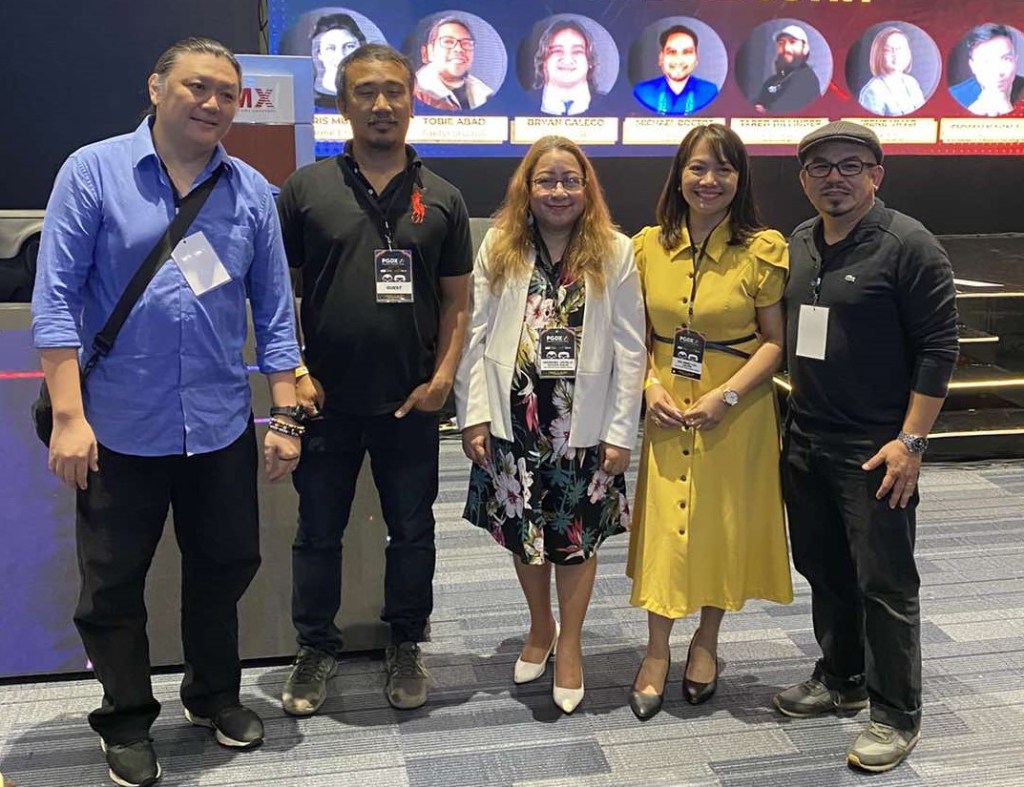
Recalling the success of last year’s GDAP’s BizCon, which saw participation from 10 countries, Batapa-Sigue expressed optimism about PGDX 2023’s potential. The three-day event aims to be an even more significant, on-site platform offering opportunities such as learning sessions, business matchmaking, and product showcasing.
PGDX’s vision aligns with DICT’s mission to ensure sustainable growth in Philippine ICT-enabled industries, promising more job opportunities for Filipinos. Batapa-Sigue drew attention to the collaboration between DICT, the Department of Trade and Industry (DTI), DTI’s Export Marketing Bureau, Competitiveness Bureau, Board of Investments (BOI) and various industry associations such as the Animation Council of the Philippines and the Creative Content Creators Association Komiket, and Homonym.
The DICT is placing game development at the forefront of its efforts to bolster ICT-enabled industries in the Philippines. “Through the EPIC Program,” Batapa-Sigue revealed, “we’re ensuring our creative industry, especially game development, secures a strong foothold globally.” DICT ICT Industry Director Emmy Lou Delfin presented the Empowering, Promoting, and Invigorating the Digital Creative Industry (EPIC) Program and other programs of DICT.
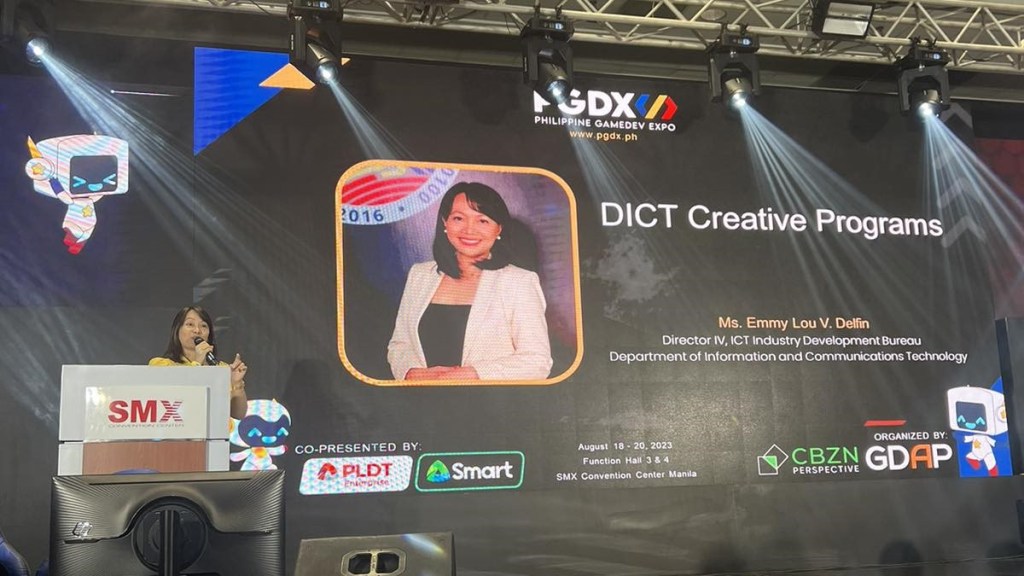
The Empowering, Promoting, and Invigorating the Digital Creative Industry (EPIC) Program is a key initiative of DICT, in partnership with industry stakeholders in the Creative Industry. Its primary mission is to enhance and sustain the Philippines’ digital creative sector’s competitiveness, focusing on both the talents of Filipinos in outsourced services and the generation of original Filipino content.
The Undersecretary noted that addressing industry challenges requires a cohesive approach from all stakeholders. This collective effort is geared toward addressing challenges the industry faces, from talent acquisition to promoting Filipino content.
The event is envisioned to serve multiple functions, from fostering a collaborative environment for the game industry, paving the way for business and investment opportunities, networking with key opinion leaders, and showcasing Filipino talent to the global stage. The three-day event aims to surpass past successes by offering a diverse range of activities, including learning sessions, business matchmaking, and showcasing products and services.
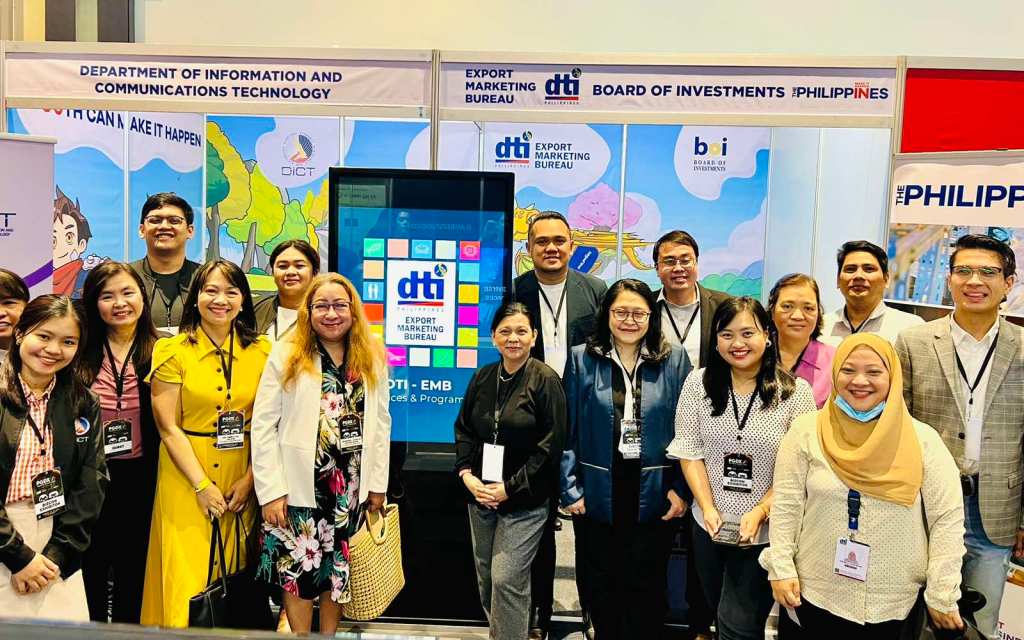
Batapa-Sigue underscored the need for collaboration among all stakeholders, including game developers, students, investors, and government agencies, asserting that the Philippine game industry’s future is bright and, with joint effort, can dazzle the world.
Undersecretary Batapa-Sigue ended her speech with a call to action, urging game developers, students, investors, and government agencies to harness their collective strengths, share their stories, and drive the Philippine game industry to global prominence.
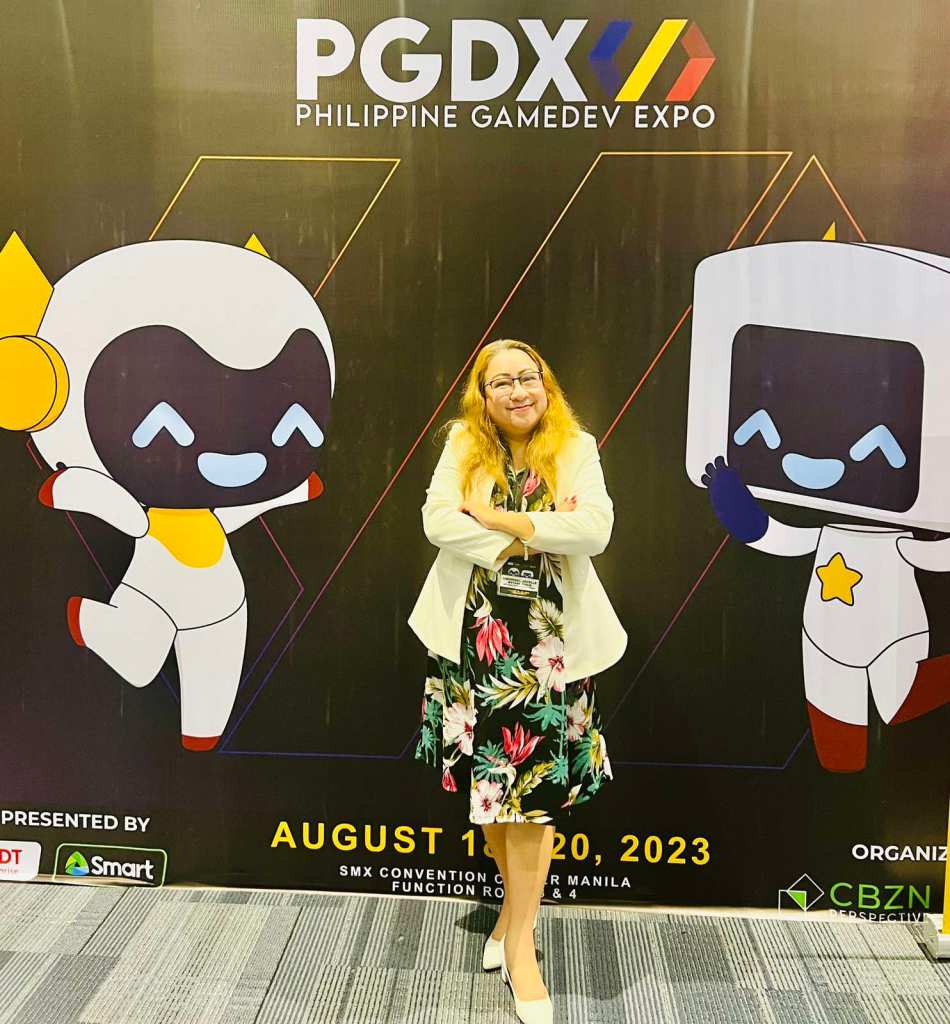
Amidst challenges such as talent shortages and industry fragmentation, Batapa-Sigue remains optimistic about the future of the Philippine game development sector. She encouraged attendees, ranging from developers to government agencies, to engage, learn, innovate, and collaborate during the expo.
Amidst challenges such as talent shortages and industry fragmentation, Batapa-Sigue remains optimistic about the future of the Philippine game development sector. She encouraged attendees, ranging from developers to government agencies, to engage, learn, innovate, and collaborate during the expo.
With stakeholders from various sectors in attendance, the Expo is poised to catalyze collaborations and innovations, marking a promising future for the Philippine game development sector.
The Expo is a comprehensive gathering with various features:
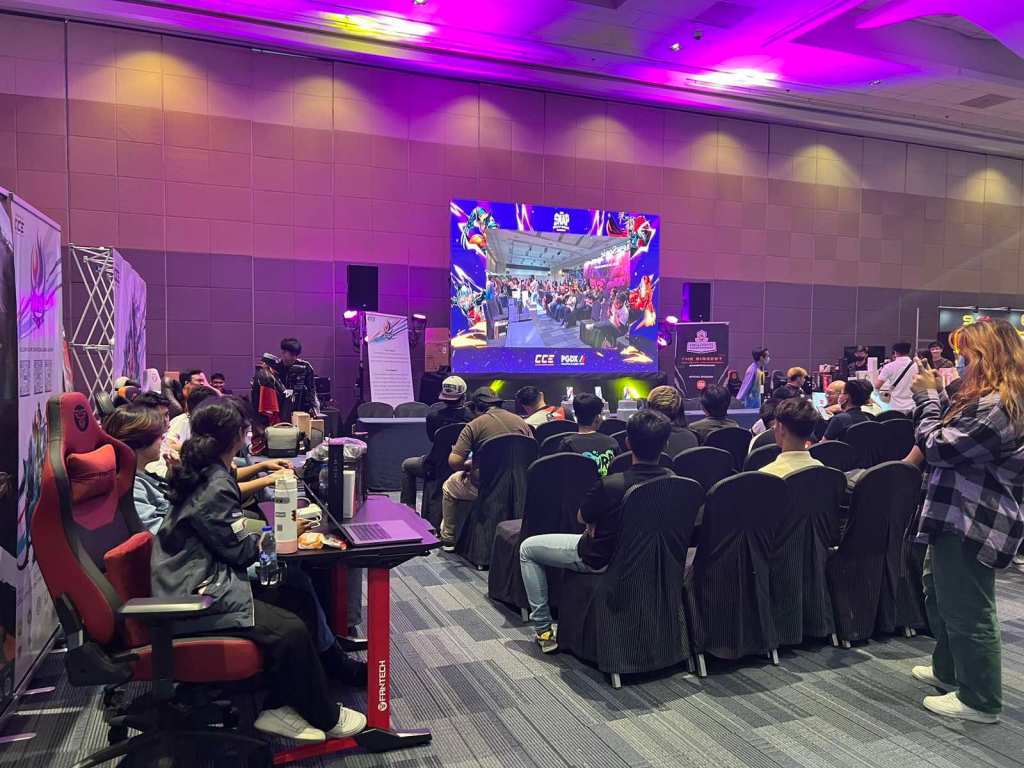
- Learning Platforms: The event comprises Conferences, Workshops, Panels, and Masterclasses that serve as an avenue for attendees to gain insights from industry experts in game development. The Main Stage will host the day’s primary programs. There’s a Professional Track, designed for 50-60 participants, offering a series of panels and workshops tailored for professionals in game development. Meanwhile, the Educational Track, accommodating up to 120 attendees, aims to furnish participants with advanced educational knowledge in the game development arena.
- BizCon: This B2B segment presents attendees with an opportunity to delve into potential collaborations with businesses offering state-of-the-art technologies and innovative solutions.
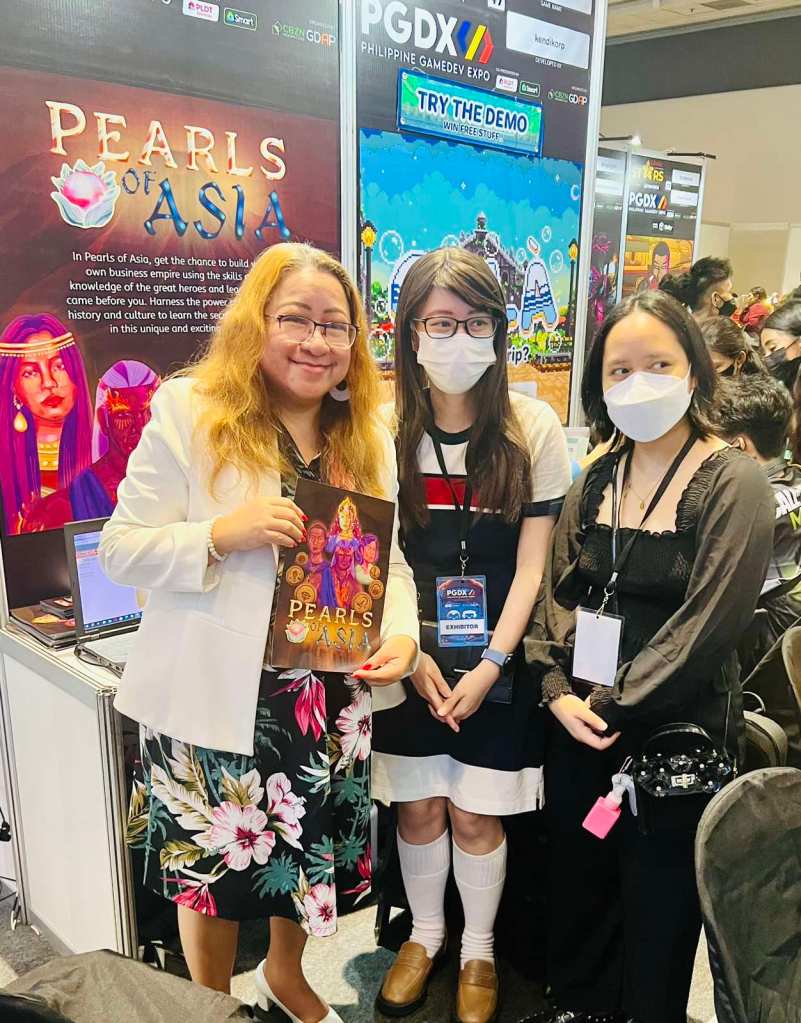
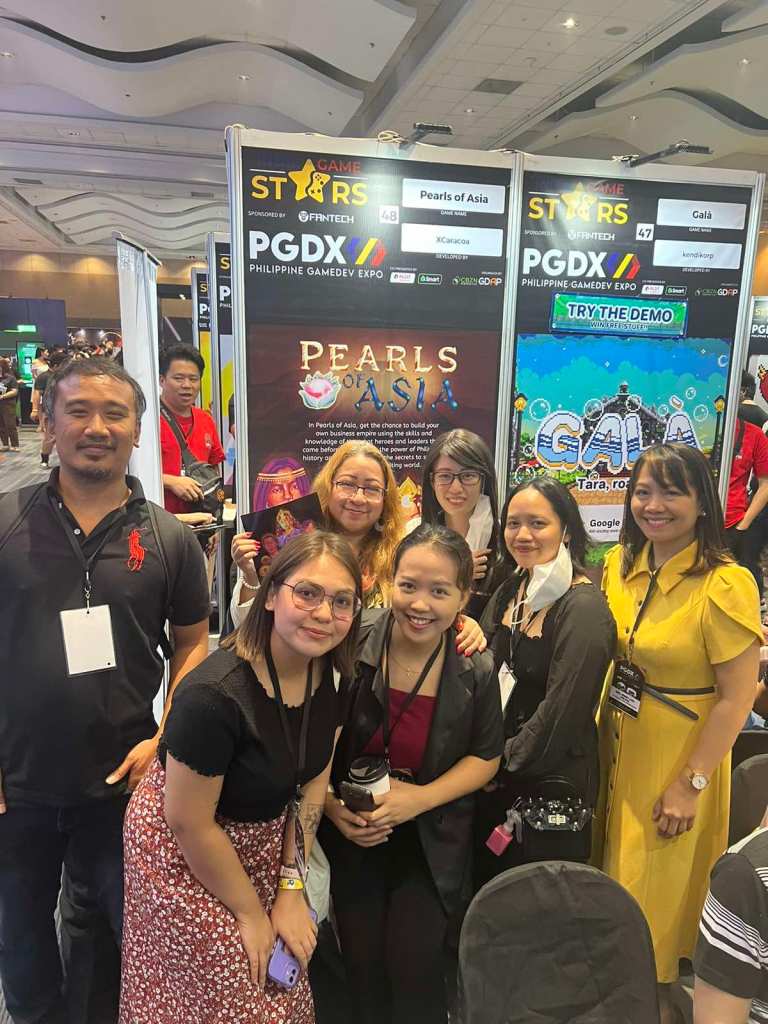
- Indie Game Stars: Celebrating both local and global talent, this component is dedicated to showcasing the projects of over 50 indie game developers.
- B2B Platform: Designed for attendees to foster connections, this platform bridges businesses to various other businesses and communities.
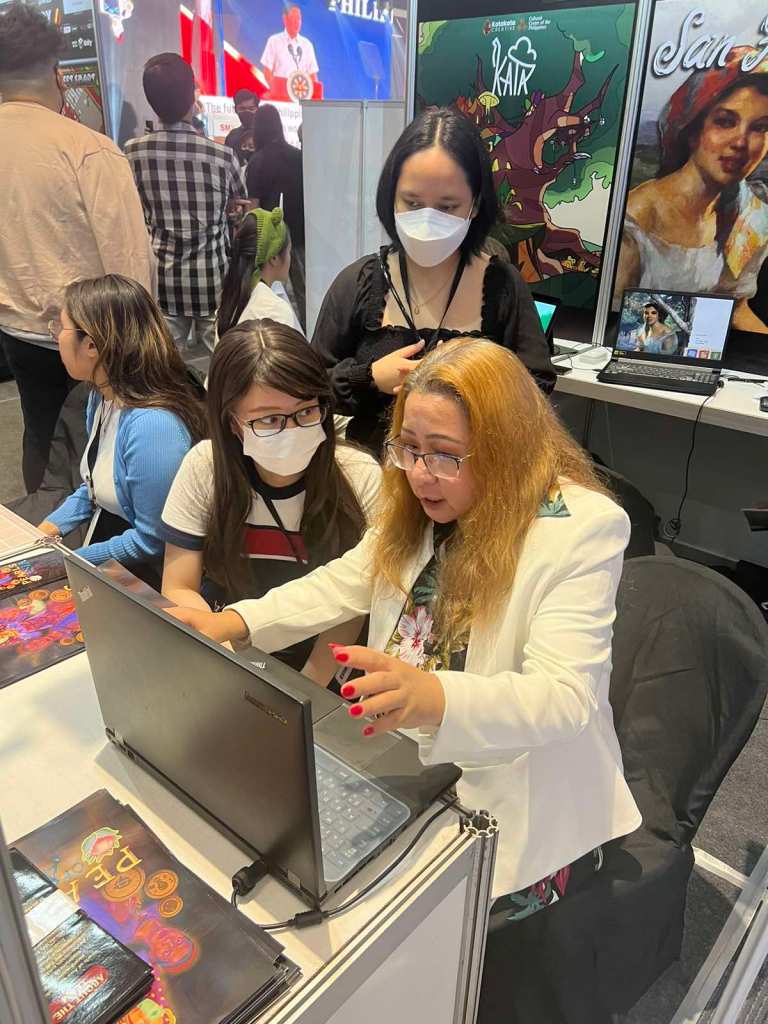
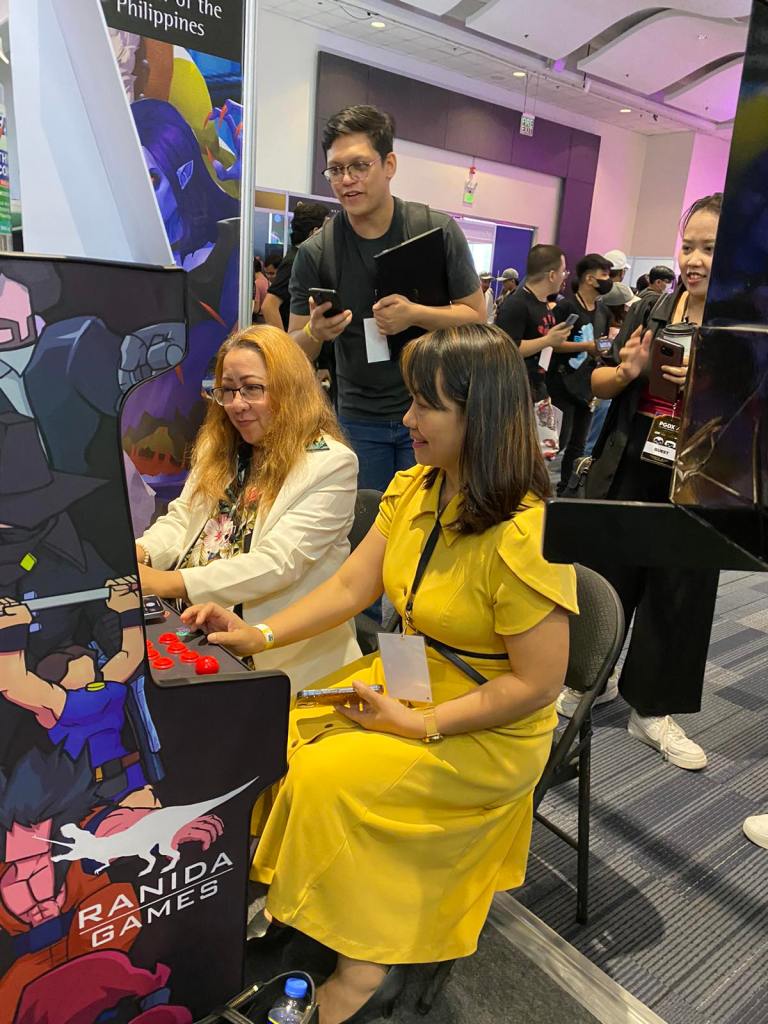
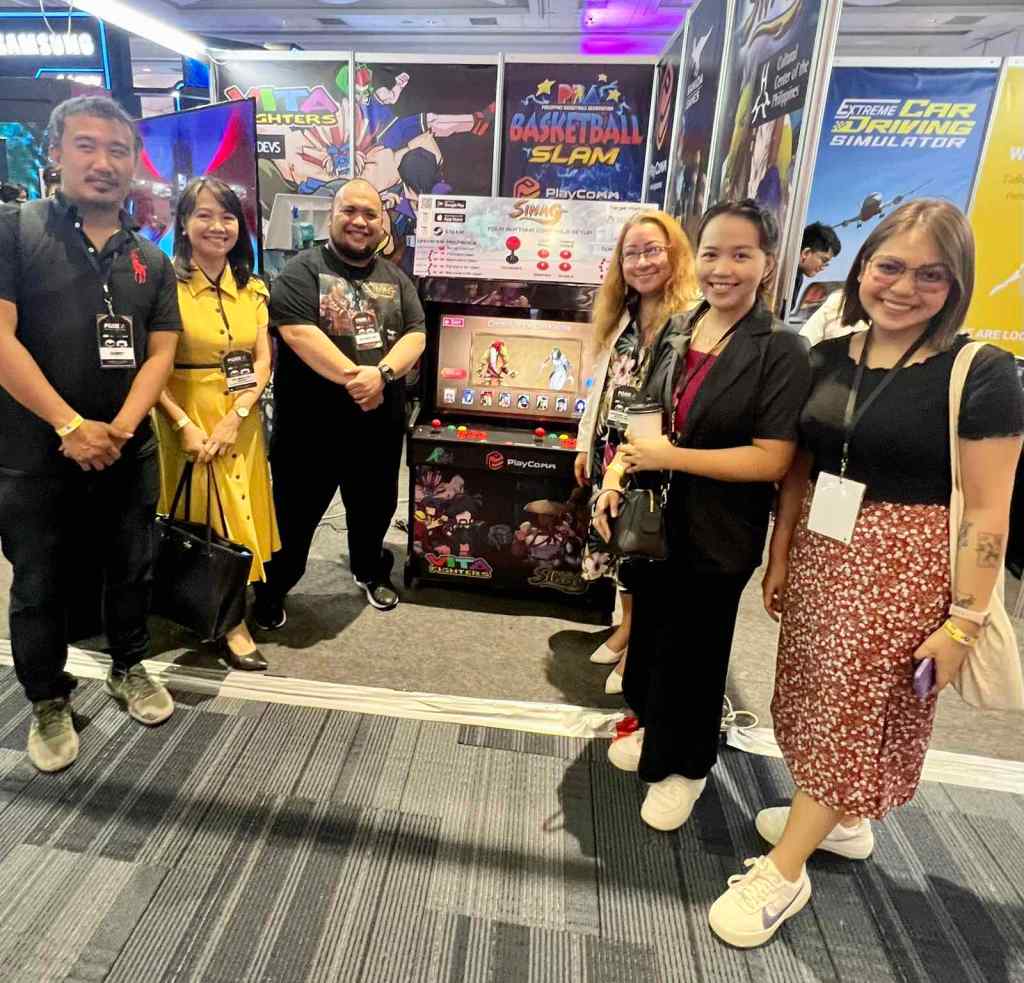
- Exhibitor Showcases and Activities: Game enthusiasts can look forward to engaging with an array of game publishers showcasing a diverse range of games.
Target Audience: The Expo welcomes a vast audience, including Game Developers, Publishers, Platforms, Students from High School and College, Investors, Game Companies, and National Government Agencies.

BACKGROUND ON THE GAME DEVELOPMENT INDUSTRY
Compiled by the DICT ICT Industry Development Bureau (IIDB)
Relevant Frameworks and Targets:
- Philippine Development Plan (PDP) 2023-2028 – A 6-year roadmap that outlines the key priorities and targets that the government and private sector must work towards in order to achieve economic and social transformation, inclusivity, and sustainability.
- Republic Act 11904 or “Philippine Creative Industries Development Act” – Mandates the State to “promote and support the development of the Philippine creative industries by protecting and strengthening the rights and capacities of creative firms, artists, artisans, creators, workers, indigenous cultural communities, content providers, and stakeholders in the creative industries.”
- Under the PCIDA, the DICT shall promulgate guidelines to implement the Digitalization of Creative Industries, including the manner of selecting its beneficiaries, in coordination with the Philippine Creative Industries Development Council. The Digitalization of Creative Industries entails the following:
- Entities from the creative industries shall be granted access to digital
services and digital training platforms; - Technical and financial assistance programs shall also be provided to
Filipino entities that endeavor to create digital content distribution
platforms and other digital innovations benefitting the creative industries; - Dedicated high-speed infrastructure and bandwidth shall be provided by
the DICT and the National Telecommunications Commission to the
entities.
- Entities from the creative industries shall be granted access to digital
- Under the PCIDA, the DICT shall promulgate guidelines to implement the Digitalization of Creative Industries, including the manner of selecting its beneficiaries, in coordination with the Philippine Creative Industries Development Council. The Digitalization of Creative Industries entails the following:
- IT-BPM Industry Roadmap 2028 – A six-year blueprint to define the key priorities in
digitization, talent, policy shaping, infrastructure, and country branding. Sub-sectoral
roadmaps will also help customize strategies and action plans to the needs of each
sub-sector.- The industry is projected to generate 2.5 million direct jobs or FTEs by 2028,
which accounts for an additional 1.1 million jobs, with 54% of the said figure
coming from non-Metro Manila locations. - To achieve such, the IBPAP identified four (4) priorities or acceleration levers, namely 1) Government Support, 2) Talent Development, 3) Infrastructure Expansion, and 4) Marketing and Brand Repositioning
- The game development industry is projected to generate 6,200 new direct job and achieve an annual revenue of US$ 177.8 million by 2028 in the aggressive scenario of the roadmap.
- The industry is projected to generate 2.5 million direct jobs or FTEs by 2028,
- Creative Economy Roadmap – The creative economy shall harness the following by 2030:
a. 15 percent GDP contribution
b. 5 million full time jobs
c. $15 billion to $20 billion of digital creative services exports/outsourcing
d. $5 billion to $10 billion of creative goods
e. Philippines is a leading creative economy in Southeast Asia
Recent Industry Information and Figures:
- Philippine Statistics Authority – The creative industries employed 6.98 million Filipinos in 2022, increasing by 10.5 percent from 6.32 million persons in 2021. The creative economy in 2022 amounted to PhP 1.60 trillion, contributing 7.3 percent to the country’s Gross Domestic Product (GDP).
- IT-BPM Industry Roadmap 2028 – The global game development services industry in the Philippines has grown at a compound annual growth rate of 10% in both revenue and headcount in the past 5 years.
- Figures:
i. The Philippine game development services industry growth by revenue –
USD 65-69 million in 2021
ii. The Philippine game development services industry growth by
headcount – 4.6-4.8 thousand FTEs - Key challenges for the Philippine game development services industry
- Talent Supply – There is a shortage of skilled talent and a lack of universities offering full time courses for the youth to take advantage of careers in game development
- Skills Availability – Continuous upskilling and reskilling of new and existing talent to take on more advanced or complex roles and project requirements
- Government Involvement – Providing better infrastructure, funding opportunities, and promoting entrepreneurship mindset
- Brain Drain – Strong competition with foreign players encourage talent to relocate to onshore location
- Crunch Culture – Getting used to poorly structured work streams and short project timelines
- Fragmentation – Smaller industry players are working on individual capacity, which hinders them from getting large projects
- Figures:
- Outlook of the game development services industry in the Philippines
- Increase in the development of original content – As the Philippine creative market matures, there is much opportunity for local studios to shift to original content creation or original Intellectual Property development to highlight the unique stories and talents of the Filipinos and generate additional revenue.
- Strengthening talent’s skills through co-development/co-production – Indie studios to work with prominent game development studios to upskill local talent and be at par with international standards.


 Jocelle Batapa Sigue
Leave a comment