
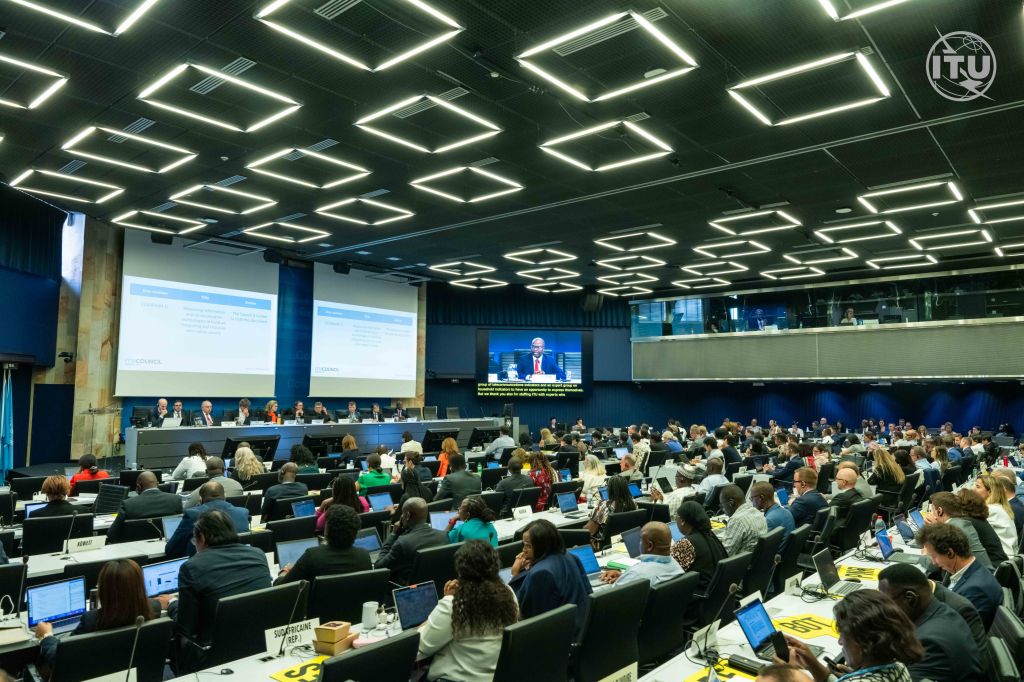
GENEVA, Switzerland — Undersecretary Jocelle Batapa Sigue of the Department of Information and Communications Technology (DICT) of the Philippines, while serving as ITU Councilor, lauded the innovative, outcome-centric methods of the International Telecommunication Union (ITU) during the ITU Council Session 2023. The annual meeting, held from July 9 to 21 in Geneva, gathered global leaders in the field of telecommunications and information technology.
“The Philippines is particularly grateful for the thematic projects of the ITU, especially where we were given a chance to support and cascade systematic projects,” said Undersecretary Sigue. She highlighted specific initiatives such as the Girls in ICT for Digital Innovation for Women Advancement (DIWA), smart islands, and the Generation Connect Philippines, aimed at improving government interoperability and engaging young Filipinos in digital policymaking.
The Undersecretary also voiced out her suggestion for a more effective use of real-time dashboards, trackers, and web-based facilities, emphasizing the importance of transparency and engagement. She suggested an innovative approach where member nations could create their own sub-dashboards to track performance and commitments to ITU targets.
Drawing attention to the broader mission of the ITU, she expressed her appreciation for the new leadership’s focus on “meaningful connectivity” which extends beyond just technology and connectivity. She advocated for an approach that leads to job creation, more opportunities, and a resilient digital future.
In the session focused on operational plans for the Union for 2024-2027, Undersecretary Sigue echoed her support for the resolution, emphasizing the innovation mindset it promotes. “We support the resolution at hand to approve the operational plan for 2024 – with emphasis on not just what we do but on how we do,” she said.
Furthermore, she called for a greater collaboration between the ITU and member countries in project design and implementation to make projects more relevant. She emphasized that while ITU is an enabler, the key delivery system will be the countries catalyzed by regional offices.
Her statements during the session underscore the critical role the ITU and member countries play in driving technological innovation, expanding connectivity, and fostering digital transformation on a global scale.
Increased ICT Engagement Among Women, Youth and Underserved Regions
Undersecretary Sigue also championed greater engagement among women, youth, and underserved regions in the information and communications technology (ICT) sector during the International Telecommunication Union (ITU) Council Session 2023, held from July 9 to 21 in Geneva.
“We participated in the so-called Digital Women’s Leaders breakfast, which led to the trailblazing event, the first-ever ASEAN Girls in ICT, which the Philippines proudly hosted,” she remarked. The event inspired ASEAN nations to collaborate and increase the number of girls pursuing ICT courses, careers, and certifications. She also emphasized the importance of youth representation in policymaking and suggested more engaging activities.
During the discussion regarding the Union’s revenue, Undersecretary Sigue suggested exploring additional sources of revenue and improving membership campaigns, especially among academics, noting the immense value ITU membership provides.
The Philippines praised ITU for its efforts in expanding the digital agenda and its collaboration in major UN events and programs. “We envision the ITU leadership to meaningfully drive not only digital transformation but societal transformation,” said Sigue. She also called for an SDG digital agenda to leverage ICTs in support of the UN’s Sustainable Development Goals (SDGs) by 2030.
Addressing the issue of the new ITU building in Geneva, Undersecretary Sigue voiced support for rescoping the project to ensure it aligns with ITU’s purpose and financial situation. She also recommended exploring additional fundraising opportunities and ensuring that the project doesn’t detract from ITU’s other important programs.
She emphasized the importance of prioritizing efforts to bridge the digital divide and ensure inclusivity in rural and remote areas. Sigue’s participation in the session highlighted the Philippines’ commitment to leveraging ICT for inclusive development, gender equality, youth engagement, and ensuring meaningful connectivity for underserved regions.
In discussing the Regional Initiatives Approved by WTDC-22 (C23/26(Add.1)), the Philippines supported the allocation of dedicated financial resources for the initiatives adopted by WTDC-22 for all six regions. Despite acknowledging the inadequacy of the allocated $5 million, Sigue remained hopeful about these funds indirectly generating more resources and impact for the regions. She stressed the need for well-designed projects that can trigger further investments and create a greater impact in line with the Sustainable Development Goals (SDGs) 2030.
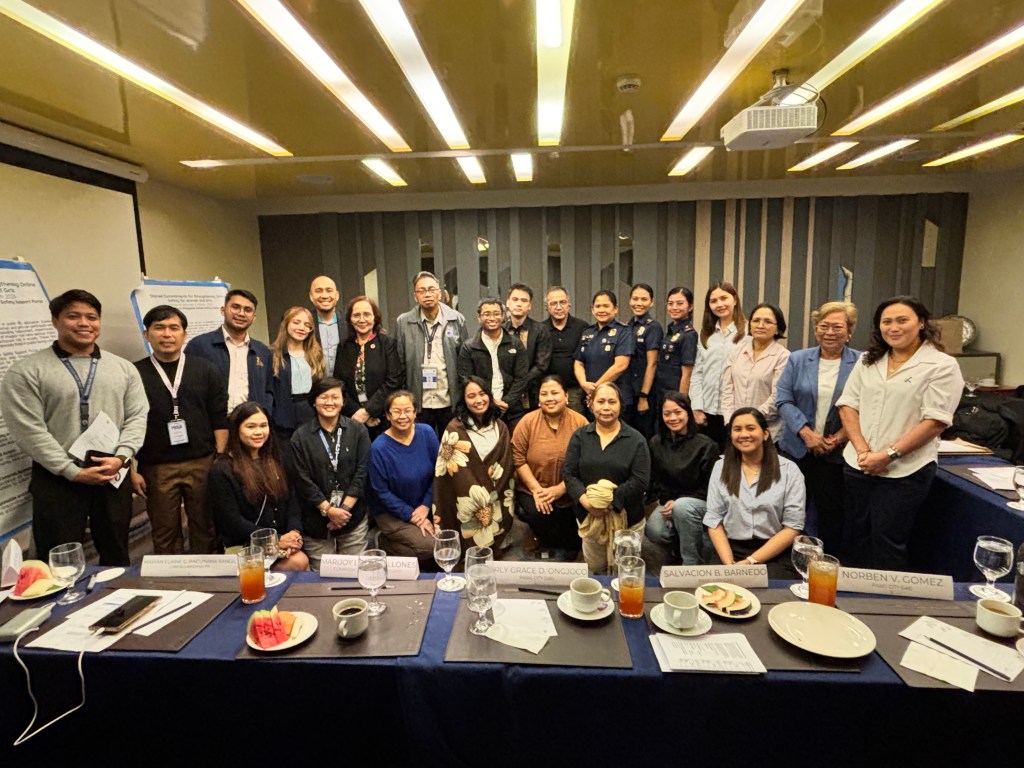
On the occasion of the 25th anniversary of Resolution 70, Batapa-Sigue recognized ITU’s work on gender equality, citing a national initiative called DIWA (Digital Innovation for Women Advancement) in the Philippines. This initiative, inspired by PP 2022, is designed to increase women’s participation in digital innovation, leadership, and entrepreneurship, and is keen to share their strategy with interested member states.
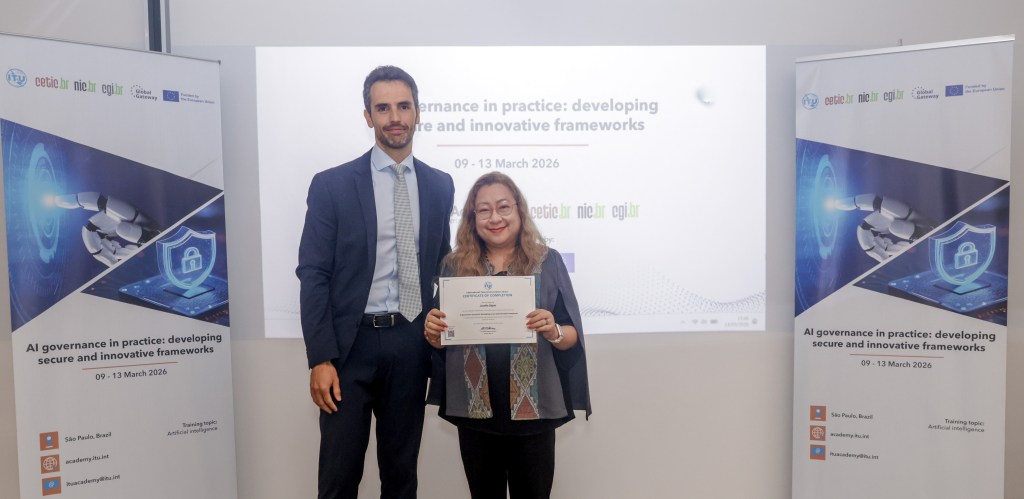
She proposed the implementation of more capacity-building initiatives to boost women’s participation in cybersecurity and AI, committing to sharing their strategies and resources with ITU and its member states.
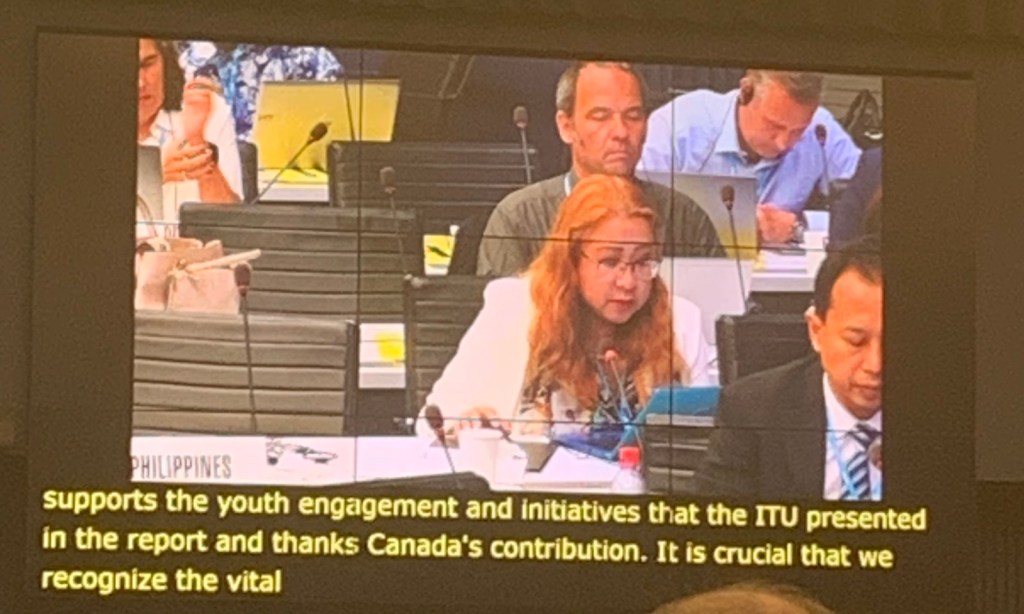
Emphasizing the importance of youth engagement, the Undersecretary supported the youth initiatives presented at ITU, thanking Canada for its contribution. She further recommended strengthening the ITU’s internship program and formalizing partnerships with academia.
“We wish to see more strategies and resources to empower the ITU Youth Task Force, support the Generation Connect initiative, and encourage all ITU Member States to support youth-related initiatives,” said Batapa Sigue.
In conclusion, she made a candid proposal to host the future global summit in the Philippines, stating, “Our young people have a lot of bright ideas to share with the world.”
Strong Internal Controls, Data-Driven Decision-Making at ITU
Undersecretary Sigue underscored the need for stronger internal controls, data-driven policymaking, and innovative strategies at the ITU Council Session in Geneva, Switzerland.
In her statement, Batapa-Sigue expressed the Philippines’ support for the major recommendations of the ITU Secretariat, including the establishment of an oversight unit, enhanced compliance monitoring, and the implementation of more robust internal controls. She further stated that the transformation of the ITU into a modern organization was an ongoing concern and a necessity for the country, with a focus on implementing efficient financial management to enhance transparency, accountability, and data-driven decision-making.
The undersecretary emphasized the importance of data visualization in facilitating a deeper understanding of complex information, leading to more effective and inclusive policy formulation in the ITU.
“We must concentrate more on putting innovative strategies on how we can move forward with more agility, resiliency, and transparency,” she said.
Sigue also commended the Independent Management Advisory Committee (IMAC) for their comprehensive and clear twelfth report, highlighting that 85% of the IMAC recommendations, focused on areas such as internal audit, risk management, and financial reporting, had been successfully implemented.
In terms of financial implications of regional initiatives, the Philippines supported the allocation of dedicated financial resources for their implementation, but expressed that the $5 million allocated for such initiatives was relatively inadequate. They encouraged the design of projects that would trigger further investments and create a multiplier effect across sectors.
“We strongly believe in the necessity of streamlining financial processes, optimizing resource allocation, and using interactive data visualization for policy-making,” she said, underscoring that transformation comes with a growth mindset rather than solely looking for new ways.
The Philippines has expressed strong support for enhanced ethical oversight. The Undersecretary commended the Ethics Office for its annual report on activities, and advocated for further efforts to promote an environment of ethical awareness. She underscored the importance of reviewing existing policies and introducing new ones that will foster ethical behaviour and decision-making.
Batapa-Sigue also backed the initiative of virtual events, which has led to increased participation of women according to the report implementation of Resolution 167 (Rev. Bucharest, 2022) of the Plenipotentiary Conference. She highlighted the recent ITU events held in the Philippines, such as the Gender-Based AI policy, AI Training for Women, and Girls in ICT Day Philippines, where over 63% of more than 500 participants were women. The Undersecretary attributed this increase in participation to the accessibility of virtual platforms and called for continuous remote participation in all ITU events.
Moreover, she backed the OneITU Concept in Document 62, applauding the proactive role of more than 60 ITU staff members and the Secretary-General in the visioning exercise that resulted in a transformation roadmap for organizational excellence.
Sigue joined the position of many member states for the creation of an Oversight Unit, lead by a Chief of Oversight, which would provide the ITU with an effective system of risk-based, independent, and objective internal oversight and evaluation. She highlighted the importance of combining audit and investigation functions within a single unit, supplemented with a new evaluation function, to ensure transparency and accountability within the Union.
Reflecting on her first ITU Council Session, Batapa-Sigue expressed concern about the organization’s agility and ability to innovate at a necessary pace. She challenged the ITU to apply the principles it espouses to enterprises and countries, especially regarding transparency and accountability in the use of financial resources.
Batapa-Sigue closed her address by reiterating her support for the approval of the project proposals at hand, emphasizing the need for action in a timely, transparent, innovative, facilitative, and responsive manner.

ITU Councilor Calls for More Agility and Accountability in ICT Transformation
Sigue, in her role as ITU Councilor of the Philippines, delivered a fervent plea for agility, accountability, and a stronger focus on digital transformation during the second week of the ITU Council Session 2023.
This marked her first council session since her inaugural participation in the Plenipotentiary Conference (PP22) in Bucharest last year. The Undersecretary hailed the ITU, acknowledging it as a globally respected organization leading digital transformation.
Batapa-Sigue expressed her support for ITU’s role in encouraging private enterprises and countries to embrace digital transformation and leveraging ICTs to ensure transparency. However, she also called for a critical introspection, urging the ITU to implement these same practices internally.
“The recent discussions have left me pondering why the ITU faces the same challenges as many trivial organizations and even countries. The lack of agility to move swiftly and drive innovation internally at the necessary pace is disconcerting,” Batapa-Sigue expressed, adding that the ITU should streamline all programs under the unified umbrella of One ITU and not a fragmented ITU.
In her statements, the ITU Councilor also addressed the pressing issue of the organization’s financial operations. She emphasized the need for a timely, transparent, and result-oriented approach to the financial management, particularly important for developing nations like the Philippines where “every minute counts.”
Digital transformation, according to the Undersecretary, is a collective responsibility. She urged the ITU to ensure robust oversight, monitoring, and evaluation of all projects to deliver on the promise of the ITU’s 157-year-old brand.
“We elected our leaders in Bucharest, and I firmly believe that if we cannot trust them to lead our organization, how can we expect the world to trust the ITU?” she questioned, expressing her support for the approval of the projects and proposals at hand, albeit in a timely, transparent, innovative, facilitative, and responsive manner.
The Undersecretary concluded her address by expressing her gratitude to the Chair, who she added to her list of ‘rockstars‘, and confirmed the Philippines’ endorsement for the transformation roadmap, the oversight unit under the One ITU strategy, and the creation of a Chief of Transformation Office position.
Despite the concerns raised, the councilor ended on a hopeful note, stating that the Philippines, trusting the elected officials, will hold them accountable to steer the roadmap to fruition. “We will see the result in the succeeding months and years,” Batapa-Sigue concluded.

The Composition of the ITU Council
The International Telecommunication Union (ITU) Council acts as the Union’s governing body in the interval between Plenipotentiary Conferences, which occur every four years. Its role is to consider broad telecommunication policy issues to ensure that the Union’s activities, policies and strategies fully respond to today’s dynamic, rapidly changing telecommunications environment.
The ITU Council is composed of 48 Member States, which are elected by the Plenipotentiary Conference. These Member States serve four-year terms. The composition of the Council ensures adequate and equitable representation from the world’s different regions.


 Jocelle Batapa Sigue
Leave a comment